

How Adam Frisch saw a path to defeating Lauren Boebert in GOP-leaning Colorado district
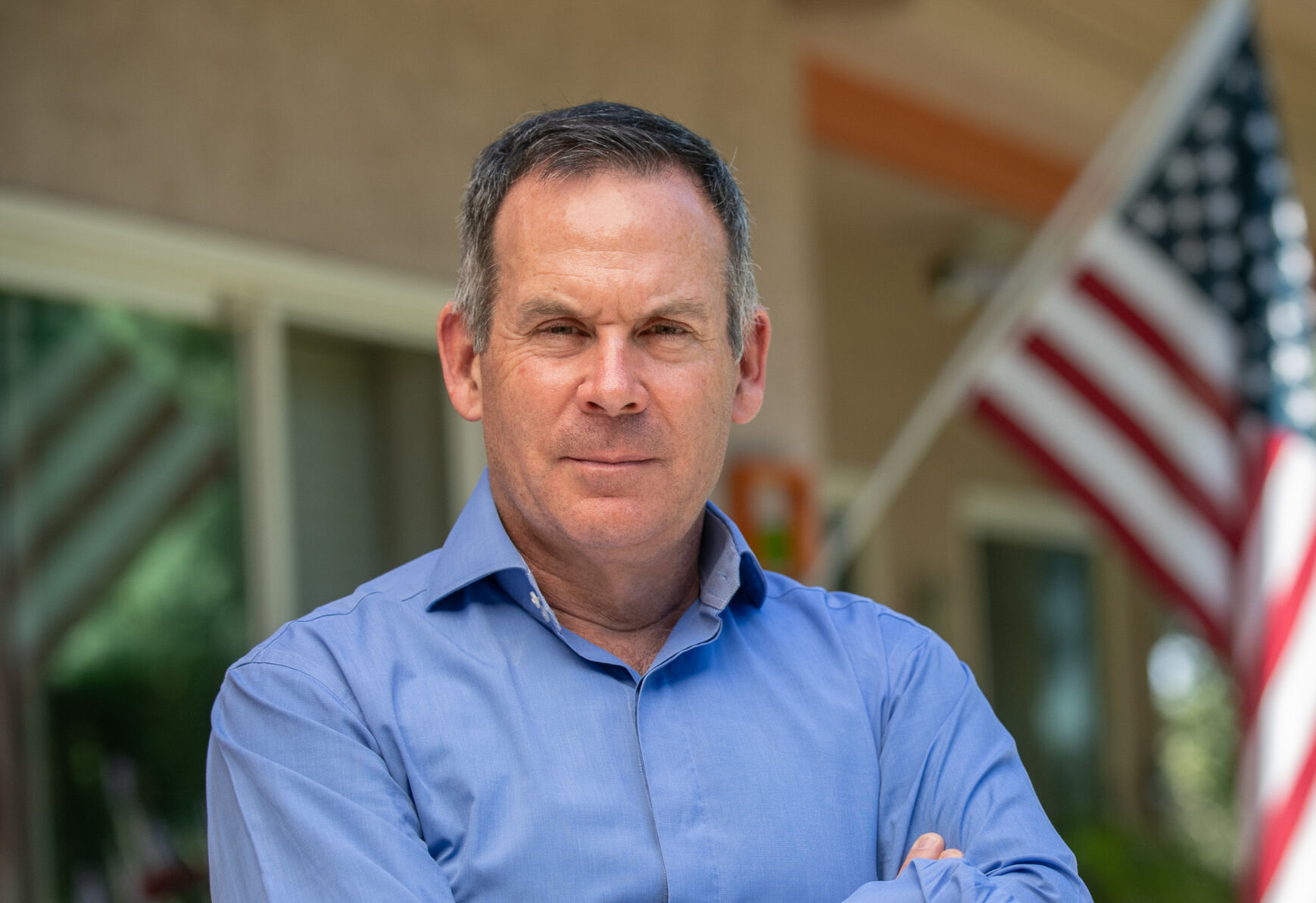
A month before U.S. Rep. Lauren Boebert found herself surprised by the biggest fight of her political career, Colorado Politics reported that an internal poll showed her Democratic challenger, Adam Frisch, pulling within 2 percentage points of the Republican incumbent in Colorado’s 3rd Congressional District, putting the candidates in a statistical tie.
The poll of likely voters, conducted for Frisch’s campaign by Keating Research, a Colorado-based firm that works for Democrats, said Boebert led Frisch, 47% to 45%, within the poll’s 4.4 percentage point margin of error. Another 7% were undecided, giving Frisch confidence he could pull ahead of the incumbent in the closing month of the campaign.
One reason for his optimism, he told Colorado Politics, was the 5-point shift in his direction since a July survey conducted by the same polling firm that found Boebert leading 49% to 42%, with 9% undecided.
Frisch’s argument seemed extraordinary, particularly given the district’s partisan leanings, with a 9.3% Republican advantage, according to the independent redistricting commission that drew its boundaries.
Tuesday’s early tally – with Boebert trailing Frisch – came as a shock to Colorado political observers. Frisch’ edge has since dwindled, and, as of 10:30 a.m. Thursday, Boebert had pulled into a lead with 157,805 votes to Frisch’s 157,372 – for all purposes a 50-50 split.
Regardless of who wins, the very tight contest in CD3 has mesmerized Colorado and the nation.
In an interview in August, Frisch, a wealthy businessman and former member of Aspen City Council, described why he thought he had a chance to take out the incumbent.
“These numbers reflect what we’ve been hearing from voters all across the district: that they’re ready to stop Boebert’s circus and elect a representative that will work hard to address the needs of the district on issues like inflation, jobs, water, energy independence and more,” Frisch said of the July poll.
Boebert’s campaign dismissed word of the first poll’s results.
“Congresswoman Boebert will win this election decisively in November, because she is the only candidate on the ballot committed to firing Nancy Pelosi and getting our country back on track,” a campaign spokesperson wrote in an email to Colorado Politics.
Frisch repeated his belief that Boebert is vulnerable when his campaign released the second poll in October.
“I’ve believed this since I entered the race, but this poll showing that we are tied makes it even more clear that voters in CO-3 want Boebert’s circus to stop and are looking for a better choice to represent their families, their businesses, and their communities,” he said.
Pollsters said the biggest movement from the July poll to the October poll was among the Republican-leaning district’s unaffiliated voters, who supported Frisch by an 8-point margin two months earlier but preferred the Democrat by a 25-point margin in the most recent survey. Unaffiliated voters, who make up 44% of the district’s active registered voters and 37% of the poll’s sample, support Frisch, 57% to 32%, the new poll found.
Boebert’s favorability rating dropped, too, the poll found, with 47% viewing the incumbent favorably and 49% viewing her unfavorably, up from 44% unfavorable responses in the earlier poll. Just 4% of voters said they’re unfamiliar with her.
Among unaffiliated voters, Boebert was viewed favorably by 35% and unfavorably by 62%, with 60% of the unaffiliated saying they viewed her very unfavorably.
Frisch, who casts himself as a moderate, was viewed favorably by 38% of likely voters and unfavorably by 28%, with 35% saying they were unfamiliar with Frisch, down sharply from the 65% of voters who said in July that they hadn’t heard of him.
Pollster Chris Keating told reporters that his client’s favorability rating pointed toward a winnable race.
“Do the voters who know you, like you?” Keating said during a remote press conference. “That’s the thing that I look for in a candidate that can win – is likability. He’s basically doubled his name ID, and voters like him, so down the stretch that’s only going to get better, too.”
The poll of 500 likely voters was conducted Sept. 28-Oct. 2 using a mix of live telephone interviews and text message. The pollster said the sample represented likely general election voters in the district based on party registration, gender, age, region, education and ethnicity.
The suggestion that the outspoken Boebert – a powerhouse fundraiser and one of the most prominent and avidly conservative members of Congress – could be in danger of losing her bid for a second term runs contrary to the partisan lean of the district’s voters. It also went against the verdict of most national election forecasters, who considered the seat safely in Republican hands.
Election data site FiveThirtyEight’s modeling, for example, put the chances of Boebert winning in 97 of 100 simulations, while Frisch wins in 2 out of 100.
The race didn’t attract attention from national party committees or major outside groups, but Frisch’s campaign said it hoped the poll results would prompt big-spending committees to get involved.
Boebert won election two years ago by a comfortable, 6-point margin over Democratic nominee Diane Mitsch Bush after upsetting five-term Republican incumbent Scott Tipton in the primary.
She fended off a primary challenge in June from state Sen. Don Coram, a Montrose rancher, by a two-to-one margin. Frisch maintains that the Republicans and unaffiliated voters who voted against her in the primary are part of his coalition of district residents who have grown weary of what he terms Boebert’s “angertainment” approach to government.
But there’s no doubt Frisch is the underdog.
The sprawling district, which covers 27 counties on the Western Slope and across Southern Colorado, including Pueblo County and the San Luis Valley, leans toward Republican candidates by just over 9 points, according to the state’s independent redistricting commission.
The commission altered congressional boundaries ahead of this year’s election due to census results, increasing the Republican advantage by a couple of points.
The Republican jumpstart is based on its voters’ preferences in eight recent statewide elections. In last cycle’s U.S. Senate race, for instance, voters swung toward Republican Cory Gardner by 10.5 points over Democrat John Hickenlooper, who carried the state by about 9 points. In 2016, the district’s’ voters gave Republican Donald Trump a 15.3-point win over Democrat Hillary Clinton, even as she was winning Colorado by about 5 points.
Two years ago, Democrats released polling that showed Mitsch Bush, a former state lawmaker, tied or slightly ahead of Boebert, but the Republican prevailed by about 6 points.
Keating earlier said pollsters in recent years have typically missed voters who support Trump and other Republicans but believes he’s avoided that pitfall.
“Nationally, pollsters are generally wrong because they tend to not have enough less educated voters or they’re not predicting the correct turnout,” Keating said, noting that the new survey for Frisch gave Republicans a 10-point advantage over Democrats, slightly higher than the GOP’s 8-point advantage in the district among registered voters.
“We’re predicting a pretty conservative turnout,” he said. “I believe in my numbers. We believe this is an accurate representation of voters. That’s what we try to do. That’s why we typically are spot on.”
Keating Research has a B/C rating from FiveThirtyEight.com based on a handful of polls conducted in the last decade, with the pollster accurately predicting the outcome of races 80% of the time.
Last election in Colorado, the firm accurately predicted in late October polls that Hickenlooper would beat Gardner and that Democrat Joe Biden would beat Trump, with both polls coming within about a percentage point of the final results. In 2018, a Keating poll conducted just before the election showed Democrat Jared Polis beating Republican Walker Stapleton in the governor’s race by 8 points. Polis won by 10.6 points.

Colorado’s ‘right to natural gas’ measure submits signatures to qualify for November ballot
Marissa Ventrelli
marissa.ventrelli@coloradopolitics.com
Updated 12 hours ago
A natural-gas rights initiative backed by Advance Colorado is likely headed to the November ballot, triggering a parallel campaign by environmental groups seeking to impose new liabilities on oil and gas operators. Petitions for Initiative No. 177 were turned in...
Colorado’s primary turnout tops 10% as election officials warn it’s too late to mail ballots
Ernest Luning
ernest.luning@coloradopolitics.com
Updated 7 hours ago
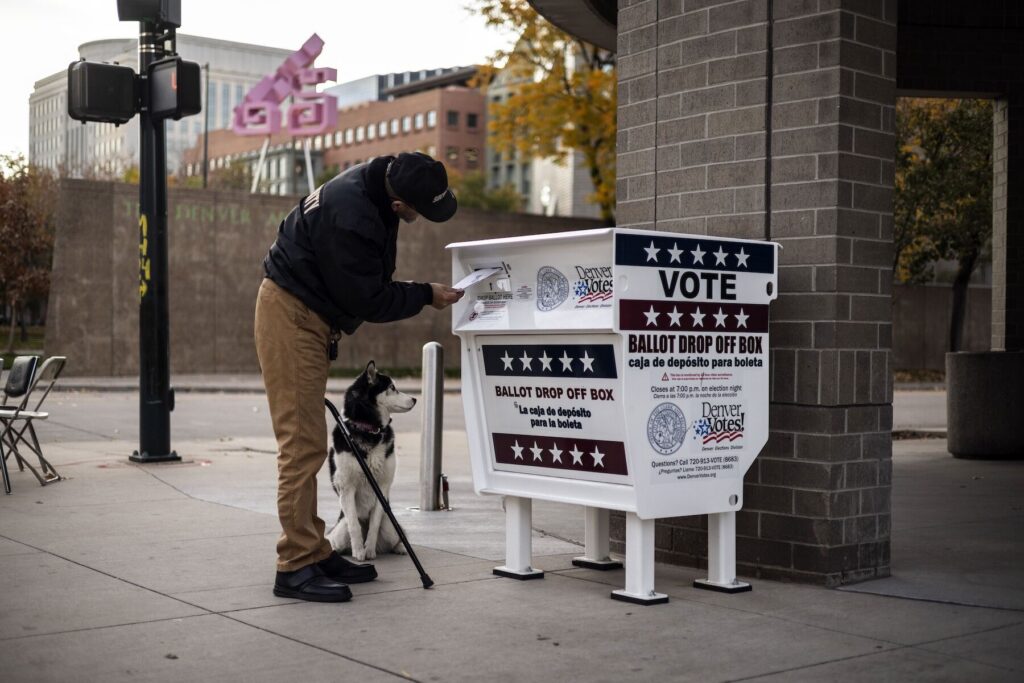
Colorado election officials cautioned on Tuesday that it’s too late to mail ballots for the June 30 primary and urged voters to use drop boxes and their county’s voting centers instead. Secretary of State Jena Griswold said in a release...

Rural frustration, parental rights shape Scott Bottoms’ pitch ahead of Colorado’s gubernatorial primaries
Thelma Grimes
thelma.grimes@coloradopolitics.com
Updated 1 day ago
With just weeks before Colorado’s June primary, Republican gubernatorial candidate state Rep. Scott Bottoms is spending nearly all his time on the road — literally crisscrossing the Western Slope and Eastern Plains — in a final push to connect with...
Registered voters on the eve of the 2026 primaries | Cronin & Loevy
Tom Cronin Bob Loevy
tom-cronin-bob-loevy@coloradopolitics.com
Updated 5 days ago
The Colorado Secretary of State’s Office has published the latest voter registration figures for the state and its counties as of June. Colorado ranks among the highest states for independent, or unaffiliated, voters. Only Alaska and Massachusetts have more. New Hampshire, New Jersey, Maine and Oregon also rank highly. So here...
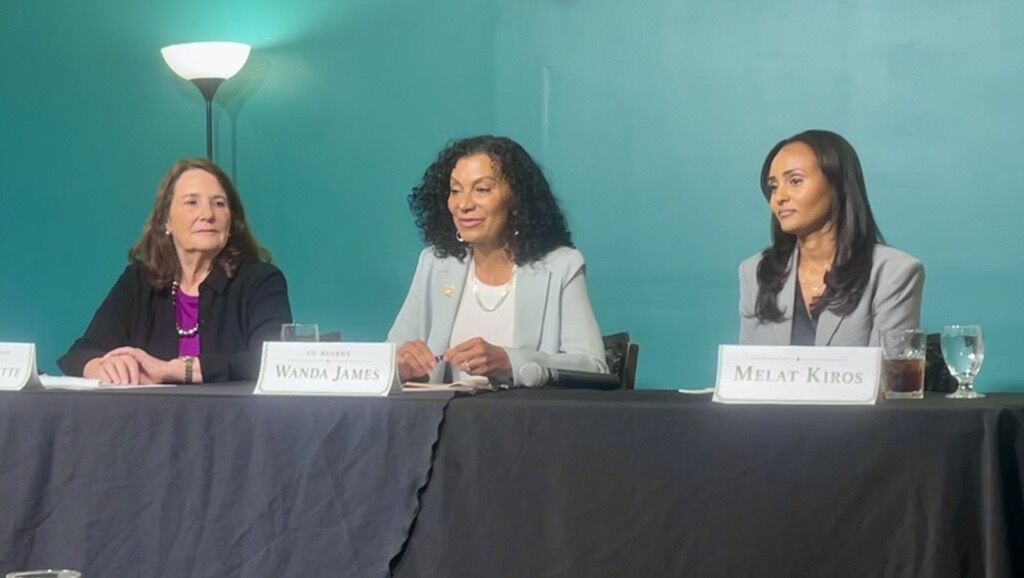
Democratic candidates DeGette, Kiros and James clash in CD1 forum
Marissa Ventrelli
marissa.ventrelli@coloradopolitics.com
Updated 3 days ago
The three Democratic candidates for Colorado’s 1st Congressional District clashed on Friday night over a host of issues, even as they expressed frustration with their party. The candidates — U.S. Rep. Diana DeGette, doctoral student Melat Kiros and university regent...
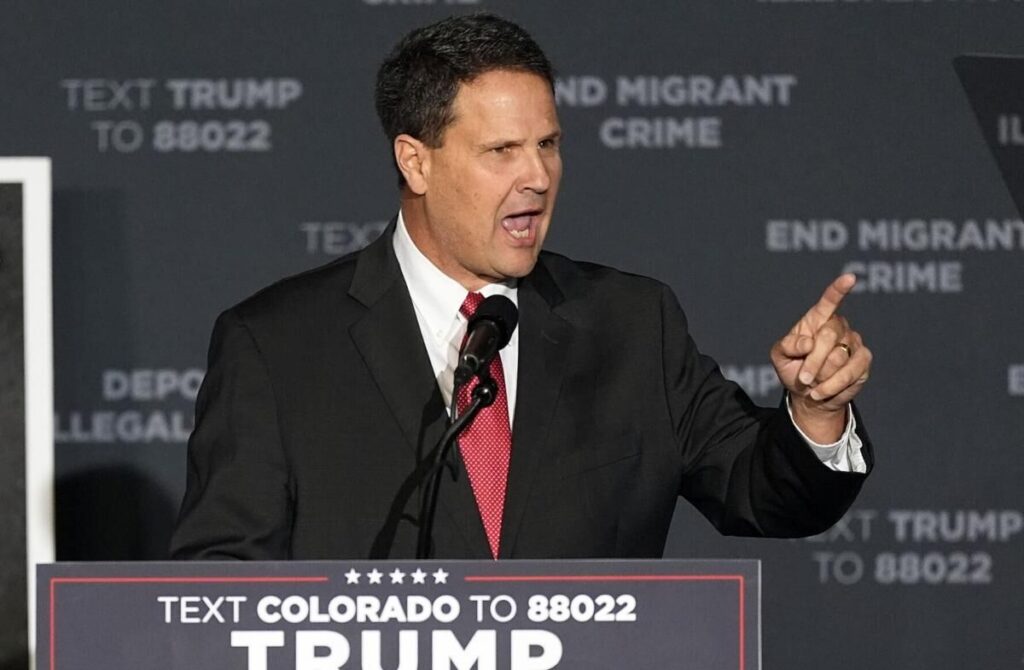
Rep. Jeff Crank thinks Democrats are too focused on Trump, not enough on Colorado Springs | Vince Bzdek
Vince Bzdek
vince.bzdek@gazette.com
Updated 3 days ago
For U.S. Rep. Jeff Crank, who’s unopposed in the Republican primary for the 5th Congressional District but the main target of both candidates in the lively Democratic primary, the big question in the midterms is not who will stand up...
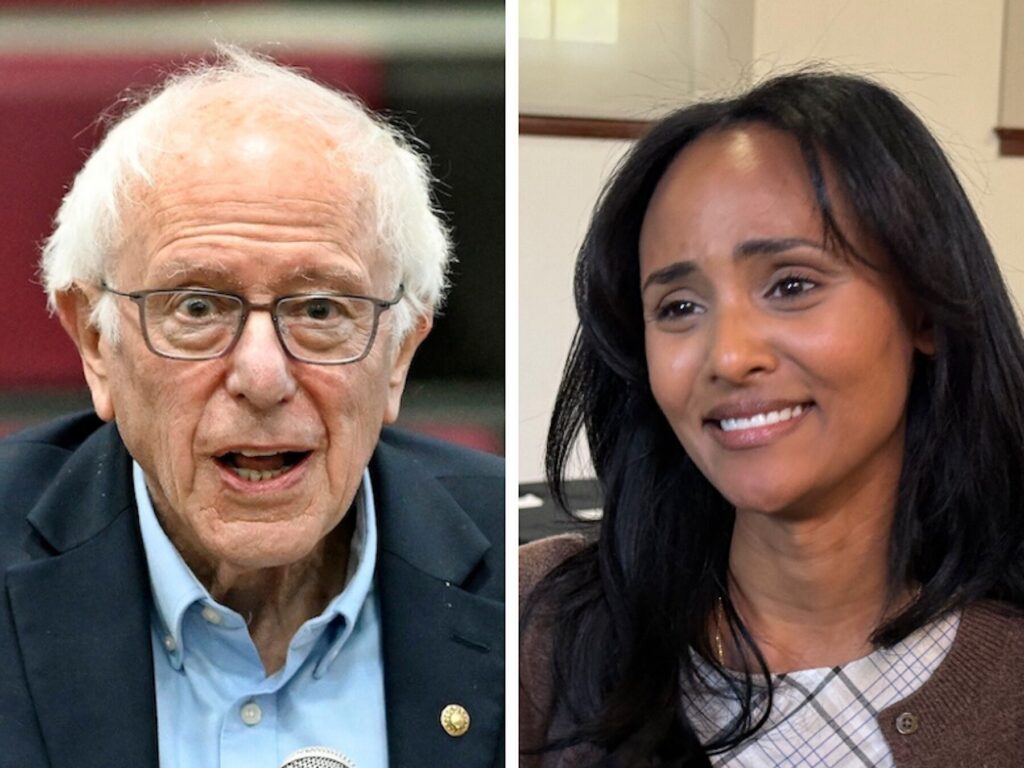
Bernie Sanders endorses DeGette challenger Melat Kiros in Colorado’s 1st CD Democratic primary
Ernest Luning
ernest.luning@coloradopolitics.com
Updated 5 days ago
U.S. Sen. Bernie Sanders on Friday endorsed congressional candidate Melat Kiros, one of two Democrats challenging 15-term U.S. Rep. Diana DeGette in Colorado’s June primary. Sanders, a Vermont independent who caucuses with the Democrats, called the 29-year-old Kiros “exactly the...
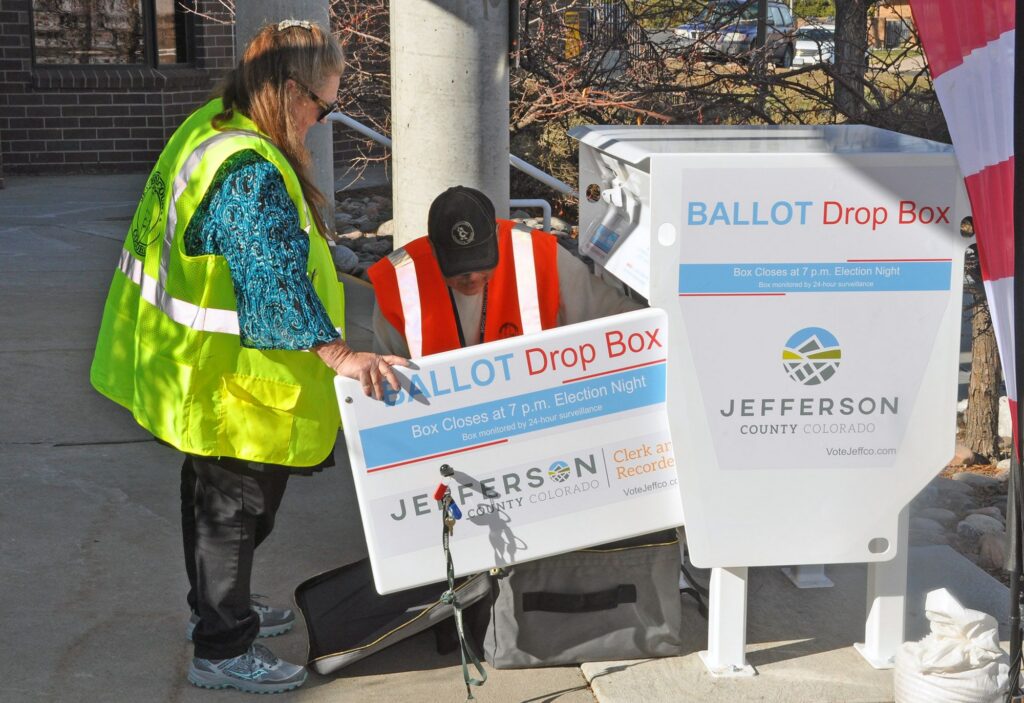
Democratic ballots outpace Republicans’ as Colorado’s primary vote starts to trickle in
Ernest Luning
ernest.luning@coloradopolitics.com
Updated 5 days ago
With less than two weeks left before ballots are due in Colorado’s primary election, election officials have logged in ballots from just under 6% of the state’s 4 million active, registered voters, the Colorado Secretary of State’s Office said Thursday....
Amid public pressure, Colorado candidates tackle social media regulations for minors
Bethany Johnson
bethany.johnson@denvergazette.com
Updated 4 days ago
Following the accidental overdose of her daughter in 2020, Patti Lujan pursued a lawsuit against Snapchat, the social media platform that, she claimed, connected her daughter with a drug dealer. In a news release announcing the lawsuit, Lujan alleged that...
Colorado state Senate: Meet the primary election candidates
Marianne Goodland
marianne.goodland@coloradopolitics.com
Updated 1 week ago
Colorado’s June 30 primary features a slate of state Senate contests, with several incumbents stepping aside and competitive fields emerging in both parties. These are some of the races to watch as voters begin to submit ballots. Senate District 3:...
PREV
PREVIOUS
Senate GOP select Paul Lundeen as minority leader
Sen. Paul Lundeen of Monument, who led the Senate Majority Fund that was intended to build up on the GOP’s numbers in Tuesday’s election, was elected minority leader by his caucus on Thursday. Traditionally, a loss of seats means a shake-up of leadership after the election. However, the two top posts in the GOP leadership – […]

Hundreds come to state Capitol to honor House Minority Leader Hugh McKean
There were maybe as many laughs as tears, as hundreds came to the state Capitol on Thursday for a memorial service honoring the life of the late Hugh McKean of Loveland – the House Minority Leader who died on Oct. 30 at age 55. McKean’s remains lain in state in the Capitol rotunda for the service […]