

GABEL | Trucking troubles a supply-chain storm brewing
It’s the height of the fall run, the time of year when ranchers are selling their calves and bull haulers are busy hauling calves to sale barns, feedyards and ranches. As corn fields are harvested, ranchers move bred cows to cornstalks for winter forage and move cows home to prepare for cold temperatures and winter feeding. Trucks hauling sugar beets, corn silage and corn are also trucking from the field to the coop, feedyard or bins on the farm.
It’s a busy time of year for the families who feed us.
Diesel fuel is at its highest, with an estimated cost of 43-cents-a-mile. There is no more effective way to ruin a morning by starting it in a big truck at the diesel pump and knowing you’ll do the same the next morning. Trucks deliver nearly everything consumers want or need – from more fuel, to chicken nuggets, to iPhones, to whatever you ordered late at night on Amazon. With trucking companies paying 35% more year-over-year for fuel, new laws making a Commercial Driver’s License more difficult (and more expensive) to earn, and a labor shortage that won’t seem to wane, trucking companies are struggling. Several trucking companies in northeastern Colorado I’m familiar with have shuttered their businesses, unable to find drivers or unwilling to charge the prices they would have to in order to stay in the black. The trucking companies still in business are busy and spread too thin, and are sending exceptionally pricey bills to customers they’ve worked with for decades – who they know are paying more for every input they use and still receiving the same amount for their products.
What could go wrong, right?
With all of these factors at play, the Federal Motor Carrier Safety Administration has now failed to extend an exemption to livestock haulers for hours of service. The exemption was extended 10 times during the height of COVID to ensure that cattle could get to the processors, but was allowed to expire Oct. 15. It’s the perfect storm for a big wreck.
The Hours of Service (HOS) rule limits truckers to 11 hours of driving time and 14 consecutive hours of on-duty time in any 24-hour period and requires prescribed rest periods. The exemption was especially important during times when the supply chain was in knots to ensure the processing gluts were relieved on the producers’ end. It was also logical and reasonable because hauling hogs or cattle is much different than hauling boxes of toilet paper. It wasn’t an invitation to compel livestock haulers to drive past the point of exhaustion, but allowed them to drive the last 150 miles to their destination to deliver a load of livestock rather than having to park.
During COVID, processors were slowing line speeds due to worker absences. They suffered forced closures and even employee deaths. Once back on track, the plants ran at full capacity – including Saturdays – to ease the processing glut. The problem, though, was evident when grocery shoppers saw empty meat cases. In many cases, trucking shortages were blamed, along with a shortage of grocery workers and panic purchasing. The HOS exemption helped to ease this for commercial haulers moving livestock and essential supplies, including medical supplies.
To add insult to injury, the water levels on the Mississippi River are so low that the river is nearly unnavigable for barges. While that may seem a long way from a corn field in Weld County, more than half of corn, soybean and wheat exports are shipped from Gulf Coast terminals, most of which arrive via barge. Other waterways that feed into the Mississippi are also at capacity causing barges to line up and wait. While the barges wait, grain prices have dropped, and farmers have been forced to either store the grain or depend on trains or trucks to move it – an option that is more expensive and already at capacity.
Of all the phrases I typed repeatedly in 2020, “Black Swan event” is the one that still gives me heartburn and makes me cringe. The oncoming supply-chain knot may not be attributed to a single event, but the factors at play here are a storm brewing that is sure to cause serious and far-reaching damage that will hurt producers and consumers alike.
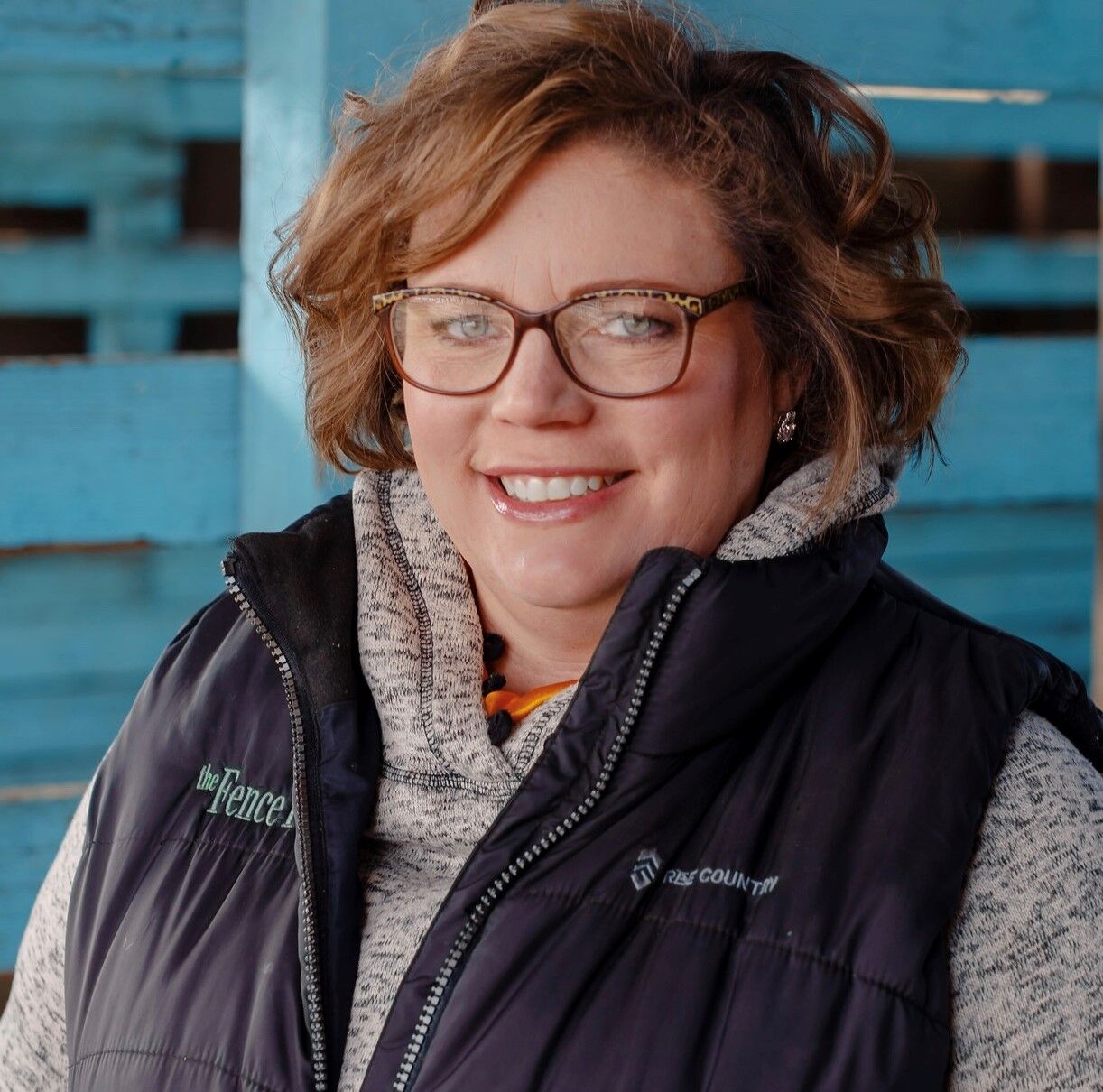
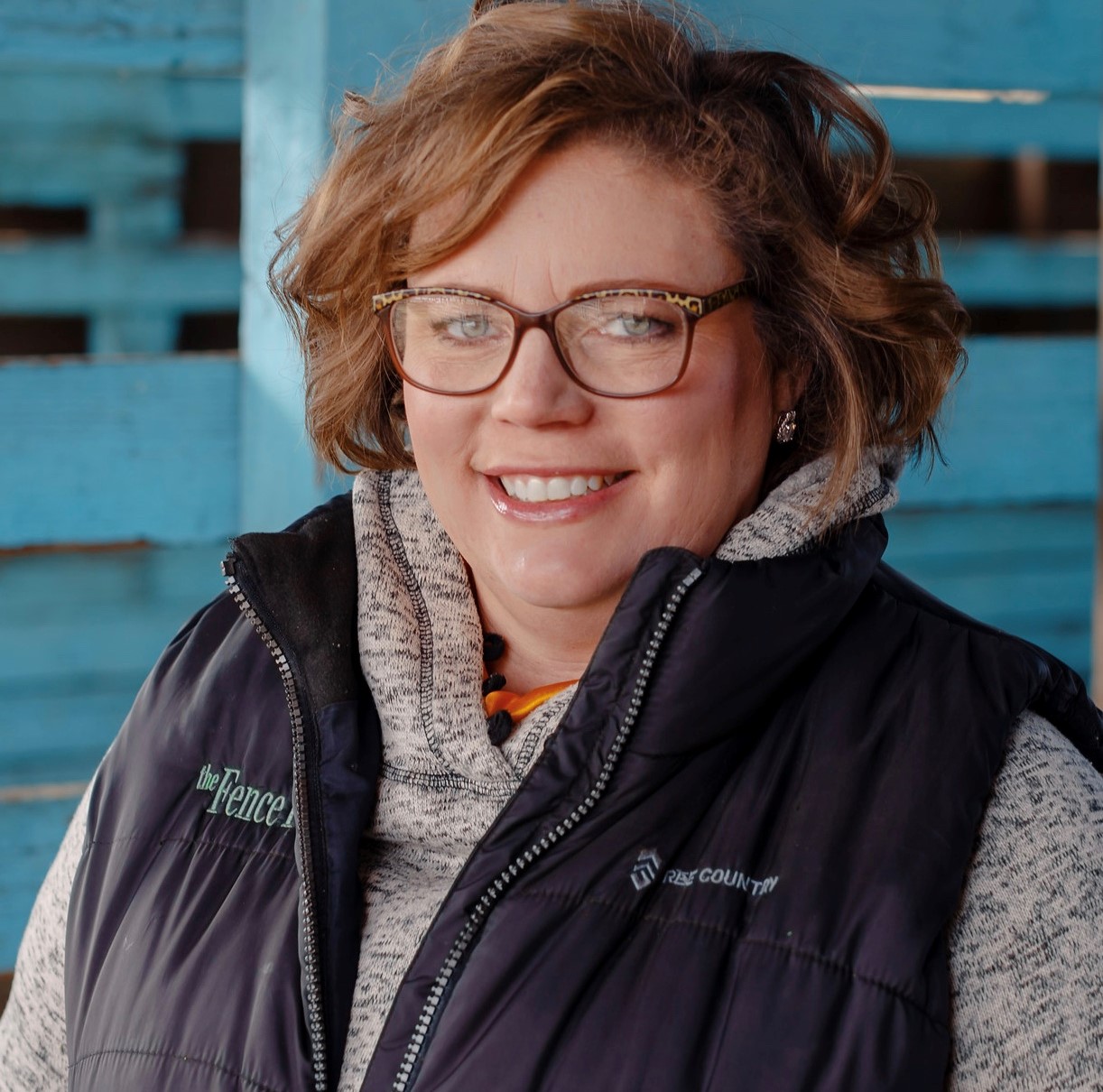
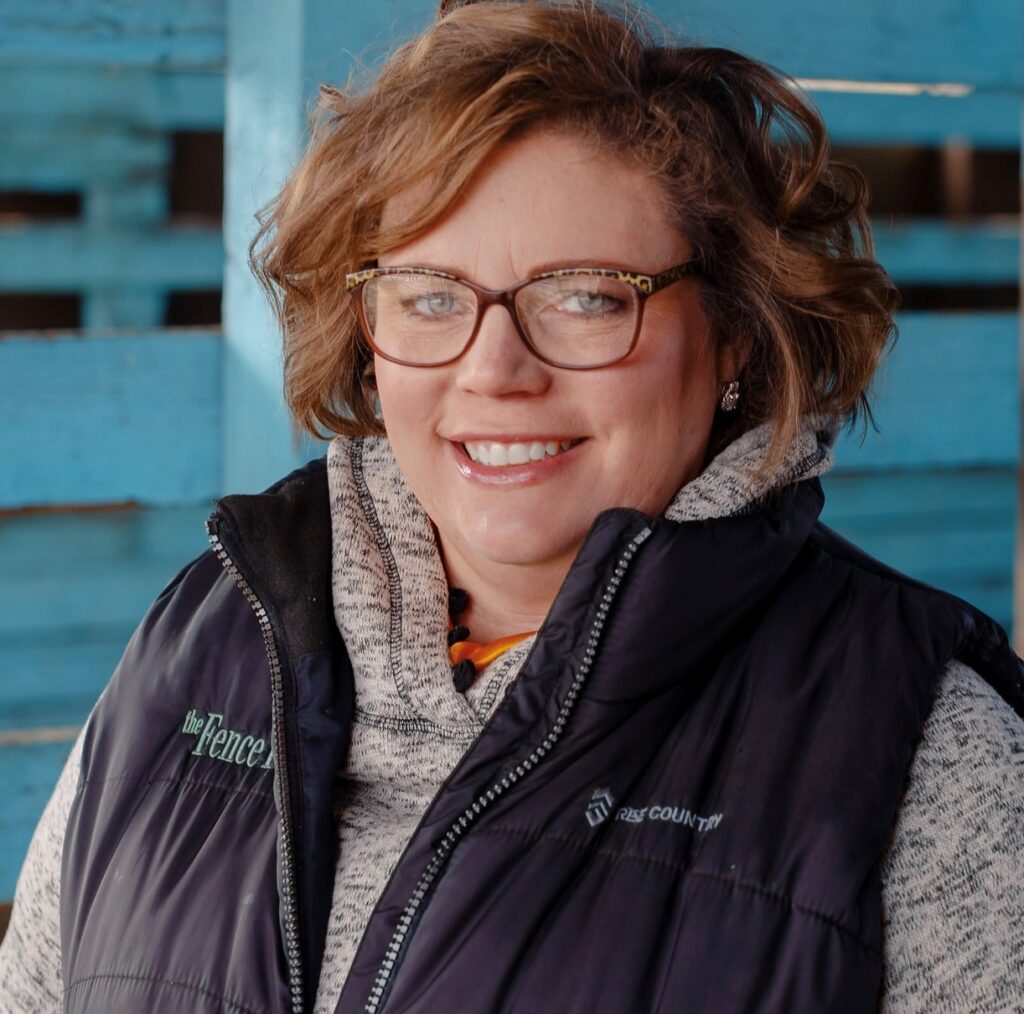
Rachel Gabel writes about agriculture and rural issues. She is assistant editor of The Fence Post Magazine, the region’s preeminent agriculture publication. Gabel is a daughter of the state’s oil and gas industry and a member of one of the state’s 12,000 cattle-raising families, and she has authored children’s books used in hundreds of classrooms to teach students about agriculture.

Will one unqualified AG replace another? | George Brauchler
George Brauchler
george-brauchler@gazette.com
Updated 13 hours ago
Colorado Democrats are poised to nominate another attorney general candidate with de minimis relevant credentials or experience. Far from disqualifying, Colorado’s recent voting history mirrors that of America in favoring biography over experience, partisanship over policy, and emphasizing what divides...
Pueblo’s mayor keeps stirring the pot | Dennis Maes
Dennis Maes
dennis-maes@coloradopolitics.com
Updated 12 hours ago
Pueblo Mayor, Heather Graham, has clearly proven to be a disciple of the Donald Trump school of governance. And, like her mentor, she is experiencing the same catastrophic results. The format is to ignore what the electorate approved and expects...
The perils of Colorado’s unregulated abortions | GUEST COLUMN
Colorado Politics
colorado-politics@coloradopolitics.com
Updated 12 hours ago
By Tom Perille How did the movement which grew out of a genuine concern for the health and safety of women become the same movement that undermines women’s health and safety today? Despite good intentions, it was a long route...
Sans seniors, what does Colorado’s uninterested early turnout say about our disengaged electorate? | Paula Noonan
Paula Noonan
paula-noonan@coloradopolitics.com
Updated 2 days ago
This primary election is poorly attended. Evidence is in the numbers. About 10% of active registered voters are deciding this year’s primaries with seven days to go. If that number triples by June 30, only 30% of voters will decide...
Who gets to decide Colorado’s economic future? | GUEST COLUMN
Colorado Politics
colorado-politics@coloradopolitics.com
Updated 2 days ago
By Sarah Blackhurst Colorado’s prosperity depends on industries that grow our food, build our future and power our homes. But today, these sectors face an invisible threat from 5,000 miles away: the European Union’s Corporate Sustainability Due Diligence Directive (CS3D)....

We have the chance to change Colorado’s cancer outcomes | PODIUM
Colorado Politics
colorado-politics@coloradopolitics.com
Updated 2 days ago
By Erika Hanson Brown Colorado ranks among the healthiest states in the nation by nearly every measure. Yet even here — amid the Rocky Mountains and our deeply rooted culture of health and activity — cancer casts a long and...

Colorado has a playbook for youth mental health — our next governor must use it | GUEST COLUMN
Colorado Politics
colorado-politics@coloradopolitics.com
Updated 3 days ago
By Karen Ron-Li Liaw From the rural communities on the western slope to the eastern plains, to the major urban regions on the Front Range, Colorado families are navigating an all-too-familiar crisis: kids are struggling, and Colorado’s mental health system...
Pigs engineered to fight alpha-gal syndrome | Rachel Gabel
Rachel Gabel
rachel-gabel@coloradopolitics.com
Updated 4 days ago
If I were an evil genius trying to hamstring animal agriculture, I would create a fly that eats livestock alive and a tick whose bite and spit causes some people to have an allergic reaction to meat. (Insert evil laugh...
Registered voters on the eve of the 2026 primaries | Cronin & Loevy
Tom Cronin Bob Loevy
tom-cronin-bob-loevy@coloradopolitics.com
Updated 6 days ago
The Colorado Secretary of State’s Office has published the latest voter registration figures for the state and its counties as of June. Colorado ranks among the highest states for independent, or unaffiliated, voters. Only Alaska and Massachusetts have more. New Hampshire, New Jersey, Maine and Oregon also rank highly. So here...

A room for Sundance, a reality check for big-government Boulder | Jon Caldara
Jon Caldara
jon-caldara@coloradopolitics.com
Updated 1 week ago
There are few things more satisfying to watch than socialists getting mugged by reality. The Sundance Film Festival is invading my hometown of Boulder early next year. Sundance drew 85,000 attendees last year in Park City, Utah. Boulder’s hotel room...
PREV
PREVIOUS

HUDSON | Jeffersonian vigilance for Ukraine, globe
Miller Hudson As Americans weigh our obligations to the brave Ukrainians battling in defense of their national independence, we should be reminded of the Cuban Missile Crisis which peaked 60 years ago this week. On Oct. 22, 1962, President John Kennedy addressed the nation to announce he was ordering a naval quarantine blocking the shipment […]

WADHAMS | Dubious ethics dog Colorado’s top electeds
Dick Wadhams An insidious strain of behavior seems to be running through Secretary of State Jena Griswold, Attorney General Phil Weiser and U.S. Sen. Michael Bennet and it isn’t a physical disease. Even beyond their failed public policies that have left us with rising violent crime, rampant homelessness, soaring inflation and fentanyl pouring across an […]