

Denver Gazette: Rethinking the West’s approach to water
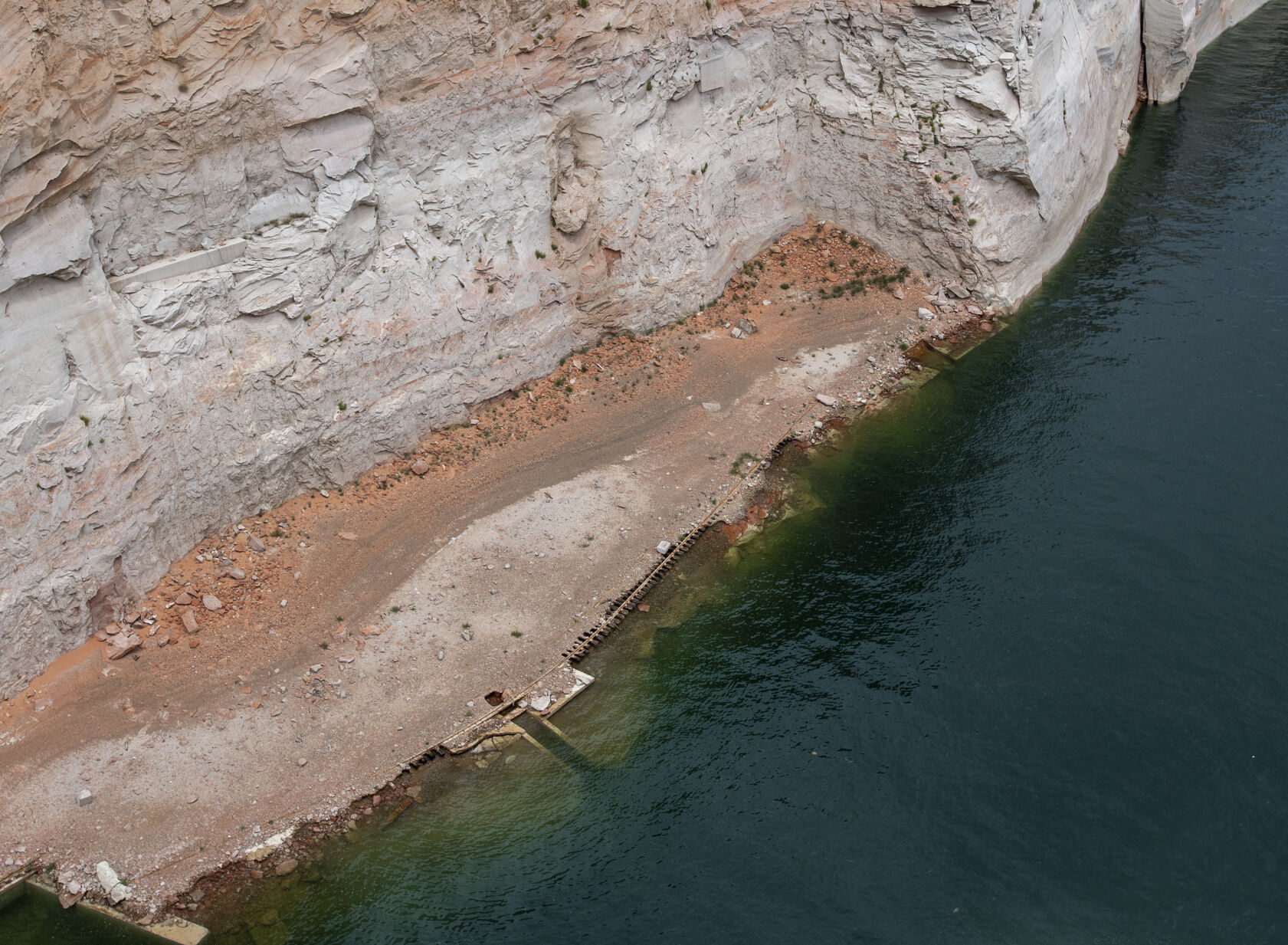
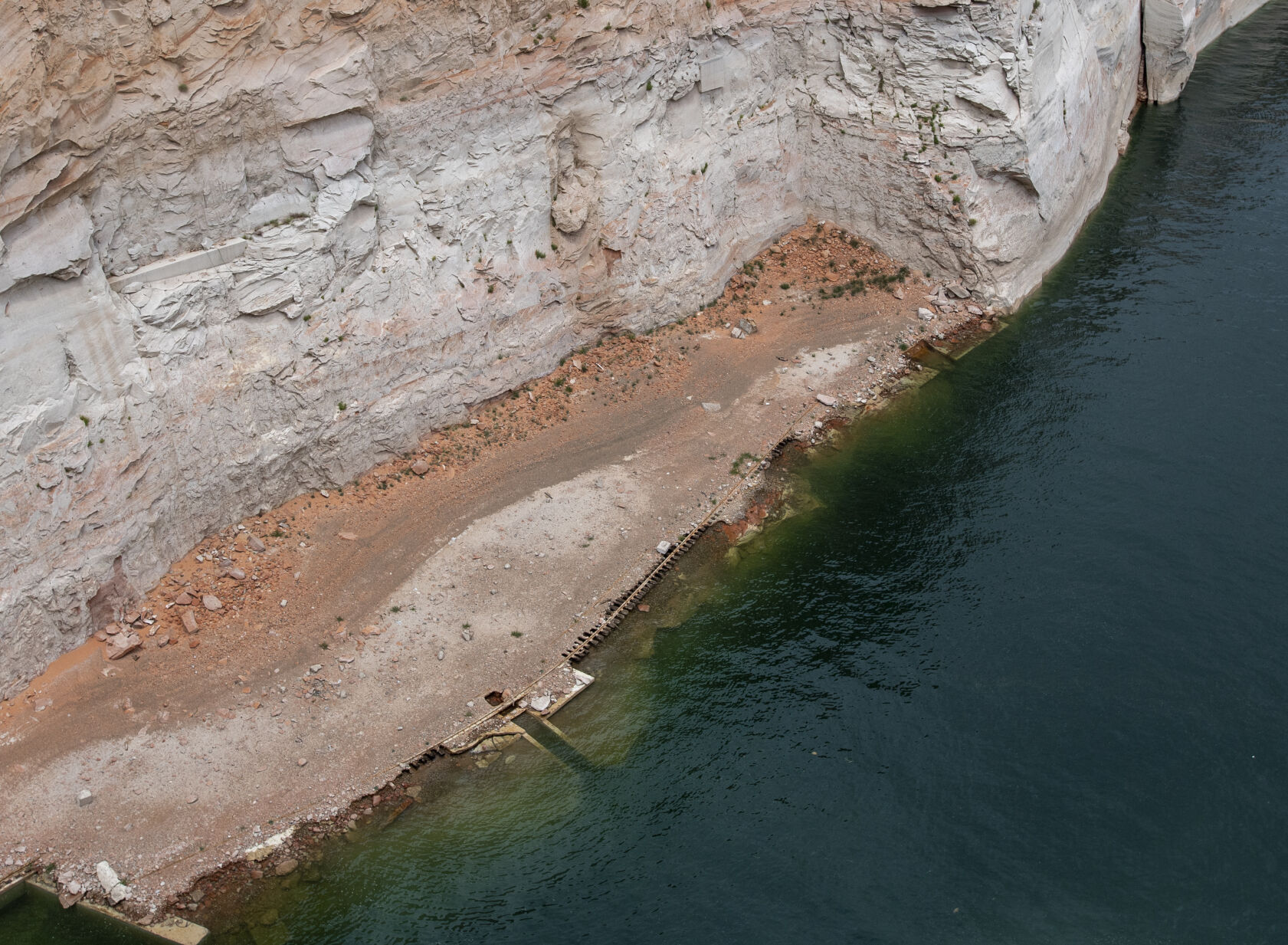
What if we started putting more water into the Colorado River basin instead of ratcheting down ever further how much is taken out of it? Increase supply, in other words, instead of futilely trying to curb demand.
As news reports continue to remind us, the Colorado River has been drawn down over the decades by exponential growth in lower-basin states – Arizona, California and Nevada. But rather than brainstorming only how we can limit use of the West’s most precious commodity, how about finding new sources of water to augment rivers like the Colorado?
Generations of conditioning by the environmental movement’s most ardent hand-wringers has left society thinking the only way to sustain scarce resources is to use less – no matter the cost to other human endeavors.
It’s a narrow view that ignores the scientific and technological breakthroughs, engineering innovations and economic developments that have either reversed scarcity or bypassed it over the ages, moving civilization ever upward and onward.
The naysayers are oblivious to it all – and have the upper hand on Western water policy.
As reported by our news affiliate Colorado Politics, the U.S. Bureau of Reclamation on Wednesday announced it will pay farmers in Arizona, Nevada and California to scale back their water use.
The newly created Lower Colorado River Basin System Conservation and Efficiency Program will pay farmers in those lower-basin states up to $400 for each acre-foot of water they don’t use. The program will be funded with part of the $4 billion allocated for Western drought relief by the Inflation Reduction Act.
Sounds like an inefficient way to save water – essentially, paying farmers not to irrigate and thus, to produce less. Granted, that approach isn’t new; it has been used by Congress and the U.S. Department of Agriculture for years to limit production and thus support higher prices for farmers. But paying them to produce even less with the roundabout aim of reducing water use seems like it at best will just spread the pain around.
Fortunately, some are rethinking all this.
In a published commentary for The Gazette, water and energy consultant Carmine Iadarola points to advancing technologies that allow the effective large-scale reuse of water.
“As a result of their own water crisis, Israel recycles and reuses nearly 90% of its water; Spain over 30%,” Iadarola writes. “By comparison, the U.S. reuses less than 10%. The technology to use and reuse water in a decentralized system already exists as proven by countries all over the world and is now being adopted by various cities in the U.S.”
Meanwhile, Arizona’s state government is laying plans with Mexico for a jointly developed desalination plant that would turn seawater into fresh water along the Arizona-Mexico border, where the Colorado River empties into the Sea of Cortez. This year, Arizona Gov. Doug Ducey announced he would work with his state’s Legislature to provide $1 billion to “secure Arizona’s water future for the next 100 years” through the desalination project.
That new freshwater source could help replace water that rapidly growing Arizona is drawing from the lower Colorado basin. Which would leave more water back upstream in Colorado.
It’s nowhere near fruition, of course, but it and other innovations – much more so than backward-thinking, ever-more-stringent-and-costly conservation measures – will assure the sustainability of the West’s water supply into the future.
Denver Gazette Editorial Board


Set appropriate state guidelines for critical surveillance technology | OPINION
Colorado Politics
colorado-politics@coloradopolitics.com
Updated 3 hours ago
I admit it: I’m worried. I’m hearing a lot about surveillance in the public arena. I hear cameras are capturing my car’s license plate wherever I drive, my face as I go in and out of stores and health facilities,...

Puppy trafficking bill promotes inhumane breeding | OPINION
Colorado Politics
colorado-politics@coloradopolitics.com
Updated 2 hours ago
By Patti Strand When Justice Thurgood Marshall wrote “The Constitution does not prohibit legislatures from enacting stupid laws,” he wasn’t wrong. He was referring to a political process sometimes ill-equipped to deal with complex issues that require subject-matter knowledge and a...
Penny wise but foolish by pounds | Paula Noonan
Paula Noonan
paula-noonan@coloradopolitics.com
Updated 13 hours ago
Leadership of Colorado’s General Assembly introduced the Fiscal Year 2026-2027 Legislative Appropriation bill, HB26-1333, at $75.72 million. That will be the budget to run the state legislature next year. About $74 million comes out of the general fund and the...

Proposed evictions bill fails to improve housing stability while threatening higher rents | OPINION
Colorado Politics
colorado-politics@coloradopolitics.com
Updated 1 day ago
No landlord wants to evict a tenant for non-payment of rent. That is true for large housing providers, small “mom-and-pop” owners and nonprofit housing rental providers alike. Evictions are financially and emotionally costly for everyone involved. But when rent goes unpaid, eviction...

Prevention works — invest in conflict prevention with wolves | FEEDBACK
Colorado Politics
colorado-politics@coloradopolitics.com
Updated 15 hours ago
The recent reporting on Colorado’s wolf depredation payouts exceeding $700,000 highlights a critical problem with the current approach to wolf recovery: current mainstream systems focus on compensation and ineffective reactive non-lethals. These systems are not designed to prevent conflict but attempts...
Colorado’s clean-energy future must be affordable for older adults | PODIUM
Colorado Politics
colorado-politics@coloradopolitics.com
Updated 13 hours ago
By Jason DeaBueno Last winter, one of the older adults we serve at Silver Key shared something that has stayed with me. She begun turning her heat down at night — not because she wanted to, but because she was...
Why Denver should care about conservation easements — even if you’ve never set foot on a ranch | OPINION
Colorado Politics
colorado-politics@coloradopolitics.com
Updated 2 days ago
By Jason Swann I live in Denver. I drink tap water from my kitchen sink, hike close to home when I can, worry about wildfire smoke every summer, and try, like many families, to keep up with the rising cost...
Could it be the end of hunting as we’ve always known it in Colorado? | FEEDBACK
Colorado Politics
colorado-politics@coloradopolitics.com
Updated 1 day ago
By Eric Washburn Recently, the Colorado Parks and Wildlife (CPW) Commission voted to ban the commercial sale of fur and reject CPW’s proposed daily bag limits of 15 per day per person (450 per person per month!!) for harvesting 17...
Want to talk to the Colorado legislature? Be nice | Hal Bidlack
Hal Bidlack
hal-bidlack@coloradopolitics.com
Updated 3 days ago
As I peruse Colorado Politics each week, in search of a topic upon which I can wax philosophic, I sometimes come across stories that seem, frankly, to be quite dull or even unimportant upon first glance. But when I dig...

Constituents still message DC — but are our reps even listening? | Miller Hudson
Miller Hudson
miller-hudson@coloradopolitics.com
Updated 13 hours ago
Each time I visit the nation’s capital, it feels a bit like a homecoming — not that I would ever wish to return as a resident. Yet, I did grow up outside the city in Montgomery County, Maryland from 1956...
PREV
PREVIOUS

NOONAN | One of these women must be state House speaker
Paula Noonan Democrat Chris Kennedy has put his name in for speaker of the House for the 2023 General Assembly. This is not the time for another man to get that job. Our state has enough men running things, including the governor, state Senate president and all statewide offices except secretary of state. Move over, […]

Grand Junction Daily Sentinel: The leader we need on water
The race for attorney general is always an important one, but with the negotiations around the Colorado River Compact set to heat up in the next few years, this role is more important than ever. We need someone in our corner who is cut like a diamond on water law. We are lucky as a […]