

Rights of mentally ill defendants under scrutiny of state Supreme Court

A combination of factors made the case of Ari Misha Liggett unusual, including the crime for which he was convicted: poisoning and dismembering his mother in October 2012.
But Liggett is now trying to convince the Colorado Supreme Court the criminal prosecution against him has broader implications for whether mentally ill defendants have a right to present their full story to a jury without also giving up other constitutional protections.
“The court must ask itself whether different rules apply because a mental health defense is at issue,” attorney Eric A. Samler argued to the justices on Tuesday.
Liggett pleaded not guilty by reason of insanity for the murder of his mother, Beverly Liggett, in Arapahoe County. However, Liggett did not introduce direct evidence of his mental illness at trial. District Court Judge Michelle Amico had ruled that if Liggett did so, the prosecution would be permitted to call an expert to testify about Liggett’s statements to police – statements that were otherwise barred from trial because officers failed to honor Liggett’s Miranda rights in their interrogation.
The Supreme Court has agreed to examine whether Amico’s allowance of improperly-obtained police statements should have been limited to the far narrower purpose of exposing inconsistencies in Liggett’s story, rather than imposing a blanket deterrent to Liggett’s defense. In considering that question, some members of the court grappled with the unique nature of an insanity plea.
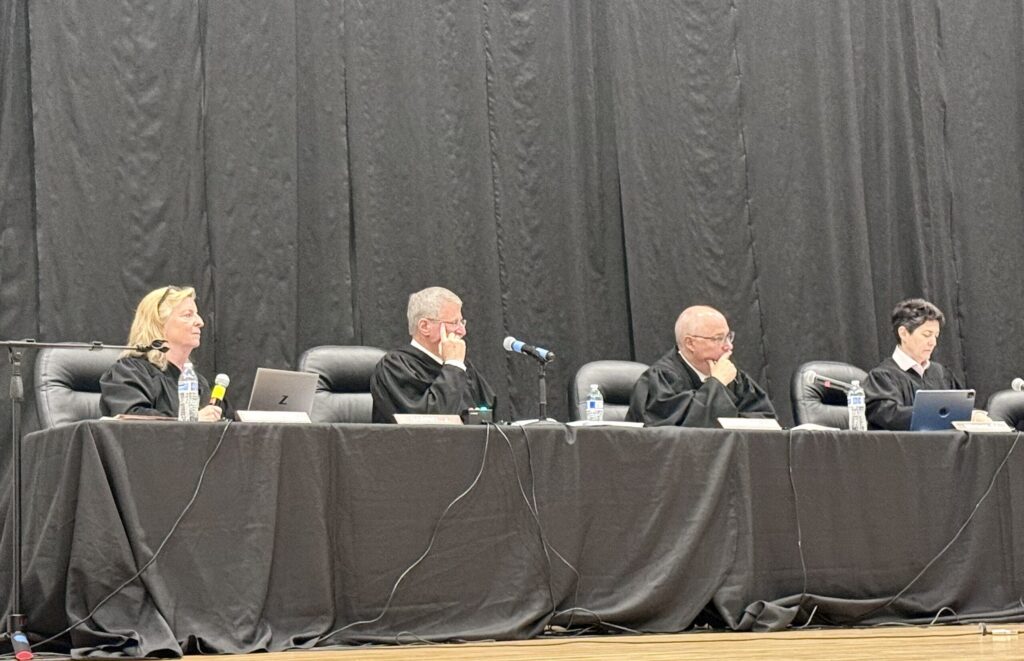
“Once you assert a mental status defense, it sort of feels like it’s cards-on-the-table time,” observed Justice William W. Hood III. “Why isn’t the decision to introduce a mental status defense – that naturally brings about the consequence of the cards being on the table?”
Liggett had been receiving psychiatric care since age three, but he allegedly continued to behave in ways that were not grounded in reality. His lawyers alleged he was “going downhill drastically” by September 2012.
The following month, after police arrested him for his mother’s disappearance and death, Liggett immediately told officers he was insane and that he did not know “right from wrong.” Once in custody, Liggett asked for a public defender, but his interrogators refused to call one. The Supreme Court in 2014 determined that even though Liggett’s interrogators acted coercively, his subsequent statements to police were still voluntary.
By that point, psychiatrist Hal Wortzel had already evaluated Liggett’s competency and based his opinions in part on Liggett’s now-suppressed statements to police. Following the Supreme Court’s findings, Amico decided to exclude Liggett’s comments from the main prosecution because police obtained them without honoring Liggett’s Miranda rights. At the same time, she ruled that if Liggett presented evidence of his mental condition, the prosecution could then call Wortzel as a witness and use the suppressed statements as a rebuttal.
Although Liggett’s lawyer at trial indicated 12 witnesses were prepared to testify about Liggett’s mental illness, the defense did not call them because of the threat of prosecutors revealing details of Liggett’s interrogation.
Samler noted on appeal that suppressed evidence tends to be the strongest evidence for the prosecution. Expanding its use from simply impeaching – or questioning the credibility of – Liggett’s explanations to more broadly attack his defense puts people who plead insanity at a disadvantage, he said.
If police know they can violate a suspect’s Miranda rights but a jury will still hear the person’s statements, “they will lack any incentive to scrupulously honor Miranda’s requirements when they confront a person who appears to have mental illness,” Samler argued.
Last year, the state’s Court of Appeals decided the use of Liggett’s police statements as rebuttal evidence was proper, and declined to overturn Liggett’s conviction. The appeals court also considered another of Liggett’s claims – that a state law waiving confidentiality between an allegedly insane defendant and any “physician or psychologist” applied only to physicians or psychologists.
“Surely, examining physicians and psychologists would want and need to consider information communicated to nurses and other persons,” wrote Judge James S. Casebolt in rejecting Liggett’s literal reading of the law.
At the Supreme Court, Liggett argued he deserved a new trial with different prosecutors if the law did not, in fact, apply to medical professionals other than doctors. Otherwise, the district attorney’s office improperly received his medical records and “essentially obtained a road map of how to defeat Mr. Liggett’s defense,” Samler told the Supreme Court.
The Colorado Attorney General’s Office countered that physicians and psychologists do not work alone, and the Court of Appeals properly recognized patients communicate with other medical personnel during their treatment. It also argued that allowing Liggett’s suppressed statements to be used against the defense more broadly helped with the “truth-seeking process” of a criminal trial.
Members of the Supreme Court at times struggled to understand the unconventional sequence of events in Liggett’s trial. Hood asked if there were any other cases involving a Miranda rights violation in conjunction with an insanity defense. Samler indicated he had not found one.
Justice Richard L. Gabriel was concerned about the clear implication of the trial judge’s ruling – that Liggett’s suppressed statements could be raised even if they were entirely consistent with what the jury heard at trial about Liggett’s mental illness.
“I think your answer is you still get to call Wortzel to testify about that,” Gabriel said to the attorney general’s representative. “And my question is why?”
The case is Liggett v. People.


Parole, appeals deadlines and restitution: Colorado justices accept cases
Michael Karlik
michael.karlik@coloradopolitics.com
Updated 7 hours ago
The Colorado Supreme Court announced on Monday that it will determine how a defendant’s parole-eligibility date should be calculated in instances where a new trial results in a sentence being imposed retroactively to the date of the original, since-overturned sentence....
Federal judge rejects DOJ bid to force Colorado to hand over voter information
Marissa Ventrelli
marissa.ventrelli@coloradopolitics.com
Updated 11 hours ago
A U.S. district court judge has dismissed a lawsuit filed by the U.S. Department of Justice against Colorado Secretary of State Jena Griswold for refusing to provide the agency with personal voter information. Last December, the DOJ’s Civil Rights Division asked...
3 Colorado judges receive unfavorable retention recommendation as one performance commission violates rules
Michael Karlik
michael.karlik@coloradopolitics.com
Updated 15 hours ago
Of the 123 Colorado judges standing for retention on the November ballot, citizen-led performance commissions found that three did not meet the required performance standards. However, in an unprecedented move, the commission charged with evaluating Supreme Court and Court of...

10th Circuit weighs Gross Reservoir expansion, judge’s ‘punishment’ of Denver Water
Michael Karlik
michael.karlik@coloradopolitics.com
Updated 1 day ago
Members of the Denver-based federal appeals court considered on Friday whether they could intervene in an ongoing infrastructure project to enlarge a Boulder County dam after a trial judge deemed the underlying permit unlawful nearly two years ago. Denver Water...

10th Circuit upholds federal prohibition on juvenile handgun possession
Michael Karlik
michael.karlik@coloradopolitics.com
Updated 10 hours ago
The Denver-based federal appeals court concluded on Monday that Congress acted within its constitutional powers to make it a crime for juveniles to possess handguns in most instances. The decision from the U.S. Court of Appeals for the 10th Circuit...

Senate advances judicial nominee, Montezuma County judge agrees to discipline | COURT CRAWL
Michael Karlik
michael.karlik@coloradopolitics.com
Updated 2 days ago
Welcome to Court Crawl, Colorado Politics’ roundup of news from the third branch of government. A U.S. Senate committee advanced a judicial nominee from Colorado, plus a Montezuma County judge agreed to receive discipline for his misconduct that stops short...
Judge denies Calderon injunction case against Denver, Johnston
Deborah Grigsby
deborah.smith@denvergazette.com
Updated 2 days ago
A U.S. District Court judge has denied a preliminary injunction in the case of Jessica Calderon, the Denver city employee who won a temporary restraining order preventing the City and County of Denver from terminating her amid the 2025 citywide...
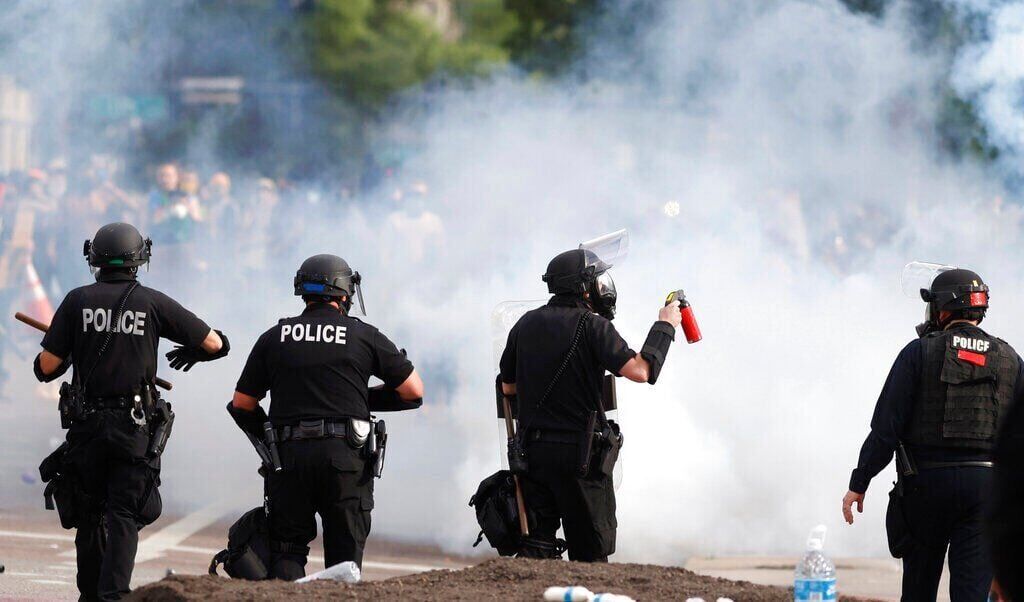
10th Circuit partially revives lawsuit over 2020 Denver protest injuries
Michael Karlik
michael.karlik@coloradopolitics.com
Updated 3 days ago
The Colorado-based federal appeals court revived a man’s claims against Denver on Friday after concluding a trial judge resolved the case in the city’s favor without analyzing two of the three instances of alleged excessive force and other constitutional violations....
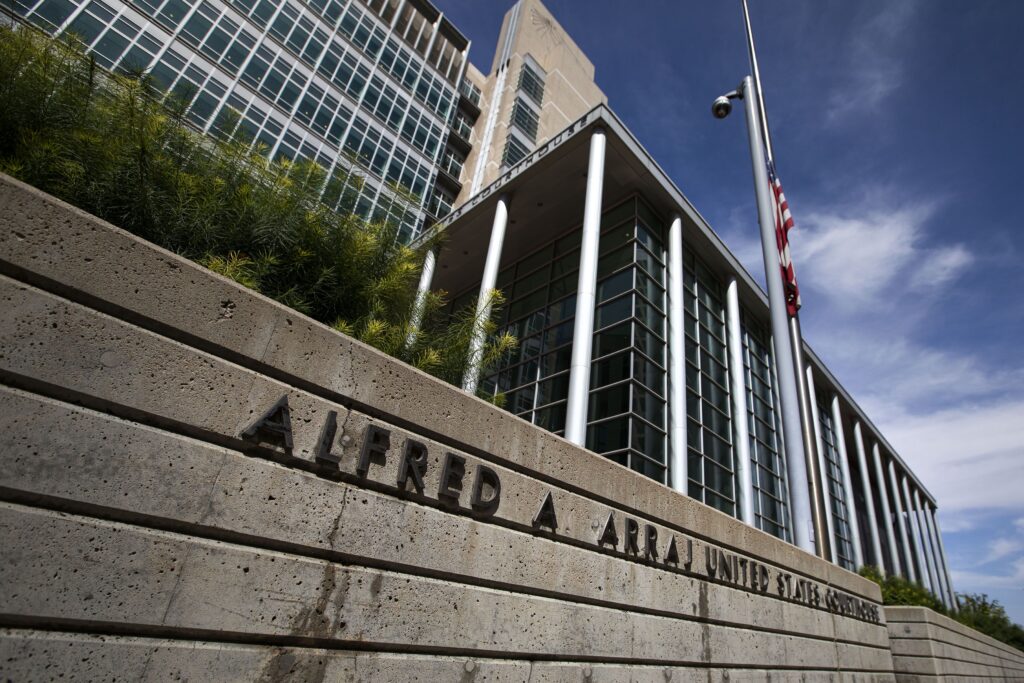
Federal judges find Colorado immigration judge violated several orders
Michael Karlik
michael.karlik@coloradopolitics.com
Updated 3 days ago
Multiple federal judges in Colorado have freed people from immigration custody after determining that one immigration judge violated their directives for properly conducting bond hearings. For nearly a year, Colorado’s U.S. District Court has faced a flood of habeas corpus petitions...
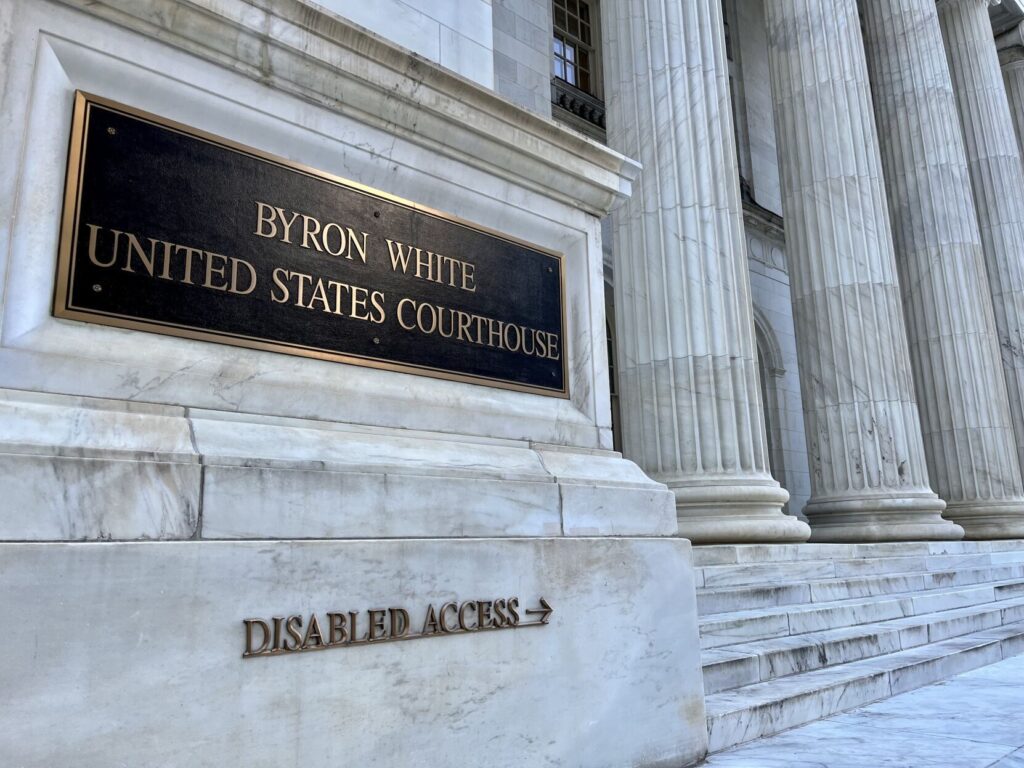
Misconduct complaints from ex-Colorado judicial discipline director dismissed against federal judges
Michael Karlik
michael.karlik@coloradopolitics.com
Updated 5 days ago
The administrative body for the Denver-based federal appeals court upheld a finding last week that misconduct complaints against Colorado’s chief federal trial judge and the chief appeals judge warranted dismissal and appeared to be a “litigation tactic” by the complaining...
PREV
PREVIOUS
DOJ requests appeal after judge rules felony indictment can't prevent gun purchases
The Justice Department plans to appeal a Texas judge’s ruling that a federal law blocking people under felony indictment from purchasing firearms is unconstitutional in light of the Supreme Court‘s latest gun-related ruling. U.S. District Judge David Counts found that the law’s prohibitions did not correlate with the Supreme Court’s June decision in New York […]

District attorney to move forward on Sen. Pete Lee indictment
The Fourth Judicial District intends to move forward on a felony charge filed against state Sen. Pete Lee, despite District Attorney Michael Allen’s office acknowledging it presented incorrect information to a grand jury. Allen’s office in a tweet Wednesday said despite receiving an update on a key part of information cited by prosecutors, “the evidence continues […]