

Voters don’t care how old a politician is, CU study finds
Does a politician’s age matter to voters?
Not really, a new study from the University of Colorado Boulder found.
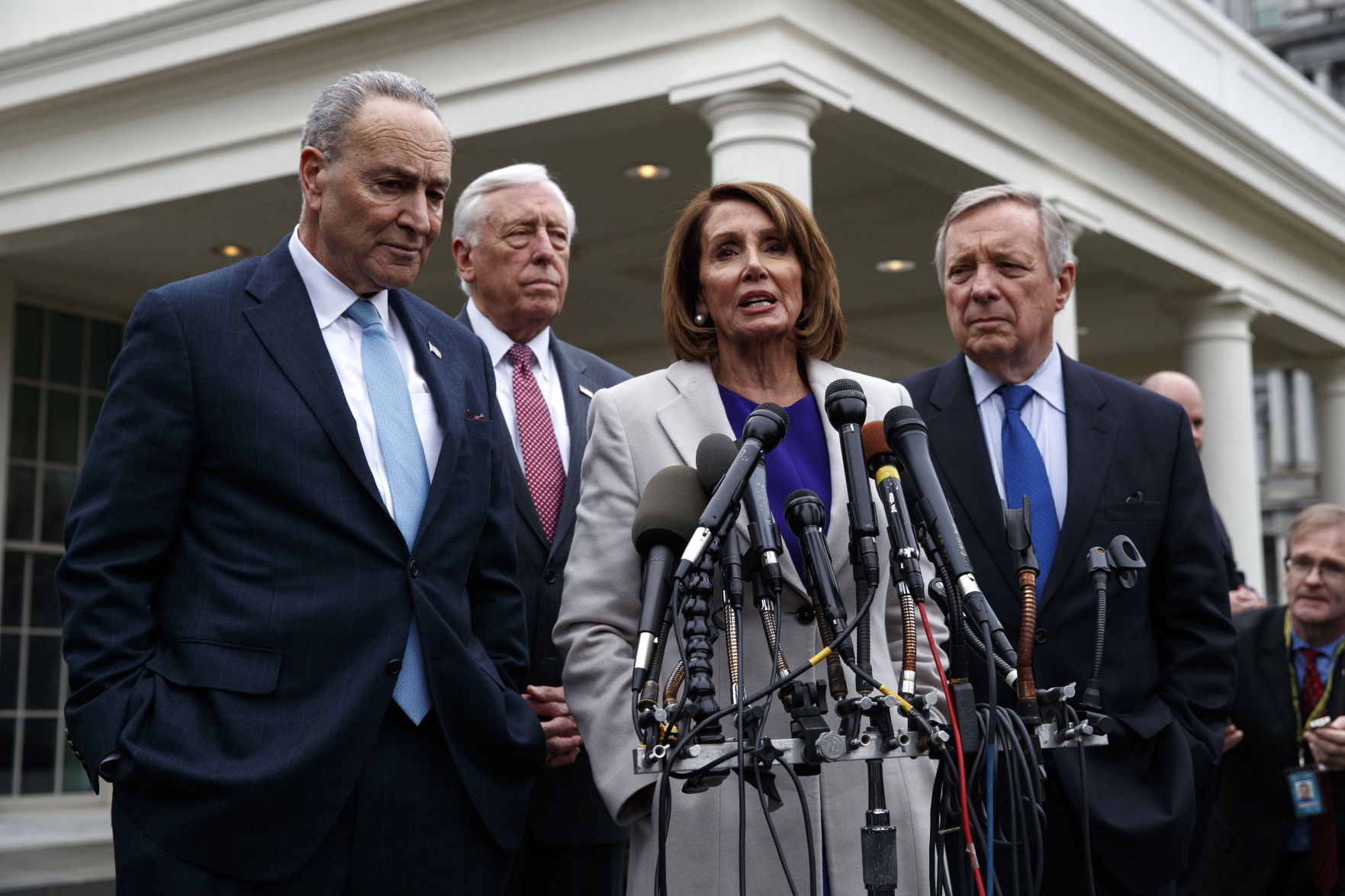
Damon C. Roberts, a doctoral candidate at CU, noticed that many of the country’s political leaders had been getting senior citizen discounts for years — Speaker of the House Nancy Pelosi is 82, Senate Minority Leader Mitch McConnell is 80, and President Joe Biden is 79. Roberts and Jennifer Wolak, a political science professor at Michigan State University, asked: How does agism impact ballots on Election Day?
“We had been wanting to study underrepresentation of demographics in politics and knew that age had not been studied as much as race or gender,” he said.
He and Wolak looked at datasets tracking the attitudes of American voters in congressional districts around the country from 2006 to 2020.
Young voters do hold a slight bias against older politicians, the research team found. Eighteen-year-olds generally approve of the job performance of their roughly 30-year-old representatives about 60% of the time, but only 54% of the time when representatives reach 80.
Researchers also found that people tend to see younger candidates as less experienced, less qualified and less conservative than older candidates.
To investigate whether this agism actually affects voter decisions, Roberts and Wolak ran a simulation with roughly 1,000 voters online. The voters were provided a vignette starring a hypothetical candidate running for state legislator. In some cases, the candidate was a 23-year-old politician. In others, the candidate was 50 or 77 years old. The respondents reported equal levels of support, regardless of the age of the fictional candidate.
“We found that there is penalization for age when politicians are representing voters in Congress. But once a party picks a candidate, voters will fall in line to support them regardless of age,” Roberts said.
Roberts believes that this is the result of political polarization and party support. Voters care more about putting their political party in office than the age of the candidates they are voting for.
Parties also put resources behind candidates they think are going to do better, which overrides the age biases of voters.
“If there is a younger (Alexandria Ocasio-Cortez) type candidate and an older candidate in a primary election, younger candidates are a lot more ideologically extreme on both sides. So the party often provides resources and support to people who have more experience, who tend to be older candidates,” Roberts said.
The study has implications for the future of Washington as the younger generation begins voting.
“I can see this becoming a bigger issue with climate change and mass shootings. We will see youth being much stronger advocates,” Roberts said.


Democrat Dwayne Romero jumps in primary to challenge Republican Jeff Hurd in Colorado’s 3rd CD
Ernest Luning
ernest.luning@coloradopolitics.com
Updated 3 hours ago
The Democrat who has been running for nearly a year to unseat Republican U.S. Rep. Jeff Hurd in Colorado’s 3rd Congressional District got some company in the primary this week. Dwayne Romero, a Snowmass Village business owner and decorated Army...

Colorado’s congressional redistricting proposal could flip three Republican House seats | ANALYSIS
Michael Braithwaite
michael.braithwaite@gazette.com
Updated 19 hours ago
A Democrat-backed proposal to redraw Colorado’s congressional map for the 2028 election could flip three Republican districts. The proposal, introduced by a group called Coloradans for a Level Playing Field, is yet another development in a national redistricting debate after...
Judge declines to block potential Boebert challenger from going through assembly process in Colorado’s 4th CD
Ernest Luning
ernest.luning@coloradopolitics.com
Updated 2 days ago
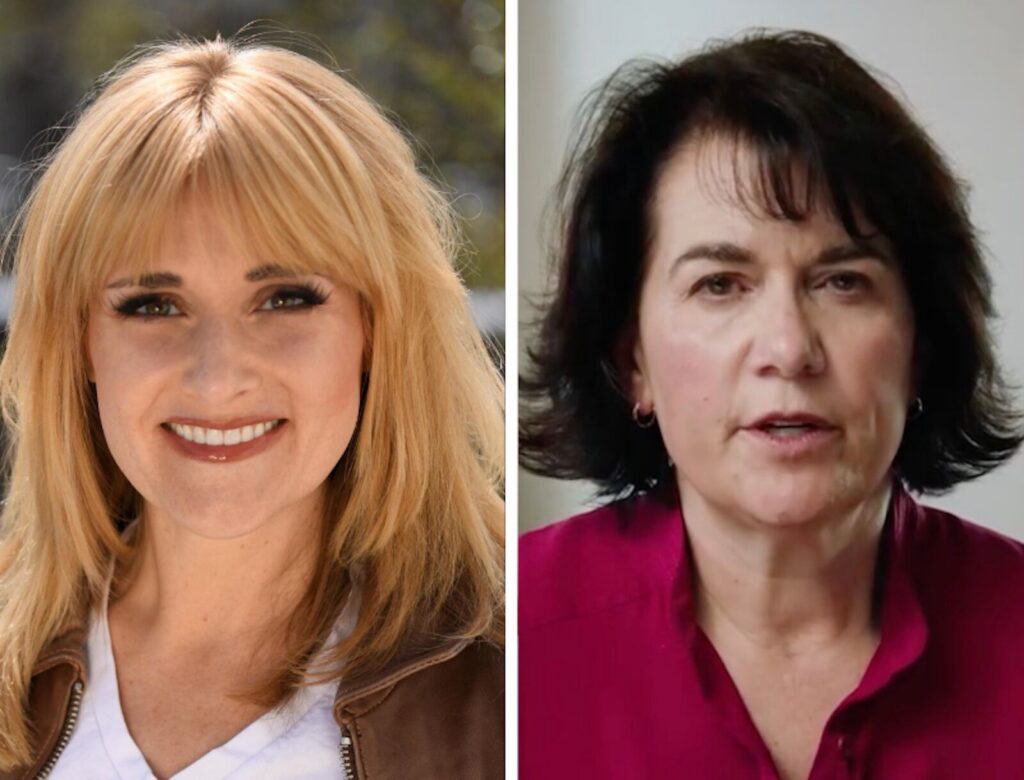
Congressional candidate Eileen Laubacher, one of the Democrats seeking to challenge Republican U.S. Rep. Lauren Boebert, can participate in the party’s caucuses and assemblies pending a court hearing later this month, a Denver judge ruled Tuesday in response to a...
Colorado Gov. Jared Polis ignites fierce debate after raising clemency questions in Tina Peters case
Marianne Goodland
marianne.goodland@coloradopolitics.com
Updated 2 days ago
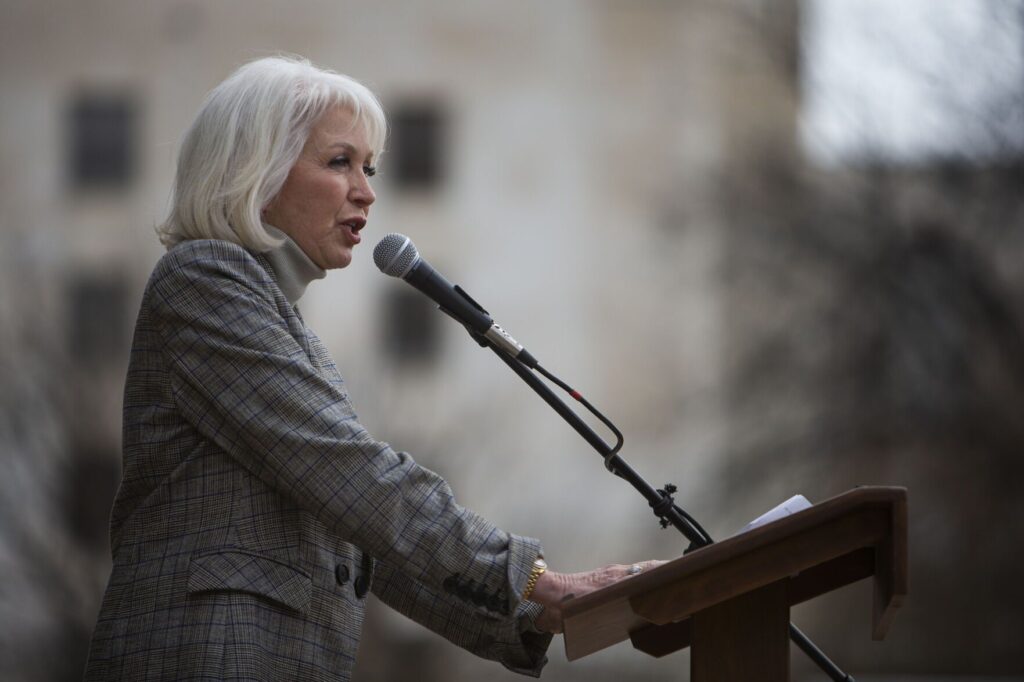
Gov. Jared Polis ignited a political firestorm Tuesday night after weighing in on the prison sentences of two former Colorado officials — a Democrat and a Republican — convicted of attempting to influence a public servant. The comments quickly fueled...
Bills on ballot access, dual office ban move swiftly through Colorado legislature
Marianne Goodland
marianne.goodland@coloradopolitics.com
Updated 2 days ago
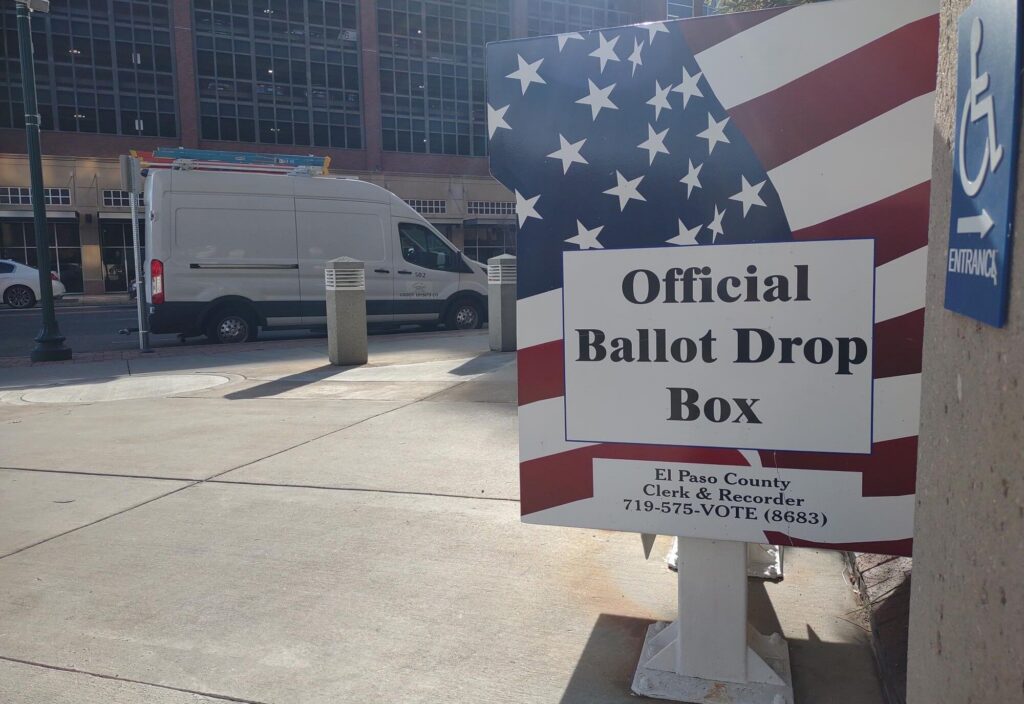
With an eye on the 2026 election cycle and mounting tensions with the Trump administration, Colorado lawmakers are fast-tracking a pair of election bills they say will protect the state’s mail ballot system and tighten rules for elected officials. The...
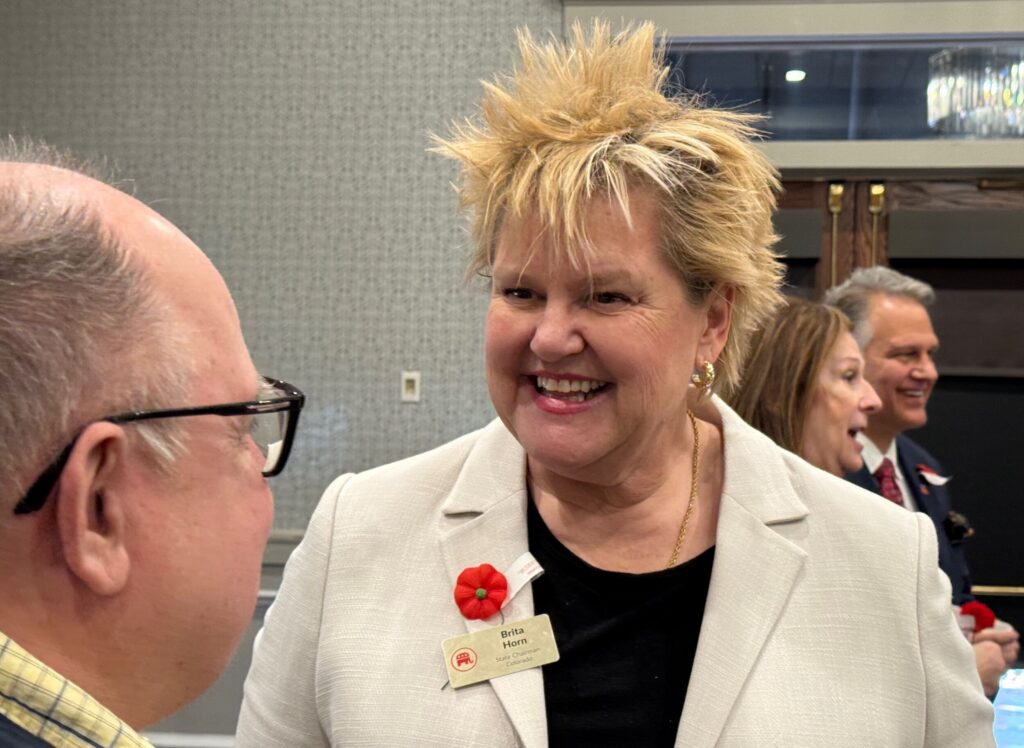
Colorado GOP chair Brita Horn loses ‘no-confidence’ vote, vows to refocus on ‘mending that divide’
Ernest Luning
ernest.luning@coloradopolitics.com
Updated 2 days ago
The Colorado Republican Party’s state central committee approved a resolution expressing “no confidence” in state chair Brita Horn in a landslide late Monday night near the end of an online meeting marked by rancor and confusion. Almost 80% of the...
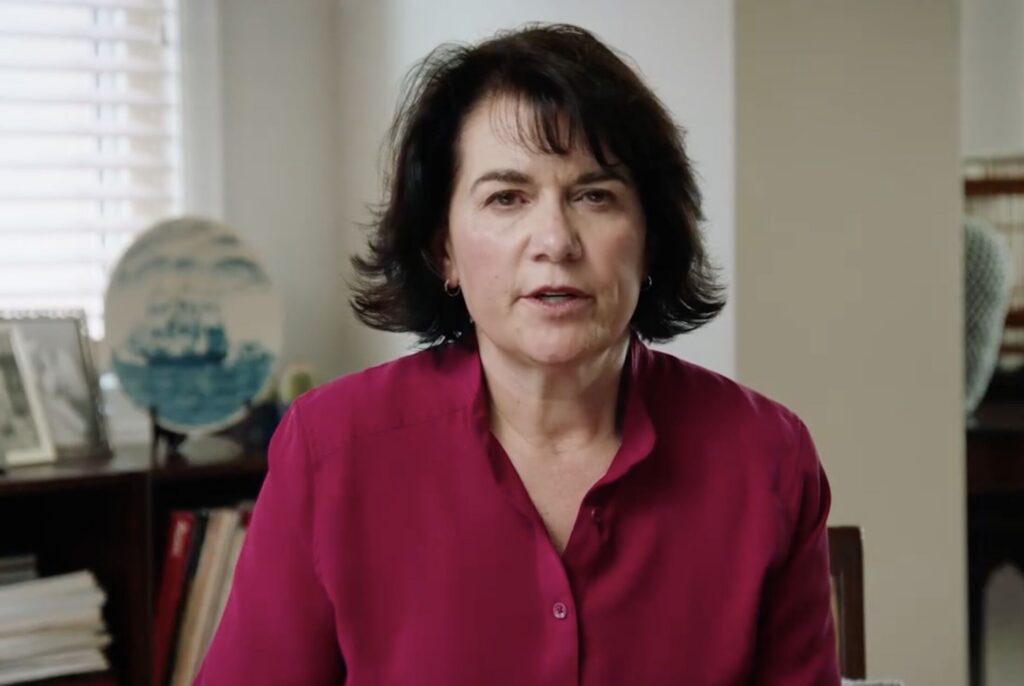
Primary rival sues to prevent Democrat Eileen Laubacher from going through assembly in Colorado’s 4th CD
Ernest Luning
ernest.luning@coloradopolitics.com
Updated 3 days ago
Democratic congressional candidate Trish Calvarese on Monday asked a judge to prevent one of her primary rivals, Eileen Laubacher, from participating in the caucus and assembly process to seek the nomination to challenge Republican U.S. Rep. Lauren Boebert in Colorado’s...
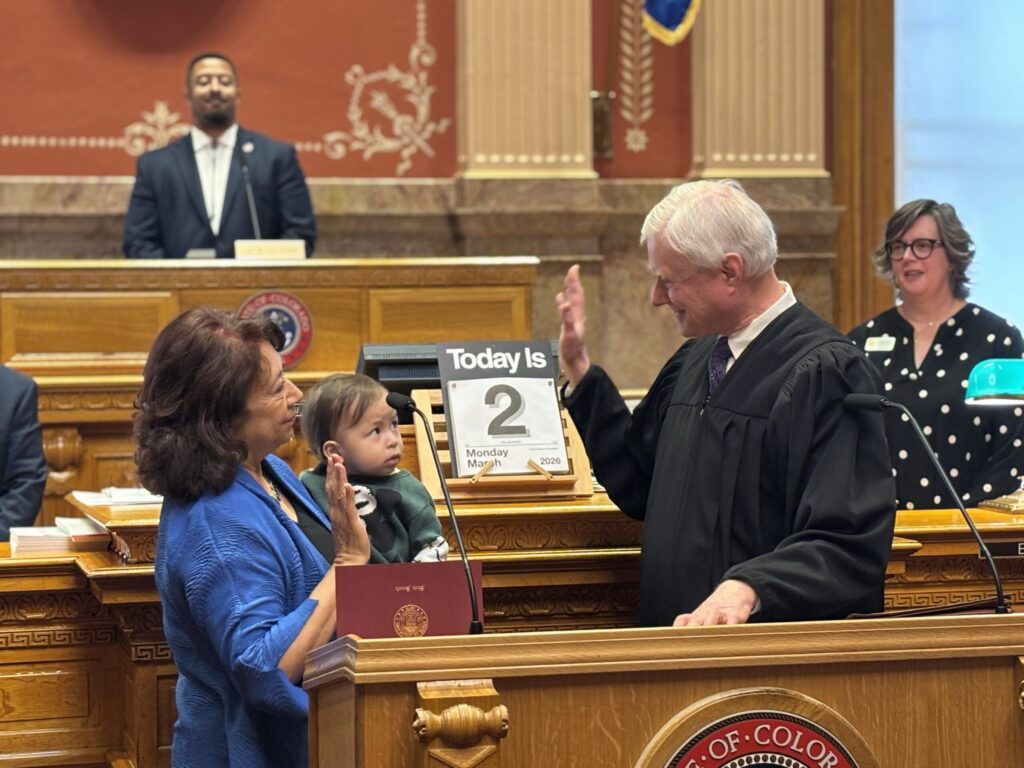
Colorado Senate swears in Adrienne Benavidez after district vacancy win
Marianne Goodland
marianne.goodland@coloradopolitics.com
Updated 4 days ago
Sen. Adrienne Benavidez, a Democrat from Adams County, was sworn in Monday to the Colorado Senate, just four days after winning a vacancy election in District 21. She was sworn in by Colorado Court of Appeals Justice Lino S. Lipinsky...

Democrat Michael Bennet turns in petitions for Colorado’s gubernatorial primary, plans to skip caucuses
Ernest Luning
ernest.luning@coloradopolitics.com
Updated 5 days ago
U.S. Sen. Michael Bennet, a Democratic candidate for governor, submitted nominating petitions for Colorado’s June primary ballot on Friday, his campaign and the Colorado Secretary of State’s Office said. Bennet plans to rely on his petitions to get on the...
Former House member picked to fill Senate vacancy in Colorado
Marianne Goodland
marianne.goodland@coloradopolitics.com
Updated 5 days ago
A vacancy committee on Thursday night chose a former House legislator to replace former Sen. Dafna Michaelson Jenet, who resigned on Feb. 13 to become the director of the David and Laura Merage Foundation for Combating Antisemitism. Adrienne Benavidez —...
PREV
PREVIOUS

Republican voters had highest turnout in Colorado primary election
Despite being the minority in Colorado, Republicans made up the plurality of voters in the June primary election and had the highest voter turnout of any party. Of the 3.79 million active registered voters in Colorado, only around 957,000 are Republicans, compared to more than 1,069,000 Democrats and nearly 1,647,000 unaffiliated voters. However, 34.5% of […]

Arapahoe County installing drop box at county fairgrounds
This November, voters will be able to drop off their ballots any time of day at the Arapahoe County Fairgrounds in Aurora. The Arapahoe County Clerk and Recorder’s office announced on Thursday that it is relocating a 24-hour drop box from the Aurora Motor Vehicle branch office near Chambers Road and 6th Avenue to the […]