

Wet July highlighted by record rainfall in Colorado Springs, not indicative of future change

July has been as good a testament to the unpredictable nature of Colorado weather as ever.
Just under 4 inches of precipitation has fallen on Colorado Springs this month, with the official total at 3.98 inches as of Wednesday. A record-tying 1.66 inches of precipitation fell at the Colorado Springs Airport Tuesday, according to the National Weather Service.
Some parts of Colorado Springs saw close to 3 inches of rain, according to National Weather Service meteorologist Stephen Rodriguez. Pueblo also saw high precipitation totals, with 2 to 3 inches falling across Pueblo and Pueblo West, Rodriguez said.
The 1.66 inches matches the measurement recorded at the airport July 26, 2017, part of a July in which 6.23 inches of precipitation fell, the third-highest July total in recorded history for the city and the 10th-highest total across all months.
For context, in the past five years, July 2021 saw 3.26 inches of rain, 2020 saw 1.53 inches, 2019, 1.40 inches, and 2018, 4.46 inches.
2022’s rain total so far ranks on the higher end in recent history, especially given the La Niña pattern that calls for a drier climate. While the moisture may be welcome, it doesn’t signify a change in the overall climate, Rodriguez said.
According to Rodriguez, the rain will stay for the next several days and while it is here, help with drought conditions across southern Colorado. However, looking at one-month and three-month models, Colorado Springs probably will return to a climate with lower-than-normal precipitation.
The current rain is the result of monsoonal moisture moving into the area from the Pacific Southwest, Rodriguez said. The moist air adds not only to the coverage of thunderstorms but also to the intensity, he said.
Forecasts for Thursday and Friday call for a quarter- to half-inch of rain during the day and a tenth- to a quarter-inch of rain at night.
Colorado Springs weather: High near 85 Wednesday before end-of-week cool-down
Rodriguez said that residents such be especially vigilant regarding flash floods, as it will take less rain to trigger them, given that the ground is saturated from previous precipitation. In a flash flood, the weather service advises people to move to higher ground and to avoid walking or driving through floodwaters.
Waterfalls, lakes, creeks, hideaways: Where to beat the heat in and around Colorado Springs



Denver law students create AI-powered tools in federal judge’s ‘design sprint’
Michael Karlik
michael.karlik@coloradopolitics.com
Updated 7 hours ago
A tenant discovered a handwritten note on his door stating he had 48 hours to move out. The landlord changed the locks without notice or court proceedings. The tenant paid rent on time and had never received any complaints about...

Aurora mental health nonprofit cuts 100-plus jobs after Colorado agency reduces reimbursement rate
Marianne Goodland
marianne.goodland@coloradopolitics.com
Updated 12 hours ago
A nonprofit that provides services through 11 mental health centers in Aurora announced Thursday that it is eliminating 111 jobs effective June 30, the result of federal and state budget reductions. Aurora Mental Health & Recovery said the positions being...

Colorado space startup secures $650 million for expansion
alex-edwards
alex.edwards@gazette.com
Updated 15 hours ago
The window to deliver space superiority for the U.S. is open but shrinking rapidly, according to defense startup True Anomaly. The Centennial-based company hit a milestone in its pursuit to help deliver that, announcing Tuesday that it raised $650 million...

Colorado bill prohibits credit card companies from charging ‘swipe fees’ on sales taxes
Marianne Goodland
marianne.goodland@coloradopolitics.com
Updated 14 hours ago
Colorado senators on Wednesday voted to advance a proposal to eliminate credit card “swipe fees” on sales taxes. Proponents say the move would save businesses tens of thousands of dollars annually, while critics have countered those fees are needed to...
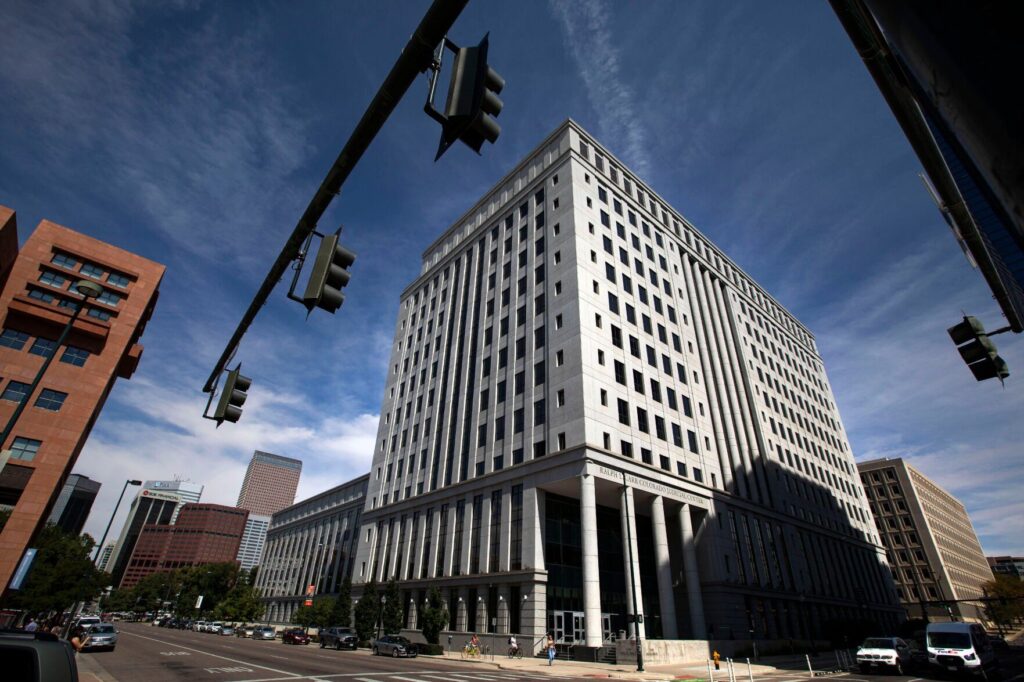
First ever disciplinary trial of a Colorado judge scheduled under new system
Michael Karlik
michael.karlik@coloradopolitics.com
Updated 17 hours ago
A disciplinary panel on Thursday scheduled a mid-August hearing to adjudicate the alleged misconduct of Montezuma County Court Judge Ian J. MacLaren. Following voters’ passage of constitutional Amendment H in November 2024, adjudication of serious judicial misconduct allegations is open to public...
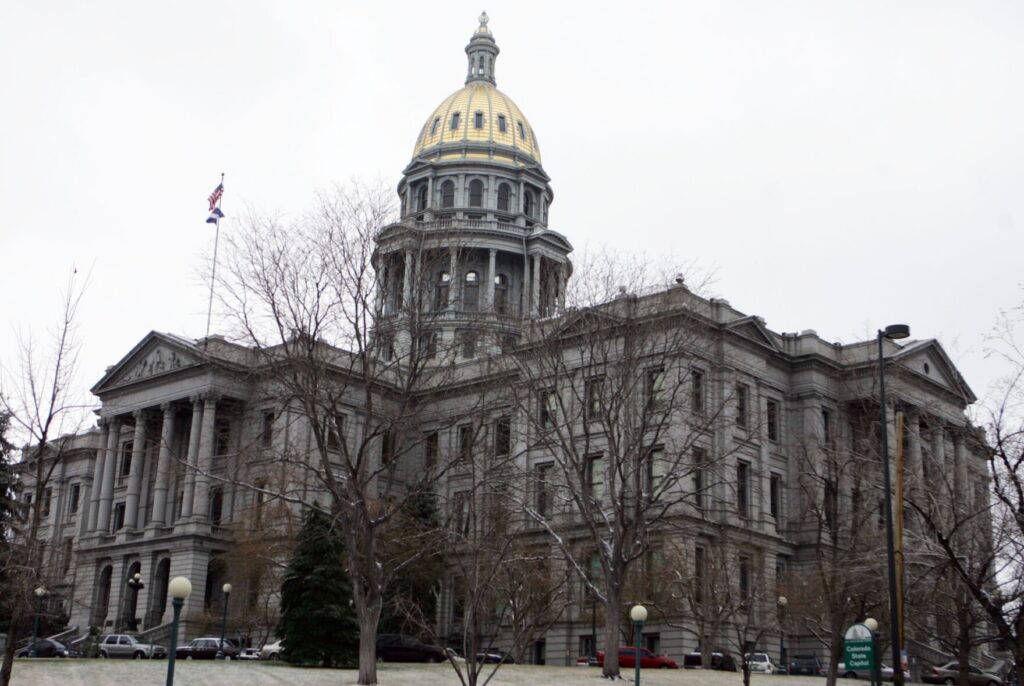
Colorado eyes licensure, new oversight body for autism therapy providers
Marissa Ventrelli
marissa.ventrelli@coloradopolitics.com
Updated 12 hours ago
A panel of Colorado legislators on Wednesday approved a bill establishing a new regulatory body and licensure requirements for professionals who provide therapy for children on the autism spectrum, as well as for the facilities in which they work. House...
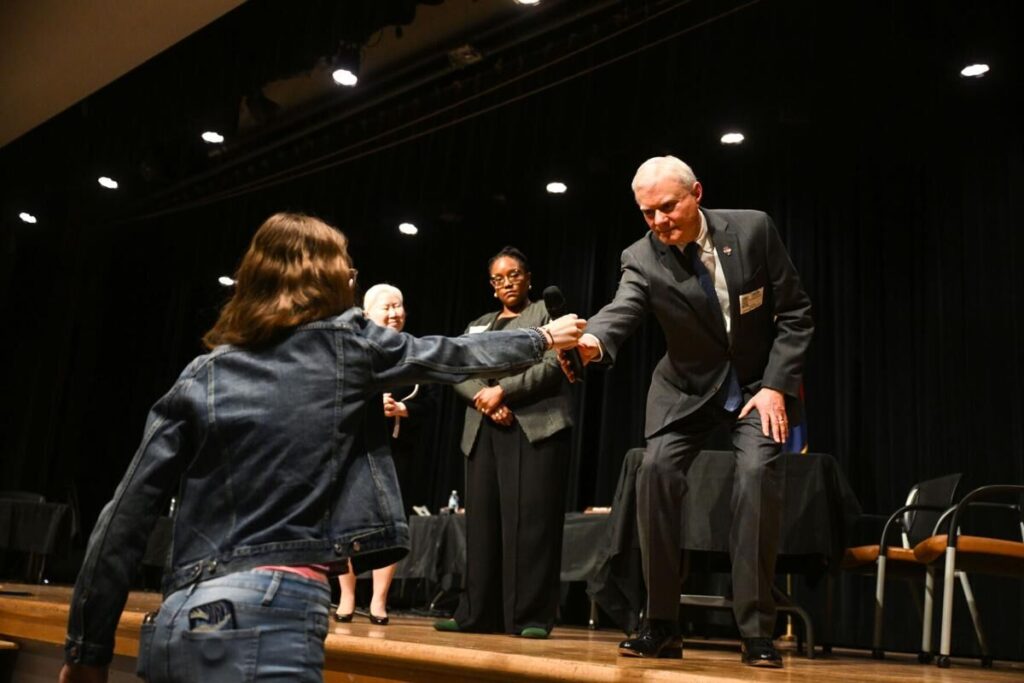
Appeals court recognizes weekend, holiday rule applies to judicial review deadline
Michael Karlik
michael.karlik@coloradopolitics.com
Updated 19 hours ago
Colorado’s second-highest court clarified for the first time on Thursday that the rule extending deadlines in civil cases when the final day falls on a weekend or holiday also applies to litigants seeking review of governmental decisions. Nicholas A. Rigato...
SCOTUS arguments, varied workload: 6 Colorado solicitors general talk about job
Michael Karlik
michael.karlik@coloradopolitics.com
Updated 21 hours ago
Six current and former solicitors general of Colorado, including two who have since become members of the bench, spoke to attorneys on Wednesday about how the role has changed over time, what the workload entails, and their experiences arguing at...

Denver public safety power shut-offs ‘a last resort,’ Xcel says
Deborah Grigsby
deborah.smith@denvergazette.com
Updated 23 hours ago
Although Denver has not yet experienced a public safety power shut-off, the Mile High City came close in December, according to Xcel Energy officials who briefed the city’s Transportation and Infrastructure committee Wednesday. Representatives from the utility company briefed members...

12 finalists selected to interview for Aurora Colfax revitalization board
Kyla Pearce
kyla.pearce@gazette.com
Updated 23 hours ago
Twelve finalists, including several area business owners, will interview for Aurora’s Downtown Development Authority Board in early May to form the oversight body for a project to revitalize Colfax Avenue. Aurora officials received 38 applications for the six board positions,...
PREV
PREVIOUS

State Supreme Court takes up cases on revenge porn, virtual court difficulties
Colorado’s Supreme Court justices have announced they will review four decisions of the state’s Court of Appeals, ranging from a criminal conviction under the “revenge-porn” law to a man’s struggles accessing the virtual hearing where a judge terminated his parental rights. Two members of the court indicated they would have granted an additional appeal clarifying […]

San Luis Valley counties to receive federal dollars for broadband
Conejos and Alamosa counties in Colorado’s San Luis Valley are set to receive a chunk of a $401 million disbursement from the federal government for broadband expansion. The Thursday announcement from the U.S. Department of Agriculture said the San Luis Valley Rural Electric Cooperative will receive nearly $2 million to deploy a fiber-to-the-premises network that will bring […]