

A LOOK BACK | Truman U.S. attorney talks party politics

Fifty Years Ago This Week: At an informal talk in Denver, former U.S. District Attorney Charles Vigil, who served as Colorado’s U.S. attorney during the Truman administration (1949-1953), expatiated on the state of party politics in Colorado.
“You’d better not say ‘Democrat’ too loudly in Colorado,” Vigil said, “or ‘Republican’ either for all that.”
Vigil said that what had been a Republican state now appeared to be “touch-and-go” between the two major parties for control. Vigil, a lifelong Democrat who was Colorado’s first Hispanic U.S. attorney, said that there had been a time when his firmly Democratic home county of Las Animas had voted consistently Republican.
There was a time “when Colorado was essentially Republican,” Vigil said, arguing that the essential differences between the parties was a major factor in cementing Colorado’s status as a swing state.
“The Jeffersonian, or Democratic, viewpoint that all people should participate in decisions affecting their own welfare, and the Hamiltonian, Republican, view that the country could best be governed by a select few,” Vigil explained.
In a lighthearted moment, state Treasurer Tim Armstrong asked Vigil if he would submit to a draft as designee for state attorney general.
“Well, I couldn’t turn the Democratic Party down,” Vigil acquiesced.
In other news, the Colorado Republican Party had spent months making overtures to Labor groups, trying to convince the voting public that they were the party for laboring people. But at the Colorado Labor Council convention in Grand Junction hosted by the AFL-CIO, many delegates told repoters they were disappointed in what had resulted from that attempted courtship at their meeting.
Colorado Republican Party Chair Jean Tool had sent a two-page statement to be read to the AFL-CIO delegates. After hearing it, Colorado Democratic Party Chair Fred M. Betz, who was inattendqnce in person, responded in his address to the delegates that Tool’s statement contained mere generalities and only one specific piece of “labor-friendly” legislation: the 8-hour work day passed in 1866. Betz said that he, meanwhile, had prepared a comprehensive statement of “policies and past performances of interest to labor.”
“Despite individual differences of opinion here and there, it has been the Democratic Party,” Betz wrote in his statement, “in Colorado and in the nation, which has enacted the laws which labor believes in as beneficial to labor and to the nation as a whole.”
Betz also reminded the assembled labor delegates that in the previous legislative session, a measure to increase workmen’s compensation failed to pass because no Republican in either the House or the Senate voted for it — even those labor had endorsed.
Colorado AFL-CIO President Herrick Roth said that the delegates had expressed great appreciation for Betz’s statement.
“I don’t believe the Republicans are making any progress in their effort to woo labor votes,” Roth said, adding that labor members didn’t see any change of attitude or policy on the Republican Party’s part.
Fifteen Years Ago: In a column for The Colorado Statesman, former state legislator Jerry Kopel, D-Denver, outlined interesting historical trivia from Colorado’s statehood year.
Colorado was trilingual and its session laws had to be printed in English, Spanish and German for a number of years.
The legislature had the power to put a law on the ballot for women’s suffrage in 1876, but it did not pass until 1893. The legislation to accomplish the feat, House Bill 118, was sponsored by Rep. J.T. Heath who represented Montrose and Delta counties.
Legislators were paid $4 a day in a 40-day session.
And finally anyone participating in, or planning a duel – yes, that kind of potentially mortal duel – would be barred from holding any elected office in the state.
Rachael Wright is the author of the Captain Savva Mystery series, with degrees in Political Science and History from Colorado Mesa University and is a contributing writer to Colorado Politics and The Gazette.

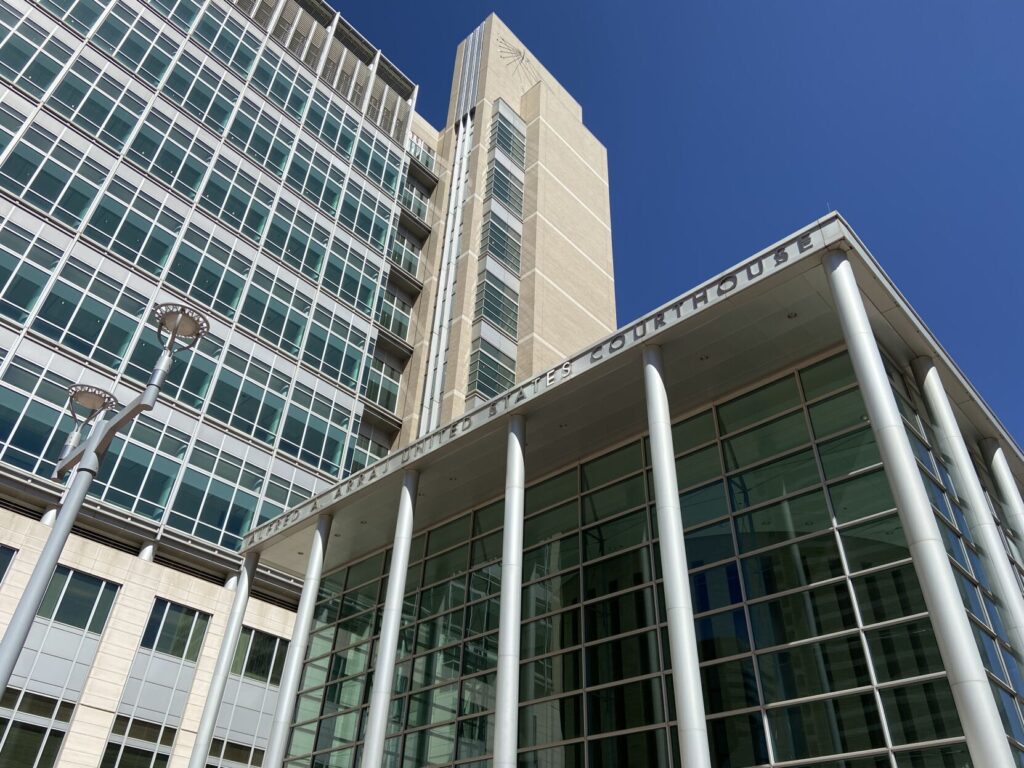
Colorado judge explores sanctions against DOJ, ICE for rearresting man 4 days after release on bond
Michael Karlik
michael.karlik@coloradopolitics.com
Updated 50 minutes ago
A federal judge in Colorado is considering sanctions against the government after immigration agents rearrested a man four days after an immigration judge found him suitable for release on bond. On July 28, U.S. Magistrate Judge N. Reid Neureiter ordered...

White House deploys private companies to help crack down on cybersecurity breaches
David Zimmermann
david-zimmermann@coloradopolitics.com
Updated 3 hours ago
The White House intends to use private companies in the United States to help crack down on cybersecurity breaches perpetrated by transnational criminal organizations. President Donald Trump signed a memorandum on Wednesday, directing his administration to employ the private sector...
Voters prefer socialist over MAGA candidate in 2028 matchup: Poll
Mabinty Quarshie
mabinty-quarshie@coloradopolitics.com
Updated 2 hours ago
New polling released this week suggests that a socialist candidate would defeat a Make America Great Again candidate in a hypothetical 2028 presidential matchup, a move that implies the reach of progressive leftists isn’t abating despite recent setbacks in Wisconsin....
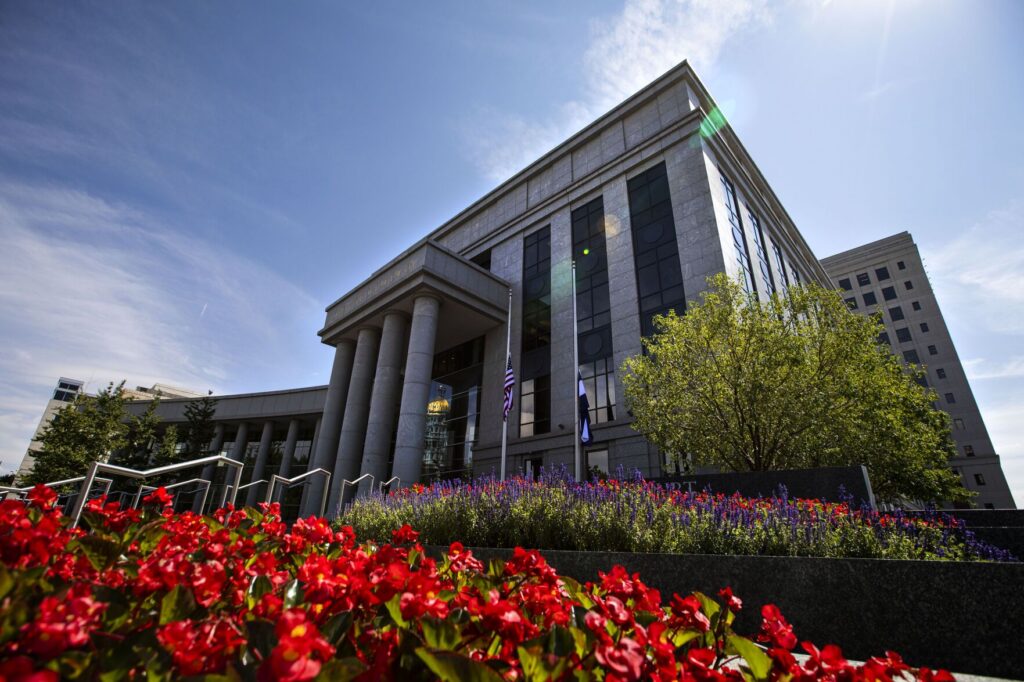
Divided disciplinary panel censures Montezuma County judge after agreement reached
Michael Karlik
michael.karlik@coloradopolitics.com
Updated 4 hours ago
A disciplinary panel formally imposed a public censure, suspension, and further training on Montezuma County Court Judge Ian J. MacLaren on Tuesday by a 2-1 vote. Under constitutional Amendment H, which voters adopted in November 2024, MacLaren was set to...
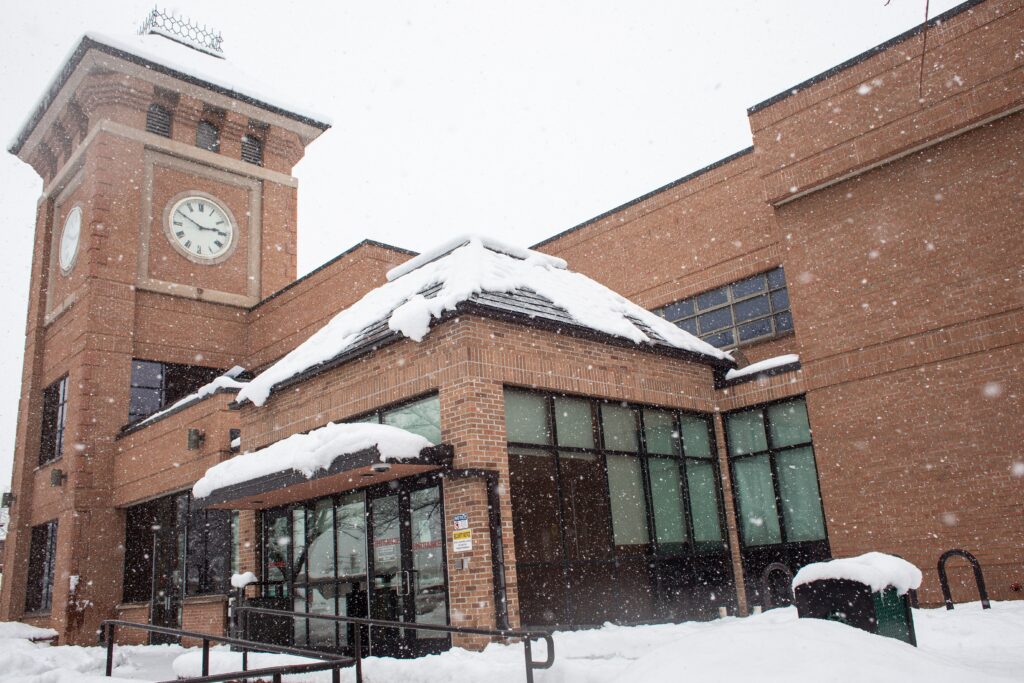
Colorado’s Western Slope magistrate judges describe unique role in federal judiciary
Michael Karlik
michael.karlik@coloradopolitics.com
Updated 18 hours ago
Two of Colorado’s federal judges stationed on the Western Slope spoke to lawyers on Wednesday about their unique roles, the ways their workloads differ, and the need for more criminal defense lawyers to take cases outside the Front Range. “Here...
‘Ticked off’: Third-party US Senate candidate in Colorado launches $1.3 million TV ad campaign
Ernest Luning
ernest.luning@coloradopolitics.com
Updated 3 hours ago
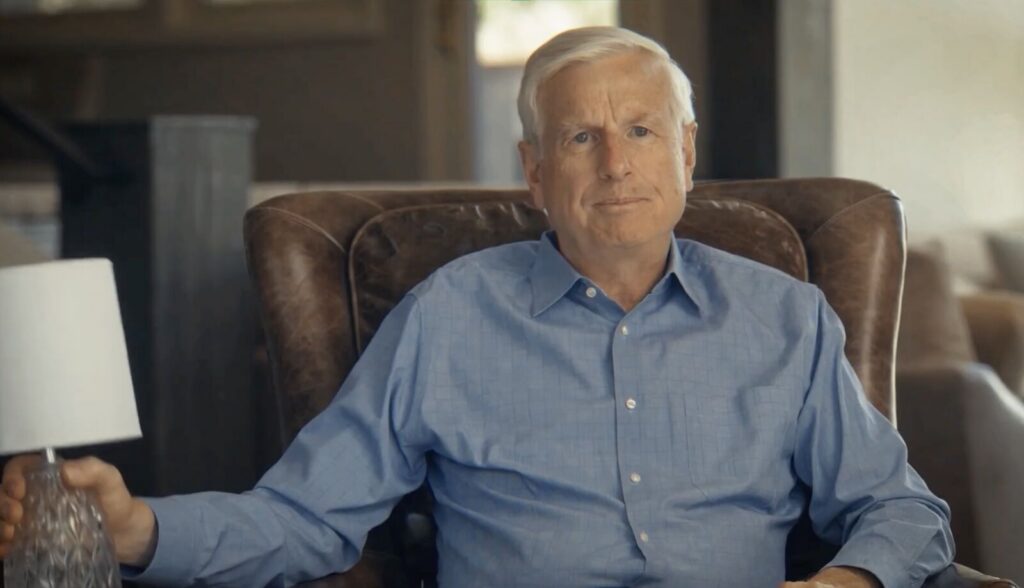
Bob Chew, the Forward Party nominee for U.S. Senate in Colorado, sends household objects flying in a TV ad set to run statewide through September, backed by $1.3 million in ad reservations across multiple platforms, his campaign told Colorado Politics....
Federal judge rules that request for bond hearing not necessary to challenge immigration detention
Michael Karlik
michael.karlik@coloradopolitics.com
Updated 18 hours ago
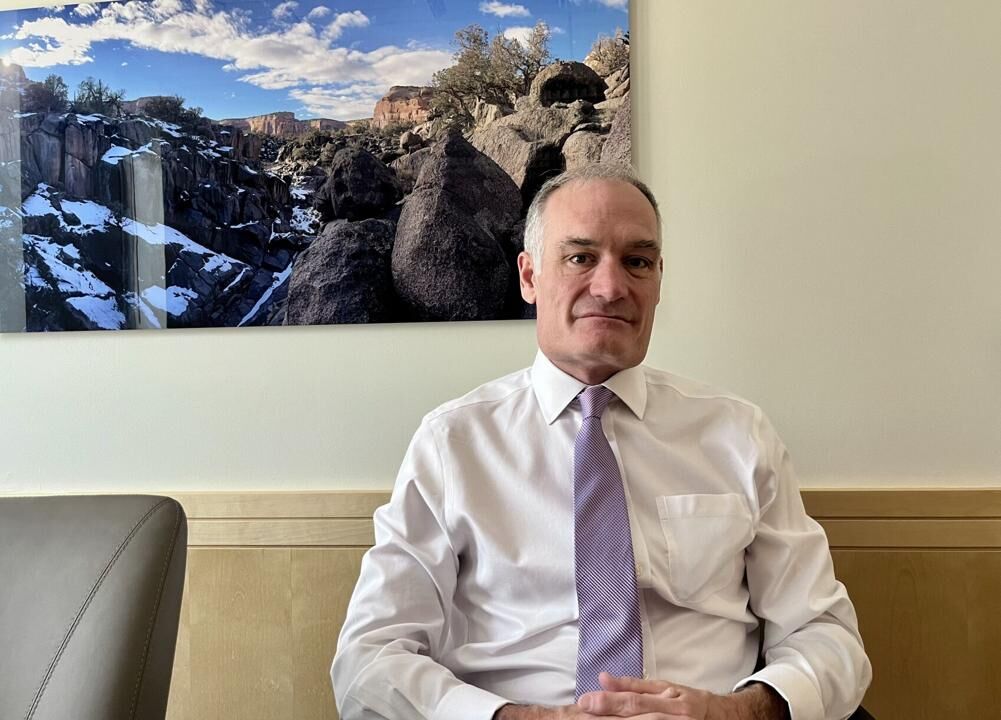
A federal judge in Colorado ruled last week that it is not mandatory for a person to seek a bond hearing with an immigration judge before they challenge the lawfulness of their detention in federal court. For the past year,...

Colorado shifts vaccine authority to state as Trump administration revises childhood framework
Marissa Ventrelli
marissa.ventrelli@coloradopolitics.com
Updated 20 hours ago
As the Trump administration rolls out a revised childhood vaccine framework, Colorado’s law allowing the state to set its own immunization schedule has now taken effect. Issued Monday, President Donald Trump’s executive order separates childhood and adolescent vaccines into three...
Boulder Valley School District introduces new policies following antisemitism lawsuit
Marissa Ventrelli
marissa.ventrelli@coloradopolitics.com
Updated 20 hours ago
The chief of Boulder Valley School unveiled new policies for the 2026-2027 school year following a lawsuit filed on behalf of a student alleging antisemitic harassment. In June, the Anti-Defamation League filed a federal civil rights complaint against the school...

Golden city manager fired after ‘racist incident’ at fire station
Matt Kyle
matt.kyle@denvergazette.com
Updated 18 hours ago
The Golden City Council on Tuesday voted to terminate City Manager Scott Vargo following a reported “racist incident” at a city fire station. The alleged incident happened in March. Reportedly, a “Snoop on a Stoop” doll, which resembles an “Elf...
PREV
PREVIOUS

Colorado grants over $800,000 to swimming pools in rush to open before July Fourth
With the Fourth of July weekend days away, the state awarded over $800,000 to dozens of swimming pools to help the pools open amid an ongoing shortage of lifeguards. Gov. Jared Polis announced Thursday that Colorado gave $849,313 in grants to 71 local swimming pools from Denver to Cañon City to Grand Junction, as pools […]

OUT WEST ROUNDUP | Yellowstone accelerates reopening plans after flooding
WYOMING? Yellowstone accelerates reopening plans YELLOWSTONE NATIONAL PARK – The nation’s oldest national park, hit hard by flooding, has accelerated its reopening plans. Days after flooding forced the park’s closure, Yellowstone said its less-damaged south loop would again allow vehicular entry starting on June 22, albeit at reduced capacity based on the license plate numbers […]