

OUT WEST ROUNDUP | Historic flooding ravages Yellowstone landscape
MONTANA
Floods leave Yellowstone landscape ‘dramatically changed’
RED LODGE – The forces of fire and ice shaped Yellowstone National Park over thousands of years. It took decades longer for humans to tame it enough for tourists to visit, often from the comfort of their cars.
In just days, heavy rain and rapid snowmelt caused a dramatic flood that may forever alter the human footprint on the park’s terrain and the communities that have grown around it.
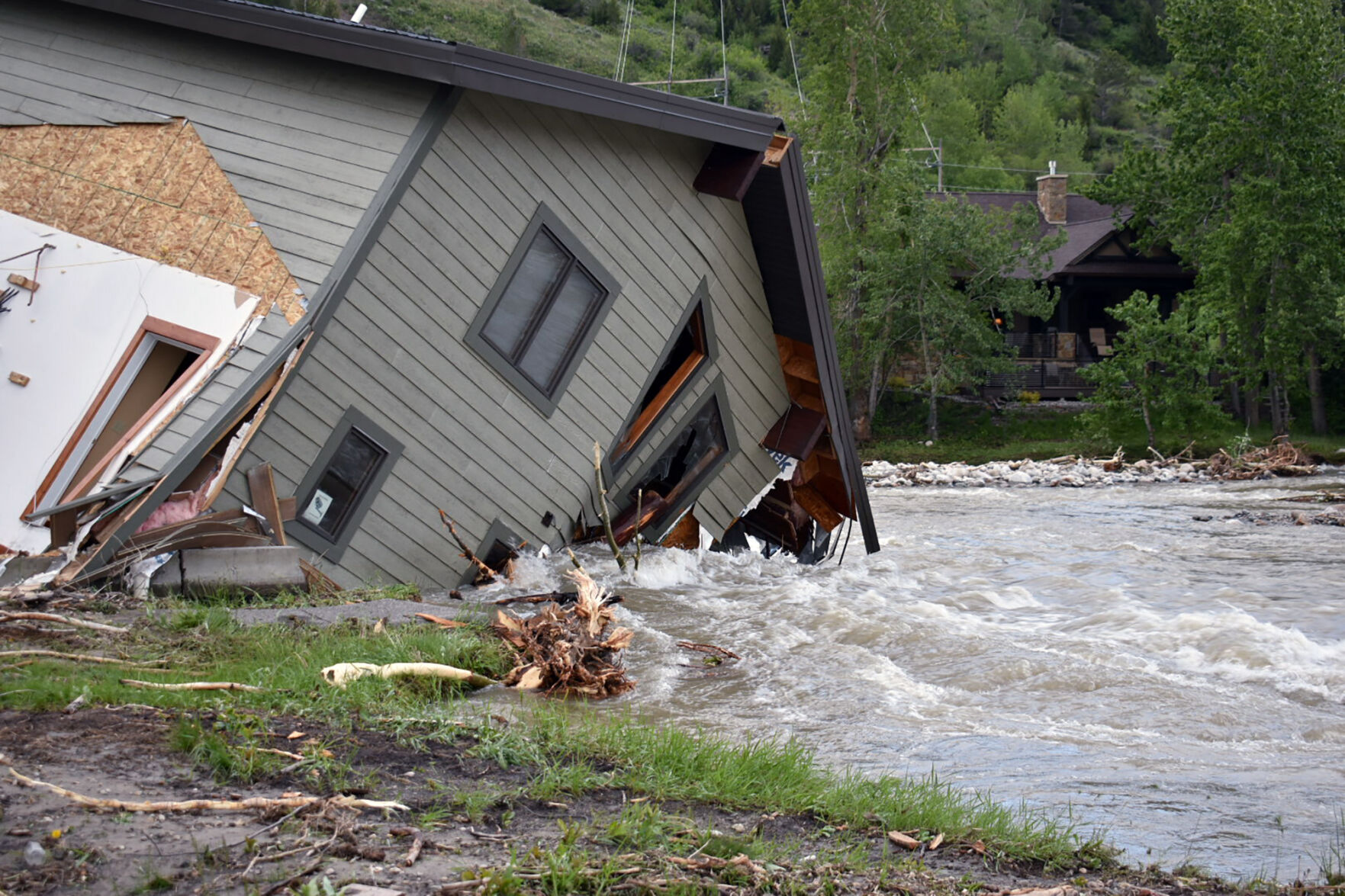
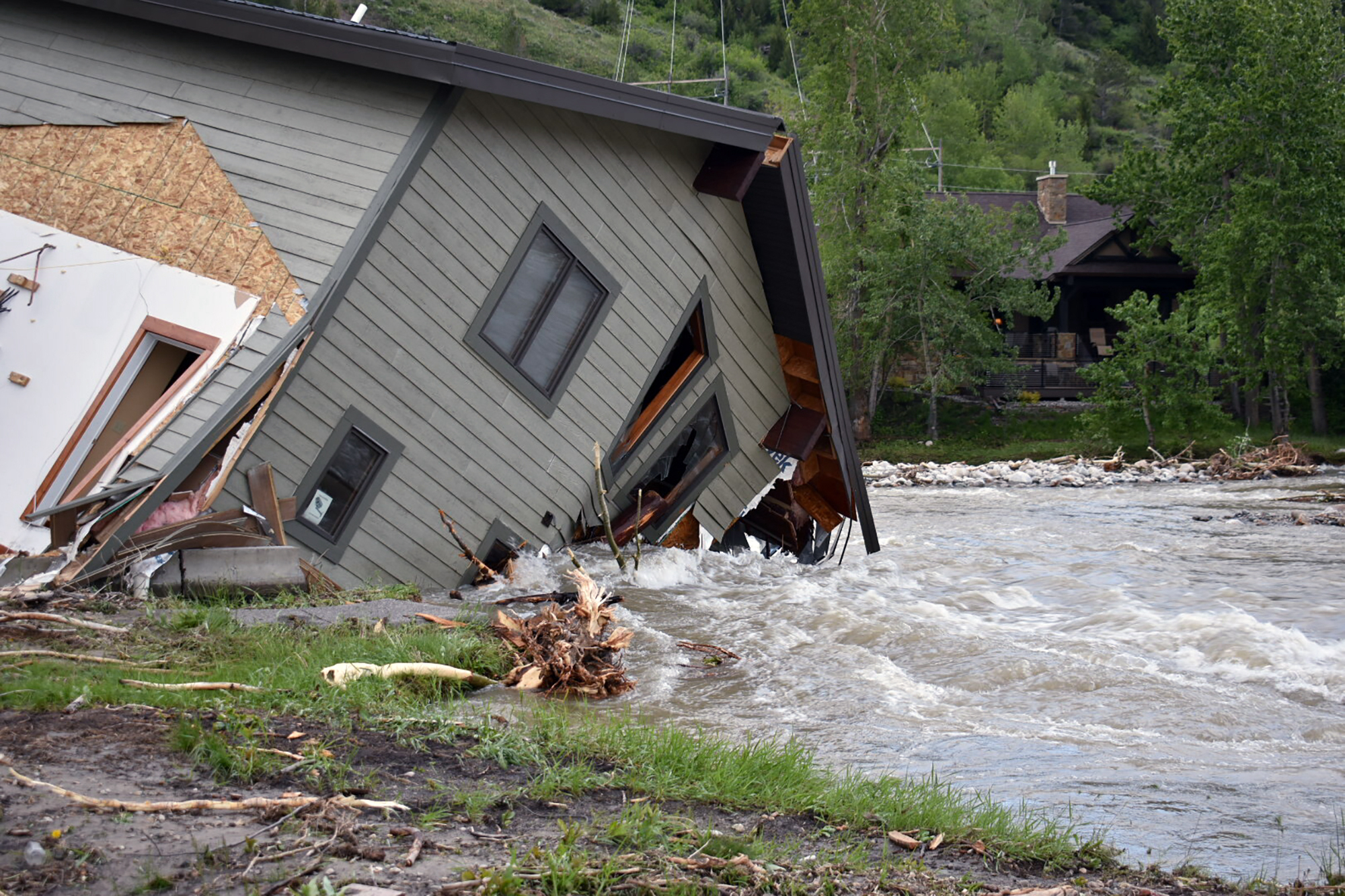
The historic floodwaters that raged through Yellowstone the week of June 12, tearing out bridges and pouring into nearby homes, pushed a popular fishing river off course – possibly permanently – and may force roadways nearly torn away by torrents of water to be rebuilt in new places.
The unprecedented flooding drove more than 10,000 visitors out of the nation’s oldest national park and damaged hundreds of homes in nearby communities, though remarkably no was reported hurt or killed. The only visitors left in the massive park straddling three states were a dozen campers still making their way out of the backcountry.
The park could remain closed as long as a week, and northern entrances may not reopen this summer, Superintendent Cam Sholly said.
“I’ve heard this is a 1,000-year event, whatever that means these days. They seem to be happening more and more frequently,” he said.
Days of rain and rapid snowmelt wrought havoc across parts of southern Montana and northern Wyoming, where it washed away cabins, swamped small towns and knocked out power. It hit the park as a summer tourist season that draws millions of visitors was ramping up during its 150th anniversary year.
While the flooding hasn’t been directly attributed to climate change, Rick Thoman, a climate specialist at the University of Alaska Fairbanks, said a warming environment makes extreme weather events more likely than they would have been “without the warming that human activity has caused.”
Yellowstone’s northern roads may remain impassable for a substantial length of time. The flooding affected the rest of the park, too, with park officials warning of yet higher flooding and potential problems with water supplies and wastewater systems at developed areas.
NEW MEXICO
Damage estimates climb from massive wildfire
ALBUQUERQUE – The destruction caused by the largest wildfire burning in the U.S. has been devastating for thousands of residents and their lives have been forever disrupted and altered, New Mexico’s governor said on June 7 after touring the damage in one county.
Gov. Michelle Lujan Grisham met with homeowners and local officials while surveying homes in two of the many small northern New Mexico villages that were overcome by flames during the past several weeks after two planned government operations meant to clear out overgrown areas of the forest went awry.
The largest blaze has charred close to 500 square miles in the Sangre de Cristo mountain range, which sits at the southern edge of the Rocky Mountains. Much criticism has been levied by residents throughout the rural area because of the federal government’s role in causing the fire.
The governor’s office confirmed Tuesday that several hundred homes are estimated to have been destroyed by the fire. That number will likely increase as inspections and documentation is ongoing.
Lujan Grisham and other top elected officials have called for the federal government to cover 100% of recovery costs. Some also have asked for an independent investigation of the U.S. Forest Service’s prescribed fire protocols even though the agency has put a hold on such operations pending its own inquiry.
State to help with funding to boost Ruidoso tourism
ALBUQUERQUE – More than two months after being impacted by a huge wildfire, the Village of Ruidoso is looking to make a tourism comeback.
The Albuquerque Journal reported on June 10 that Ruidoso and the state Tourism Department are jointly earmarking $150,000 to help lure visitors to the southern New Mexico community.
Ruidoso is still recovering from the so-called McBride Fire that destroyed more than 200 homes and killed two people in April. The blaze, which burned 9.4 square miles, became fully contained a month ago.
The funding will focus on tourists in west Texas, a source of the most travelers to Ruidoso.
Ruidoso Director of Tourism Elizabeth Ritter says there is still a lot of scenery to enjoy despite trails still being restricted due to wildfire risk.
State tourism officials met with the residents of the mountain town in May to address concerns and ideas for recovery.
ARIZONA
Rare wetland plant now listed as endangered
A rare plant that depends on wetlands for survival is now on the federal endangered species list, a designation that environmentalists say will boost efforts to protect the last free-flowing river in the desert Southwest.
The U.S. Fish and Wildlife Service published the decision on June 10 in the federal register to list the Arizona eryngo as endangered and set aside nearly 13 acres in southern Arizona as critical habitat.
The decision comes years after environmentalists petitioned and then sued to gain protection for the plant with cream-colored spherical flower heads. Only two populations are known in Arizona – near Tucson and in the San Pedro Riparian National Conservation Area.
The eryngo grows in ciénegas, a type of wetland fed by natural springs that come from the deep aquifer and nourish the San Pedro River. The plant’s habitat and the flow of the San Pedro River have been threatened by over-pumping of groundwater in the region, climate change and drought.
The critical habitat in Arizona lies in Pima and Cochise Counties and doesn’t include another location where efforts have failed to reintroduce the eryngo. The agency said development still can occur in the areas, but anything that relies on federal funding or federal permits has to be analyzed to ensure it doesn’t impact the eryngo’s habitat.
The Arizona eryngo is part of the carrot family and can grow more than 5 feet tall. It relies on pollinators, such as butterflies and hummingbirds, to reproduce.
WOMING
Black bear captured in Casper released in Big Horns
A rambling black bear was captured by state Game and Fish personnel on June 12 in Casper.
The bear – about a year-and-a-half years old – was wandering around near the Albertson’s grocery store on CY Avenue, said Justin Binfet, wildlife management coordinator for Wyoming Game and Fish’s Casper Region.
The bear was caught in a residential garage, Binfet said. Game and Fish personnel tranquilized the bruin and released it in the southern end of the Bighorn Mountains.
He said the bear didn’t cause much ruckus during its visit, and the capture went smoothly.
Originally, Game and Fish personnel thought there could be as many as three ursine visitors wandering the streets. Binfet chalks that up to multiple reports of the same bear.
Bears are born in winter, and stay with their moms until they’re about 18 months old, he said. They get kicked out in early summer.
While it’s rare, black bears do sometimes make their way into Casper.
The bear could have come from Casper Mountain, and followed a “natural travel corridor” – like a creek flanked by trees and tall grass – north during the night. And come morning, it realized it ended up in a very in an unfamiliar place.
In June 2016, a black bear was caught in central Casper near Cottonwood Elementary. In that case, wildlife authorities darted him after spotting the bear in a backyard. He was moved to Muddy Mountain.


Colorado Springs mother Deborah Nicholls’ murder conviction overturned
Nick Smith
nick-smith@coloradopolitics.com
Updated 5 hours ago
A Colorado Springs mother convicted in 2008 of murdering her three children in a house fire might get a new trial after a judge ruled that prosecutors withheld key evidence that could have impacted the jury’s verdict. Deborah Nicholls, whose...
Colorado court overturns illegal $7,000 restitution order
Michael Karlik
michael.karlik@coloradopolitics.com
Updated 5 hours ago
Colorado’s second-highest court overturned a Weld County defendant’s obligation to pay more than $7,000 in crime victim restitution on Thursday because a trial judge failed to issue a legally compliant restitution order at the time of sentencing. In Colorado, as...

Appeals court orders second look at Denver Water’s immunity for cyclist’s injury
Michael Karlik
michael.karlik@coloradopolitics.com
Updated 5 hours ago
Colorado’s second-highest court ordered another look at a bicyclist’s negligence lawsuit against Denver Water on Thursday, concluding that a trial judge needed to evaluate the utility’s potential immunity using the state Supreme Court’s new guidance. Joseph A. “Joey” Scott alleged...

Right-to-natural-gas proposal in Colorado qualifies for ballot
Marissa Ventrelli
marissa.ventrelli@coloradopolitics.com
Updated 7 hours ago
A citizen initiative that seeks to enshrine the right to natural gas has qualified for the November ballot, Colorado’s election office confirmed on Thursday. Petitions containing signatures for Initiative No. 177 were turned in to the Secretary of State’s Office for review...
Labels, duration not definitive proof of ‘intimate relationship,’ Colorado court rules in domestic violence case
Michael Karlik
michael.karlik@coloradopolitics.com
Updated 5 hours ago
Colorado’s second-highest court clarified on Thursday that the length of a couple’s relationship and the labels they attach to it are not conclusive evidence of whether it is an “intimate relationship” that can give rise to a domestic violence prosecution....
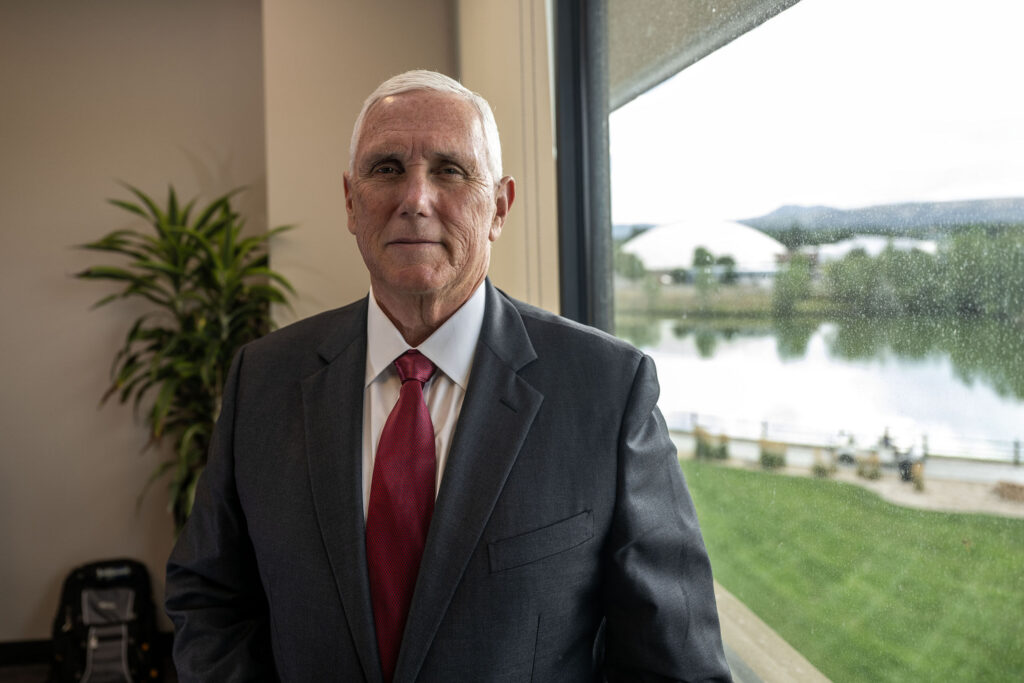
Former VP Mike Pence joining Colorado Christian University faculty
Marissa Ventrelli
marissa.ventrelli@coloradopolitics.com
Updated 7 hours ago
Former Vice President Mike Pence has been hired as a visiting faculty member at Colorado Christian University, the Lakewood-based private evangelical university announced Tuesday. Pence will be on campus about once a month during the 2026-2027 school year to give...

White House launches Fraud.gov to track fraud cases
Adisa Hargett-Robinson
adisa.hargett-robinson@washingtonexaminer.com
Updated 15 hours ago
The White House launched Fraud.gov on Thursday, a website tracking the administration’s crackdown on fraud across federal agencies. According to the White House, the website serves as a public dashboard that highlights investigations, criminal charges, funding suspensions, recoveries, and enforcement...

Democrats from opposite sides of the party all rally behind a ‘big tent’
Rena Rowe
rena.rowe@washingtonexaminer.com
Updated 15 hours ago
Since their losses in the 2024 election, Democrats have struggled to settle on a clear message ahead of the 2026 midterm elections. As the party fights to reclaim control of Congress, primaries in New York, Michigan, and Colorado have exposed...
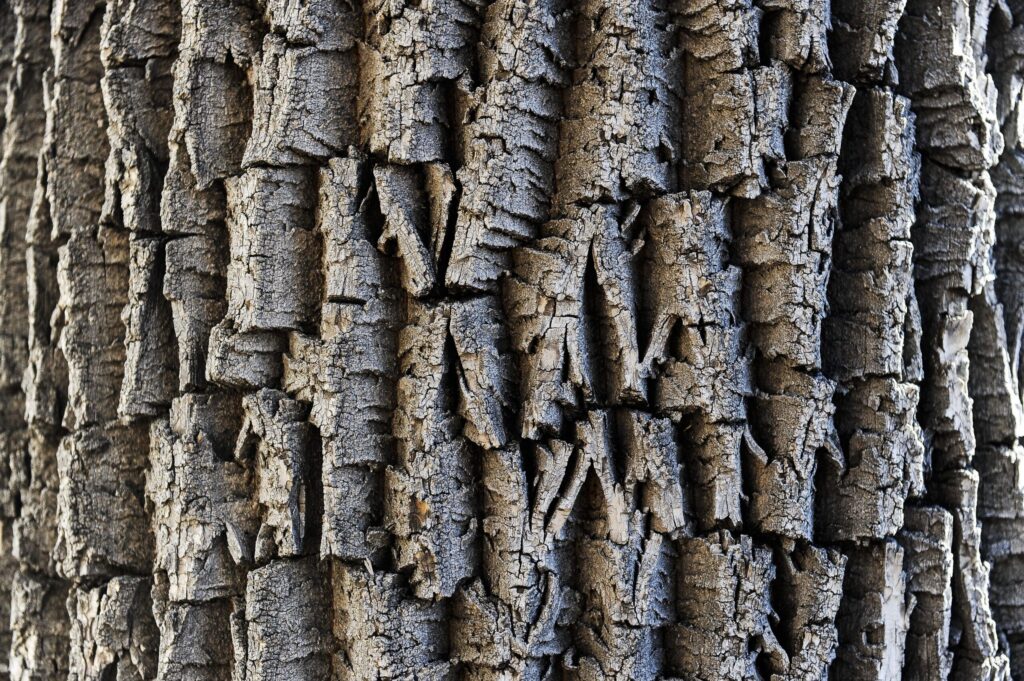
Emerald ash borer confirmed in Colorado Springs, ‘pest is here to stay’
Brennen Kauffman
brennen-kauffman@coloradopolitics.com
Updated 16 hours ago
Colorado Springs is asking residents to be on the lookout for an invasive beetle species that has jumped down the Front Range and into local ash trees. City officials said Wednesday that a confirmed emerald ash borer infestation had been...

US Senate panel votes to hold Fauci in contempt of Congress
Reuters
reuters@gazette.com
Updated 10 hours ago
By Ahmed Aboulenein WASHINGTON, Aug 6 (Reuters) – A U.S. Senate committee voted on Thursday to hold Dr. Anthony Fauci in contempt of Congress after the former top U.S. infectious disease official refused to answer questions about his handling of...
PREV
PREVIOUS

SONDERMANN | Lots of secondary topics, one overriding issue
Eric Sondermann There is no shortage of issues of high concern. For many, crippling inflation tops their list. For others, it might be escalating crime or the opioid epidemic or intractable homelessness or the all-too-present impacts of climate change. Others will cite post-pandemic learning loss, or teenage mental health or racial healing, or a porous […]

Two new seats, high stakes in Colorado State Board of Education election
Colorado’s State Board of Education is growing from seven to nine seats, and political control of the body that sets education policy could be at stake in November’s election. The addition of two seats due to Colorado’s growing population – one representing a new 8th Congressional District that includes Adams and Weld counties and another […]