

Colorado gaming division points to pandemic in regulation glitches

Colorado Division of Gaming officials early Tuesday responded to a critical audit from the Office of the State Auditor, saying the pandemic impacted its ability to roll out legalized sports betting in Colorado.
The state auditor issued a scathing audit Monday of how the division regulated the first full year of legal sports betting in the state, alleging the division hands out far too many temporary licenses and that it could be losing tax revenue by not requiring more documentation.
The 56-page report covered the time period between May 1, 2020, and April 30, 2021 – when Colorado customers bet almost $2.3 billion – and included the Colorado Limited Gaming Control Commission.
Colorado auditors ding sports betting regulators
“The entire nation was navigating uncharted waters in the midst of the pandemic, the Division of Gaming was no different,” Director Dan Hartman said in a statement. “The temporary closure of Colorado casinos, the cessation of professional and collegiate sporting events and internal hiring freezes posed significant challenges in setting up Colorado’s first regulated sports betting program.”
That could explain what state auditors described as lax processes for issuing licenses.
“Overall, the audit found that the Division and the Commission did not have effective processes to investigate sports betting operators and make sure they were qualified for temporary licensure, or to collect sufficient documentation to determine if sports betting operators’ monthly tax filings were accurate,” according to a report summary.
Hartman said that they were able to roll out the program during a pandemic, as directed by the state legislature, which took great effort.
“As we look back, not just on the first year covered by the audit, but on the past two and a half years since the voters approved sports betting. We are proud of the work we’ve done,” Hartman said. “We met the legislative mandate for a May 1, 2020 start date, we’ve surpassed expectations in sports betting wagers and we’re paving the way for Colorado’s designated beneficiaries, including Responsible Gaming stakeholders and the state’s Water Plan which received $8,564,616 in 2021.”
Colorado imposes a 10% tax on all “net sports betting proceeds reported by the operators.”
But auditors found “wide variation between the amount of wagering activity that operators reported after each gaming day and the totals they reported in their monthly tax filings,” according to the summary.
Colorado sports betting drops in April
Hartman thanked auditors and said the division is implementing the suggested fixes.
“We can assure you that under the direction of the Colorado Limited Gaming Control Commission, the Colorado Division of Gaming and the multiple implementation teams who worked tirelessly, we have delivered an effectively regulated market to provide the best economic and social outcomes for Colorado.
“We believe these improvements, especially with a new regulatory structure and an ever evolving industry, will only make the program stronger.”


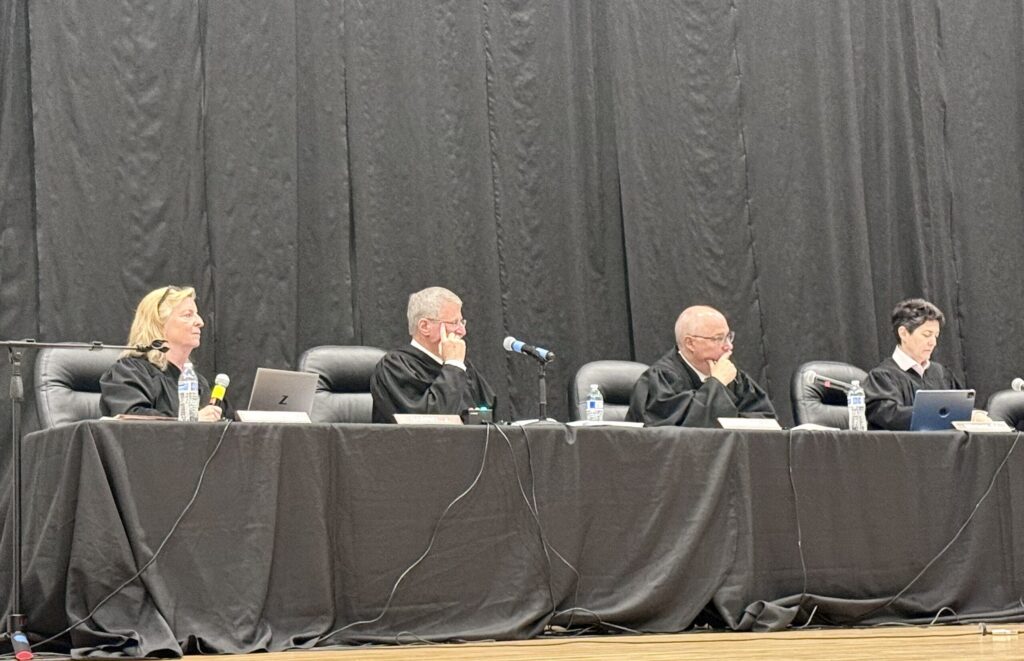
Colorado justices to hear appeal in Kendrick Castillo death lawsuit, ‘fugitive’ rule
Michael Karlik
michael.karlik@coloradopolitics.com
Updated 4 hours ago
The Colorado Supreme Court announced on Tuesday that it will decide whether it was proper to dismiss a lawsuit over the 2019 shooting death of Kendrick Castillo after the defendants paid the maximum amount of damages available to Castillo’s parents,...
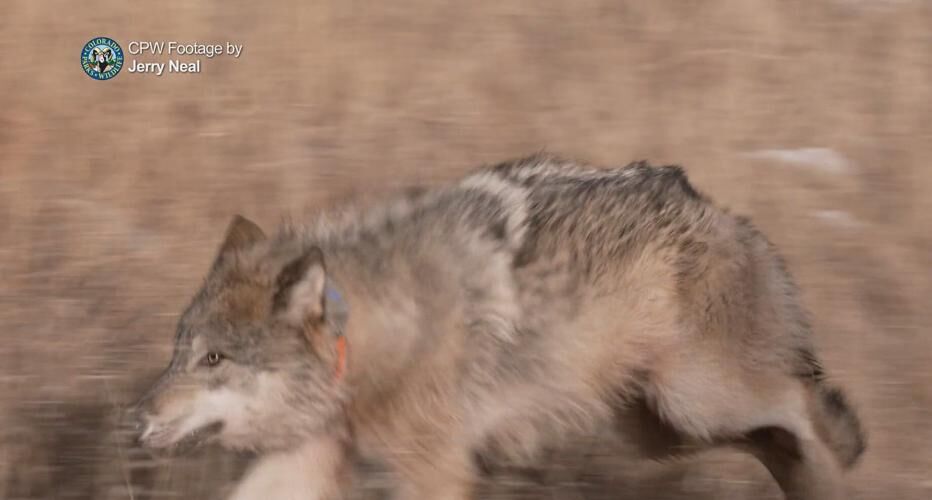
Two more wolves killed by Colorado wildlife staff
Marianne Goodland
marianne.goodland@coloradopolitics.com
Updated 4 hours ago
Two yearling wolves from the Copper Creek and Three Creeks packs in Pitkin and Rio Blanco counties, respectively, were killed by Colorado Parks and Wildlife staff on Monday. That brings to 19 the number of wolves that have died under...

U.S. Rep. Lauren Boebert calls Trump’s 90-day wolf-delisting review ‘real progress’
Marianne Goodland
marianne.goodland@coloradopolitics.com
Updated 3 hours ago
President Donald Trump has directed Interior Secretary Doug Burgum to launch a 90-day review on whether gray wolves and Mexican wolves should be removed from Endangered Species Act protections. The order drew mixed reactions for Colorado’s wolf-reintroduction effort, with ranchers...

Arapahoe County judge’s frustration with defense lawyer not grounds for new trial
Michael Karlik
michael.karlik@coloradopolitics.com
Updated 5 hours ago
Colorado’s second-highest court decided last week that an Arapahoe County judge’s repeated rebukes of a defense attorney and orders to “be quiet” did not rise to the level of bias or a violation of the defendant’s due process rights. A...

Divided appeals court upholds vehicle theft conviction despite unclear origin of car’s value
Michael Karlik
michael.karlik@coloradopolitics.com
Updated 1 hour ago
Colorado’s second-highest court upheld a defendant’s conviction for aggravated motor vehicle theft last week, even though it was unclear how the Thornton Police Department estimated the value of the stolen car. Officer Marc Faivre encountered Ashley Shelee Gibbens-Martinez in a...
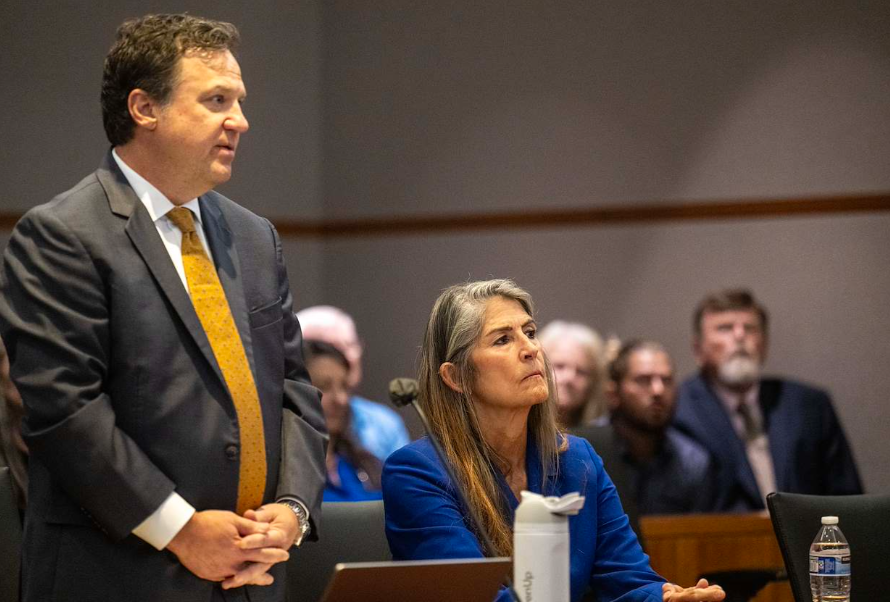
Disgraced ex-CBI analyst Missy Woods sentenced to prison in DNA scandal
Jenny Deam
jenny.deam@gazette.com
Updated 5 hours ago
A Jefferson County district court judge on Tuesday sentenced a disgraced former Colorado Bureau of Investigation DNA analyst to a decade in prison for altering and deleting data in scores of criminal cases over several years. Jefferson County District Judge...
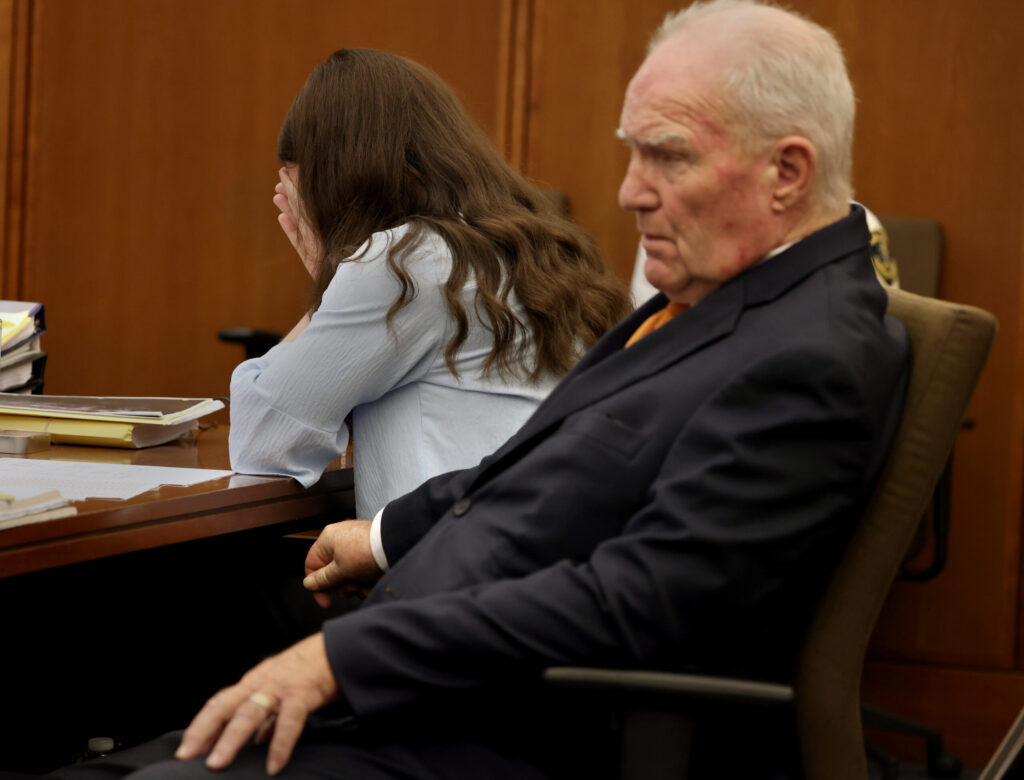
Lindsay Clancy’s attorney makes plea for pardon from Trump
Emily Hallas
emily-hallas@coloradopolitics.com
Updated 11 hours ago
Lindsay Clancy’s attorney urged President Donald Trump on Tuesday to give her a pardon before her murder case could head for another trial. Clancy is a Massachusetts woman who admitted to strangling her three young children in 2023 but argued...

Russia launches massive, deadly, and ‘complex’ attack against Ukraine
Washington Examiner Staff
washington-examiner-staff@coloradopolitics.com
Updated 12 hours ago
Fighting between Ukraine and Russia commenced after a 72-hour pause for diplomatic visits to both countries by U.S. officials. Russia launched a massive attack on Ukraine on Tuesday, firing dozens of cruise missiles and over 140 drones as the war...

Jason Crow endorses Democrats up and down Colorado’s ballot, chips in $100K for campaign efforts
Ernest Luning
ernest.luning@coloradopolitics.com
Updated 5 hours ago
Democratic U.S. Rep. Jason Crow on Tuesday formally endorsed more than 60 Democrats running up and down Colorado’s ballot and said he’s putting $100,000 into statewide and county campaigns and organizing programs to drive turnout in the fall election. Crow,...

FBI sets $25,000 minimum reward for dozens of unsolved Indian Country cases | OUT WEST ROUNDUP
The Associated Press
the-associated-press@coloradopolitics.com
Updated 13 hours ago
SOUTH DAKOTA Indian Country rewards set SIOUX FALLS — The Federal Bureau of Investigation has established a minimum reward of $25,000 in cases where people went missing or were killed in Indian Country, part of a broader effort to address...
PREV
PREVIOUS

Douglas County health board settles mask lawsuit with school district as other suits drag on
Douglas County’s board of health and school district have settled a lawsuit filed eight months ago after the board passed a resolution hollowing out the district’s masking policy, seemingly without addressing masking itself. Under the settlement, announced by the county Tuesday morning, the county will pay $90,000 to the school district “for the hiring of […]

Federal judge to CU worker: 2-hour 'inconvenience' not a constitutional violation
A University of Colorado employee claimed in a federal lawsuit that one of her colleagues filed a deliberate, falsified report that she was COVID-19 positive days before a major work event, causing her severe emotional distress and violating her constitutional rights. However, a federal judge has recommended dismissing Celeste T. Archer’s lawsuit for a simple […]