

Supreme Court ethics panel to state judges: Resign to run for college trustee
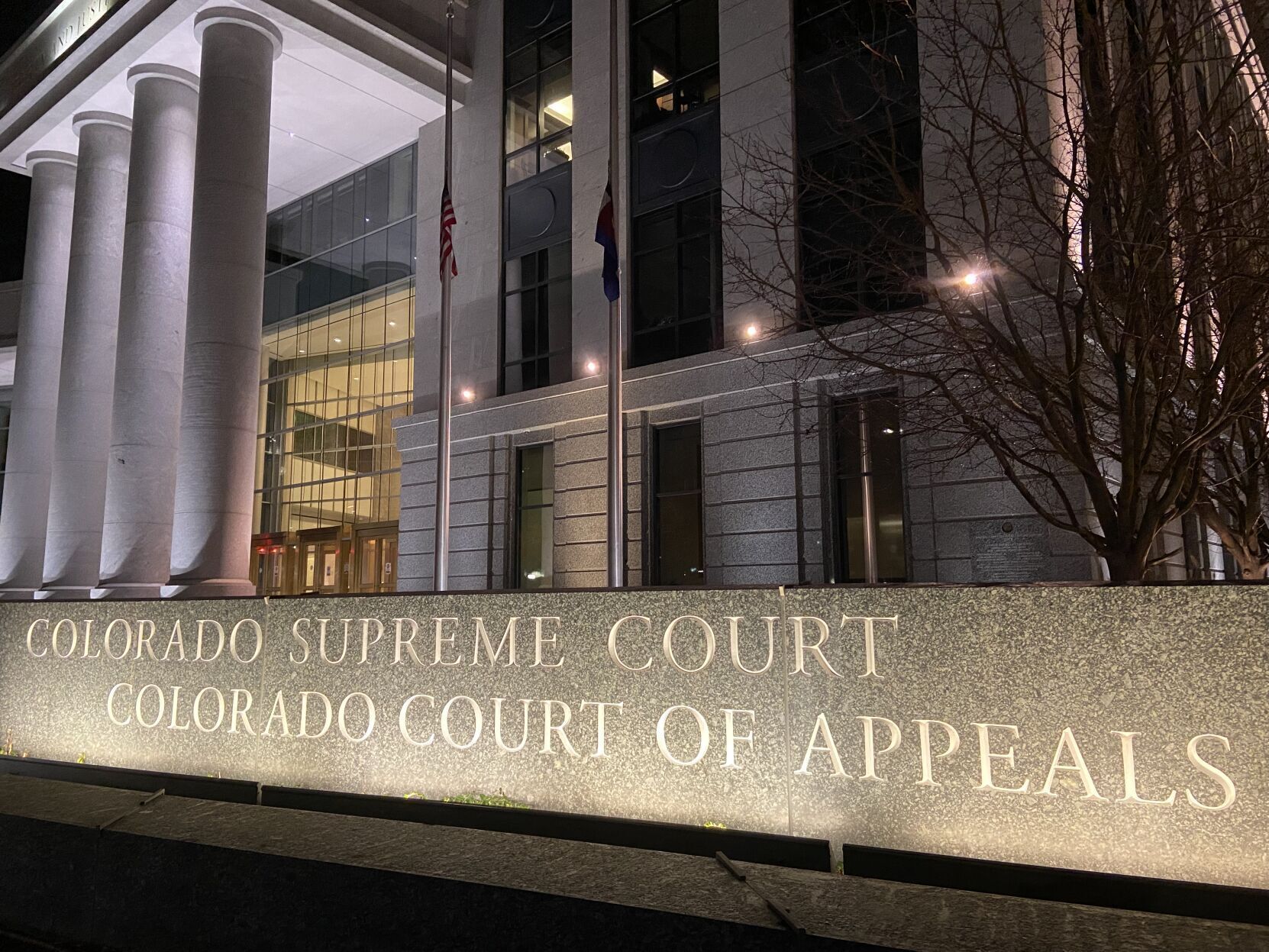
State judges who wish to serve in nonjudicial elective offices must resign if they plan to run for the position, the Colorado Supreme Court’s ethics panel has determined.
The May 18 opinion from the court’s Judicial Ethics Advisory Board responded to a judge who asked about standing for election to one of the seven at-large seats on Colorado Mountain College’s Board of Trustees. The judge was reportedly “approached to run for election” to the board, prompting the question to the advisory panel about whether campaigning for a seat would violate the Code of Judicial Conduct.
In its response, the ethics advisory board explained that Colorado adheres to a “resign to run” rule, meaning a judge could serve as an appointed trustee but must leave the bench if he or she needs to campaign for the position.
“In campaigns for nonjudicial elective public office, candidates may make pledges, promises, or commitments related to positions they would take and ways they would act if elected to office,” reads the commentary to Rule 4.4 of the code of conduct. “Although appropriate in nonjudicial campaigns, this manner of campaigning is inconsistent with the role of a judge, who must remain fair and impartial to all who come before him or her.”
The ethics advisory panel cited other jurisdictions, including Nevada, Kansas, New York and Washington, that previously determined their states’ judges could not stand for election to either K-12 or higher education governing boards.
Therefore, the panel advised the judge to resign his or her position in order to run for the Colorado Mountain College board.



A new day? Colorado’s troubled guardianship office pursues ‘cultural reset’
Marianne Goodland
marianne.goodland@coloradopolitics.com
Updated 3 days ago
Colorado’s guardianship program, long criticized for mismanagement and high staff attrition, is undergoing a “cultural reset,” as its new director works to repair partnerships and prepare for a major expansion under recent legislation. Created by lawmakers in 2017, the Office...
Local party leaders, incoming judge among members of judicial performance commission that violated law
Michael Karlik
michael.karlik@coloradopolitics.com
Updated 1 day ago
A local Democratic leader and 2024 presidential elector. A legislative aide and leader in the Young Republicans. An incoming county court judge freshly appointed by the governor. They are among the eight members of the northeastern Colorado judicial performance commission...
Judge dismisses lawsuit seeking records from Colorado Democratic group
Marianne Goodland
marianne.goodland@coloradopolitics.com
Updated 2 days ago
A lawsuit seeking to obtain records from Democratic lawmakers affiliated with a caucus has been thrown out by a Denver District Court judge. On July 17, Judge Ericka Englert dismissed the April lawsuit filed by progressive activist Derrick Blanton, who...
Colorado Springs mother Deborah Nicholls’ murder conviction overturned
Nick Smith
nick-smith@coloradopolitics.com
Updated 3 days ago
A Colorado Springs mother convicted in 2008 of murdering her three children in a house fire might get a new trial after a judge ruled that prosecutors withheld key evidence that could have impacted the jury’s verdict. Deborah Nicholls, whose...
Colorado court overturns illegal $7,000 restitution order
Michael Karlik
michael.karlik@coloradopolitics.com
Updated 2 days ago
Colorado’s second-highest court overturned a Weld County defendant’s obligation to pay more than $7,000 in crime victim restitution on Thursday because a trial judge failed to issue a legally compliant restitution order at the time of sentencing. In Colorado, as...

Appeals court rejects former DougCo commissioner’s legal fee claim
Nicholas Fogleman
nicholas.fogleman@denvergazette.com
Updated 2 days ago
The Colorado Court of Appeals rejected a former Douglas County commissioner’s bid for reimbursement of attorney fees she incurred while responding to multiple investigations into her conduct. The dispute stemmed from a 2019 anonymous letter sent to county officials alleging...
Appeals court orders second look at Denver Water’s immunity for cyclist’s injury
Michael Karlik
michael.karlik@coloradopolitics.com
Updated 3 days ago
Colorado’s second-highest court ordered another look at a bicyclist’s negligence lawsuit against Denver Water on Thursday, concluding that a trial judge needed to evaluate the utility’s potential immunity using the state Supreme Court’s new guidance. Joseph A. “Joey” Scott alleged...
Labels, duration not definitive proof of ‘intimate relationship,’ Colorado court rules in domestic violence case
Michael Karlik
michael.karlik@coloradopolitics.com
Updated 2 days ago
Colorado’s second-highest court clarified on Thursday that the length of a couple’s relationship and the labels they attach to it are not conclusive evidence of whether it is an “intimate relationship” that can give rise to a domestic violence prosecution....

Colorado AG urges Supreme Court to let Boulder climate lawsuit proceed
Marissa Ventrelli
marissa.ventrelli@coloradopolitics.com
Updated 3 days ago
Colorado Attorney General Phil Weiser has filed a court brief with the U.S. Supreme Court in a lawsuit brought by Boulder city officials seeking to hold oil companies liable for their environmental impact. The case began in 2018, when the...
10th Circuit says landowner cannot sue ex-Routt County judge for statements in decision
Michael Karlik
michael.karlik@coloradopolitics.com
Updated 4 days ago
A Routt County landowner cannot sue a former judge for his allegedly inaccurate statements in a case where the landowner was not a party, the Denver-based federal appeals court decided on Wednesday. Anne Fitzsimmons, who lives in Germany, owns a...
PREV
PREVIOUS

Colorado's high court reverses convictions over Adams County judge's behavior toward defense counsel
The Colorado Supreme Court reversed a man’s convictions because an Adams County judge violated his Sixth Amendment right to hire a different defense lawyer. The actions of District Court Judge Thomas R. Ensor, who had accused Palmer Gilbert of trying to delay his criminal proceedings, will now result in Gilbert receiving a new trial more […]

Colorado Court of Appeals rules gag order may be unconstitutional but mother of 3 slow to file appeal
A judge’s gag order barring a mother of three from speaking out against a ruling terminating her parental rights may have been unconstitutional, but the mother lost her right to challenge her contempt citation that landed her in jail because she failed to timely appeal, the Colorado Court of Appeals ruled on Thursday. “A party […]