

GABEL | Cows build towns
In the city of Brush, Livestock Exchange is one of the local auction markets and, on Thursdays, it’s hopping. Trailers and bull racks fill the parking lot, and a string of saddled horses stand at the ready behind the building, bringing cattle to and from the ring as a voice over a speaker gives the word. The gals in Drovers Café are pouring iced tea and Dr. Pepper by the barrel full, and the special is plated and served quickly so the bidders, buyers and sellers can return to the action. The slices of pie – a benchmark some may argue one can use to measure the quality of a sale barn – are big and the flavor list is long.
Men remove their hats while they eat, some are already wearing their straw cowboy hats, a sure sign of spring. Others are wearing ball-caps from sale barns, ranches, seed companies, trailer hitches and feed companies, the bills stained with sweat. These men and women are the working kind, though the amount of knowledge in the room is impressive, some won at a university, some at the school of hard knocks.
Everyone in the building looks windblown, and they are. They’re blinking back the fine dirt coating their eyes and casting glances to the windows, looking for storm clouds that might bring rain. Every conversation includes rainfall amounts, grass conditions, crop planting progress and the price of fuel.
Auctioneer Tyler Kanode is on the block and he’s ready to sell cattle. Clerks and sale barn owner Robin Varelman flank him. From the stands, the block is framed with television screens that display weights and prices and signs for local businesses frequented by these cattlemen. The signs for butchers and hardware stores and feed stores and truck dealers and banks are the same signs adorning the high school football field, the back of pee wee baseball t-shirts, and filling the stands at the junior market livestock sale at the county fair.
The sale in Brush began Thursday at 9 a.m., and, 11 hours later, Kanode had sold nearly 2,000 head of cattle. The clerks were bleary-eyed, and the yards crew had run out of fresh horses to use. Of those cattle, about 1,200 were weigh cows, meaning they are slaughter bound. Normally, they might be productive cows in a herd, out to grass for the summer with a calf at side and bred with one due in March. This year, though, there’s little grass so only the very top end of cows are remining on operations and others are culled and sent to town.
On Friday at Centennial Livestock Auction, a similar scene played out. The online feed of the sale is playing in the background as I write this, and I can hear the auctioneers working hard to bring decent prices for cow calf pairs. Some are bringing only $1,200 for the cow and calf – what normally the cow alone might fetch. Heavier feeder calves are bringing 20 cents-per-pound less than last week. That 20-cent decrease adds up quickly for producers selling even just 20 head of 700-pound calves.
In listening to farm radio stations each morning and noon, I’ve heard among the list of consignors to sale barns a number of total herd dispersals. I’ve watched cattle producers who have spent their entire lives waking each morning to feed and check cows. I’ve seen their faces when the last of their cows enter the ring to become part of another man’s operation and the auctioneer’s gavel drops, making it official.
An economist I’m not, but I am certain that if cattle producers continue to sell out, we all lose. We all face higher grocery prices, especially at the meat counter, but that’s just the beginning. For each ranching operation that goes under, the money he spends in his community declines. The feed store suffers and so does the local Mexican restaurant and the gas station. He might not purchase a new vehicle or send his donation to keep the local Future Farmers of America chapter or track team thriving. The sale barn no longer earns his commission, the trucking company no longer sends him a bill for hauling his calves in the fall, and the veterinarian loses his business and his purchases of endless vaccines and supplies.
A Kansas cattle rancher once said that “cows build towns.” Families who run cows are the type of families who have roots and property taxes to pay and wildlife habitat under their care despite what the environmental activists say about them. They’re the type of people President Ronald Reagan was talking about when he spoke of the change that begins at the dinner table. They’re the type of people who will pitch in when legislation forces a school district of 100 students to spend $500,000 to remove and change their mascot. They’re the type of people who will drive four hours to testify for two minutes about a bad ag labor bill. They’re the type of people who need voters to cast to the side extremists and listen to the movable middle, the ones who are paying their bills and raising their kids and making solid decisions rather than riding the whims of the noisy minority.
And they’re the type of people who need you to pray for rain.
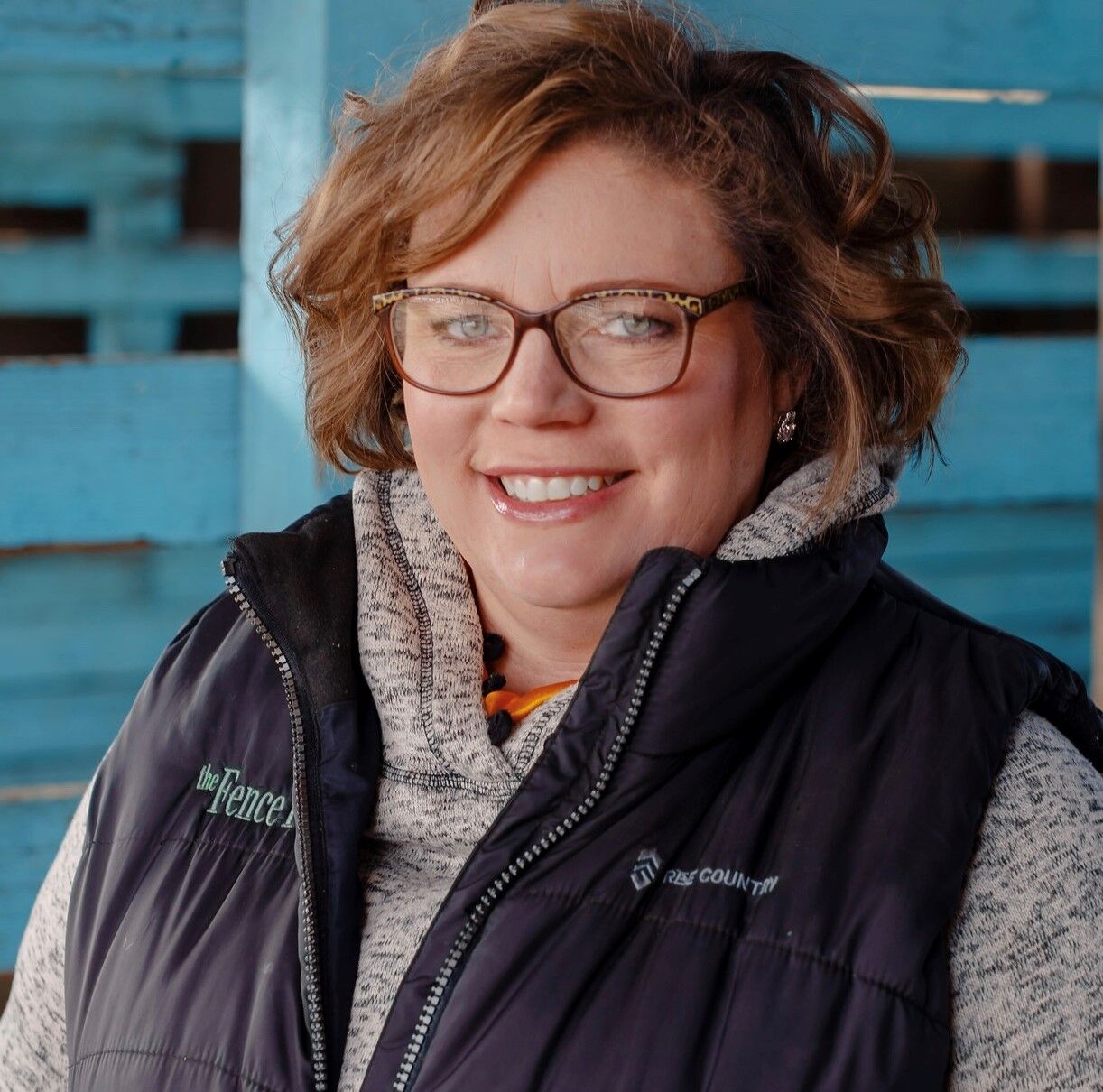
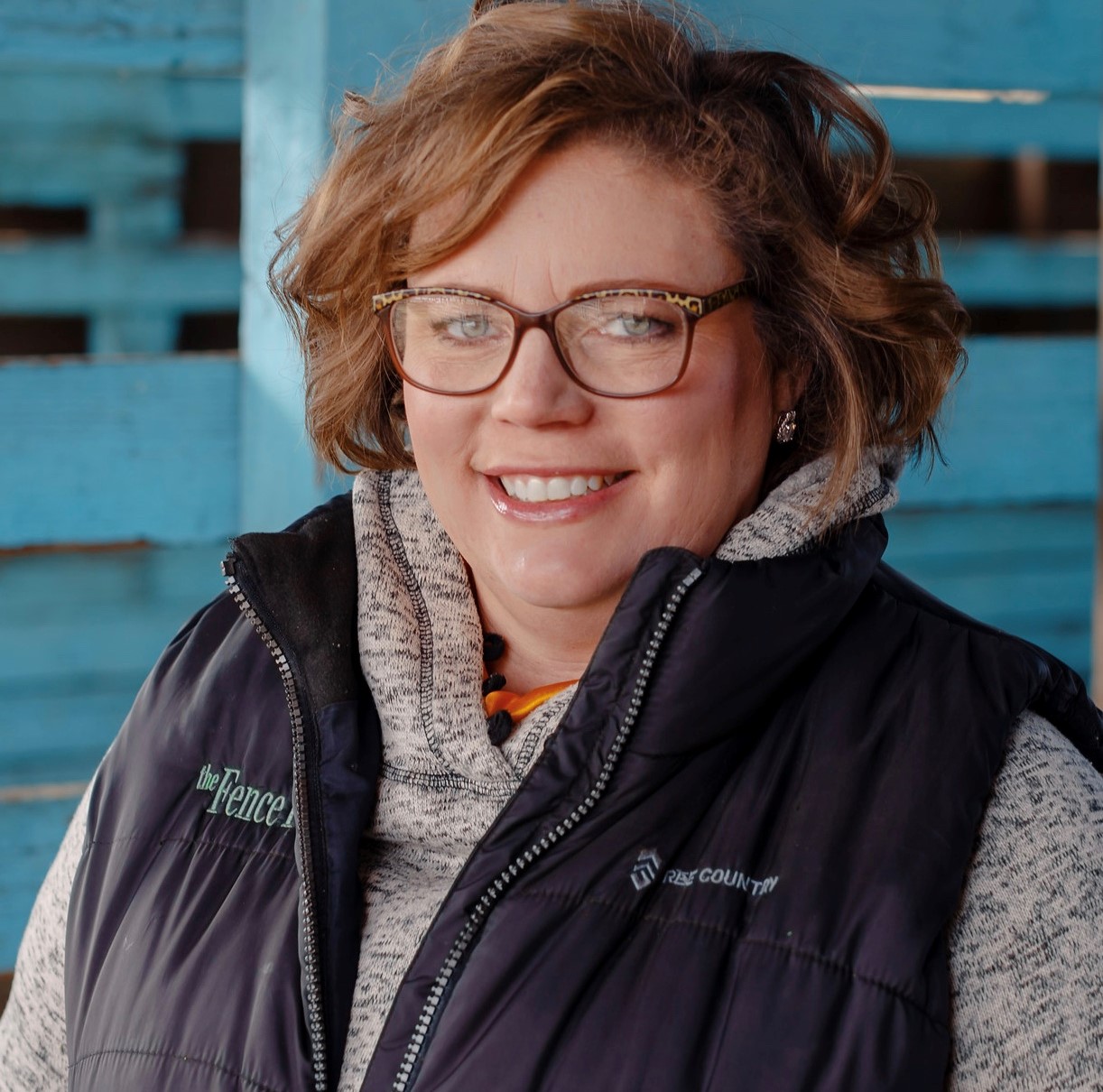
Rachel Gabel writes about agriculture and rural issues. She is assistant editor of The Fence Post Magazine, the region’s preeminent agriculture publication. Gabel is a daughter of the state’s oil and gas industry and a member of one of the state’s 12,000 cattle-raising families, and she has authored children’s books used in hundreds of classrooms to teach students about agriculture.

Will one unqualified AG replace another? | George Brauchler
George Brauchler
george-brauchler@gazette.com
Updated 1 day ago
Colorado Democrats are poised to nominate another attorney general candidate with de minimis relevant credentials or experience. Far from disqualifying, Colorado’s recent voting history mirrors that of America in favoring biography over experience, partisanship over policy, and emphasizing what divides...
Pueblo’s mayor keeps stirring the pot | Dennis Maes
Dennis Maes
dennis-maes@coloradopolitics.com
Updated 1 day ago
Pueblo Mayor, Heather Graham, has clearly proven to be a disciple of the Donald Trump school of governance. And, like her mentor, she is experiencing the same catastrophic results. The format is to ignore what the electorate approved and expects...
The perils of Colorado’s unregulated abortions | GUEST COLUMN
Colorado Politics
colorado-politics@coloradopolitics.com
Updated 1 day ago
By Tom Perille How did the movement which grew out of a genuine concern for the health and safety of women become the same movement that undermines women’s health and safety today? Despite good intentions, it was a long route...
Sans seniors, what does Colorado’s uninterested early turnout say about our disengaged electorate? | Paula Noonan
Paula Noonan
paula-noonan@coloradopolitics.com
Updated 2 days ago
This primary election is poorly attended. Evidence is in the numbers. About 10% of active registered voters are deciding this year’s primaries with seven days to go. If that number triples by June 30, only 30% of voters will decide...
Who gets to decide Colorado’s economic future? | GUEST COLUMN
Colorado Politics
colorado-politics@coloradopolitics.com
Updated 2 days ago
By Sarah Blackhurst Colorado’s prosperity depends on industries that grow our food, build our future and power our homes. But today, these sectors face an invisible threat from 5,000 miles away: the European Union’s Corporate Sustainability Due Diligence Directive (CS3D)....
We have the chance to change Colorado’s cancer outcomes | PODIUM
Colorado Politics
colorado-politics@coloradopolitics.com
Updated 2 days ago
By Erika Hanson Brown Colorado ranks among the healthiest states in the nation by nearly every measure. Yet even here — amid the Rocky Mountains and our deeply rooted culture of health and activity — cancer casts a long and...
Colorado has a playbook for youth mental health — our next governor must use it | GUEST COLUMN
Colorado Politics
colorado-politics@coloradopolitics.com
Updated 4 days ago
By Karen Ron-Li Liaw From the rural communities on the western slope to the eastern plains, to the major urban regions on the Front Range, Colorado families are navigating an all-too-familiar crisis: kids are struggling, and Colorado’s mental health system...
Pigs engineered to fight alpha-gal syndrome | Rachel Gabel
Rachel Gabel
rachel-gabel@coloradopolitics.com
Updated 5 days ago
If I were an evil genius trying to hamstring animal agriculture, I would create a fly that eats livestock alive and a tick whose bite and spit causes some people to have an allergic reaction to meat. (Insert evil laugh...
Registered voters on the eve of the 2026 primaries | Cronin & Loevy
Tom Cronin Bob Loevy
tom-cronin-bob-loevy@coloradopolitics.com
Updated 7 days ago
The Colorado Secretary of State’s Office has published the latest voter registration figures for the state and its counties as of June. Colorado ranks among the highest states for independent, or unaffiliated, voters. Only Alaska and Massachusetts have more. New Hampshire, New Jersey, Maine and Oregon also rank highly. So here...

A room for Sundance, a reality check for big-government Boulder | Jon Caldara
Jon Caldara
jon-caldara@coloradopolitics.com
Updated 1 week ago
There are few things more satisfying to watch than socialists getting mugged by reality. The Sundance Film Festival is invading my hometown of Boulder early next year. Sundance drew 85,000 attendees last year in Park City, Utah. Boulder’s hotel room...
PREV
PREVIOUS
HUDSON | Critical race theory vs. replacement theory
Miller Hudson Replacement isn’t so much a theory as it is a demographic fact – but not in the way it is being discussed on the right. We don’t know what the Neanderthals had to say about the scruffy little humans that drove them into extinction. Raiders, immigrants and other wanderers have been replacing indigenous populations […]
Denver Gazette: A hero in blue is back on the job
There’s a reason so many children, when asked what they want to be when they grow up, choose firefighter or police officer. Despite their youth, they have an innate understanding of what should be plainly obvious to adults: public-servants who work jobs that are by-definition dangerous are heroes. This notion wouldn’t get a rebuttal from […]