

Two years of drought in Colorado has turned April into June for fire danger
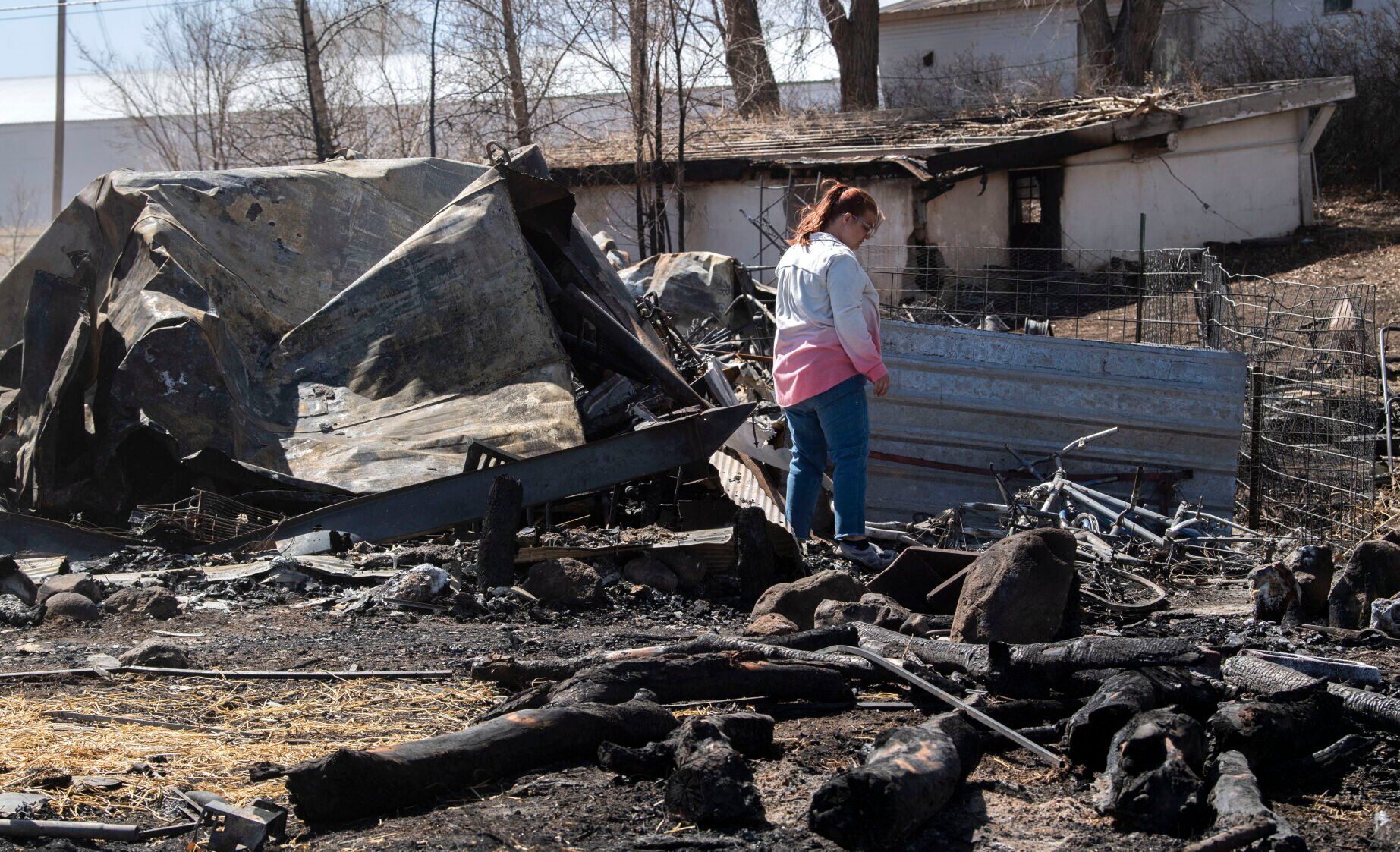
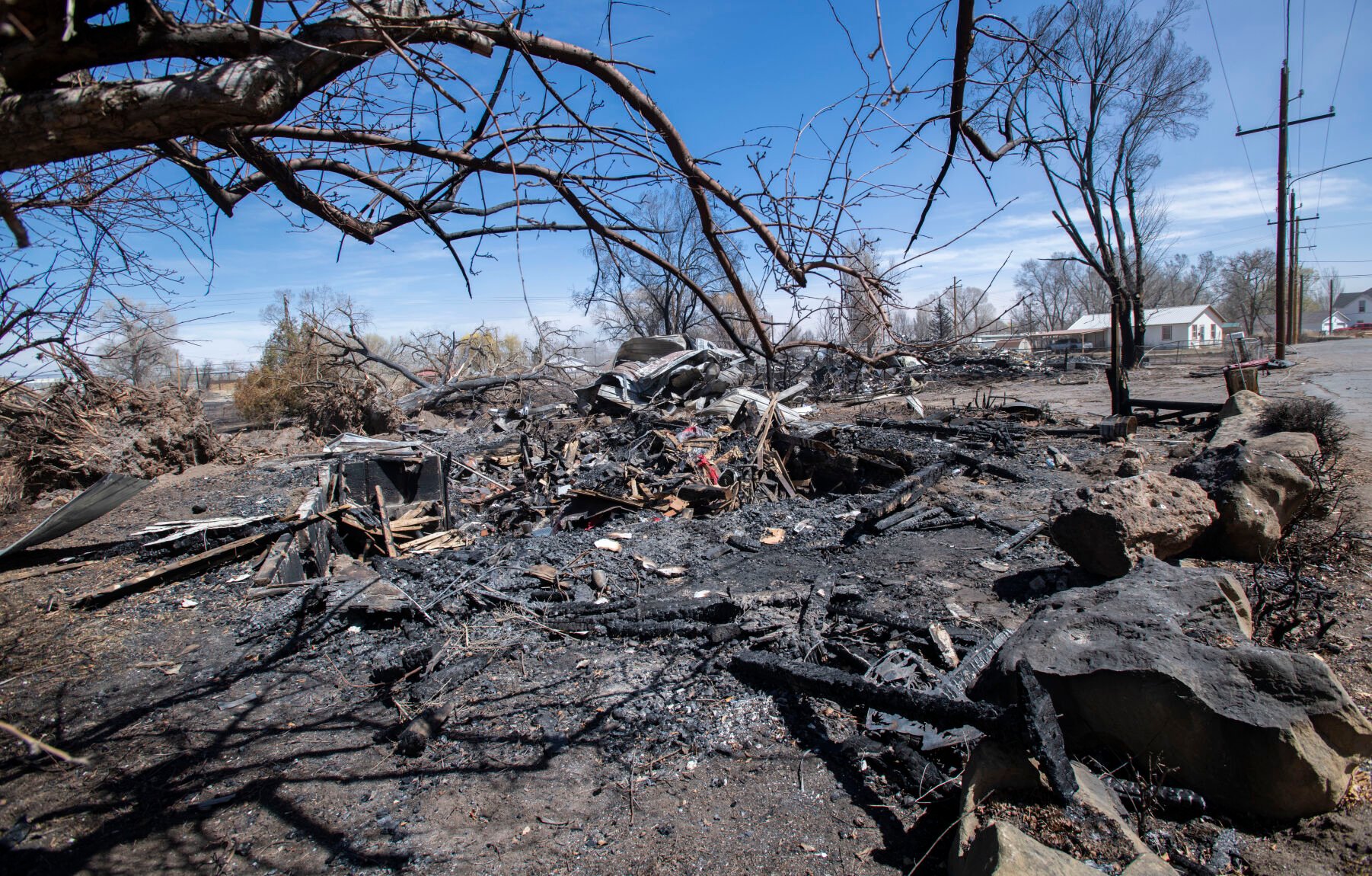
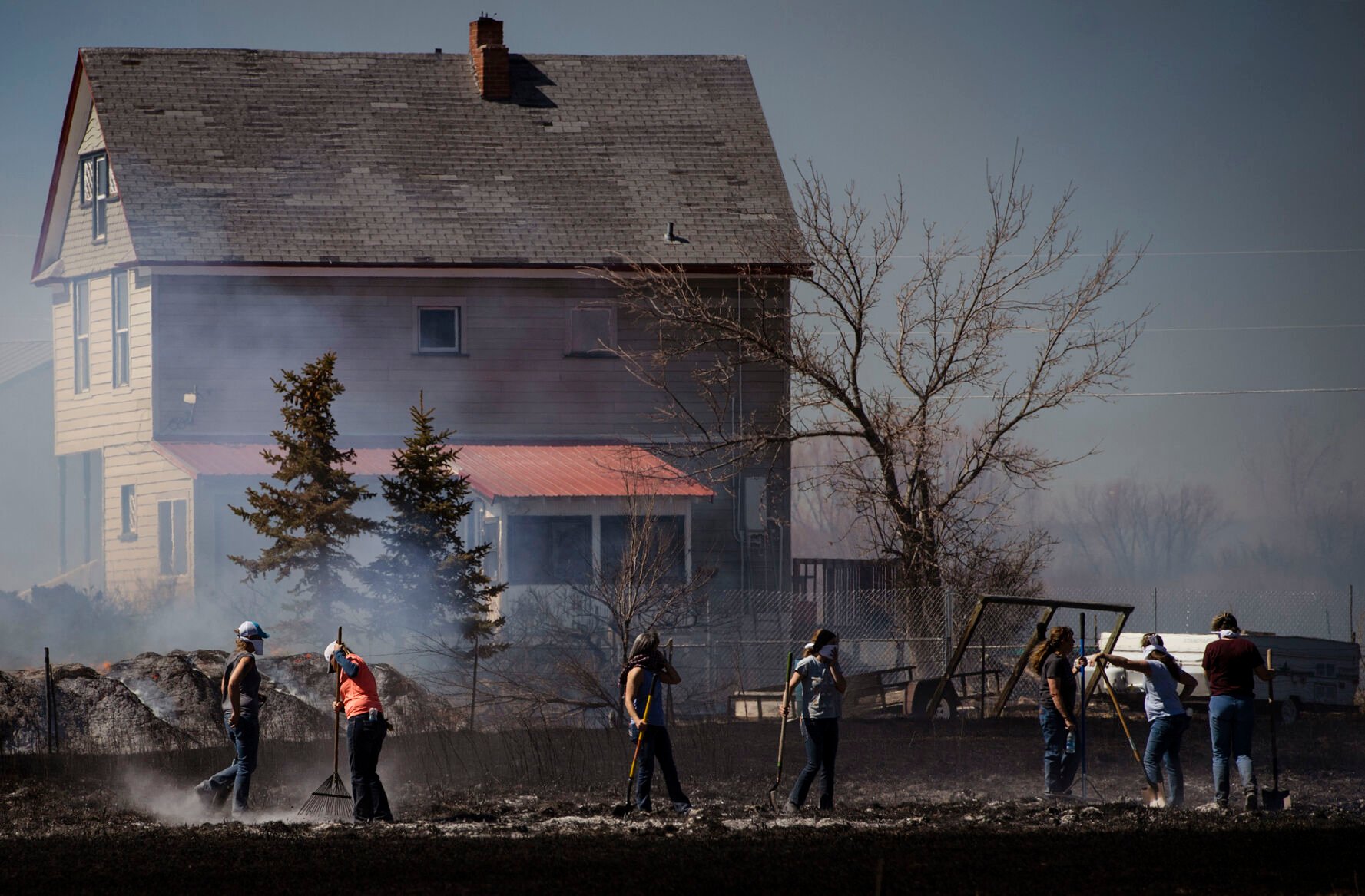
After two years of drought, the grasses, shrubs and trees are tinder dry in El Paso County and across the state, cranking up the April fire risk to what the state would normally see in summer.
“This is looking more like the middle of June as far as the fuels and the fire danger indices are tracking right now,” said Coleen Haskell, wildland fire meteorologist for the Rocky Mountain Area Coordination Center.
The scientific measure of how hot fuels can burn, known as the energy release component, is in the 97th percentile in the Colorado Springs area, way above the maximum record, she said.
Combine that with wind and the severe fire danger is as high as it gets for eastern Colorado and eastern New Mexico, she said. On Friday, Colorado set a record for the highest fire danger in a decade, said Mike Morgan, director of the Colorado Division of Fire Prevention and Control.
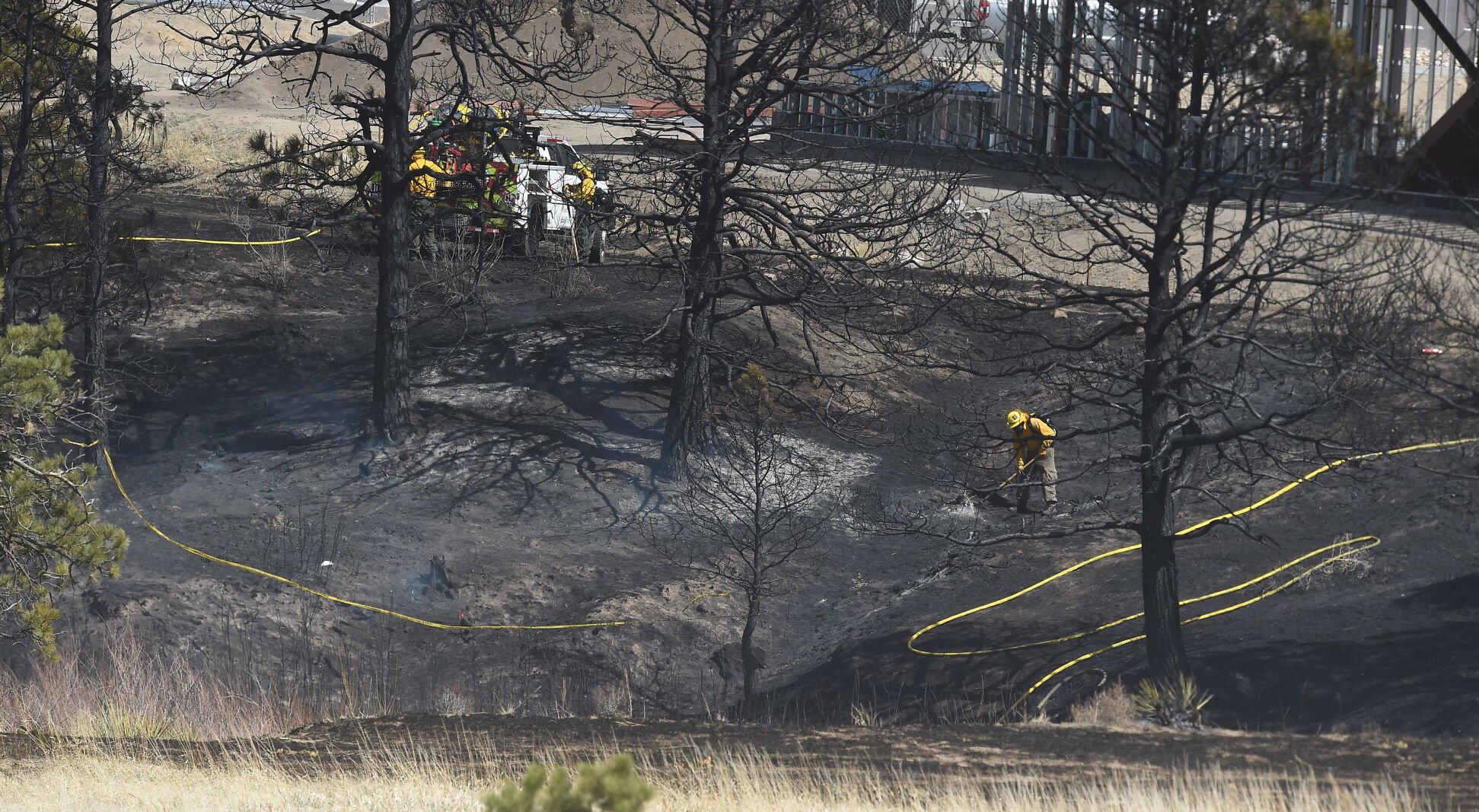
Amid those intense conditions, a welding accident on Friday started a fire near InterQuest Parkway and Interstate 25 that swept through a drainage area, burning 17 acres and triggering the evacuation of 500 homes. No structures were lost or homes damaged, but it was one of many instances of fires triggering evacuations in recent days.
In the past week, evacuations have been called in Longmont, Lyons, Gypsum, Boulder, Trinidad and Eagle County, said U.S. Rep Joe Neguse, D-Lafayette. In the town of Monte Vista wildland fire consumed 17 structures and six families were displaced last week.
“This is the highest risk April we have ever had,” Gov. Jared Polis said Friday. It is possible conditions could heat up into the worst fire season in the state’s history, Senate President Steve Fenberg said.
VIDEO: Polis speaks after fire in Colorado Springs
To be prepared, state officials announced nearly $20 million in additional funding Friday to add air support, improve dispatch services, and introduce new satellite technology that will allow firefighters to see where all the firetrucks and aircraft are around a fire.
‘This was our home.’ Monte Vista residents pick up pieces following 17-acre blaze
The additional state contracts will add two Type 1 helicopters, the largest and fastest, a large air tanker and extend the contract of another air tanker, Polis said. The dedicated aircraft are important because Colorado competes with 19 other states for federal firefighting air support.
Wildfires are off to an accelerated start across the country, burning 20% more acres compared to the 10-year average, according to the National Interagency Fire Center. Many of those fires have burned across the southeast and the plains, Haskell said.
Colorado is seeing extreme conditions even though it received average snowpack. Drought last summer and fall left the soils so dry an average snowpack could not provide enough moisture to catch up, Haskell said. The snow also came late, compounding the problem, she said.
“It was the shortest snow year we have seen in history,” she said, speaking to conditions across her five-state region, which includes Colorado.
In Colorado Springs, only .01 inch of moisture has fallen in April, well below the 1.45 inches that the city would see on average for the month, according to the National Weather Service.
It is not unusual to see grass fires during April in Colorado, the windiest time of year, but it has been exacerbated by the drought conditions, said Becky Bolinger, the assistant state climatologist.
Fire risk probably will decrease in May as the vegetation greens up. However, new grass will dry out in June, contributing to the fire danger during what is traditionally the most active fire month in Colorado, Haskell said.
If spring runoff happens faster than normal, it can also contribute to higher fire risk earlier in the season. But, for the most part, runoff in Colorado has not been accelerated by high temperatures as of yet, Bolinger said.
A monsoon in July and August could temper the extreme fire danger, but they have been inconsistent in recent years. The failure of the monsoon to reach the state contributed to the record-setting East Troublesome and Cameron Peak fires in 2020, she said. Plus when soil is dry, it pumps dry heat into the air that cannot produce thunderstorms.
“Our hit-and-miss thunderstorms could be more miss than hit,” she said.
In Colorado Springs, the vegetation has been slightly more moist in the northern parts of town than the southern, Fire Marshal Brett Lacey said. But he expects all the fire fuels will keep drying out.
Silver Charm fire in north Colorado Springs, sparked by illegal hot work, burns estimated 17 acres
The city expects to soon start fire-mitigation projects, funded by a $20 million November ballot measure, to help combat that risk. Lacey expects a committee to review the first projects in May.
The department has hired nine seasonal employees who will work on chipping vegetation from mitigation projects. Contractors will do many of the other larger projects.
Residents can reduce fire risk on their own properties by clearing dead vegetation, mowing tall dead grass and starting to irrigate.
He urged everyone to also register for Peak Alerts to get fire evacuation notices.
Fire officials are hosting a series of informational town halls about fire awareness and preparedness for individual Colorado Springs neighborhoods. A listing of events can be found at coswildfireready.org.




The Denver Broncos are on the ballot this fall | Jon Caldara
Jon Caldara
jon-caldara@coloradopolitics.com
Updated 3 days ago
Do you want the Broncos to win the Super Bowl? Then you’d better hope Amendment 87 — which brings back Colorado’s economy-strangling “graduated” income tax — loses at the ballot box this fall. Seriously. Forget Republicans and Democrats. Forget tax...
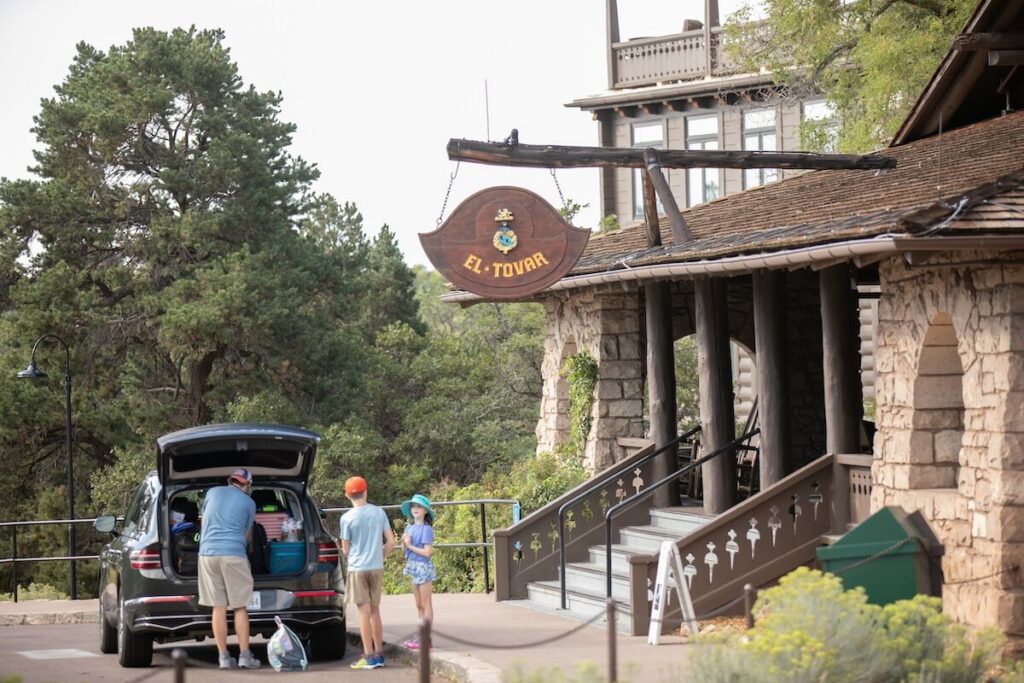
Grand Canyon flooding threatens economy that’s still recovering from a fire | OUT WEST ROUNDUP
Ernest Luning
ernest.luning@coloradopolitics.com
Updated 4 days ago
ARIZONA Flooding slams park’s economy Deadly flooding at the Grand Canyon is damaging the area’s economy, with a washed-out pipeline severing the South Rim’s water supply and shutting down lodging at the popular tourist vista for an indefinite period. The...

Was there ever a Colorado city that required racial segregation by law? | BOB LOEVY
Bob Loevy
bob-loevy@coloradopolitics.com
Updated 2 days ago
The answer is “yes.” The Black Racial Equity Study Commission, led by Colorado Senate President James Coleman, has learned the city of Fruita had laws forbidding black people from being on the city streets at night and from being buried...

Mark Kiszla: Her name is Hope. She’s quiet, but scores loud goals for the Buffs
Mark Kiszla
mark.kiszla@denvergazette.com
Updated 1 day ago
BOULDER – CU soccer sensation Hope Leyba speaks softly and carries a big kick. On a Colorado summer evening when the clouds hovering near the Flatirons lit up like a Monet painting at sundown, I went to watch the greatest...

Immigration reporting measure fuels debate over Colorado’s role with ICE
Marissa Ventrelli
marissa.ventrelli@coloradopolitics.com
Updated 13 hours ago
A coalition of advocacy groups and several district attorneys rallied outside the Colorado Capitol on Thursday to oppose a ballot measure that, if approved by voters in November, would require state and local law enforcement to cooperate with federal immigration...
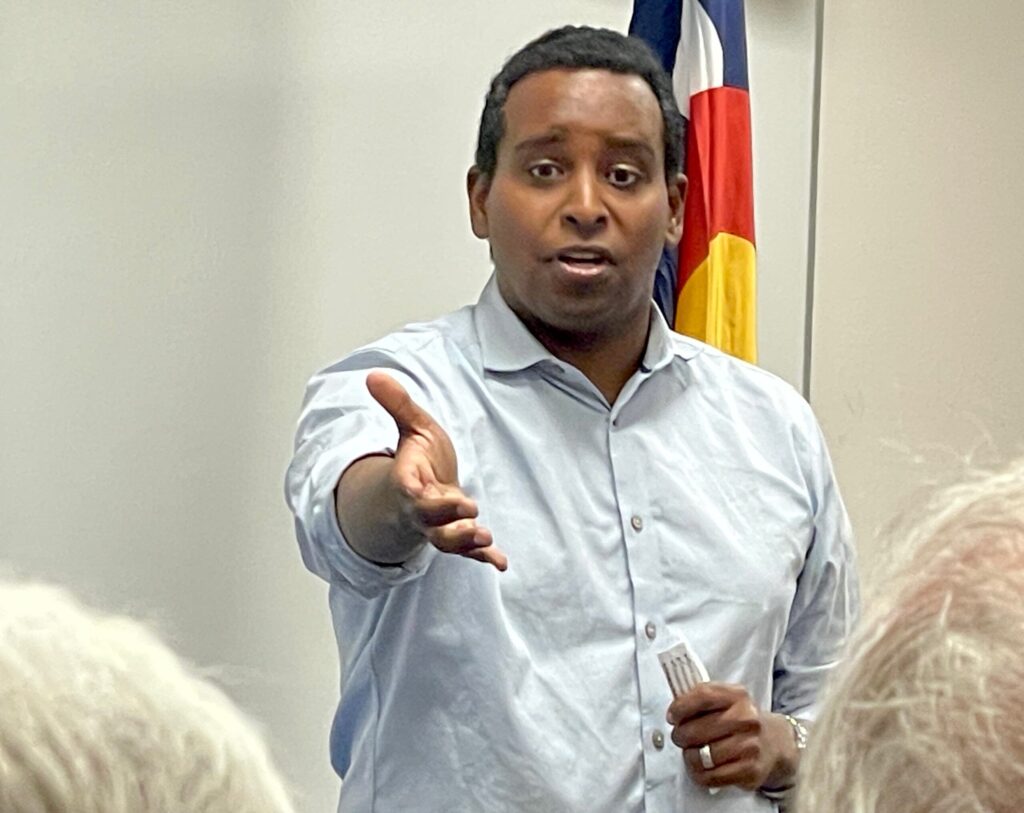
The African roots of three Colorado leaders | SONDERMANN
Eric Sondermann
eric-sondermann@coloradopolitics.com
Updated 4 days ago
Colorado’s political transformation is measured in many ways. A once reliably red state (with asterisks) became purple and is now a rather deep blue. For better or worse, probably the latter, power is ever more consolidated along the Front Range...
Colorado Politics Calendar Sept. 14-20
Rachael Wright, Special to Colorado Politics
rachael.wright@coloradopolitics.com
Updated 4 days ago
CoPo’s weekly political calendar will help you find political and public-policy events throughout Colorado. It includes candidate and issue campaign events, public policy meetings, court hearings, state and local party conventions, assemblies, debates, rallies, parades, speaking engagements, traveling dignitary appearances,...
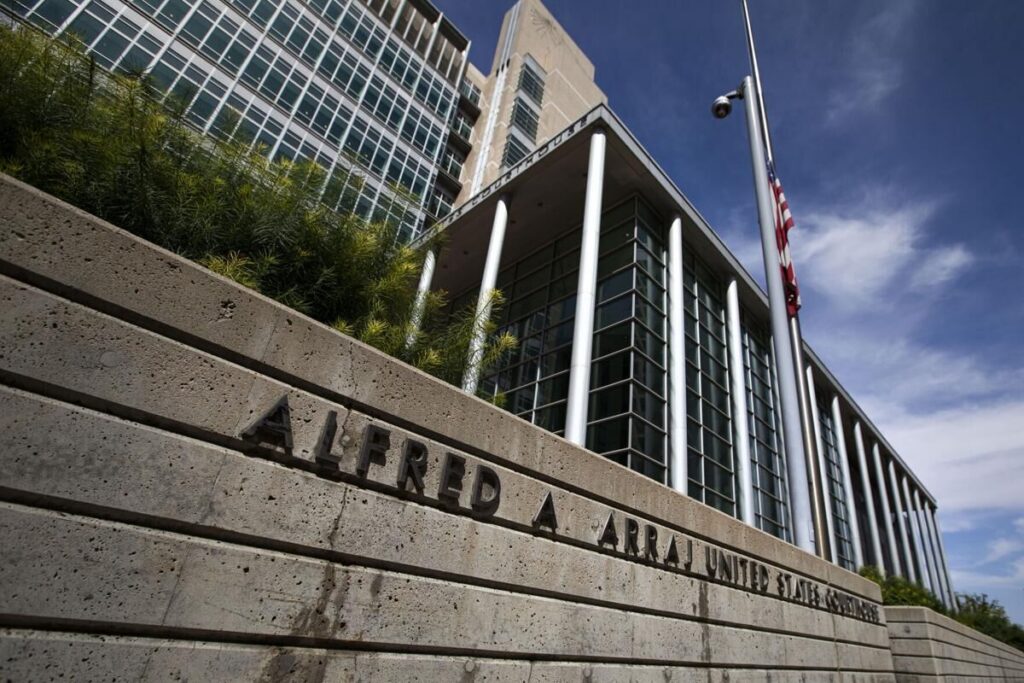
Federal judge green-lights civil trial against ex-Fort Collins DUI officer
Michael Karlik
michael.karlik@coloradopolitics.com
Updated 2 days ago
A federal judge ruled on Thursday that Fort Collins’ former “DUI officer” will face a civil trial for allegedly investigating a motorist for impaired driving without any reasonable suspicion to do so. In recent years, several people arrested by Officer...

Denver police reopen 13 sex assault cases after retesting Missy Woods’ CBI work
Jenny Deam
jenny.deam@gazette.com
Updated 13 hours ago
Thirteen previously closed Denver sexual assault cases have been reopened after the city’s crime lab retested DNA evidence once analyzed by former Colorado Bureau of Investigation forensic analyst Yvonne Woods. A police spokesperson told The Denver Gazette the once-closed cases...

Ballot measure aims to shift Colorado sporting goods tax revenue to land, water and wildfire projects
Marissa Ventrelli
marissa.ventrelli@coloradopolitics.com
Updated 1 day ago
Colorado voters this November will decide whether to direct a share of sales tax revenue from sporting goods — including bicycles and skiing equipment — toward land and water conservation, wildfire prevention and expanding outdoor recreation. Supporters say the measure...