

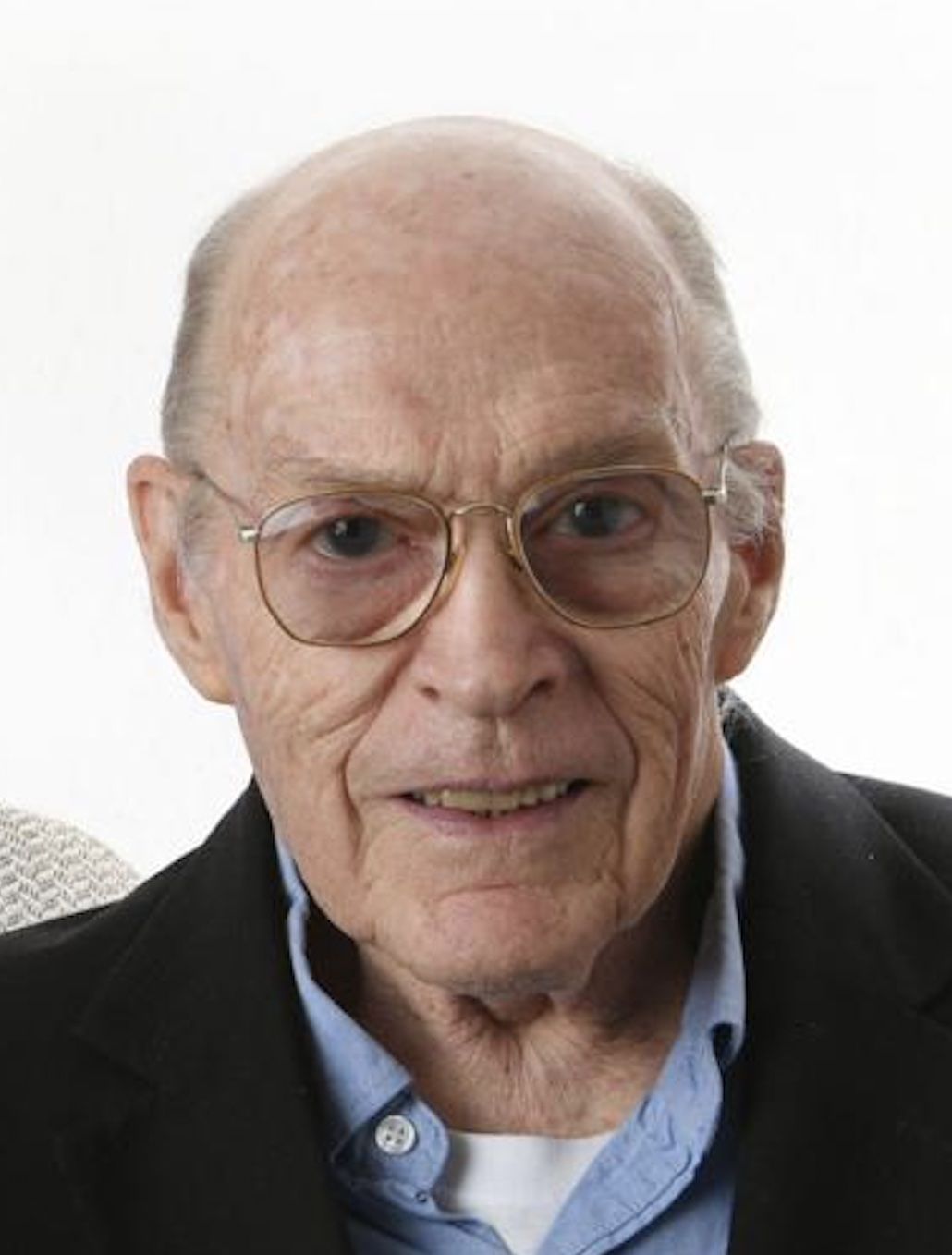
Was there ever a Colorado city that required racial segregation by law? | BOB LOEVY
The answer is “yes.”
The Black Racial Equity Study Commission, led by Colorado Senate President James Coleman, has learned the city of Fruita had laws forbidding black people from being on the city streets at night and from being buried in the all-white local cemetery.
Fruita is a small city located to the west of Grand Junction on the Western Slope. It is on the Colorado River and close to Colorado National Monument.
So far, it is the only Colorado city known to have racial segregation laws similar to those found throughout the south and the border states during the late 19th and early 20th century.
Laws requiring black citizens to be off the city streets at night were called “sundown laws” and often were rigidly enforced. They were only one of an entire set of laws that limited black lives called Jim Crow.
Other well-know Jim Crow restrictions were racially segregated restaurants, hotels, motels, hospitals and swimming pools.
The racial segregation of cemeteries and other burial grounds such as mausoleums was also a widespread custom in the south and the border states.
In more populous cities in the south, there were completely segregated black cemeteries in which black citizens could be buried. In the case of small cities, however, blacks often had to find unsegregated burial grounds in nearby cities or out in rural areas.
It was the segregated cemeteries law, rather than the “sundown law,” that made most of the news in Fruita.
In 1937, a popular African American cowboy, Charlie Glass, passed away and was buried in Elmwood Cemetery in Fruita. His burial occurred without any public mention or concern for the Fruita city law forbidding blacks from being buried with whites.
In 1952, a black family drove through Fruita on their way from Alabama to Yakima, Washington state. The large truck they were driving and riding in became involved in a serious traffic accident, and one of the family members, 14-year-old Margaret Minter, was killed.
The plight of the Minter family was widely reported in the news media in Fruita, and there was a great outpouring of public sympathy for the family.
The Minter family was large in size, consisting of 10 or so people of both sexes and all ages. Mertie Minter, Margaret’s mother, injured her neck in the truck accident, which required the entire Minter family to remain for several days in Fruita.
The white residents in Fruita offered the black family a free place to live, food and drink and other help during their stay.
Fruita officials made an exception to the “sundown” rules and let the Minters stay overnight.
When the Minter family went to bury Margaret Minter’s body in Elmwood Cemetery in Fruita, however, it was pointed out that was prohibited by the city law enforcing racial segregation in the cemetery.
Public officials in Fruita were quick to react to the news Elmwood Cemetery was racially segregated.
Mayor Lewis Moore called an emergency meeting of the Fruita City Council, which voted unanimously to repeal the law segregating the cemetery. Judge Engels Harris physically tore the old segregation law out of the city ordinance book.
As it turned out, the Minter family stayed in the city of Fruita for the next two years before returning to Louisiana.
What conclusions can be drawn from the recently discovered fact that the city of Fruita had laws on the books forbidding blacks to be out on the streets of the city at night or to be buried with white people in the local cemetery?
There is bad news and good news.
The bad news is there was at least one city in Colorado that had Jim Crow-type laws that limited the behavior of black citizens when in the city.
The particular laws in Fruita required black citizens to be off the streets at night and did not allow black persons to be buried in the all-white local cemetery.
The good news is the city of Fruita is the only instance discovered so far by the Black Racial Equity Study Commission of there being such discriminatory racial Jim Crow laws in Colorado.
Bob Loevy is a retired professor of political science at Colorado College who writes about Colorado and national politics.


Immigration reporting measure fuels debate over Colorado’s role with ICE
Marissa Ventrelli
marissa.ventrelli@coloradopolitics.com
Updated 7 hours ago
A coalition of advocacy groups and several district attorneys rallied outside the Colorado Capitol on Thursday to oppose a ballot measure that, if approved by voters in November, would require state and local law enforcement to cooperate with federal immigration...

Ballot measure aims to shift Colorado sporting goods tax revenue to land, water and wildfire projects
Marissa Ventrelli
marissa.ventrelli@coloradopolitics.com
Updated 7 hours ago
Colorado voters this November will decide whether to direct a share of sales tax revenue from sporting goods — including bicycles and skiing equipment — toward land and water conservation, wildfire prevention and expanding outdoor recreation. Supporters say the measure...

Fighting for every Colorado rural hospital on the eastern plains | GUEST COLUMN
Colorado Politics
colorado-politics@coloradopolitics.com
Updated 2 days ago
By Lauren Boebert After touring Melissa Memorial Hospital in Holyoke and Wray Community District Hospital — two of more than a dozen rural hospitals in my district — I was again reminded why I fight for them in Washington. The...

Fix Colorado without shortchanging taxpayers | GUEST COLUMN
Colorado Politics
colorado-politics@coloradopolitics.com
Updated 2 days ago
By Lisa Frizell If we truly want to fix Colorado, we must respect taxpayers, demand accountability and prioritize classroom results. Proposition NN fails the test. The far left put forth this measure, presenting it as the only way to fund public...

New anti-gun legislation is about preventing firearm ownership, not safety | GUEST COLUMN
Colorado Politics
colorado-politics@coloradopolitics.com
Updated 2 days ago
By Ava Flanell It’s been a little more than a month since the most radical anti-gun legislation went into effect in Colorado history: Senate Bill 25-003. Originally intended as an “assault weapons ban,” Colorado Democrat sponsors settled for a complicated...
Denver sues Trump to block armed ICE agents from polling sites
Deborah Grigsby
deborah.smith@denvergazette.com
Updated 2 days ago
The city of Denver, along with several groups, sued the Trump administration Thursday, seeking to block U.S. Immigration and Customs Enforcement officers who are armed from polling sites during the upcoming midterm elections. In fact, there are no official orders...
Colorado doctors, dentists challenge state law on gender‑transition services in new federal lawsuit
Marissa Ventrelli
marissa.ventrelli@coloradopolitics.com
Updated 4 hours ago
A group of Christian doctors and dentists has filed a federal lawsuit challenging a Colorado law they say requires them to provide gender‑transition services that conflict with their religious and ethical beliefs. The lawsuit, filed by the Christian Medical and...
Colorado ed department must up its competence to prevent waste, fraud, abuse | Paula Noonan
Paula Noonan
paula-noonan@coloradopolitics.com
Updated 3 days ago
The Colorado Department of Education let $24 million fly from its checking accounts from January 2017 through June 2026 to CHE, aka Colorado Homeschool Enrichment. The details show how easily CHE and Education Re-Envisioned BOCES re-envisioned how to convert public...
Remember the injustice of forced unionism | GUEST COLUMN
Colorado Politics
colorado-politics@coloradopolitics.com
Updated 3 days ago
By Mark Mix This Labor Day we celebrated the men and women whose hard work keeps the country running. But in Colorado, many of those same workers face a real threat: pay union dues or lose their job. That’s because...

Should we always blame voters for low civic participation in elections? | GUEST COLUMN
Roland Halpern
roland-halpern@coloradopolitics.com
Updated 3 days ago
This year, like every election cycle, we hear the same complaints — enough citizens don’t vote. Voter turnout is too low. People are disengaged. Citizens are shirking their civic responsibility. If only voters cared more, democracy would work better. Fair...
