

State farmers, ranchers merit Congress’ investment
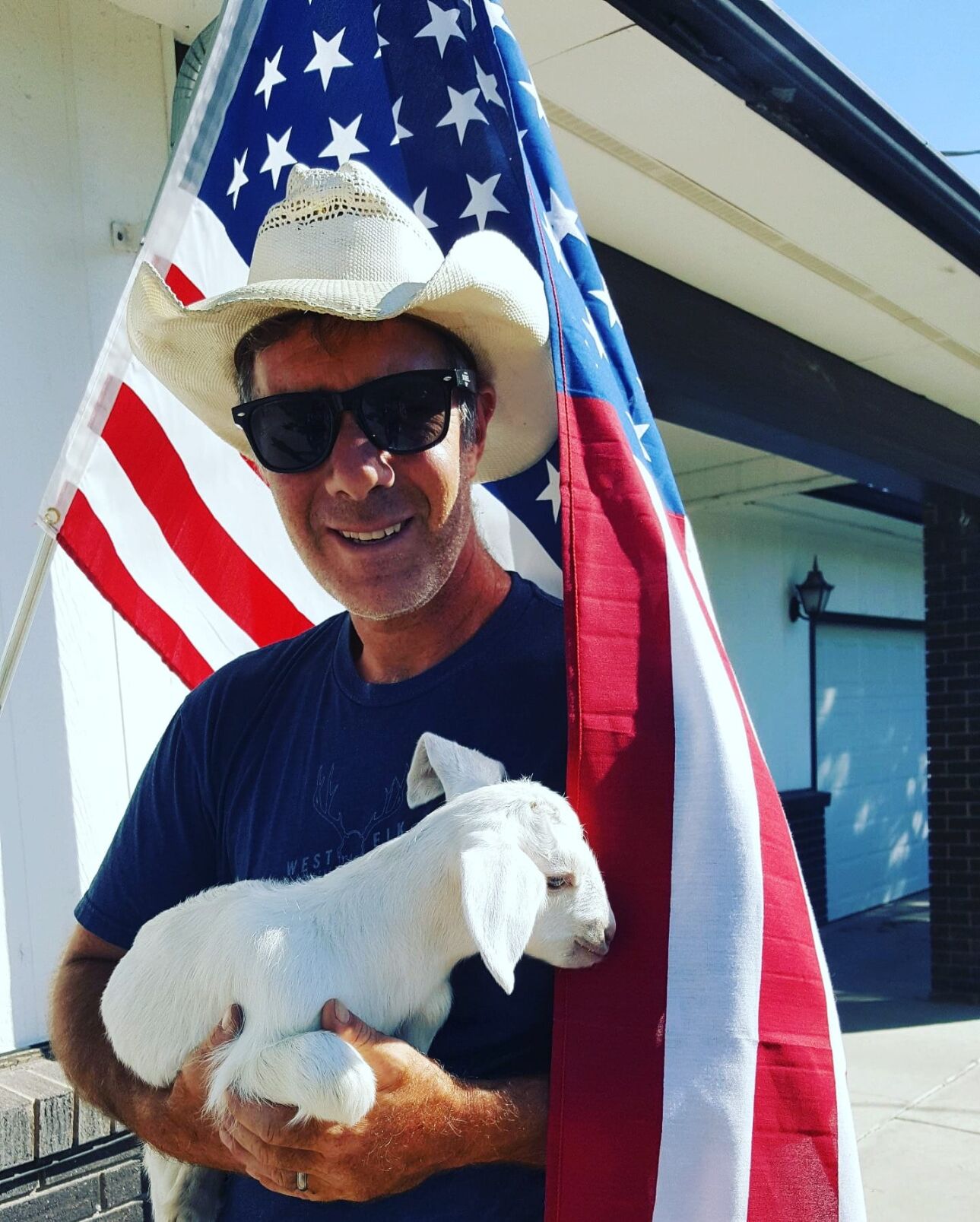
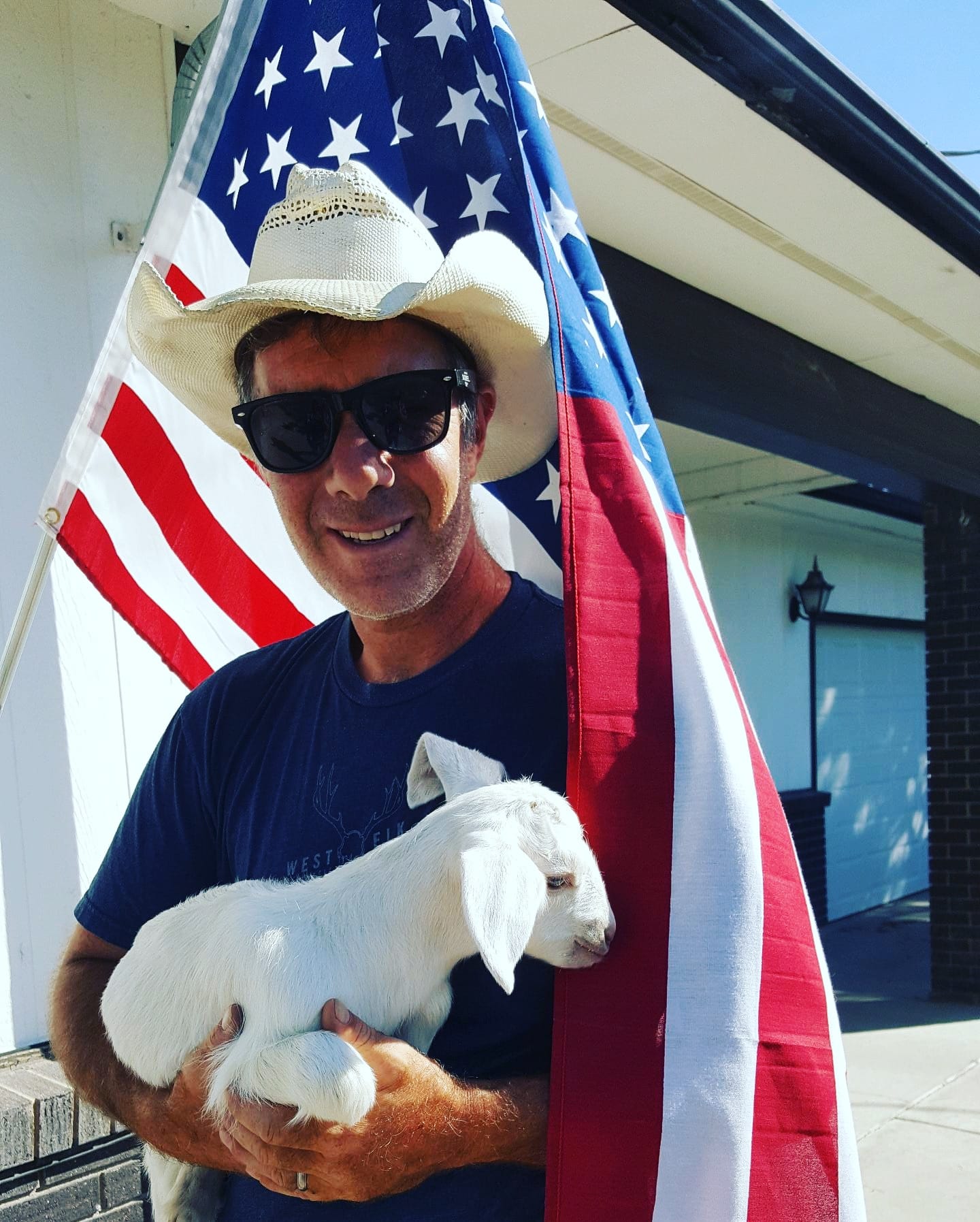
It’s no secret that Colorado’s natural beauty is a major attraction, for residents and visitors, life-long or new arrival. Our natural and public lands are a significant reason why Colorado’s population has grown by nearly 15% over the last decade. According to a 2019 Statewide Comprehensive Outdoor Recreation Plan, 92% of Coloradans participate in outdoor recreation at least once every few weeks, and our hunting opportunities, public lands to explore, and ski resorts are appreciated worldwide. The land also serves another purpose at least as important to the state’s identity and economy – agriculture.
Colorado’s diverse agriculture and food industry generates around $40 billion in economic activity every year. Nationally, Colorado ranks in the top ten in production of nearly 25 commodities, from cattle and calves to orchard fruits, grapes, and melons. At our small operation we run a dairy herd and produce high-quality artisanal goat cheeses – including Manchego, cheddar, feta and chevre which is sold at our farm store and in stores and markets across the Western Slope.
Unfortunately, farmers and ranchers in Colorado are facing daunting challenges related to climate change, especially persistent drought. Water levels in the state’s reservoirs, as they are across the Colorado River Basin, are way down. Hotter weather means drier ground and more evaporation, both of which make it harder for precipitation to reach its destination. The results are already being felt. Ditches are being shut off early. Storage is far below capacity. That’s all punctuated by an announcement from the Ute Mountain Ute Tribe Farm & Ranch Enterprise that it had to lay off half its workers, only planting one-tenth of the amount of corn that it had been able to in prior years. Hotter temperatures are also difficult for our goats, and everything needs more water as the world heats.
Good land stewardship can make a real difference when it comes to protecting water resources. And it’s increasingly clear that we are going to have to change the ways that we conserve our lands. Thankfully, we already have programs in place to do that. Within the Farm Bill that Congress passes every five years is funding for critical programs that enable agricultural operators to protect high-priority farm and ranch lands, improve water quality, enhance wildlife habitat and much more.
Regrettably, these conservation programs are routinely oversubscribed. Nationally, as many as 75% of qualified applicants are turned away, which means that demand for conservation on 13.8 million acres goes unmet. Ample investment in these programs is crucial to fighting climate change, supporting rural communities, and ensuring a sustainable environment.
That investment could happen shortly, as these programs are on track to receive a little over $27 billion as part of President Biden’s Build Back Better agenda. However it may be passed in the Congress, as part of a reconciliation package or otherwise, this funding would be a historic investment in the future of America’s farms and has been endorsed by a coalition of over 160 farmer, rancher, sportsmen, and wildlife groups. Both of Colorado’s U.S. Senators, Michael Bennet and John Hickenlooper, have expressed support for the bill and its conservation and climate provisions.
One program set to receive a significant increase in funds through the Build Back Better bill is the Environmental Quality Incentives Program (EQIP). A critical program in Colorado, EQIP promotes agricultural production and environmental quality by providing assistance to agricultural producers and non-industrial forest managers to deliver environmental benefits. Since the beginning of the program, over $190 million have been granted to Coloradans for the purpose of building or improving irrigation systems or water control and management.
To address the issue of healthy habitats for Colorado, the Working Lands for Wildlife Program, which is also funded through the Farm Bill, focuses on conservation efforts to boost land productivity, which enriches wildlife habitats. Among species in decline that the program is successfully rehabilitating in Colorado are native Colorado cutthroat trout, sage grouse and the Lesser Prairie Chicken,
Working Lands for Wildlife does not only help the animal species it targets for habitat protection and restoration. Landowners benefit by lowering their input costs and improving efficiency and yields, and the program protects critical landscapes for the public too. These programs also support hunters and anglers by preserving lands, waters and habitats. And these practices also create other environmental benefits for everyone, such as cleaner water and air and healthier soil – all to help to mitigate against climate change.
Although recent news has reported its demise, the Build Back Better investment would be a once-in-a-generation opportunity for rural America to be put in the driver seat and to fundamentally improve conservation across the country. And it is too soon to give up on this important effort that would benefit rural Americans and communities across the nation. Colorado should be grateful U.S. Sens. Hickenlooper and Bennet support these investments and are committed to delivering for our farmers and ranchers. I hope their colleagues in the U.S. Senate, whichever side of the aisle they come from, will not let this setback deter them from doing good for our farmers and ranchers and will support these historic investments.
David & Suanne Miller established Western Culture Creamery & Farmstead in Paonia in 2015 and became USDA licensed in 2018. They are committed to producing the highest quality goat cheese from their small sustainable farm on the Western Slope.

Sans seniors, what does Colorado’s uninterested early turnout say about our disengaged electorate? | Paula Noonan
Paula Noonan
paula-noonan@coloradopolitics.com
Updated 1 day ago
This primary election is poorly attended. Evidence is in the numbers. About 10% of active registered voters are deciding this year’s primaries with seven days to go. If that number triples by June 30, only 30% of voters will decide...
Who gets to decide Colorado’s economic future? | GUEST COLUMN
Colorado Politics
colorado-politics@coloradopolitics.com
Updated 1 day ago
By Sarah Blackhurst Colorado’s prosperity depends on industries that grow our food, build our future and power our homes. But today, these sectors face an invisible threat from 5,000 miles away: the European Union’s Corporate Sustainability Due Diligence Directive (CS3D)....
We have the chance to change Colorado’s cancer outcomes | PODIUM
Colorado Politics
colorado-politics@coloradopolitics.com
Updated 1 day ago
By Erika Hanson Brown Colorado ranks among the healthiest states in the nation by nearly every measure. Yet even here — amid the Rocky Mountains and our deeply rooted culture of health and activity — cancer casts a long and...

Colorado has a playbook for youth mental health — our next governor must use it | GUEST COLUMN
Colorado Politics
colorado-politics@coloradopolitics.com
Updated 3 days ago
By Karen Ron-Li Liaw From the rural communities on the western slope to the eastern plains, to the major urban regions on the Front Range, Colorado families are navigating an all-too-familiar crisis: kids are struggling, and Colorado’s mental health system...

Pigs engineered to fight alpha-gal syndrome | Rachel Gabel
Rachel Gabel
rachel-gabel@coloradopolitics.com
Updated 3 days ago
If I were an evil genius trying to hamstring animal agriculture, I would create a fly that eats livestock alive and a tick whose bite and spit causes some people to have an allergic reaction to meat. (Insert evil laugh...
Registered voters on the eve of the 2026 primaries | Cronin & Loevy
Tom Cronin Bob Loevy
tom-cronin-bob-loevy@coloradopolitics.com
Updated 5 days ago
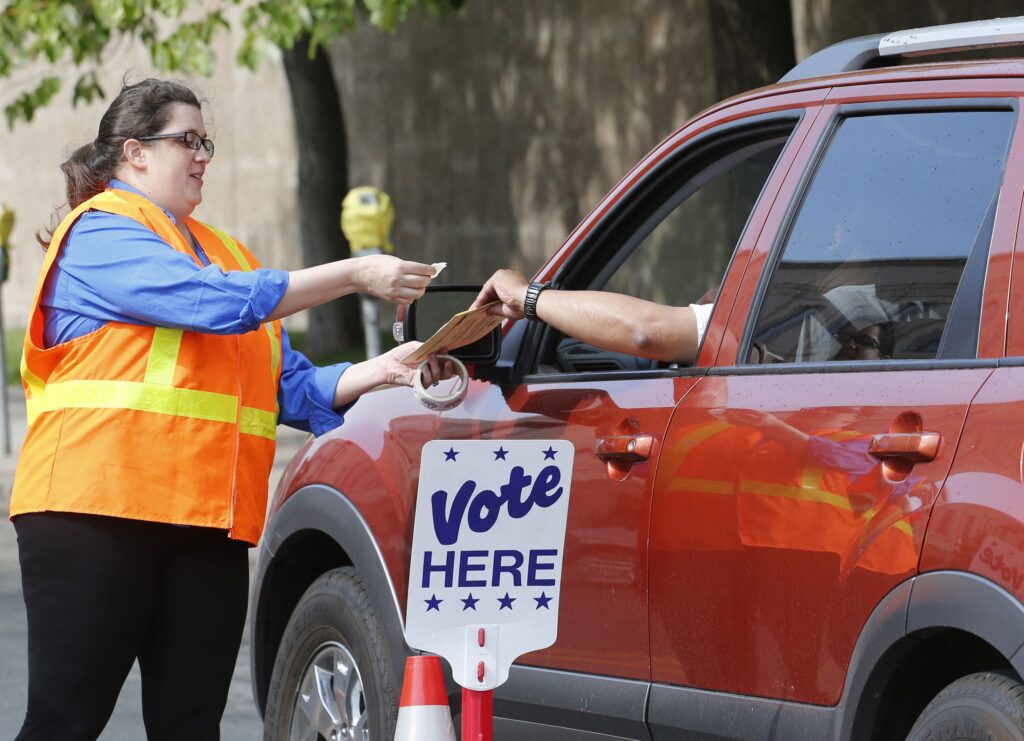
The Colorado Secretary of State’s Office has published the latest voter registration figures for the state and its counties as of June. Colorado ranks among the highest states for independent, or unaffiliated, voters. Only Alaska and Massachusetts have more. New Hampshire, New Jersey, Maine and Oregon also rank highly. So here...

A room for Sundance, a reality check for big-government Boulder | Jon Caldara
Jon Caldara
jon-caldara@coloradopolitics.com
Updated 1 week ago
There are few things more satisfying to watch than socialists getting mugged by reality. The Sundance Film Festival is invading my hometown of Boulder early next year. Sundance drew 85,000 attendees last year in Park City, Utah. Boulder’s hotel room...
Rep. Jeff Crank thinks Democrats are too focused on Trump, not enough on Colorado Springs | Vince Bzdek
Vince Bzdek
vince.bzdek@gazette.com
Updated 4 days ago
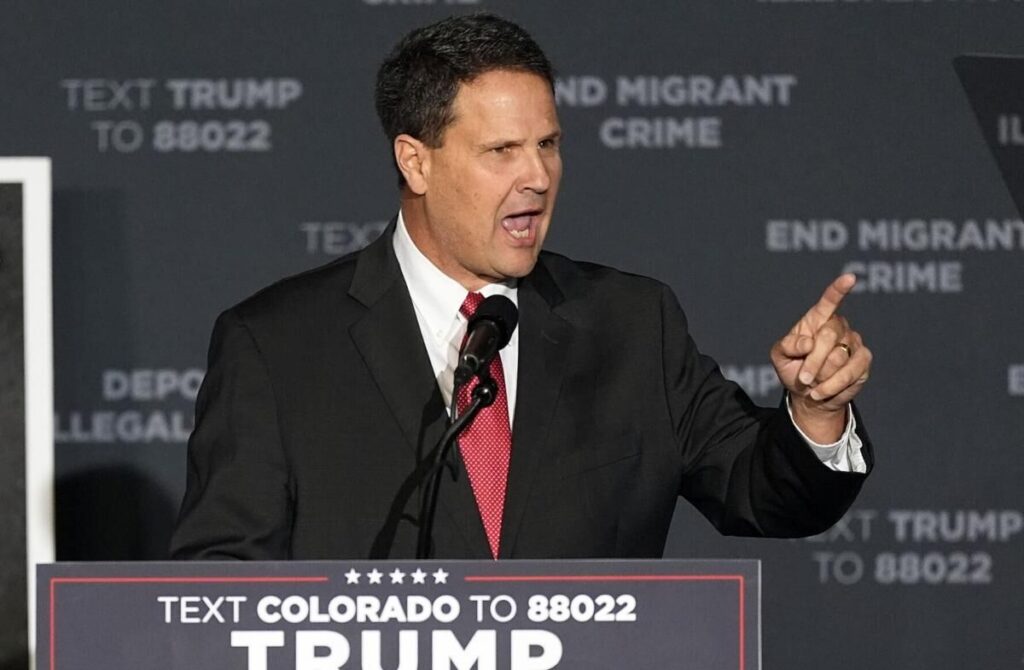
For U.S. Rep. Jeff Crank, who’s unopposed in the Republican primary for the 5th Congressional District but the main target of both candidates in the lively Democratic primary, the big question in the midterms is not who will stand up...
Does character matter anymore? | SONDERMANN
By Eric Sondermann
by-eric-sondermann@coloradopolitics.com
Updated 1 week ago
The last few weeks have been illuminating in the manner of a headlamp pointing the way to some deep, dark, murky netherworld. Graham Platner, a hero to the populist set on the Democratic side, became his party’s Senate nominee in...

Private equity has no place in health care | GUEST COLUMN
Colorado Politics
colorado-politics@coloradopolitics.com
Updated 1 week ago
By Miah Ntepp Of all the financial pressures placed on working people in this country, the skyrocketing costs of health care rank near the top. As families struggle under the cuts to Medicaid made by the Trump administration, they are...
PREV
PREVIOUS

Innovation, not a new tax, is state's methane fix
Jordan McGillis Colorado companies are leading a national revolution in energy industry emissions reduction, but politicians in Washington are failing to keep pace with the changes. The latest evidence is the new methane fee tucked within the $1.75 trillion Build Back Better plan that has passed the House and awaits Senate deliberation. The methane fee […]

BIDLACK | Reasonable request or improper frill?
Hal Bidlack In previous columns I’ve mentioned that one of my favorite features found on the Colorado Politics website is the Out West Roundup. It’s a great place to get caught up on a wide variety of news across our region. But there is another roundup section I want to recommend to you, and that […]