

Denver committee OKs emission reductions, energy improvements for large buildings

The Denver City Council safety committee unanimously approved an ordinance Wednesday that would require all large commercial and multifamily buildings in the city to reduce greenhouse gas emissions and improve energy performance.
The ordinance now advances to the full council for two final votes in the coming weeks.
In Denver, commercial and multifamily buildings produce 49% of the city’s greenhouse gas emissions, according to the Office of Climate Action, Sustainability and Resiliency.
“We are not on track to achieve our climate goals of cutting building energy use 30% by 2030. Instead, building energy use continues to go up,” said Katrina Managan, who leads the office’s Buildings and Homes Team.
If passed, the ordinance would require buildings 25,000 square feet or larger to achieve 30% energy savings by 2030, with interim goals set in 2024 and 2027.
Buildings between 5,000 and 24,999 square feet would have to install all LED lights or use solar power to meet 20% of energy usage. Those deadlines range from December 2025 for larger buildings to December 2027 for smaller buildings.
Council advances spending plan for $100 million of federal COVID recovery funds
In addition, the ordinance would gradually require buildings to use electric heating systems when they replace existing gas systems.
In 2025, electric heat pumps would be required when easy to electrify systems need to be replaced (like furnaces, rooftop units and individual water heaters). In 2027, electric heat pumps would be required for harder to electrify systems as well (like PTACs, boilers and central hot water).
“This ordinance represents climate benefits that are huge and impressive,” said Christine Brinker with the Southwest Energy Efficiency Project. “This really makes Denver a leader and is something we can truly be proud of.”
The changes would reduce greenhouse gas emissions from Denver’s buildings by roughly 80% by 2040, according to the Southwest Energy Efficiency Project.
The ordinance would not influence single-family homes, but the city said it plans to launch outreach efforts to encourage homeowners to go electric.
Colorado Water Trust aids environment, but big challenges lie ahead
“It’s exciting,” said Councilman Jolon Clark. “I think it’s a perfect example of Denver at its best when we come together. … To have speaker after speaker come up from all different sides of this, and not one person in opposition.”
A potential argument against the ordinance is that the new requirements would strain Denver’s electric system. But the city said the system is already built to withstand high air conditioning during the summer, so the electric heating would not cause issues or require infrastructure buildout.
The ordinance seeks to prevent cost concerns by including exemptions for replacing gas heating systems with electric if electric would be significantly more expensive. In these cases, the city intends to cover the costs if the building applies for an economic hardship exemption.
Brinker said the city will also offer other forms of exemptions for buildings that struggle to meet the goals established in the ordinance.
“We built in flexibility at every single step,” Brinker said. “Buildings that can’t achieve their trajectory can request an alternative compliance pack, they can request a different compliance timeline, they can request an adjustment to their end goal.”
Buildings that fail to comply with the ordinance would pay fees slightly higher than the cost of compliance, the city said.



Trump lowers flags to half-staff for Dolly Parton: ‘The World loves you’
Naomi Lim
naomi-lim@coloradopolitics.com
Updated 28 minutes ago
President Donald Trump is honoring the life of country music legend and philanthropist Dolly Parton by ordering federal buildings across the country to lower flags to half-staff for a week. “Very sad to report that Dolly Parton, one of the...
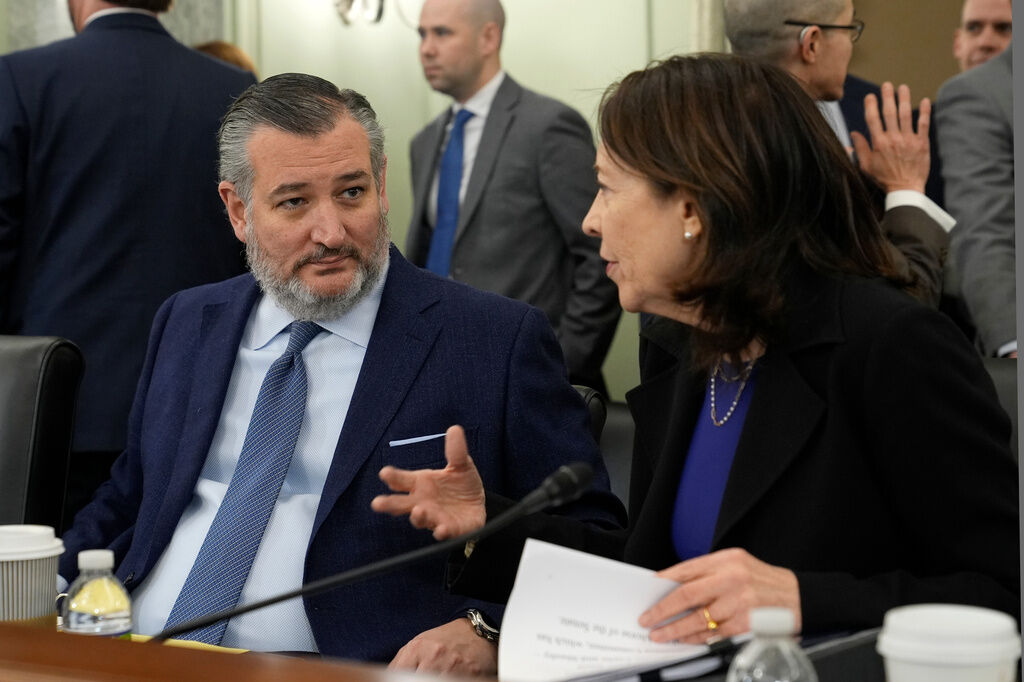
Ted Cruz suggests GOP realignment coming after Trump leaves office
Emily Hallas
emily-hallas@coloradopolitics.com
Updated 30 minutes ago
Sen. Ted Cruz (R-TX) on Monday suggested the Republican Party could embrace a directional shift after President Donald Trump leaves office, a transition that promises to leave a gaping hole in the GOP. Cruz is known as a critical ally...

2 Colorado State troopers shot near Woodland Park; suspect killed
DEBBIE KELLEY
debbie-kelley@coloradopolitics.com
Updated 27 seconds ago
Two Colorado State Patrol troopers were hospitalized, and a suspect is dead after a shooting during a traffic stop Tuesday. The initial incident happened at about 7:15 a.m., when a resident reported suspicious activity in the area near milepost 286...

Aurora moves forward with data center regulations
Kyla Pearce
kyla.pearce@gazette.com
Updated 12 minutes ago
The Aurora City Council approved moving forward with two new regulations on data centers and directed staff to come back at the next study session with others. At a council meeting in early August, council members directed city management to...

Aurora City Council considers stricter food truck regulations
Kyla Pearce
kyla.pearce@gazette.com
Updated 11 minutes ago
The Aurora City Council is considering passing laws to limit the number of food trucks on properties in the city and how and when they operate. Councilmember Angela Lawson, who sponsored the ordinance, said she understands the importance of food...

Denver murder conviction reversed for incomplete self-defense instruction
Michael Karlik
michael.karlik@coloradopolitics.com
Updated 4 hours ago
Colorado’s second-highest court reversed a defendant’s murder conviction last week because a Denver judge gave an incomplete instruction to the jury about the man’s right to self-defense. Donald R. Gonzales and Gary McLaughlin met up in a Capitol Hill parking...
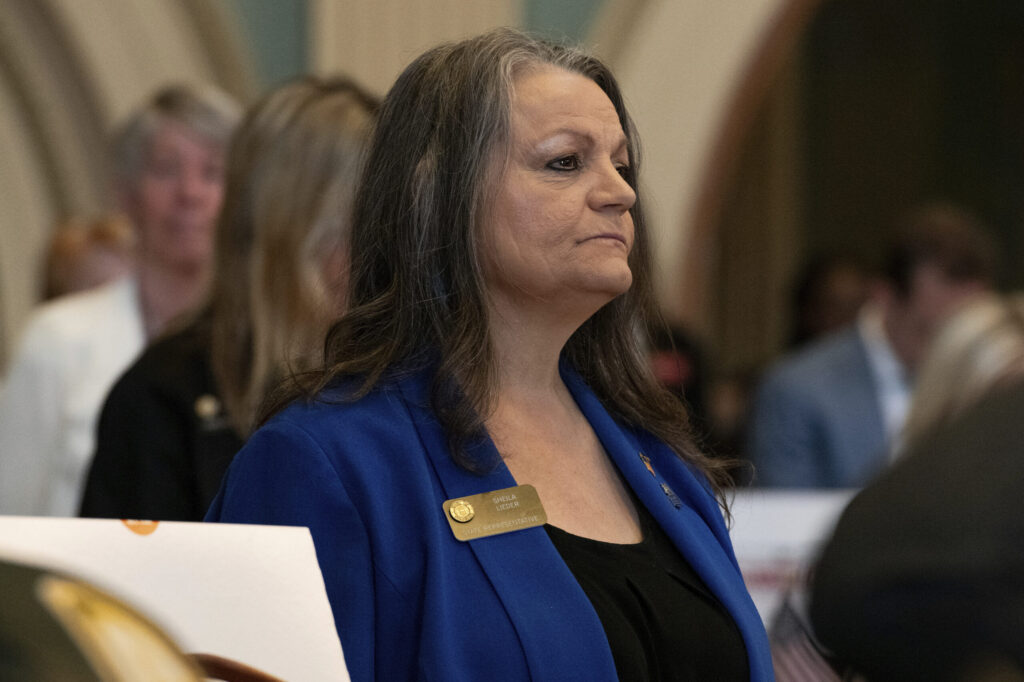
Colorado lawmaker, House leaders named in workplace-retaliation lawsuit
Marianne Goodland
marianne.goodland@coloradopolitics.com
Updated 57 minutes ago
A former legislative aide has filed a lawsuit alleging she was mistreated, illegally directed to perform campaign work and harmed by a House leadership structure she charged was fragmented, politicized and ineffective at protecting employees. The lawsuit, filed by Jennifer...

Secret Service confirms awareness of Iranian state media video threatening Barron Trump’s life
The Associated Press
the-associated-press@coloradopolitics.com
Updated 6 hours ago
WASHINGTON (AP) — The U.S. Secret Service has confirmed it is aware that Iranian state media has aired a video that appears to threaten the life of Barron Trump, President Donald Trump’s youngest son. “The U.S. Secret Service is aware...
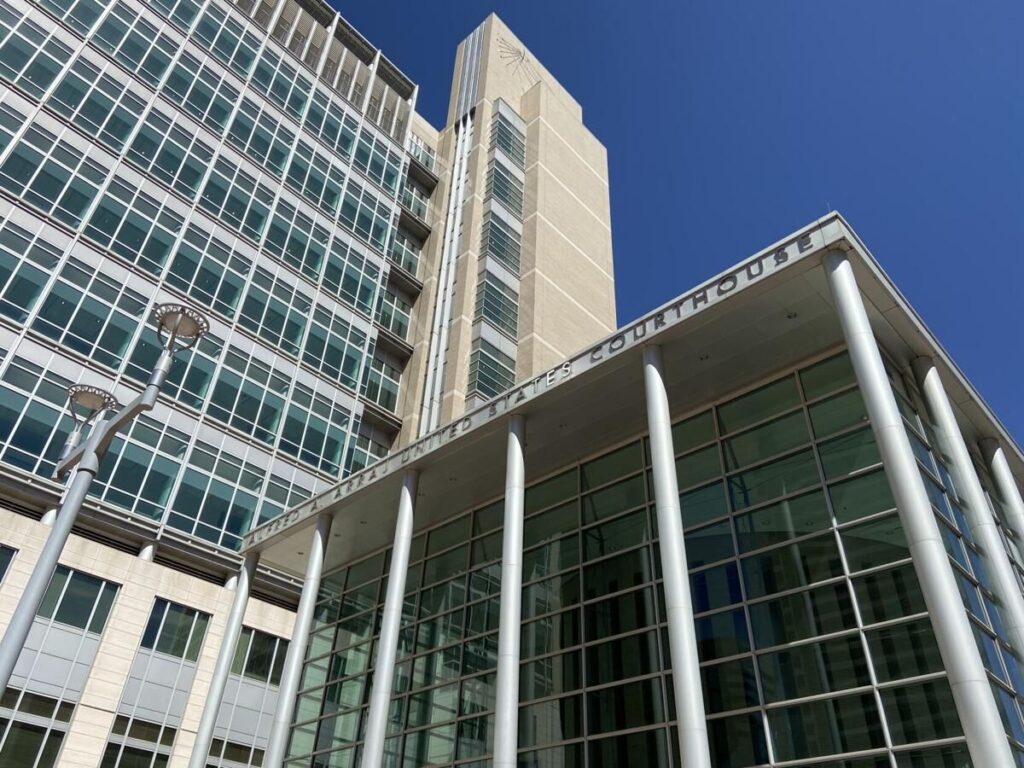
Federal judge hears arguments about Colorado’s 3-day gun purchase waiting period
Michael Karlik
michael.karlik@coloradopolitics.com
Updated 6 hours ago
A federal judge heard arguments on Monday about the constitutionality of a 2023 Colorado law that generally imposes a three-day waiting period on firearm purchases after the initiation of a background check. The test that the U.S. Supreme Court created...

Denver auditor finds oversight failures in $175.6M 16th Street project
Nico Brambila
nico.brambila@denvergazette.com
Updated 4 minutes ago
Surprise historic sewer discovery delayed completion a year, cost $18M The Denver Auditor recently found significant oversight and contracting problems with the $175.6 million 16th Street Improvement Project, including an $18 million contract increase and a nearly one-year extension that...
PREV
PREVIOUS

National Republicans add Ed Perlmutter to expanded list of House targets
U.S. Rep. Ed Perlmutter is among the House Democrats included on an expanded target list released Wednesday by a national Republican group that says it’s expanding the map following GOP wins in Virginia. The Arvada Democrat is seeking a ninth term in Colorado’s 7th Congressional District under new boundaries approved Monday by the state’s Supreme […]

NONPROFIT REGISTER | Celebrate National Adoption Month by joining a virtual conversation next week
RAISE THE FUTURE Denver News: November is National Adoption Month and Colorado families wishing to learn more about the need for adoptive parents and services provided by Raise the Future are invited to join in a virtual conversation with chief executive officer Ann Ayers on Nov. 10. The Zoom session begins at 2 p.m. Mountain […]