

Political anger: it works for politicians and some voters, not so much for democracy, study says
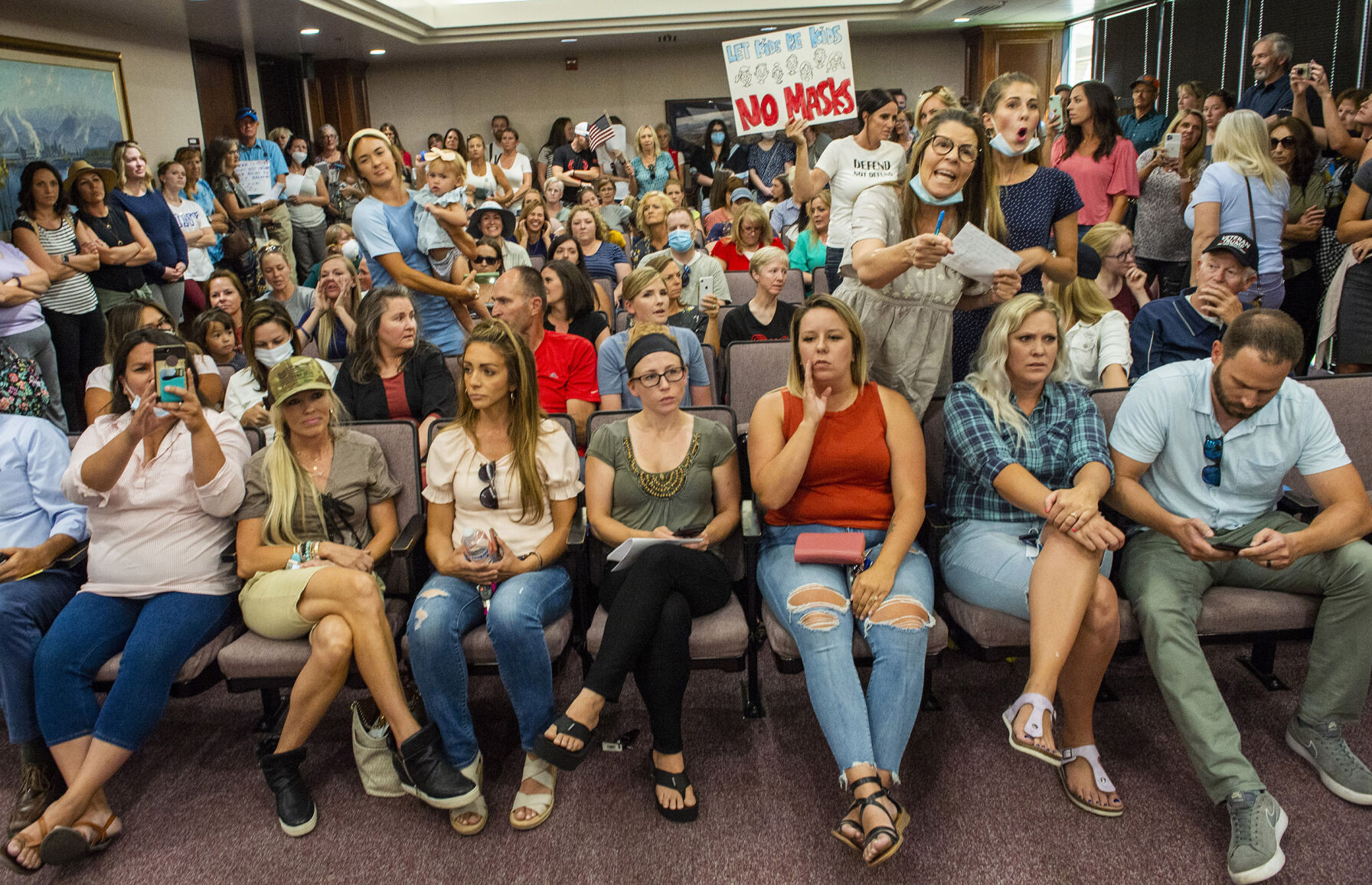
All the anger in politics may have a short-term benefit for politicians and voters alike, according to a study published this month in the Political Research Quarterly.
The study, by Carey Stapleton at CU Boulder and Ryan Dawkins at the U.S. Air Force Academy, surveyed 1,400 individuals online, and found that angry politicians make for angry voters, but that may motivate voters to the ballot box.
“Politicians want to get reelected, and anger is a powerful tool that they can use to make that happen,” Stapleton said in a news release Monday.
“Anger is a very strong, short-term emotion that motivates people into action,” he added. “But there can be these much more negative implications in the long term. There’s always the potential that anger can turn into rage and violence.”
The study took the form of an experiment, using stories about made-up politicians running for an open Congressional seat in Minnesota, and fake news stories on immigration policy. “Unbeknownst to the study’s subjects, neither the candidates nor their debate were real.”
“In some cases, the faux politicians used language that tipped into outrage (although it might still look tame in the current political landscape). ‘When I look at our borders, I’m enraged by what I see,’ an example. In other cases, the soap boxers stuck to more neutral language.”
“We report being angrier after seeing our fellow partisans being angry,” Stapleton said. “When the other side is angry, it doesn’t seem to affect us much at all.”
But the author of a 2020 book, “American Rage: How Anger Shapes Our Politics,” says that such anger, while good for political campaigns, is bad for democracy.
“Politicians themselves are deliberately seeking to make Americans angry and they do this because when people are angry, they tend to vote loyally for their own party’s slate of candidates up and down the ballot,” according to Steven Webster, assistant professor of political science at Indiana University and as quoted by Voice of America.
“So, put simply, an angry voter is a loyal voter and because politicians are concerned with getting reelected, they make us angry to further that goal,” Webster said. Such anger also leads to less trust in government.
Stapleton says that when watching news, people should pay attention to how politicians may appeal to or even manipulate emotions to get what they want. “But anger is only part of the picture. In a previous study, he and his colleagues discovered that optimistic people are much more likely to be politically active than pessimists.
“Anger is one way we can get people to vote and get engaged in politics, but it’s not the only way,” he said. “It doesn’t have to be all doom and gloom.”


Boebert challenger Eileen Laubacher says she’ll ‘break through the noise’ in Democrat’s 1st TV ad
Ernest Luning
ernest.luning@coloradopolitics.com
Updated 49 minutes ago
Democratic congressional candidate Eileen Laubacher says she’ll take a different approach than her opponent in a campaign ad released Wednesday that opens with a cacophonous series of videos featuring Republican U.S. Rep. Lauren Boebert. “Eileen’s had enough of the noise...

Jason Crow endorses Democrats up and down Colorado’s ballot, chips in $100K for campaign efforts
Ernest Luning
ernest.luning@coloradopolitics.com
Updated 1 day ago
Democratic U.S. Rep. Jason Crow on Tuesday formally endorsed more than 60 Democrats running up and down Colorado’s ballot and said he’s putting $100,000 into statewide and county campaigns and organizing programs to drive turnout in the fall election. Crow,...

Colorado House ethics committee issues ‘stern letter’ to Democrat over caucus funds mismanagement
Marianne Goodland
marianne.goodland@coloradopolitics.com
Updated 1 day ago
The Colorado House ethics committee on Friday voted unanimously to issue a “stern letter” to Rep. Mandy Lindsay, D-Aurora, regarding her mismanagement of House Democratic caucus funds. The committee further voted to request that Lindsay resign as Democratic Caucus co-chair...
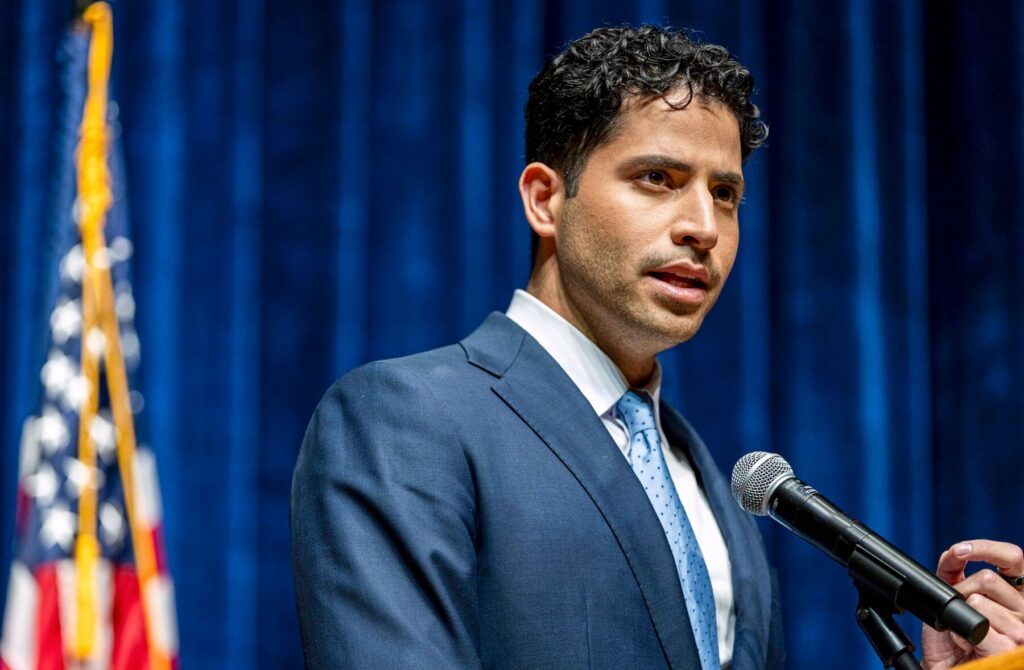
Manny Rutinel resigns from Colorado legislature to focus on congressional race
Marissa Ventrelli
marissa.ventrelli@coloradopolitics.com
Updated 1 day ago
The Democrat running for a key congressional race — whose outcome could decide the balance of power in the U.S. House — on Friday resigned from the Colorado legislature. State Rep. Manny Rutinel is turning his attention to his campaign...
State seeks $50K penalty against GOP candidate Victor Marx over alleged campaign finance violations
Deborah Grigsby
deborah.smith@denvergazette.com
Updated 1 day ago
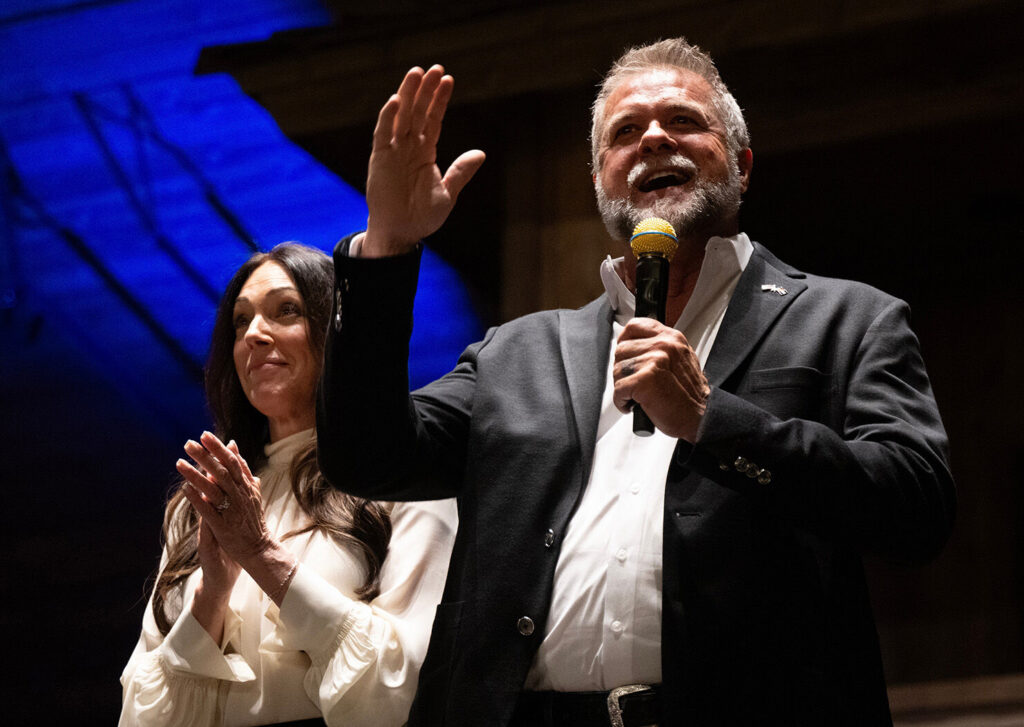
Republican gubernatorial candidate Victor Marx is looking at more than $50,000 in fines in what the Elections Division of the Office of the Secretary of State calls “unprecedented” campaign finance violations. The state has not imposed that fine yet, and...

Judge puts Colorado Libertarians’ secretary of state candidate on ballot after party’s 1st nominee drops out
Ernest Luning
ernest.luning@coloradopolitics.com
Updated 4 days ago
A Denver judge ruled Friday that the Colorado Libertarian Party’s pick for secretary of state will appear on the November ballot after the party’s original nominee withdrew one day after the deadline to replace minor party candidates. Following a hearing...
Fentanyl sentencing, tax overhauls, transgender issues anchor Colorado’s 14 ballot measures
Marissa Ventrelli
marissa.ventrelli@coloradopolitics.com
Updated 2 days ago
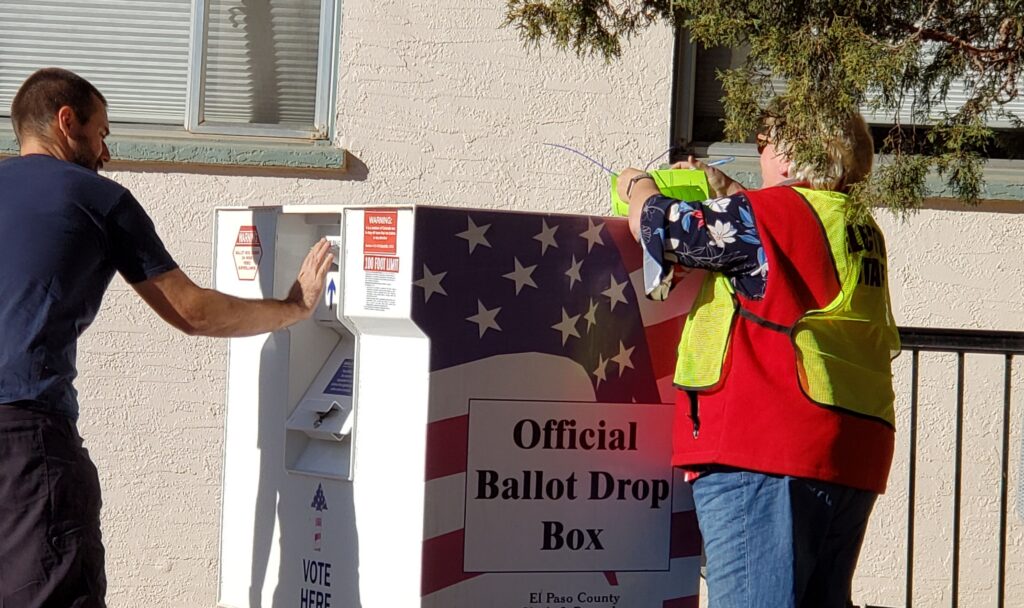
Fourteen statewide ballot measures await Colorado voters this November, offering a mix of criminal justice matters, tax overhauls and constitutional tweaks. Colorado’s 14 statewide ballot measures match the 2024 election for the most number in recent state history. The all-time...
House adopts Republican U.S. Rep. Jeff Crank’s resolution condemning socialism, mostly along party lines
Ernest Luning
ernest.luning@coloradopolitics.com
Updated 1 week ago
The U.S. House on Tuesday approved a resolution sponsored by U.S. Rep. Jeff Crank to condemn socialism in a largely party-line vote that the Colorado Republican characterized as a chance for lawmakers to “stand firm” against an ideology making inroads...

Capped or graduated income tax rate? Colorado voters to decide
Marianne Goodland
marianne.goodland@coloradopolitics.com
Updated 1 week ago
The proposal to create income tax tiers — which would replace Colorado’s flat rate — has been certified for the November general election ballot, setting the stage for a major showdown between two competing forces seeking to define the parameters of...

Colorado redistricting limits measure heads to November ballot
Marissa Ventrelli
marissa.ventrelli@coloradopolitics.com
Updated 1 week ago
A proposed constitutional amendment that would prohibit Colorado’s congressional maps from being redrawn outside of election cycles has qualified for the November ballot, according to the Secretary of State’s Office. Under Initiative No. 256, redistricting changes for the 2028 election...
PREV
PREVIOUS

NONPROFIT REGISTER | Denver-based foundation helped advocate for $15 million funding increase for Down syndrome
GLOBAL DOWN SYNDROME FOUNDATION Denver News: The Global Down Syndrome Foundation is celebrating the approval of a $15 million funding increase for the National Institutes of Health’s INCLUDE initiative. INCLUDE (Investigating Co-Occurring Conditions Across the Lifespan to Understand Down Syndrome) will fund what a spokesperson said is “some of the most neglected areas of research […]

Northern Colorado business leaders call for end to extra unemployment benefits, but reports say more issues at play
A letter to Gov. Jared Polis from Northern Colorado business leaders calls for an end to extra unemployment benefits, citing the labor shortage. One of two people mentioned in Monday news release, Pete Gazley of Total Facility Care, a commercial-cleaning service in Loveland, said the state’s economy is booming “but our small businesses are constrained […]