

Judge says feds violated no law in altering Rocky Flats trails
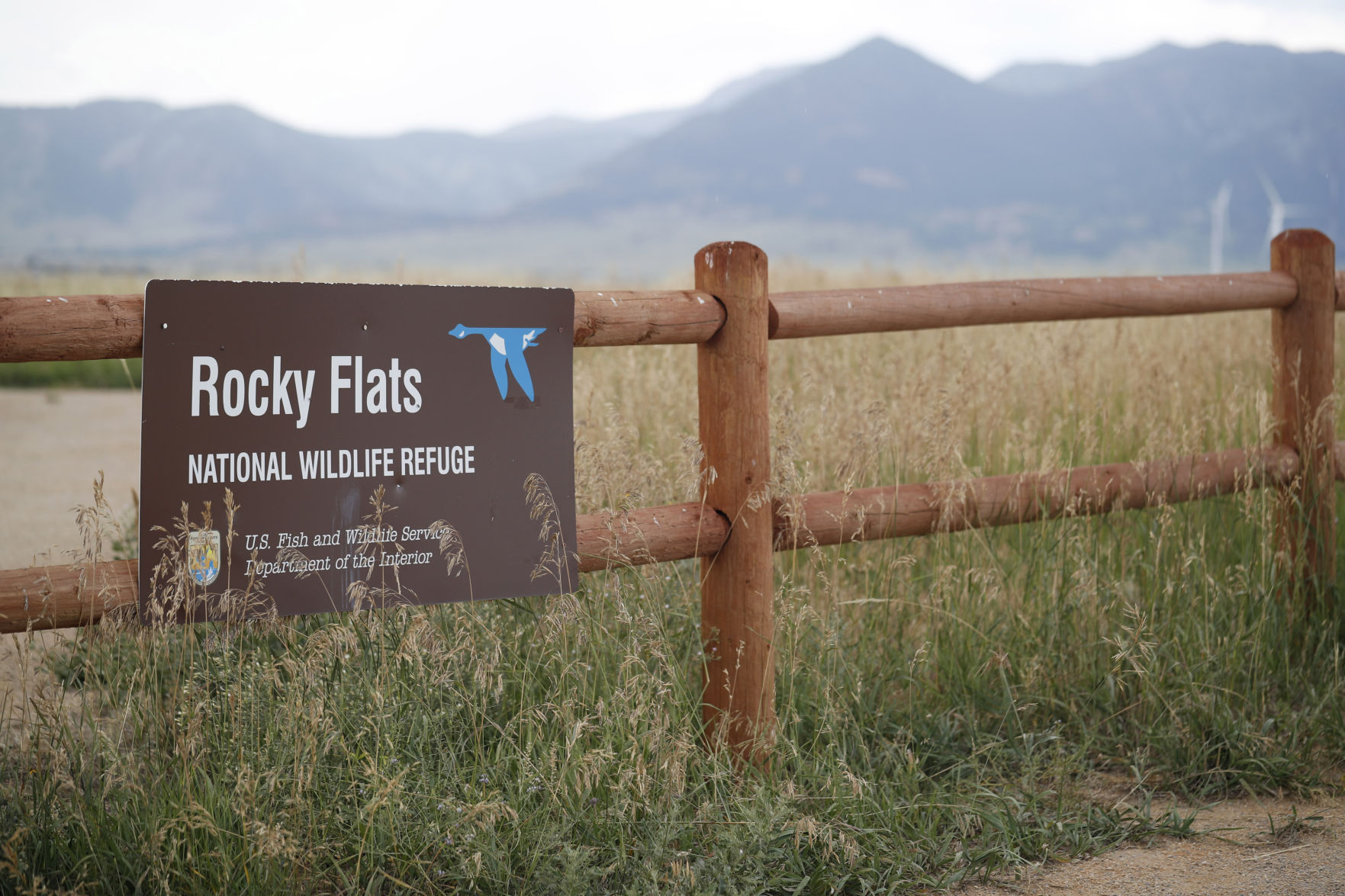
A coalition of groups concerned about the site of a former nuclear facility in Jefferson County have lost their battle to block the federal government from installing future trails at the Rocky Flats National Wildlife Refuge.
The organizations asked a court to determine that the U.S. Fish and Wildlife Service had based its decisions on outdated environmental analysis, and that the trails would affect endangered species. Further, they were concerned that construction would dislodge plutonium and cause it to “migrate through the air” and into homes downwind.
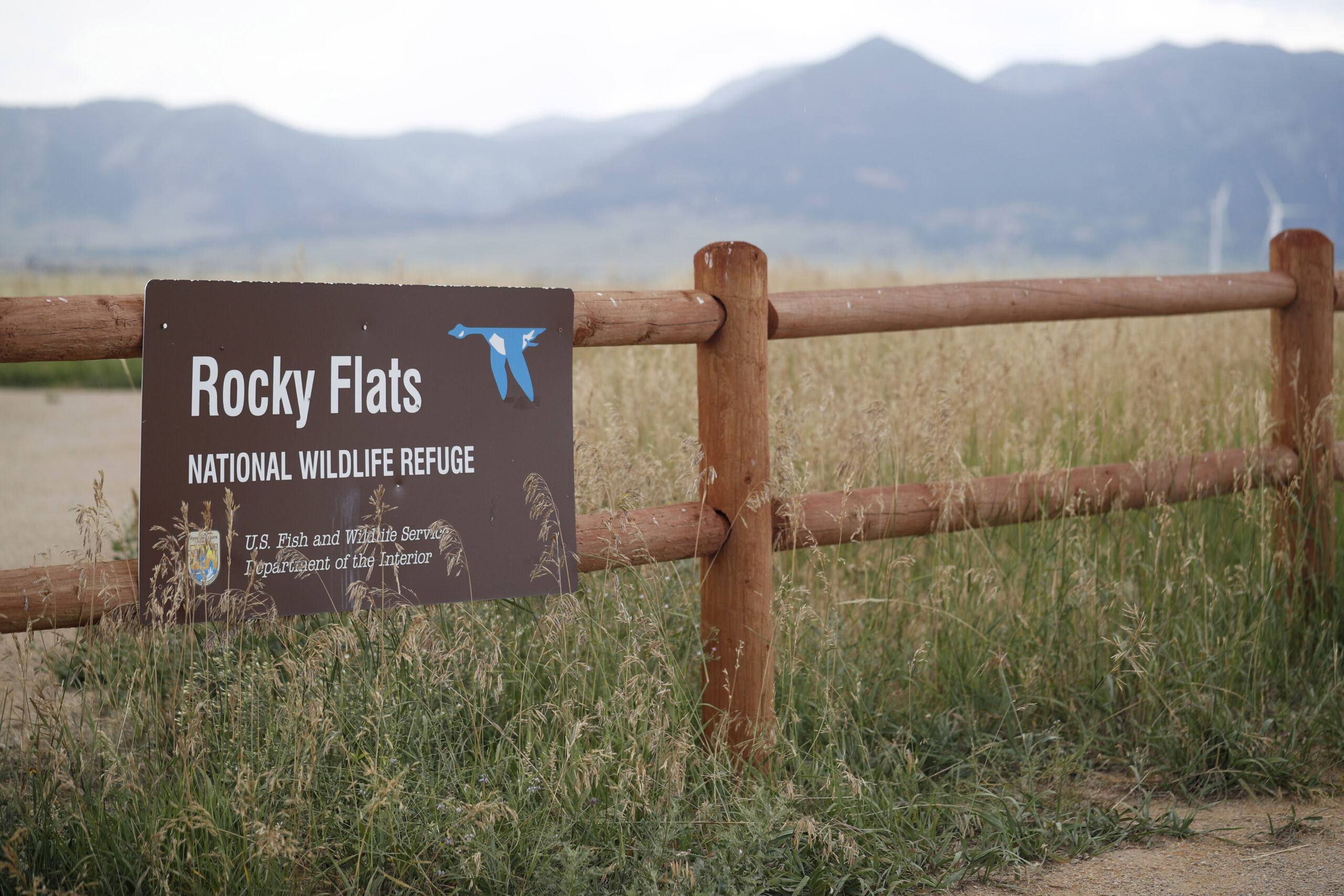
However, U.S. District Court Chief Judge Philip A. Brimmer determined the Fish and Wildlife Service had followed federal law.
“Although plaintiffs sincerely believe that the FWS allowing any public access to the Refuge is unwise, it is not the Court’s role to review the wisdom of an agency’s decision,” Brimmer wrote in a July 9 order.
The May 2018 lawsuit followed the Fish and Wildlife Service’s decision to make minor changes to trail routes planned for the refuge, which were originally included in the 2004-2005 Comprehensive Conservation Plan and Environmental Impact Statement. The plaintiffs alleged the agency violated the National Environmental Policy Act when it did not prepare an additional environmental impact statement and conduct an environmental assessment for the alterations.
Under the law, agencies must prepare environmental impact statements for major decisions that significantly affect the “quality of the human environment.” The 2004-2005 plan did contain such a statement, but the plaintiffs believed it was no longer reliable.
“Since 2004, there has also been (i) substantial erosion of features on the Refuge caused by destructive precipitation events in 2013 and 2015, (ii) a buildup of new residential neighborhoods and a public school directly bordering the Refuge to the south, (iii) studies showing that plutonium has migrated from the Refuge to offsite locations, and (iv) reports prepared by Metropolitan State University and others indicating higher than expected cancer rates among neighbors,” the groups wrote in their federal complaint.
Brimmer rejected the premise that the original analysis was now too old, explaining that an older environmental impact statement can still be valid in the absence of significant new changes. Specifically, he found evidence that the government “carefully considered the presence of plutonium” back in 2004, and that soil erosion would not lead to increased concentrations of plutonium.
“[T]he agency’s record of decision shows no evidence that the multi-use trails system in the Refuge – let alone the trail modifications – would have a significant impact on public health or safety,” the judge noted.
The entities challenging the trail modifications included the Rocky Mountain Peace & Justice Center, Candelas Glows/Rocky Flats Glows, Rocky Flats Right to Know, Rocky Flats Neighborhood Association and Environmental Information Network Inc.
A spokesperson for the Fish and Wildlife Service declined to comment on the lawsuit, but said the refuge opened its trail system in September 2018 to feature 11 miles available for hiking, biking and equestrian use. There is no set date for the completion of an additional 8.2 miles.
Congress authorized public use of the Rocky Flats site in 2001 legislation, prompting a multi-year planning effort. The ultimate plan, issued in 2005, provided for looped multi-use trails on the portion of the former nuclear site that now encompasses the refuge.
Originally, the U.S. Department of Energy managed the site as one of 13 nuclear weapons production facilities during the Cold War. It cost $7 billion to clean up Rocky Flats, including the removal of 21 tons of weapons-grade nuclear material. The refuge surrounds the old, off-limits industrial site, which the government calls the “Central Operable Unit.”
“You may know that certain anti-development activist groups and their supporters are opposed to the Rocky Flats National Wildlife Refuge. Now, some of them are using fear, misinformation, and publicity-generating lawsuits to stop the Refuge from ever opening to the public,” argued a 2018 post on a website run by Arvada Residential Partners, the developer for the Candelas community adjacent to the wildlife refuge.
A 2018 fact sheet from federal agencies and the Colorado Department of Public Health and Environment said that reviews of Rocky Flats since the nuclear facility’s closure showed “the remedy is protective of human health and the environment.” Specifically, a child or adult now visiting Rocky Flats for 100 days of the year, 2.5 hours per day, would receive a “very small fraction” of the annual average plutonium exposure that Americans receive.
However, multiple people who live or work in the vicinity of Rocky Flats submitted declarations to the court, including Jon Lipsky, the federal agent who led a raid on the nuclear facility in 1989. A grand jury subsequently issued a report that found illegal conduct and repeated environmental violations, and the facility’s operator settled with the federal government for $18.5 million.
“I am concerned about contracting cancer as a result of inhaling weapons-grade plutonium-239 or other listed and known contaminants from the Rocky Flats Refuge,” Lipski said in a statement.
Brimmer pointed out in his order that the government acknowledged a need for additional environmental analysis for trails in a portion of the refuge that had a higher historic plutonium concentration in surface soils.
The case is Rocky Mountain Peace & Justice Center et al. v. U.S. Fish and Wildlife Service et al.

Federal judge warns of increasingly inadequate immigration bond hearings
Michael Karlik
michael.karlik@coloradopolitics.com
Updated 9 hours ago
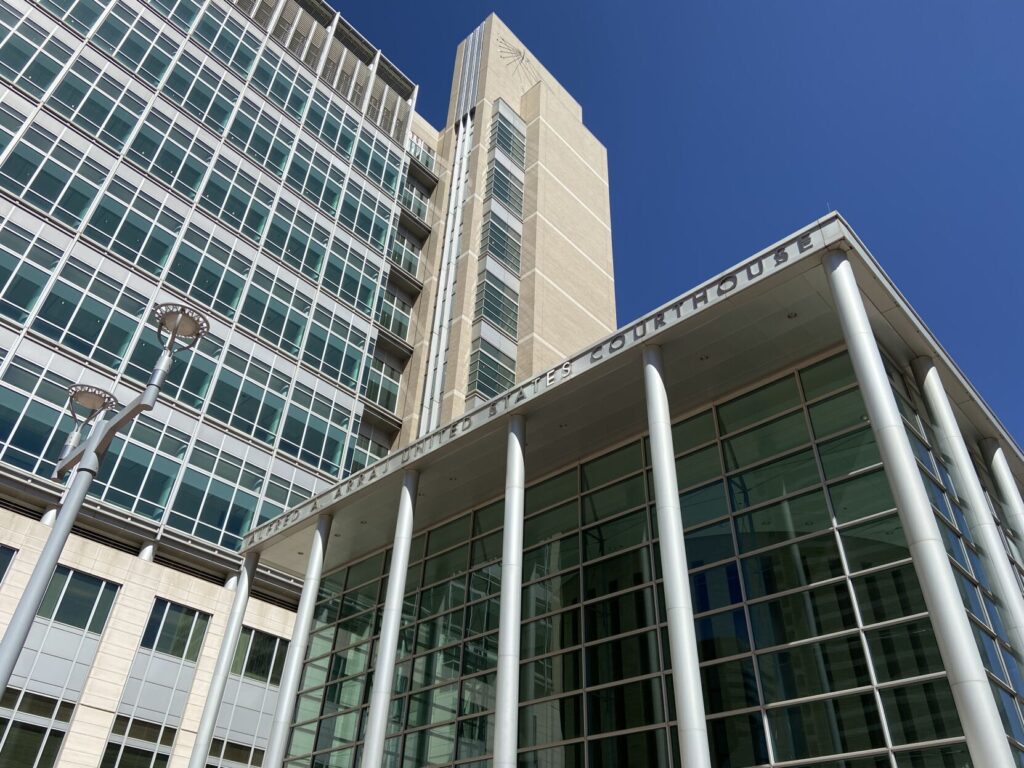
A federal judge ordered the immediate release of a man in immigration custody last week and, seemingly for the first time in Colorado, warned that the government is increasingly conducting inadequate bond hearings for detainees. Colorado’s federal trial court is facing...

10th Circuit upholds dismissal of Barry Morphew’s civil lawsuit against prosecutors, investigators
Michael Karlik
michael.karlik@coloradopolitics.com
Updated 9 hours ago
The Denver-based federal appeals court agreed on Monday that Barry Morphew, who now stands accused for a second time of murdering his wife, failed to state viable claims against the government officials involved in his first, unsuccessful prosecution. Morphew was...

Federal judge blocks evidence from Aurora police’s unconstitutional search
Michael Karlik
michael.karlik@coloradopolitics.com
Updated 9 hours ago
A federal judge ruled last month that prosecutors cannot use firearm evidence against a defendant because Aurora police searched him without having any reasonable basis to believe he was armed and dangerous. In evaluating the constitutionality of the search, U.S....

Colorado justices confirm lawyers may ‘borrow’ allegations from elsewhere
Michael Karlik
michael.karlik@coloradopolitics.com
Updated 1 day ago
The Colorado Supreme Court ruled on Monday that plaintiffs’ lawyers can use allegations made elsewhere to bolster their own clients’ claims, so long as the attorney first performs some degree of investigation into the “borrowed” assertions. Under Colorado’s rules for...
Appeals Court rules Douglas County violated open meeting laws
Nicholas Fogleman
nicholas.fogleman@denvergazette.com
Updated 19 hours ago
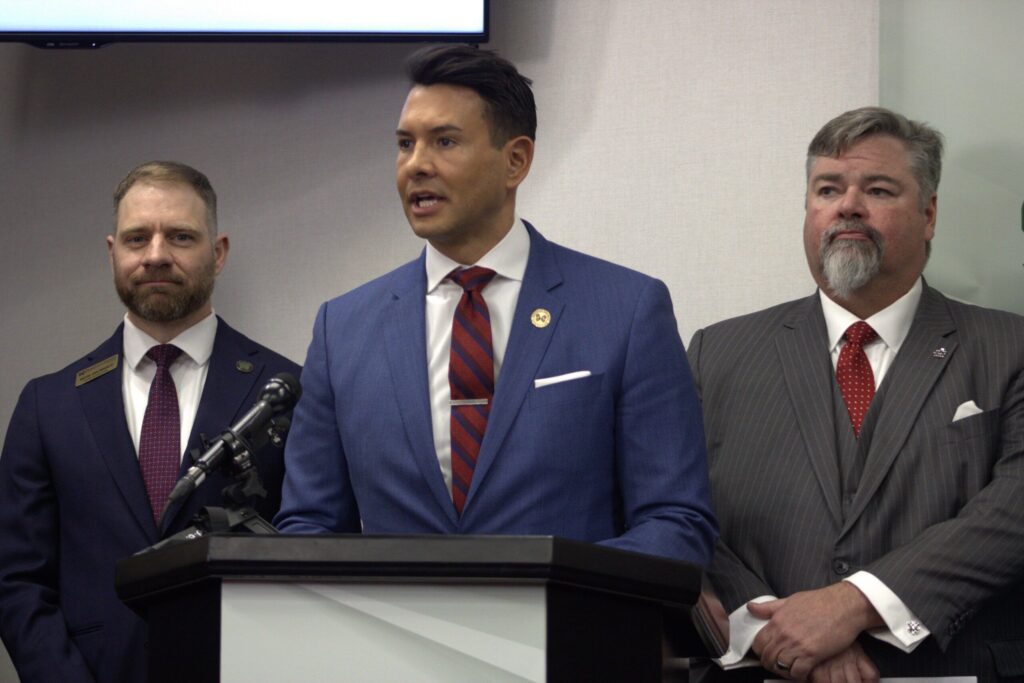
The Colorado Court of Appeals ruled that Douglas County Commissioners violated Colorado open meeting laws in a series of closed meetings leading up to the county’s failed home rule special election. The Thursday ruling reversed a trial court’s denial of...

Colorado justices restore RTD subcontractor’s award, reject ‘drastic’ view of public works law
Michael Karlik
michael.karlik@coloradopolitics.com
Updated 2 days ago
The Colorado Supreme Court on Monday restored a $5.7 million award to a company that helped build a commuter rail line and, in doing so, rejected a view of state law that would nullify a subcontractor’s entitlement to any compensation...
El Paso County defendant’s speedy trial rights violated, Colorado justices find in overturning convictions
Michael Karlik
michael.karlik@coloradopolitics.com
Updated 1 day ago
The Colorado Supreme Court concluded on Monday that an El Paso County prosecutor made an unjustified decision to file a mid-case appeal, pushing the trial beyond the legal deadline and requiring that the defendant’s convictions be overturned. In Colorado, the...

SCOTUS decides Colorado case, state’s newest justice authors first opinion | COURT CRAWL
Michael Karlik
michael.karlik@coloradopolitics.com
Updated 2 days ago
Welcome to Court Crawl, Colorado Politics’ roundup of news from the third branch of government. The nation’s highest court decided a First Amendment case out of Colorado, plus the state’s newest justice issued her first opinion since joining the Colorado...
Federal judge sides with Mesa County school district in ex-student’s First Amendment claims
Michael Karlik
michael.karlik@coloradopolitics.com
Updated 4 days ago
A federal judge concluded last week that Mesa County Valley School District 51 and three of its administrators did not violate the First Amendment rights of a former student when they imposed minor discipline in response to disruptive behavior. In...

Colorado Supreme Court intervenes in 4 ongoing cases
Michael Karlik
michael.karlik@coloradopolitics.com
Updated 5 days ago
The Colorado Supreme Court recently moved to intervene in four ongoing cases, including two criminal prosecutions, a civil lawsuit, and a child welfare proceeding. At least four of the court’s seven members must agree to hear a case outside of...
PREV
PREVIOUS

NONPROFIT REGISTER | $57,000 gift helps ensure access to mental health services
MENTAL HEALTH COLORADO Denver News: Round-Up for Mental Health, a campaign conducted by LivWell Enlightened Health, resulted in a $57,000 gift to Mental Health Colorado. The money, said president and chief executive officer Vincent Atchity, will be used to help ensure that all Coloradans have access to high-quality, affordable mental health and substance use care. […]
Colorado Attorney General Phil Weiser posts record-setting quarterly fundraising totals
Colorado Attorney General Phil Weiser, a Democrat, raised more than $528,000 for the year’s second quarter and reported $1.5 million cash on hand at the end of the period, surpassing the previous high mark set by candidates for the office. Weiser broke his own state record for receipts by an attorney general candidate in an […]