

Colorado’s COVID-19 numbers, hospitalizations continue to improve as fourth wave grows distant

The COVID-19 presence in Colorado has continued to decline in recent weeks and has now reached low September levels as more vaccines are given and the state unwinds nearly all of its pandemic restrictions.
The decline was nearly constant through May, reversing the virus’s gains made in April’s fourth wave. Colorado averaged 426 new daily COVID-19 cases in the past week, the lowest total since September and nearly 5,000 fewer daily reports than during the fall peak.
“What we have to tell today is really a good-news story,” Scott Bookman, Colorado’s incident commander for COVID-19, said in a Thursday news conference. “We have worked hard to suppress this virus together.”
Hospitalizations, perhaps the most watched metric, remained high despite new cases declining. But that trend started to reverse in the latter half of May, data show. The state has 429 confirmed COVID-19 patients hospitalized, plus another 40 suspected cases — down from 679 and 52, respectively, from a May 8 peak. The numbers as of Wednesday afternoon are the lowest hospitalization numbers since April 11.
Bookman touted the vaccine’s role in reducing the number of cases and, now, the number of hospitalizations.
“This is incredible evidence that the vaccine is working,” he said. “It is offering protection, and it is particularly offering protection for the most vulnerable and those who’ve been hospitalized over the course of the pandemic.”
But Colorado still has a way to go before it hits the important herd immunity mark of at least 70% of the state’s population inoculated. Just over 3 million residents have received at least one vaccine dose, and just under 2.6 million have been fully vaccinated.
Colorado’s vaccination rate has turned sluggish as supply exceeds demand and, officials have said, the state has reached most of its motivated residents and is now working on the wait-and-see crowd. That push will be driven in part by primary care providers, who act as trusted messengers for their patients. The effort also be given a push from the recently announced sweepstakes programs that will give five adults $1 million each and 25 adolescents $50,000 scholarships.


Luigi Mangione pleads guilty in UnitedHealthcare CEO Brian Thompson murder case
Kaelan Deese
kaelan-deese@coloradopolitics.com
Updated 36 minutes ago
Luigi Mangione pleaded guilty Friday to two federal stalking charges connected to the 2024 killing of UnitedHealthcare CEO Brian Thompson, a major development that could complicate New York prosecutors’ separate murder case against him. Mangione, 28, not only pleaded guilty in Manhattan federal court...

French court blocks Macron’s social media ban for children under 15
Emily Hallas
emily-hallas@coloradopolitics.com
Updated 53 minutes ago
France’s top court struck down on Friday a law championed by President Emmanuel Macron that would have made it illegal for children to have social media accounts. The law, approved by lawmakers in July, was set to take effect at...

10th Circuit revives wage violation lawsuit against Papa John’s operator
Michael Karlik
michael.karlik@coloradopolitics.com
Updated 2 hours ago
The Denver-based federal appeals court on Tuesday reinstated a former Papa John’s delivery driver’s lawsuit alleging violations of federal and state wage law. Steve Mighell worked for one month at a Denver Papa John’s location in summer 2023. He alleged...
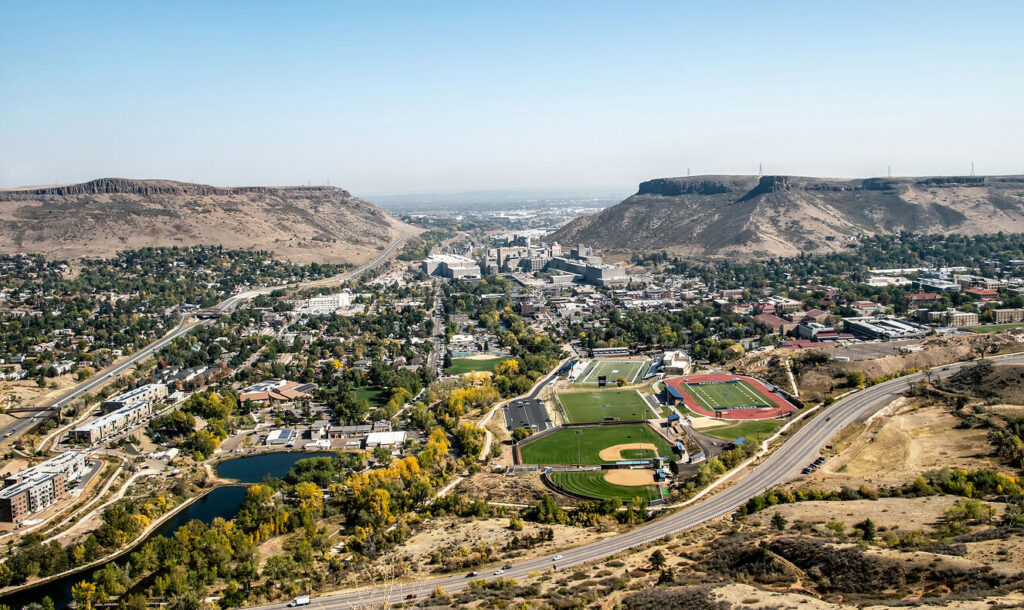
Golden fire chief fired days after city manager as city investigates ‘racist incident’
Matt Kyle
matt.kyle@denvergazette.com
Updated 2 hours ago
The City of Golden has terminated its fire chief days after terminating the city manager due to a “racist incident” earlier this year at a city fire station. City officials said that in March, a “Snoop on a Stoop” doll,...

Ikon Pass company cuts jobs in Denver and beyond amid several changes
Bernadette Berdychowski
bernadette.berdychowski@denvergazette.com
Updated 2 hours ago
As the ski resort company behind the Ikon Pass and the operator of Steamboat Springs, Arapahoe Basin and Winter Park Resort is going through a phase of changes, the company based in Denver is now cutting jobs. Alterra Mountain Co....
Healthcare freefall: Once built on federal investment, rural hospitals today fight to survive
Thelma Grimes
thelma.grimes@coloradopolitics.com
Updated 4 hours ago
Editor’s Note: Colorado’s healthcare system is entering a period of accelerating instability — a “tsunami,” as multiple leaders describe it — driven by collapsing hospital finances, shrinking Medicaid reimbursements, disappearing services and a political fight over who is responsible for...
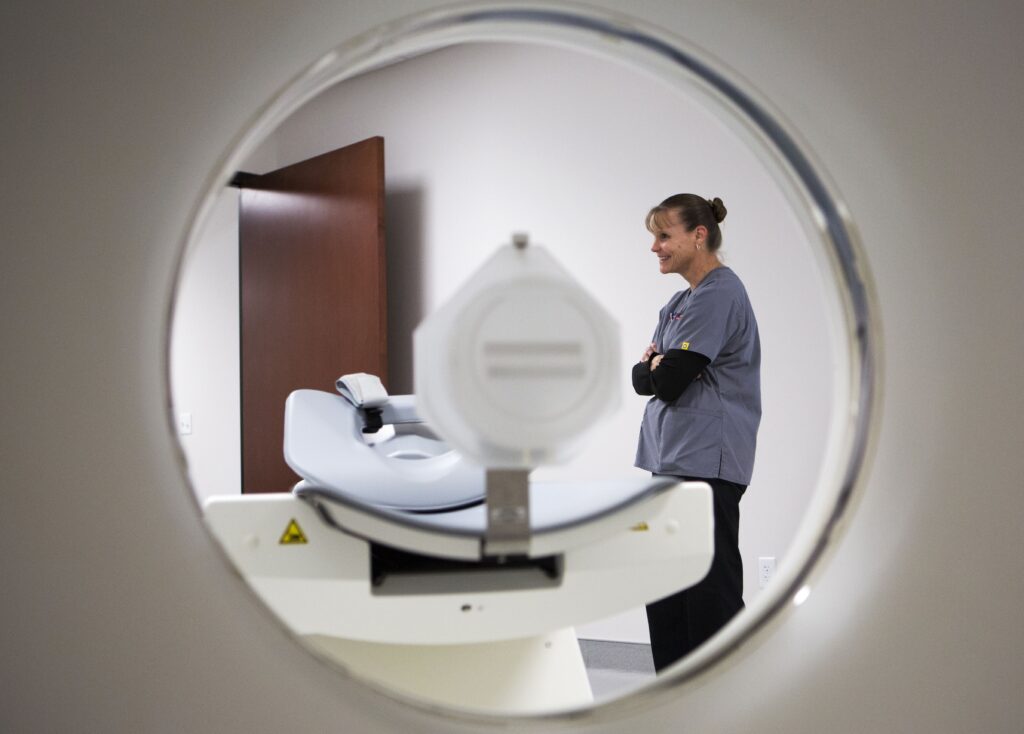
Healthcare freefall: Subsidy cuts, insurance gaps reshape how Coloradans will seek care
Thelma Grimes
thelma.grimes@coloradopolitics.com
Updated 3 hours ago
Editor’s Note: Colorado’s healthcare system is entering a period of accelerating instability — a “tsunami,” as multiple leaders describe it — driven by collapsing hospital finances, shrinking Medicaid reimbursements, disappearing services and a political fight over who is responsible for...
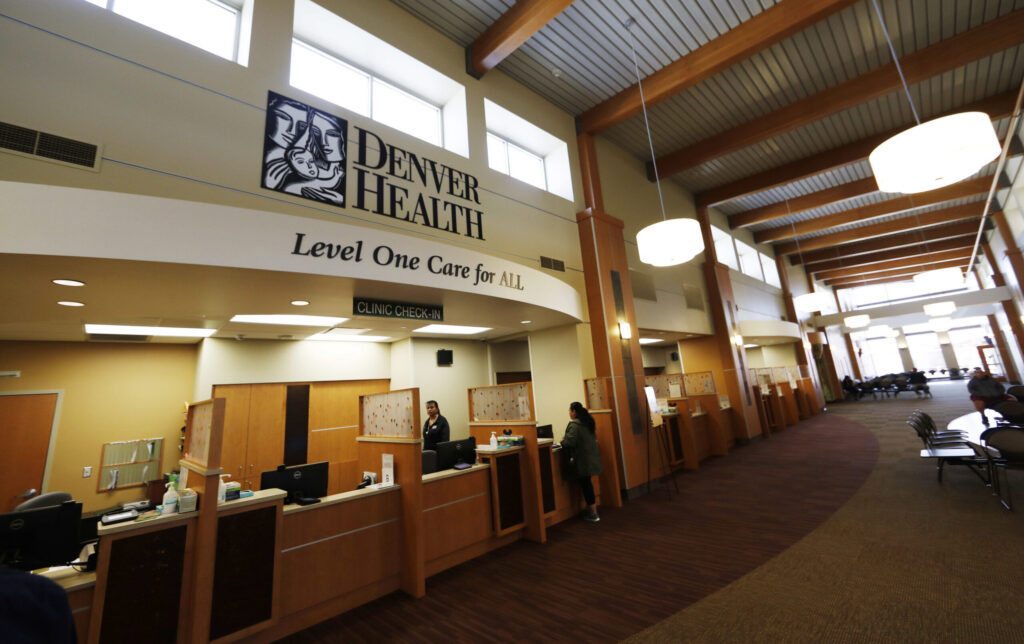
Healthcare Freefall: Finger‑pointing intensifies as Colorado’s healthcare system strains under rising costs, shrinking coverage
Thelma Grimes
thelma.grimes@coloradopolitics.com
Updated 2 hours ago
Editor’s Note: Colorado’s healthcare system is entering a period of accelerating instability — a “tsunami,” as multiple leaders describe it — driven by collapsing hospital finances, shrinking Medicaid reimbursements, disappearing services and a political fight over who is responsible for...
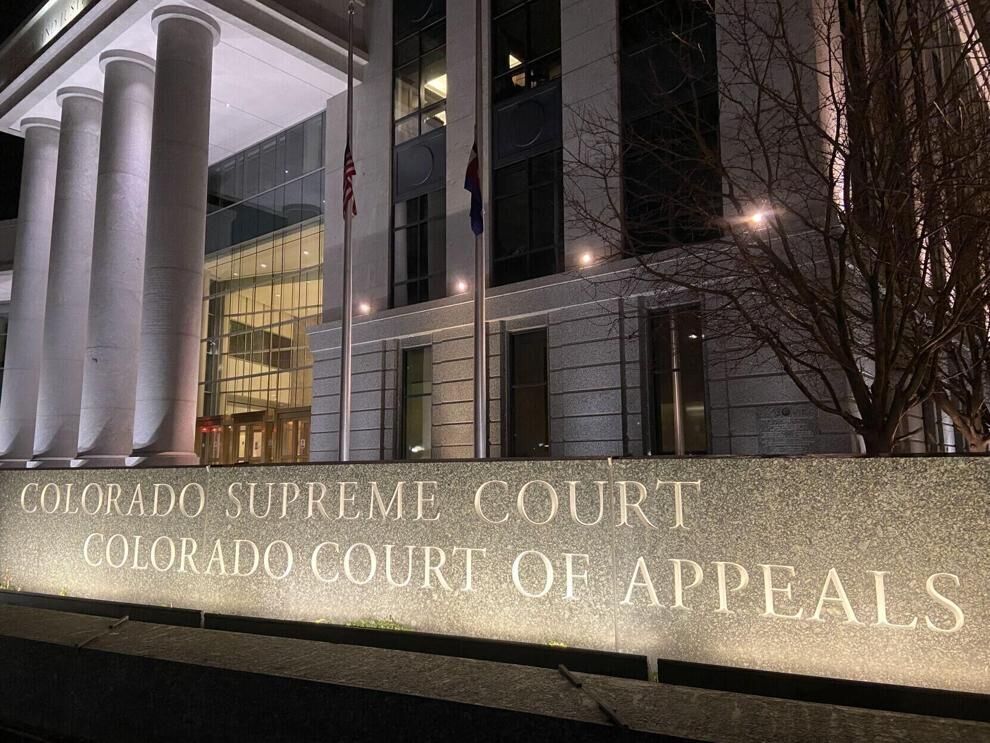
Colorado appeals judge’s delays in releasing opinions noted by performance commission
Michael Karlik
michael.karlik@coloradopolitics.com
Updated 8 hours ago
The citizen-led performance commission that provides guidance to voters about whether to retain members of Colorado’s second-highest court raised concerns by judges and attorneys that Judge Elizabeth L. Harris sometimes struggles with releasing opinions promptly. Harris, who joined the Court...

DPS board sends $44 million tax increase to Denver voters
Nico Brambila
nico.brambila@denvergazette.com
Updated 6 hours ago
The Denver Public Schools board on Thursday unanimously voted to place a mill levy override on the November ballot that — if approved by voters — would raise taxes by $43.9 million annually, largely to fund employee raises. The request...
PREV
PREVIOUS

Broomfield chief of police to retire in 2022
Broomfield Police Chief Gary Creager will retire from his position in early 2022, the city announced Thursday. In an open letter, Creager, 61, said he believes he will be leaving the police department in the best place to ensure continued high level of service after he is gone. “It is with both tremendous gratitude for […]

Bill banning school use of Indian mascots and nicknames heads to governor
The House on Thursday gave final approval to a bill that will ban the use of most Indian mascots and nicknames in Colorado public schools, colleges and universities. The Senate Thursday night concurred on amendments and it now heads to the governor’s desk. The House Education Committee, however, did soften the blow for the nearly […]