

House Democrats pass second of two tax reform bills despite GOP stall tactics
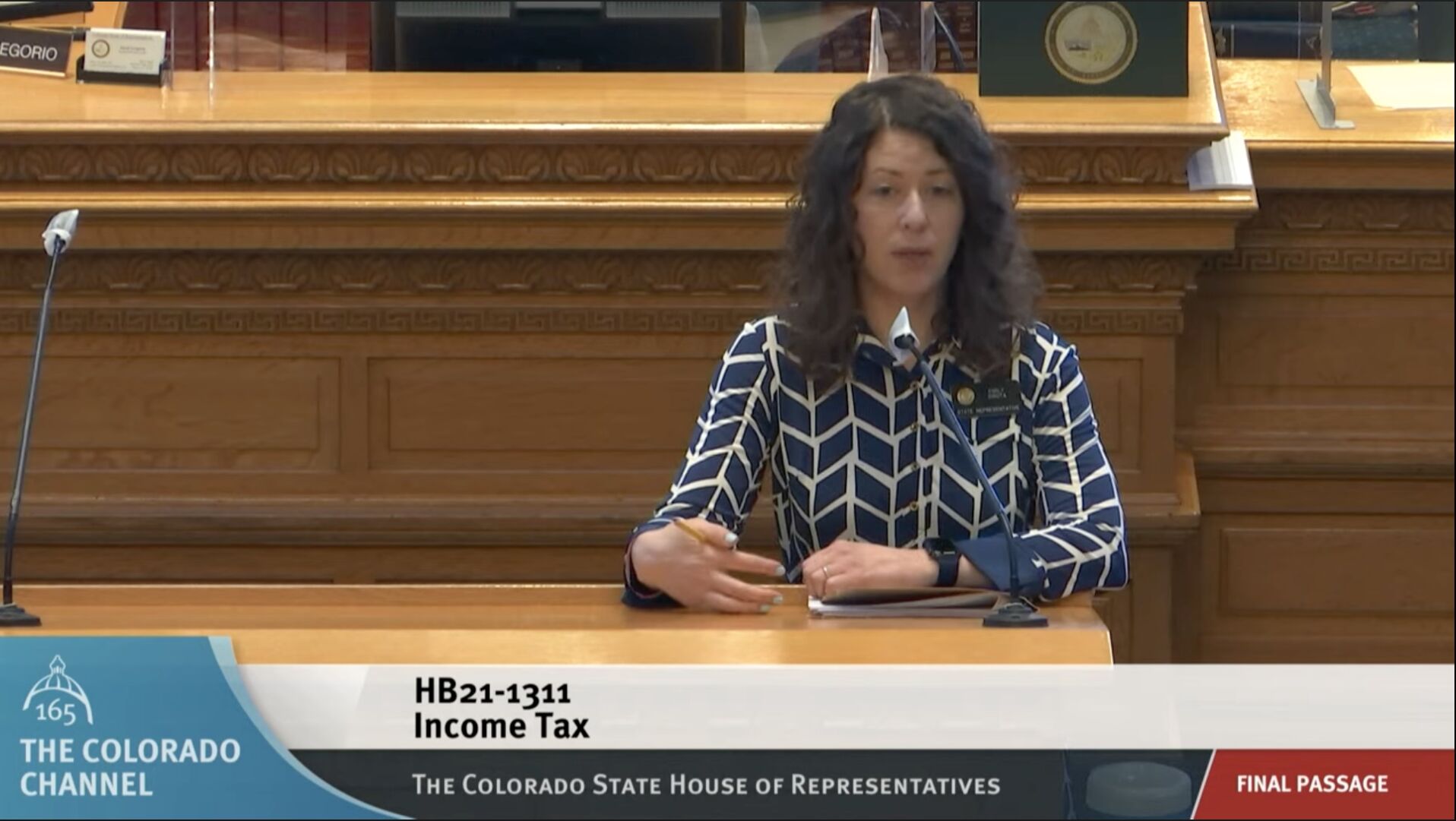
The second of a pair of tax-reform measures that Democrats hope will close loopholes and generate $400 million in revenues on Tuesday passed in the House on a party-line vote.
“We have a carefully tailored package here to ensure that we are asking everyone to pay their fair share,” said Rep. Emily Sirota, D-Denver, who is serving as the bill’s prime sponsor along with Rep. Mike Weissman, D-Aurora. “This is something that you can all feel good about, you can feel proud of. We are bringing fairness to our tax code.”
Much like the third reading debate on its partner bill, Tuesday’s consideration of House Bill 1311 was marked by tactics deployed by Republicans that slowed down the chamber’s progress on its legislative calendar.
On Saturday, debate before a final vote on House Bill 1312 stretched some 90 minutes, around 10 minutes longer than Tuesday’s debate before the final vote on HB 1311. Still, the main protagonist of the delay tactics denied he was trying to slow things down.
“This is not, in my view, a classic waste of time. I have never come up here with the intent of dragging something out,” Rep. Ron Hanks, R-Cañon City, said ahead of asking the 36-page bill to be read at length. “This to me is exposing legislation to the people and to the daylight.”
After more than 30 minutes of the computerized reader working through the text of the bill, Hanks withdrew his motion.
He noted he did not ask for the bill to be read at length during its second reading on Saturday because of a compromise reached over the weekend that saw Republicans pause their filibuster effort in return for being given time off from legislating over the Memorial Day weekend.
House leaders negotiating after two days of GOP delay tactics slow legislative progress
House GOP plays the delay game on bill raising business personal property tax exemptions
“In the spirit of that, I did not read this bill, 1311, on second reading,” Hanks said. “I did suggest that we ought to on third. I will say that I do believe reading these bills is useful to the public at large.”
Republican lawmakers also raised concerns about the substance of the bill.
“You can’t be for big government, big taxes and big bureaucracy, and still be for the little guy,” said. Rep. Rod Bockenfeld, R-Watkins. “Government does not solve problems, it subsidizes them.”
The bill from Sirota and Weissman seeks to modernize the state’s tax code, closes special-interest tax loopholes for large corporations and wealthy individuals and will benefit small businesses, according to comments from Sirota during the House Finance Committee hearing on May 14.
The bill doubles the state Earned Income Tax Credit and for the first time funds the Child Tax Credit. It also limits capital gains deductions for the sale of real property to $100,000 per year, and caps how much families can contribute to a 529 account, which Coloradans use to set aside money for their children’s college education. Under HB 1311, that limit is $10,000 for a single filer and $15,000 for joint filers.
The change to the Earned Income Tax Credit, which is for low-wage earners, is in two forms: lowering the age of those who can apply for it from 25 to 19; and increasing the credit from 15% to 20%. Under current law, Colorado’s Earned Income Tax Credit is available for those who claim the federal EITC; the Colorado credit is equal to 15% of the federal credit.
The Child Tax Credit would provide up to $600 in tax credits per child for up to 200,000 families. That credit is intended to help pay for child care and other pre-elementary school expenses.
The changes are paid for by capping certain itemized deductions for taxpayers with adjusted gross incomes at $400,000 or more; eliminate the capital gains deduction; and eliminate what’s known as a “pass through” deduction of 20% of business income; created under the federal Tax Cuts and Jobs Act in 2017.
The bill ultimately passed on a 41-24 party-line vote and now heads to the Senate, where it will have to work through the legislative process.


Colorado Politics Calendar Aug. 3-9
Rachael Wright, Special to Colorado Politics
rachael.wright@coloradopolitics.com
Updated 3 days ago
CoPo’s weekly political calendar will help you find political and public-policy events throughout Colorado. It includes candidate and issue campaign events, public policy meetings, court hearings, state and local party conventions, assemblies, debates, rallies, parades, speaking engagements, traveling dignitary appearances,...
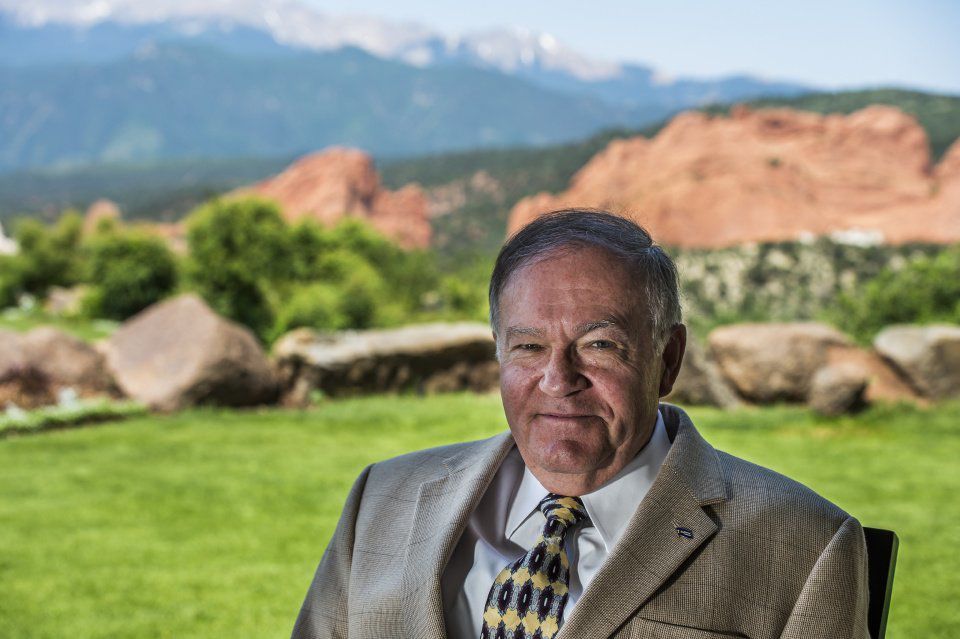
Susemihl wins surprise victory to replace Steve Durham as Colorado Springs state senator | A LOOK BACK
Rachael Wright, Special to Colorado Politics
rachael.wright@coloradopolitics.com
Updated 3 days ago
Forty-five years ago this week: In a closed session, the vacancy committee for Colorado’s Senate District 12 selected attorney Peter Susemihl to complete Sen. Steve Durham’s, R-Colorado Springs, term. Durham resigned his seat to become Region 8 Director of the...

The primary political reform and precondition for all others | SONDERMANN
Eric Sondermann
eric-sondermann@coloradopolitics.com
Updated 3 days ago
In its current state, the American political system has no end of ailments. Far too many factors accelerate polarization and work against moderation and narrowing the differences. Media, and the way so many citizens limit themselves to agreeable, reinforcing sources,...

10th Circuit partially revives lawsuit over 2020 Denver protest injuries
Michael Karlik
michael.karlik@coloradopolitics.com
Updated 1 day ago
The Colorado-based federal appeals court revived a man’s claims against Denver on Friday after concluding a trial judge resolved the case in the city’s favor without analyzing two of the three instances of alleged excessive force and other constitutional violations....

At conservative summit, Colorado Republican leaders concede Democrats’ election edge
Marissa Ventrelli
marissa.ventrelli@coloradopolitics.com
Updated 11 hours ago
Four Republican state lawmakers told attendees at a gathering of conservative leaders on Friday they doubt their party can win statewide races, noting that Colorado’s electorate has been shifting toward Democrats but adding they see an opening in several pockets....
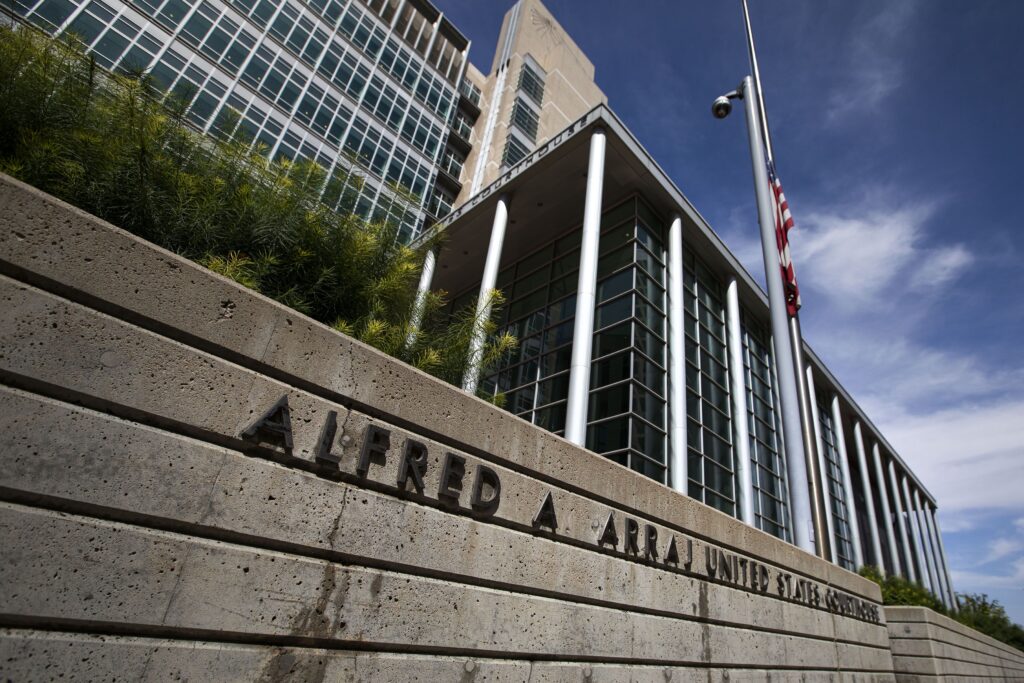
Federal judges find Colorado immigration judge violated several orders
Michael Karlik
michael.karlik@coloradopolitics.com
Updated 5 hours ago
Multiple federal judges in Colorado have freed people from immigration custody after determining that one immigration judge violated their directives for properly conducting bond hearings. For nearly a year, Colorado’s U.S. District Court has faced a flood of habeas corpus petitions...
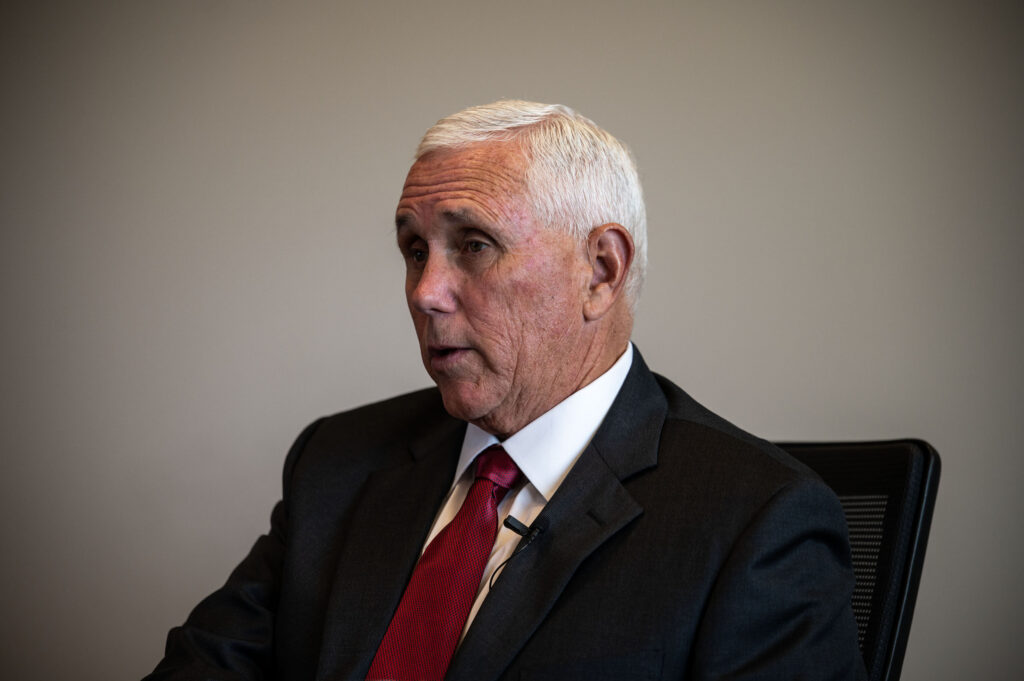
Q&A with Mike Pence | Former vice president says GOP’s populist turn from conservatism isn’t permanent
Ernest Luning
ernest.luning@coloradopolitics.com
Updated 9 hours ago
Former Vice President Mike Pence says he’s concerned that the Republican Party has taken a populist turn away from bedrock conservative principles during President Donald Trump’s second term, but he believes the party will return to its roots when Trump...
New federal plan sets short-term rules for Colorado River management
Marianne Goodland
marianne.goodland@coloradopolitics.com
Updated 1 day ago
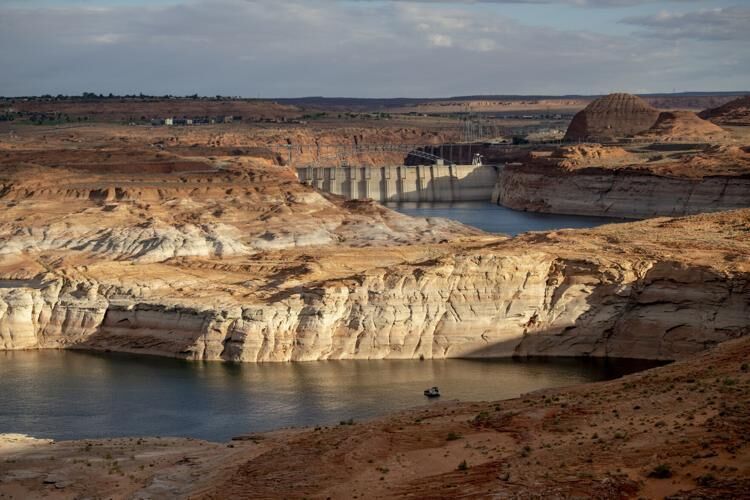
Interior Department’s plan spares Colorado from mandatory cuts for now After years of stalled negotiations among the seven states that rely on the Colorado River, the federal government on Friday released its own plan for managing the drought-strained system. Calling...
Fauci’s diary details blooming outrage toward ‘far right,’ softness toward Biden and China
Hudson Crozier
hudson.crozier@washingtonexaminer.com
Updated 1 day ago
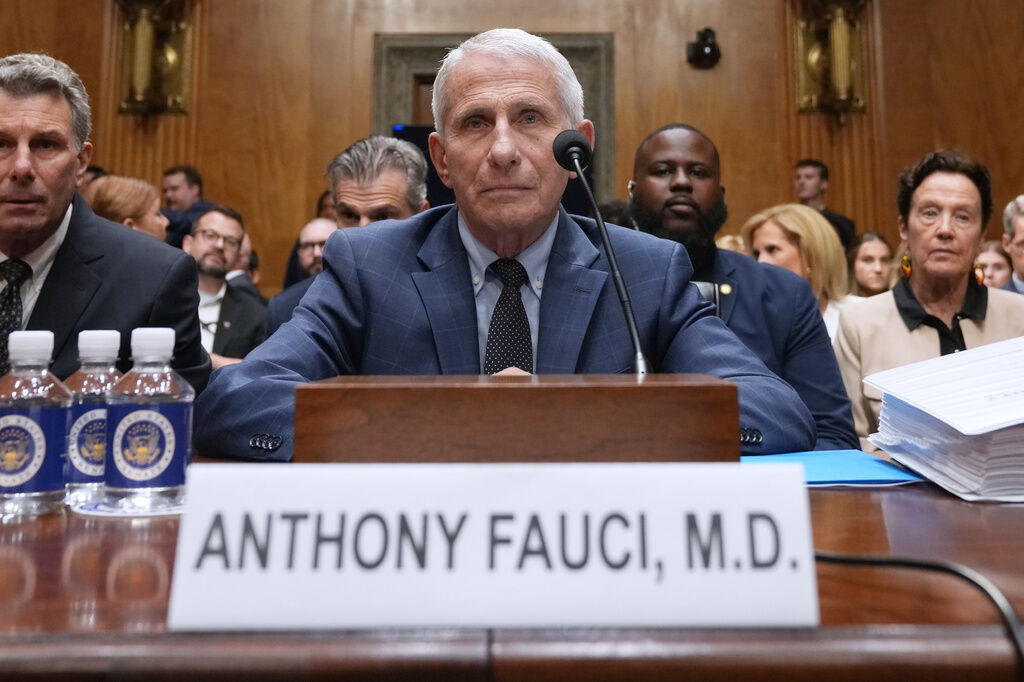
Dr. Anthony Fauci increasingly railed against “far right” critics of his approach to COVID-19 issues while describing strong support from the Biden White House in his pandemic-era diary, which was recently released by Congress. The former National Institute of Allergy...

Colorado is spared mandatory cuts under federal Colorado River proposal
The Associated Press
the-associated-press@coloradopolitics.com
Updated 1 day ago
California, Arizona and Nevada to take less water under plan While Colorado has been spared from mandatory reductions, Arizona, California and Nevada would take less water from the Colorado River under a proposal announced Friday by the federal government to...