

POINT | Make ‘invisible’ disabilities visible to cops


Jess Stainbrook

A man in Denver was driving his car and was pulled over. When the officer contacted him, his speech was slurred, and his hands were unsteady. Suspecting the driver may be intoxicated, the officer asked the man to exit the vehicle. The man had an unsteady gait and could not keep his balance. There was no alcohol in his system when he took a breathalyzer test, but he was arrested for suspicion of driving under the influence of drugs.
The man has cerebral palsy.
What if there was something that discreetly gave the officer information about this man’s disability that would de-escalate this tense situation before it even started? That’s what Colorado HB21-1014 is all about!
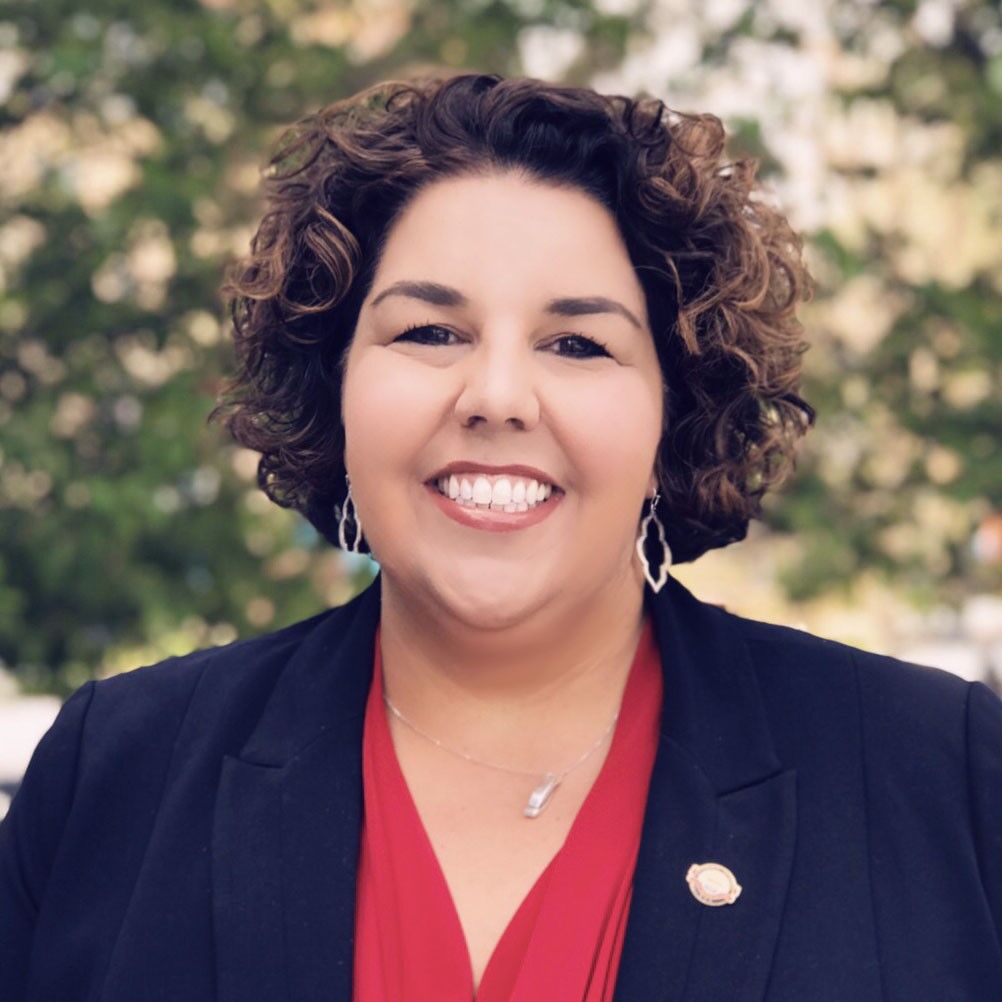
Ali Thompson

Eighty percent of people with disabilities have an “invisible” disability, one that cannot be readily seen because of using a visible assistive device such as a wheelchair, hearing aid, or other device. Invisible disabilities include MS, epilepsy, diabetes, deaf or hard-of-hearing, autism, and other conditions that people are living with every day. In Colorado, the number of people living with invisible disabilities could fill Mile High Stadium almost 15 times!
Colorado’s House Bill 21-1014 is called the Disability ID Symbol and offers three main things:
- The voluntary option to have a designated disability symbol on a driver’s license or government ID.
- The voluntary option to have information about a regular driver or passengers’ disability in a database that is available for law enforcement when they query your vehicle’s license plate.
- Required training for law enforcement on the symbol.
This bill is important because it provides for an approved government ID that can be used in various situations to help people who are living with disabilities. Our goal is to make invisible disabilities VISIBLE for those who may want or need additional identification help, like in the case of Karen Garner in Loveland who has dementia. This is why the Invisible Disabilities® Association has initiated this bill in Colorado and other states. If the man in our real example had the notation in the database attached to his vehicle registration, the officer could know that the driver may have a disability before he even approached the car, and he would have then had an explanation, other than intoxication, for the signs he was seeing. If this man had a discreet symbol on his driver’s license, perhaps the entire interaction may have gone differently.
Another goal of this bill is to help support our first responders by giving them additional tools to help identify people with invisible disabilities. Law Enforcement officers strive to help their citizens and having the ability to recognize and explain why an encounter is not going the way they expected can help both law enforcement and the person with disabilities.
The ability to include information about passengers’ disabilities in the vehicle registration field gives parents of children with disabilities, peace of mind. If I become incapacitated in an accident, upon running my license plate, the officers will have the information that my child has autism and is non-verbal and can get them any help they need.
The ID symbol is completely voluntary. Some say that this symbol could be used to discriminate, but think about all the people who are currently being discriminated against because they don’t have this ID available. This bill helps people with invisible disabilities to get assistance they need and gives law enforcement another tool to be able to help the citizens of Colorado. This will change lives.
Jess Stainbrook is the executive director of the Invisible Disabilities® Association. Ali Thompson is a 20-year law enforcement officer and the mother of two children with special needs.


Clock is ticking on Colorado’s new AI rules | PODIUM
Colorado Politics
colorado-politics@coloradopolitics.com
Updated 2 hours ago
By Aashis Luitel On Jan. 1, organizations using covered automated systems must begin complying with Senate Bill 26-189, Colorado’s new Automated Decision-Making Technology Act. They can identify those systems and start building the processes the statute clearly requires. What they...
Meghan Shay on recovery, responsibility and second chances | The OpEdge Podcast
Tony Olivero
tony.olivero@gazette.com
Updated 13 hours ago
Step Denver and Step Springs CEO Meghan Shay joins The OpEdge to explore addiction recovery, homelessness, and the role of accountability in lasting change. Shay tells host and investigative columnist Jimmy Sengenberger why she believes recovery is built on personal...

The outrages mount | Hal Bidlack
Hal Bidlack
hal-bidlack@coloradopolitics.com
Updated 16 hours ago
My kindly and forgiving editors understand that, from time to time, I can’t help myself from leaping atop my rickety soapbox to vent. And, like many other political commentators have already done, I could easily fill this entire missive with...

Rural Colorado deserves a tax holiday | GUEST COLUMN
Eric Mulder
jstooksberry@gmail.com
Updated 1 day ago
Spend enough time in Colorado’s Eastern Plains, the San Luis Valley, or the Western Slope, and you’ll see boarded-up storefronts, schools consolidating classrooms, and small rural communities stretching every dollar to keep basic services afloat. Once the backbone of Colorado’s...

Weiser’s leadership crucial for rural win-win | Rachel Gabel
Rachel Gabel
rachel-gabel@coloradopolitics.com
Updated 5 days ago
Attorney General Phil Weiser is going to win the gubernatorial election. That said, Colorado agriculture and rural communities have a 30-year track record of finding the win-win be it for species or industries or habitat. Former Governor Roy Romer possessed...

A Colorado history lesson for Victor Marx | Dick Wadhams
Dick Wadhams
dick-wadhams@coloradopolitics.com
Updated 4 days ago
Victor Marx, who narrowly won the Republican nomination for governor by one half 1% after boasting of a massive 44-point lead, is just as misguided on Colorado political history. During the primary, Marx made a clumsy attempt to denigrate his...

‘Be prepared to march in the streets’ | Miller Hudson
Miller Hudson
miller-hudson@coloradopolitics.com
Updated 4 days ago
It was early in 1974 when I first met Tim Wirth as he announced his candidacy for Congress, challenging Republican incumbent Don Brotzman. Although I had only resided in Colorado two years, I was drafted to serve as a Democratic...

‘CoCo’ would take taxpayers for a ride | Jon Caldara
Jon Caldara
jon-caldara@coloradopolitics.com
Updated 2 days ago
Colorado wants taxpayers to spend another $4.73 billion on passenger rail. Don’t worry. They have a plan. Which is a little like your brother-in-law announcing he’s launching another exciting restaurant venture after his last three restaurants ended in bankruptcy. Please....

The through line from Donald Trump to Victor Marx | SONDERMANN
By Eric Sondermann
by-eric-sondermann@coloradopolitics.com
Updated 7 days ago
Over 10 years ago, before Donald Trump could ever defeat Hillary Rodham Clinton, he had to first engineer a hostile takeover of the Republican Party. Prior to his descent of that golden escalator, the previous seven Republican presidential nominees had...
Primary voters rejected big money in politics | Paula Noonan
Paula Noonan
paula-noonan@coloradopolitics.com
Updated 4 days ago
While we’re in an election campaign lull between now and Labor Day, we have time to consider the impact of $102 million in campaign contributions in the primary. In the general election, more money will fill candidate campaign coffers, and...
PREV
PREVIOUS

COUNTERPOINT | A label won't help the disabled
Patricia Yeager Recently, the Disability Symbol Identification Document bill (HB21-1014) was introduced in the Colorado General Assembly. The bill adds an option for a person with a disability to request that the Department of Revenue place a “disability identifier symbol” on their state driver’s license or identification card. The proponents of this bill believe that […]

CALDARA | Polis pays us to loaf, bribes us to work
Jon Caldara Employment brings dignity, identity and purpose to one’s life. On the other hand, dependency brings depression, listlessness and too often mental issues and even suicide. How devastating is unemployment? I recently learned from the good folks at the Georgia Center for Opportunity of a landmark study published in The Economic Journal showing that […]