

State and federal law enforcement heads ask for community’s help in preventing mass shootings

A recent FBI study that looked at pre-attack behaviors of 63 active shooters between 2000 and 2013 determined that out of those studied, about 77% spent a week or longer planning their attack and about 46% spent a week or more actually preparing.
The most common response to concerning behaviors by those who later committed attacks was to communicate directly with them or do nothing, with the behavior reported to law enforcement in only 41% of instances, according to the study.
“With so many attacks occurring, it can become easy to believe that nothing can stop an active shooter determined to commit violence,” said Michael Schneider, the FBI special agent in charge of Denver’s field office. “Common reactions include comments like, ‘The offender just snapped’ and ‘There’s no way that anyone can see this coming,’ which can fuel a narrative that we are in a new normal.
“I’m here today to state that I don’t think that is the case,” Schneider continued. “There are things that can be done, but we need the community’s help.”
Suspect in Colorado supermarket shooting narrowly avoided jail for a 2017 assault
Denver Police Chief Paul Pazen and other top law enforcement officials gathered for a news conference Monday to plead with community members to use available resources for reporting potential threats of violence and other safety threats.
“I don’t think people generally fail to act out of malice or poor intentions,” Colorado Bureau of Investigation Director John Camper said. “I think in many cases they simply second guess their gut feelings or rationalize those feelings away, and that’s understandable, but that failure to act can also be deadly.”
Colorado has developed the Safe2Tell program, an avenue for schoolchildren to anonymously report potential threats to the safety of themselves or others and is managed through the Colorado Attorney General’s Office. The program is not a mental health care provider nor an emergency response unit, but a way to distribute tips to local law enforcement and school officials as needed.
The FBI also has an anonymous tip line, and the Denver Police Department and Metro Denver Crime Stoppers have reporting avenues available for both emergencies and non-emergency reports.
Some of Colorado’s well-known incidents of mass violence had warning signs, when views in retrospect.
Family members of the suspect in March’s Boulder supermarket shooting told authorities after the attack they saw him with a gun a few days before the massacre and that his behavior concerned them, but they did not report the weapon to law enforcement.
Schneider said the FBI study found diagnosed mental illnesses in about 25% of shooters studied, adding the review did not look at whether, in retrospect, the subjects had signs of undiagnosed mental illness. But he said the shooters typically had numerous stressors that impact mental health in the year before their attacks, such as financial problems and interpersonal conflicts. He added the legal definition of mental illness differs from how mental stressors can impact somebody to take specific action.
Pazen said he knows the mass casualty events get intense attention from local, state and national media, and he hopes law enforcement’s messages about prevention are treated with the same importance.
“Everybody that is watching, everybody that is listening, everybody that will be reading about this press conference, they play a critical role in preventing tragedies from occurring in our community,” he said.

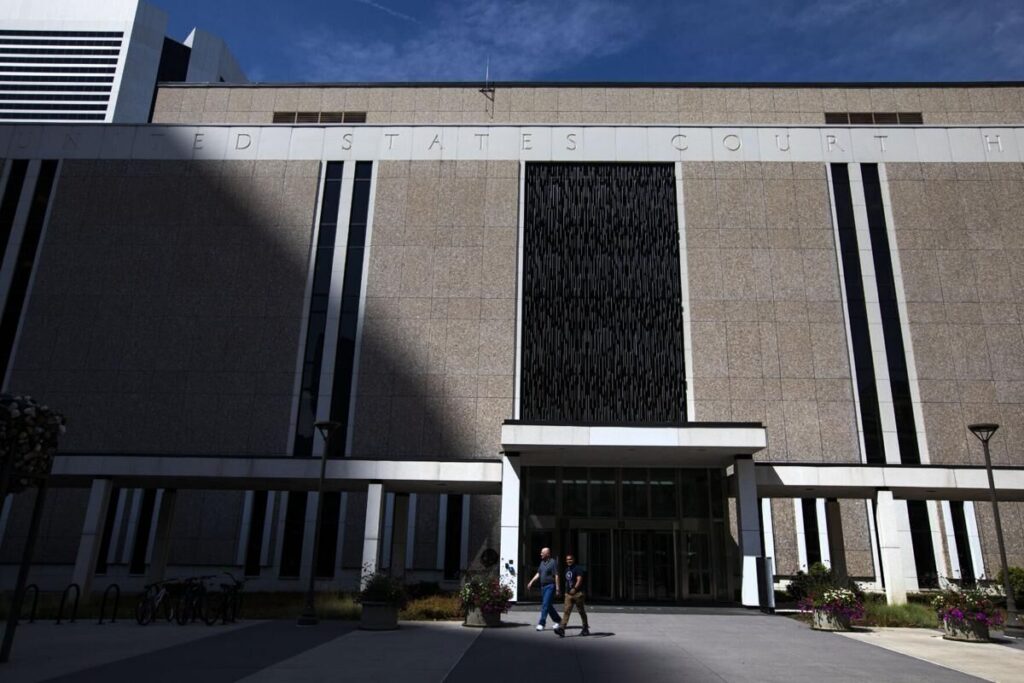
Federal judge dismisses ex-Colorado judicial discipline director’s conspiracy lawsuit
Michael Karlik
michael.karlik@coloradopolitics.com
Updated 11 hours ago
A federal judge dismissed a lawsuit from Colorado’s former judicial discipline director on Tuesday, finding that he failed to adequately state claims for conspiracy or constitutional violations. Christopher S.P. Gregory, who served as the executive director of the Colorado Commission on Judicial...
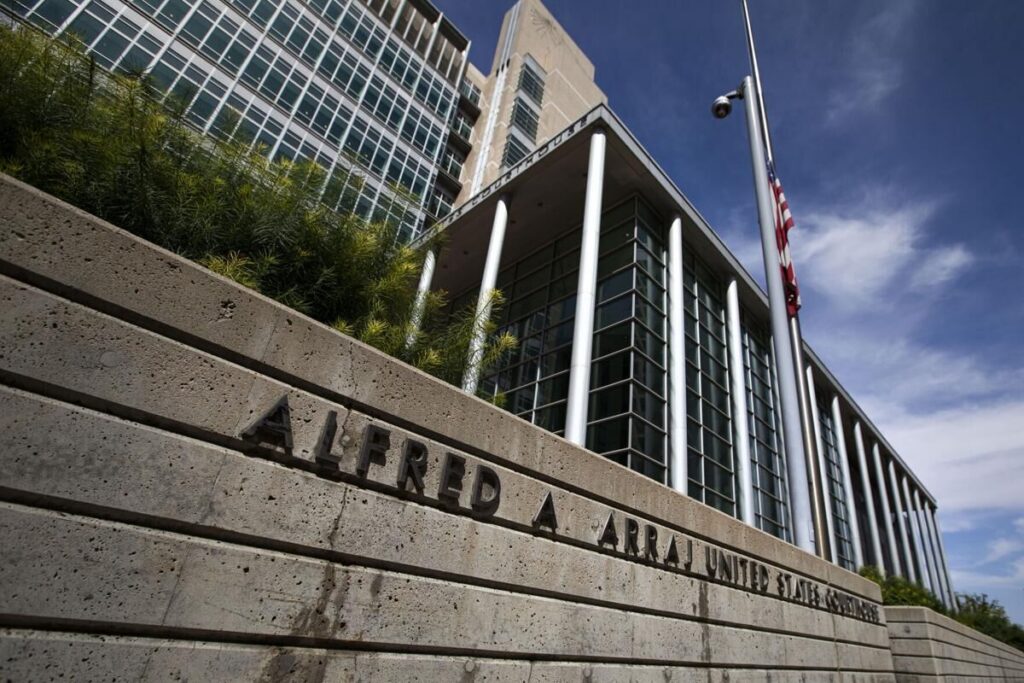
Federal judge allows retaliation claims to proceed against prison officials
Michael Karlik
michael.karlik@coloradopolitics.com
Updated 9 hours ago
A federal judge agreed last week that a man incarcerated at Sterling Correctional Facility had credibly alleged that employees retaliated against him for filing grievances, including by taking away his disability accommodations and turning off his electricity. Louis Peoples Jr.,...
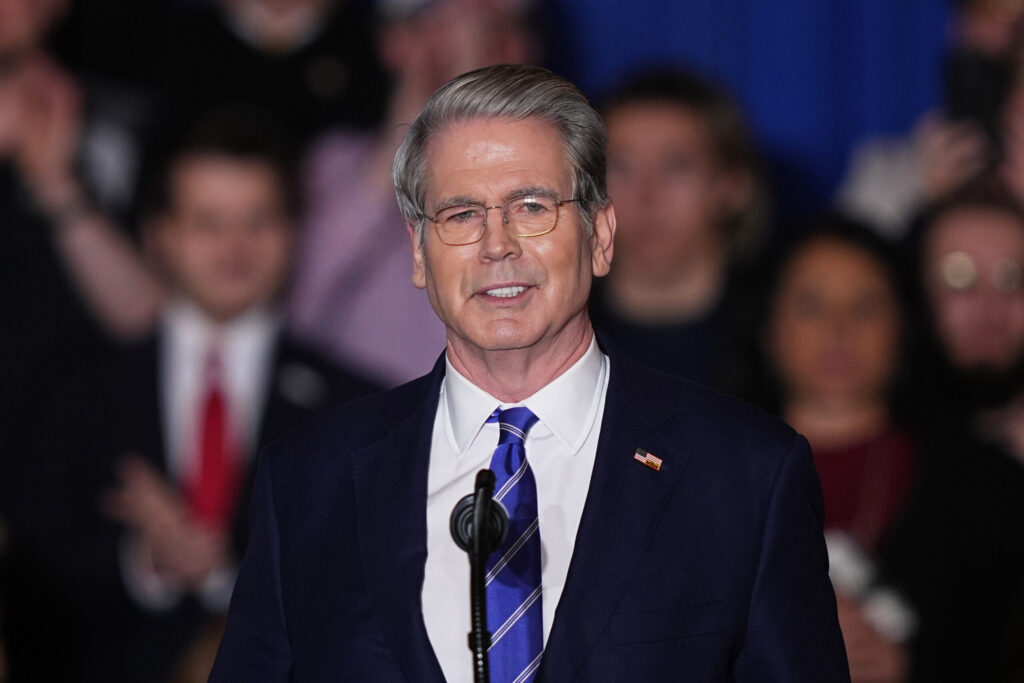
Treasury releases five-step guidance for employers to make contributions to Trump Accounts
Christian Datoc
christian-datoc@coloradopolitics.com
Updated 16 hours ago
Treasury Secretary Scott Bessent published new guidance Tuesday outlining the specific steps employers must take to contribute to employee Trump Accounts. The accounts, one of the most popular provisions included in President Donald Trump’s One Big Beautiful Bill Act, are...

Denver schools to refinance bonds to create capacity for future borrowing
Nico Brambila
nico.brambila@denvergazette.com
Updated 12 hours ago
Less than two years after voters approved a record $975 million school bond, Denver Public Schools is refinancing older debt — a move district officials say will save taxpayers money while creating capacity for another bond election. The district has...

Russia frees imprisoned US Marine over health concerns
Brady Knox
brady-knox@coloradopolitics.com
Updated 16 hours ago
Russia freed former U.S. Marine Robert Gilman upon the urging of U.S. officials so he could receive medical care in the United States. Gilman, 32, was released after 1,666 days in prison, having been arrested on Jan. 17, 2022. Eric...

Colorado students push AI task force as schools navigate new tech era
Marissa Ventrelli
marissa.ventrelli@coloradopolitics.com
Updated 9 hours ago
A group of students is urging lawmakers to establish a task force on artificial intelligence in education to advise districts on how to ensure that pupils and educators use the technology effectively without becoming overly reliant on it. The students...

Parker data center could get $19M tax rebate from Douglas County
Nicholas Fogleman
nicholas.fogleman@denvergazette.com
Updated 18 hours ago
At a time when Denver and Front Range governments are restricting or banning data center development, Douglas County commissioners are poised to approve a $19.3 million tax rebate agreement Tuesday for a new data center under construction in Parker. The...

Denver City Council rejects contract that would have given video maker 8-year deal
Deborah Grigsby
deborah.smith@denvergazette.com
Updated 21 hours ago
Denver’s Office of Human Resources will have to get creative to attract new city employees and place them in “hard-to-fill” jobs after a proposed five-year contract extension, valued at $600,000, failed to gain favor with the Denver City Council. The...

Denver Mayor Mike Johnston files to run for reelection in 2027
Michael Braithwaite
michael.braithwaite@gazette.com
Updated 21 hours ago
Denver Mayor Mike Johnston officially filed his paperwork Monday to run again for Denver’s mayoral office next year. The filing comes weeks after Johnston confirmed to The Denver Gazette that he would seek reelection as he focuses the final year...

U.S. Rep. Lauren Boebert’s son arrested, faces charges of sexual exploitation of minor
Matt Kyle
matt.kyle@denvergazette.com
Updated 1 day ago
U.S. Rep. Lauren Boebert’s son Tyler Jay Boebert has been arrested and accused of recording and sharing a video depicting himself having intercourse with a minor, according to court records. The case originated in Garfield County in Western Colorado and...
PREV
PREVIOUS

Two opponents of public option bill shift stance after latest rewrite removes public option
Two of the three major opponents to the proposed public option have shifted their stance, paving the way to possible agreement on a bill that has undergone hundreds of hours of negotiation and at least three rewrites. On Tuesday, the House Health & Insurance Committee will take another look at House Bill 1232, but it […]
George W. Bush is a stranger in a strange land in today's GOP
Former President George W. Bush finds himself in unfamiliar territory: yukking it up with liberal late-night host Jimmy Kimmel and being feted on other television shows on which celebrities are feted while casting a quizzical eye at the party he led during two terms in the White House. Bush found himself having to walk back […]