

Speaker of the House Alec Garnett talks about decision to appoint West Slope Republican to ag committee leadership
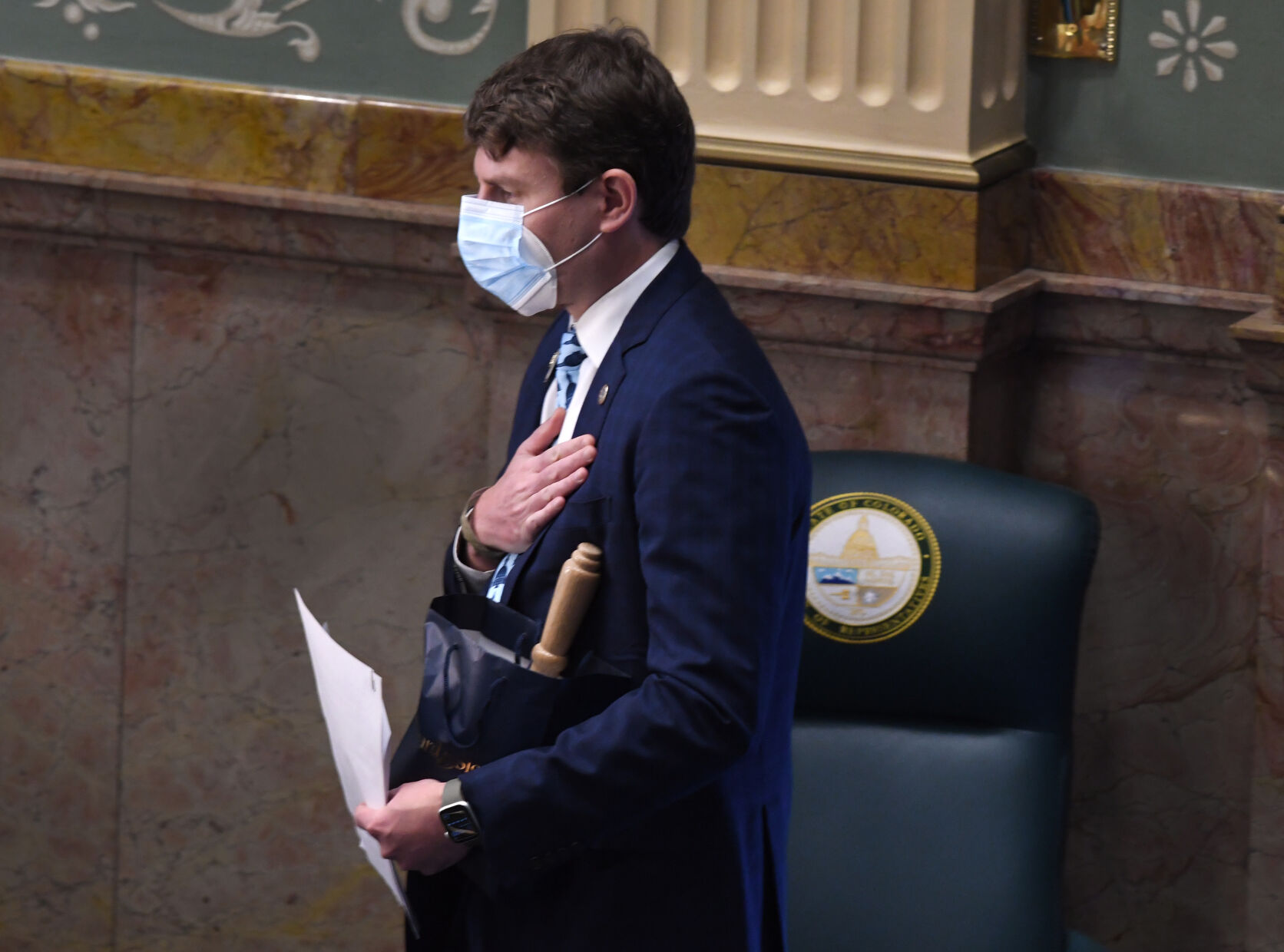
In an era of hyperpartisanship, Speaker of the House Alec Garnett, D-Denver, has done something no other Colorado Speaker has done, at least not in the almost two-dozen years this reporter has been at the Capitol.
He appointed a Republican – Rep. Marc Catlin of Montrose – as vice chair of the Democratic-controlled House Agriculture, Livestock and Water Committee.
In an interview with Colorado Politics, Garnett said it was common sense.
Catlin, the ranking Republican on the committee, was suggested for the vice chair position by Rep. Jeni Arndt, D-Fort Collins, who had been committee chair until last Friday, when she resigned her seat to become mayor of Fort Collins. The committee chair is now Rep. Karen McCormick, D-Longmont, a veterinarian who is in her first year in the Colorado House.
Garnett said he has a lot of confidence in McCormick, who he said has a rich background in the issues that the committee faces. He also noted that almost all of the other Democrats on ag are already chairs of other committees or are in other leadership roles.
Catlin is a smart, thoughtful and caring individual who knows these issues, Garnett said, and combined with McCormick’s experience they will make a good team.
There is, however, the potential reaction from some of the more partisan members of his caucus.
“I thought about that a lot,” Garnett said. “This is a big move.”
But in a time when people are nervous about institutions, “it felt like an important moment for me to say not only do I feel strongly about the institution itself, we don’t have to be so partisan with each other. If you’re a thoughtful policymaker, the letter behind your name shouldn’t matter,” he said.
Choosing not to pick fights “just because you can,” being a thoughtful partner and a good communicator; these are all things that Catlin is, Garnett added.
Garnett and Catlin are co-sponsors of a stimulus bill to boost funding for the state water plan. The day they presented the bill, they talked about Garnett’s pending decision, and Catlin told him that it’s about the committee, the issues and “making sure we’re doing the right thing” for the state.
The decision he made was for those things, Garnett said.
It’s is a different way to do things, but he said it shows that you can find the places of bipartisanship. “It’s easy to be partisan,” Garnett said. “It’s very hard to build relationships with Republicans and to extend an olive branch to the other party and to listen to where they’re coming from.”
In making the decision, party mattered least, with the personality of the policymaker, knowledge of the issues and “his unwavering commitment to the state” coming first.
Garnett is concerned that there could be pushback from some in his caucus, but said it’s a testament to Catlin that he hasn’t heard it yet. While he believes that pushback will come eventually, he will handle it then. The decision came from the right information and it came from the right place, in his heart.
“I can explain that to folks and hopefully they will understand,” Garnett said.
Among the 65 members of the House, most from rural Colorado are Republicans; Democrats who aren’t from the Front Range represent ski areas and southwestern Colorado. The only House Democrat with an ag background is Rep. Don Valdez of La Jara.
“There’s a lot of talk about the rural-urban divide,” Garnett said. “Marc will complement Karen’s leadership, and if that gives confidence to folks in other parts of the state who feel like the divide is getting wider; this can be seen as an opportunity.”


Colorado Politics Calendar Apr. 6-12
Rachael Wright, Special to Colorado Politics
rachael.wright@coloradopolitics.com
Updated 3 days ago
CoPo’s weekly political calendar will help you find political and public-policy events throughout Colorado. It includes candidate and issue campaign events, public policy meetings, court hearings, state and local party conventions, assemblies, debates, rallies, parades, speaking engagements, traveling dignitary appearances,...

Democrats rebounding without learning necessary lessons | SONDERMANN
Thelma Grimes
thelma.grimes@coloradopolitics.com
Updated 2 days ago
“When we fight, we win!” That, reportedly, was the chant heard over and over again at the Colorado Democratic Assembly a week ago. It suggests that pugilism has been the piece missing from the Democratic toolkit. Perhaps it was just...
An April Fool’s Day to remember | Capitol M | Week of April 4, 2026
Marianne Goodland
marianne.goodland@coloradopolitics.com
Updated 2 days ago
The lighter side of the Capitol, and if light were weight, the Capitol would have lifted off better than the Artemis II rocket on April Fool’s Day. There was a plethora of Fools at the Capitol for April Fool’s Day...
Federal judge sides with Mesa County school district in ex-student’s First Amendment claims
Michael Karlik
michael.karlik@coloradopolitics.com
Updated 13 hours ago
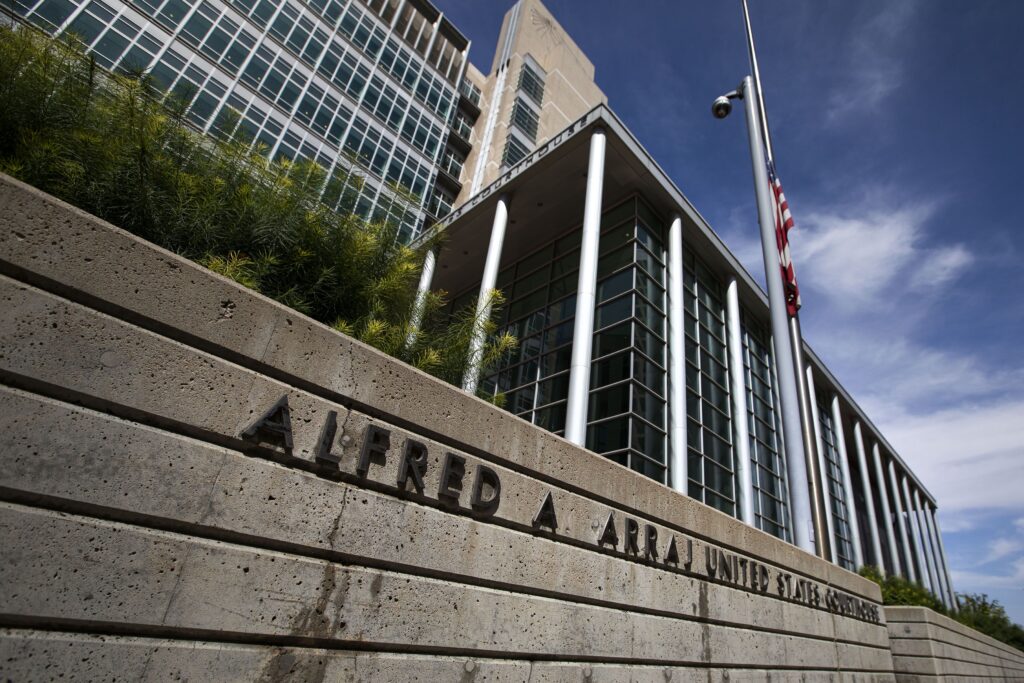
A federal judge concluded last week that Mesa County Valley School District 51 and three of its administrators did not violate the First Amendment rights of a former student when they imposed minor discipline in response to disruptive behavior. In...

Colorado Supreme Court intervenes in 4 ongoing cases
Michael Karlik
michael.karlik@coloradopolitics.com
Updated 16 hours ago
The Colorado Supreme Court recently moved to intervene in four ongoing cases, including two criminal prosecutions, a civil lawsuit, and a child welfare proceeding. At least four of the court’s seven members must agree to hear a case outside of...
Colorado ski resorts announce early closures amid historic snowpack lows, high temperatures
Kyla Pearce
kyla.pearce@gazette.com
Updated 16 hours ago
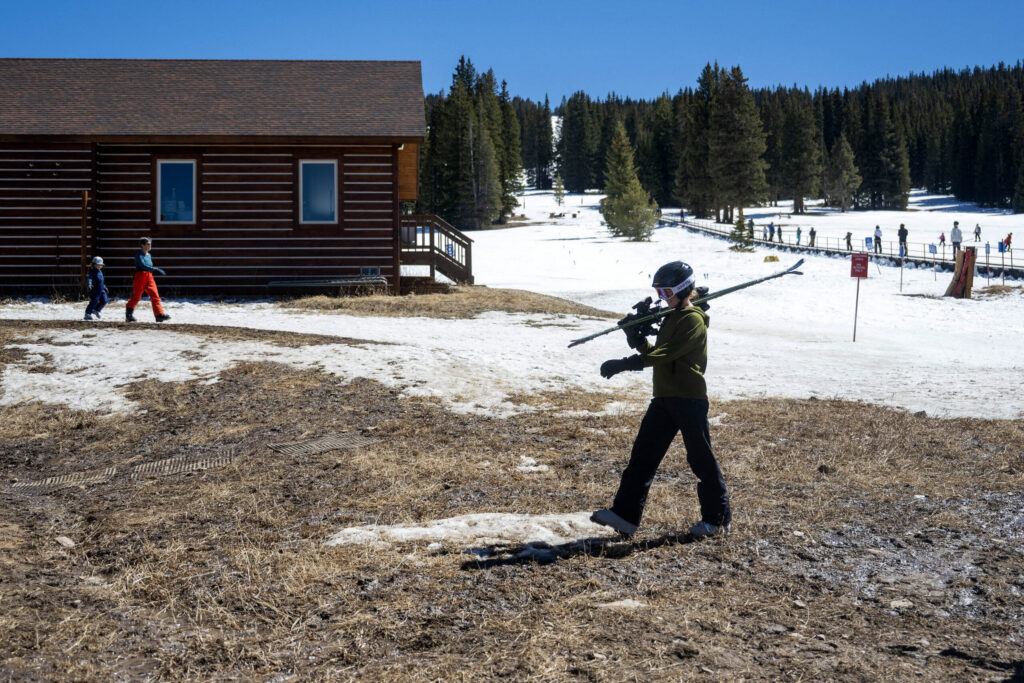
Vail Resorts is the latest area to announce season closure Wednesday As Colorado’s historically low snowpack year comes to a close and spring conditions take over the mountains, the state’s major ski resorts are announcing closing dates — some of...

Kentucky Gov. Andy Beshear set to headline Colorado Democrats’ annual fundraising dinner
Ernest Luning
ernest.luning@coloradopolitics.com
Updated 16 hours ago
Kentucky Gov. Andy Beshear, one of the Democrats’ top 2028 presidential prospects, is scheduled to deliver the keynote address at the Colorado Democratic Party’s annual fundraising dinner in June in Denver, the party said Friday. Serving his second term as...
Gov. Polis names new leaders for Colorado health agencies in wake of Medicaid turmoil
Marianne Goodland
marianne.goodland@coloradopolitics.com
Updated 18 hours ago
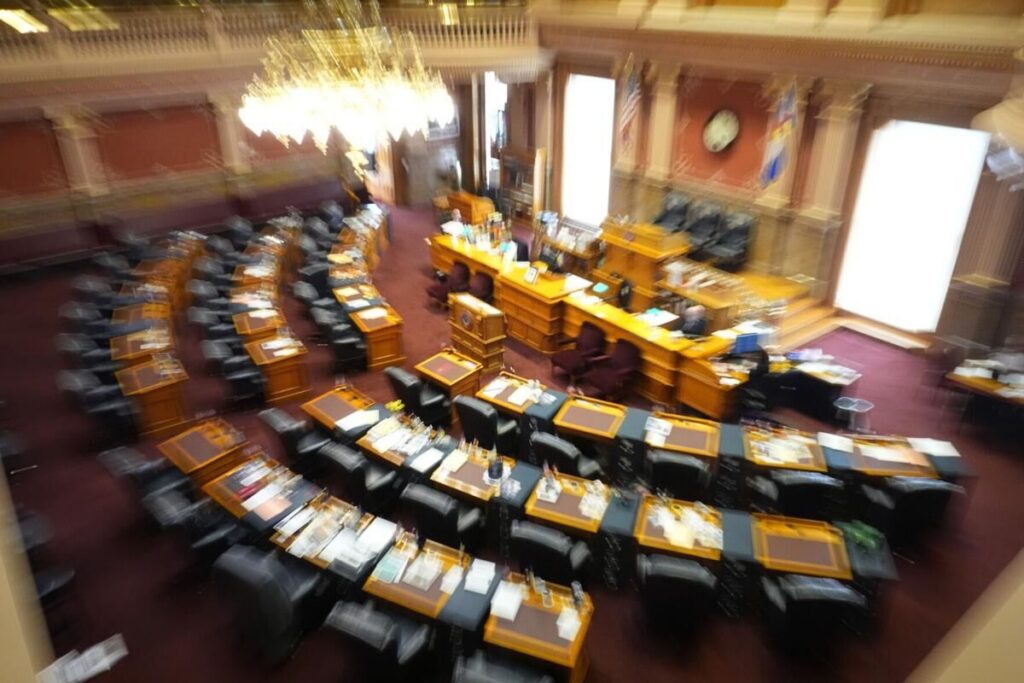
Gov. Jared Polis, on Thursday, announced he was appointing Gretchen Hammer to serve as acting executive director of the Colorado Department of Health Care Policy and Financing, and deputy executive director Stephanie Beasley to become the next commissioner of the...
Federal judge releases man immediately as consequence for immigration judge disobeying orders
Michael Karlik
michael.karlik@coloradopolitics.com
Updated 16 hours ago
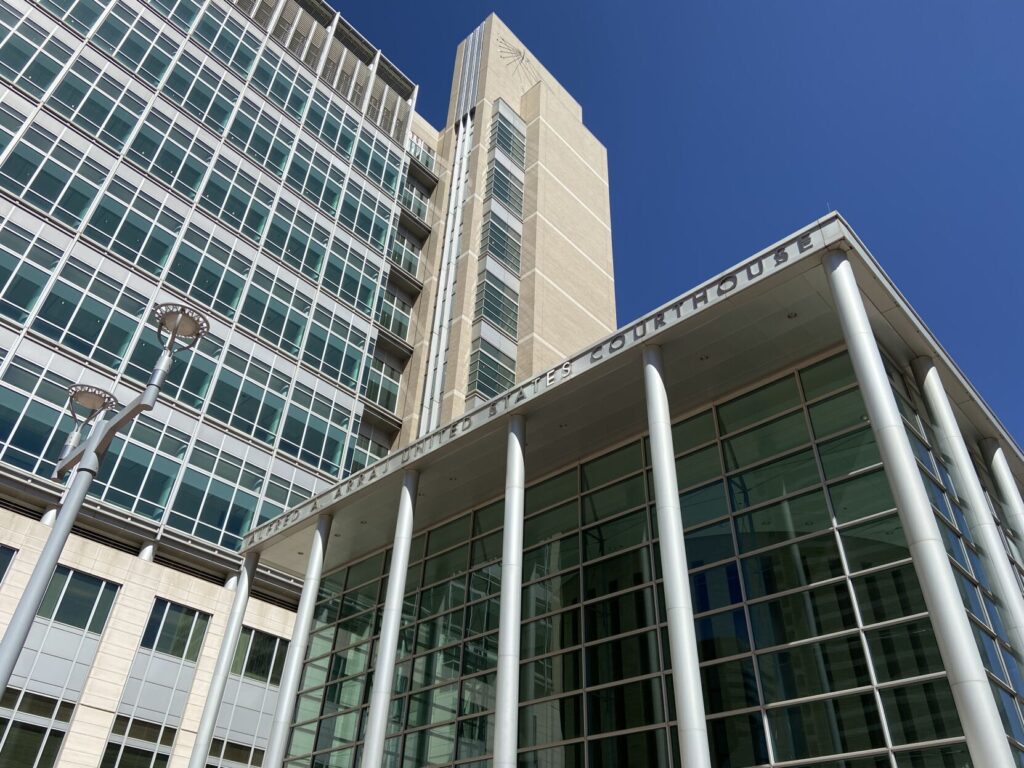
A federal judge ordered a man’s immediate release from immigration detention on Thursday after finding an immigration judge disregarded his prior orders requiring a bond hearing. For the past year, Colorado’s federal district court has faced a flood of “habeas corpus”...
Colorado sues Trump administration, calling new election order ‘unconstitutional’
Marissa Ventrelli
marissa.ventrelli@coloradopolitics.com
Updated 20 hours ago
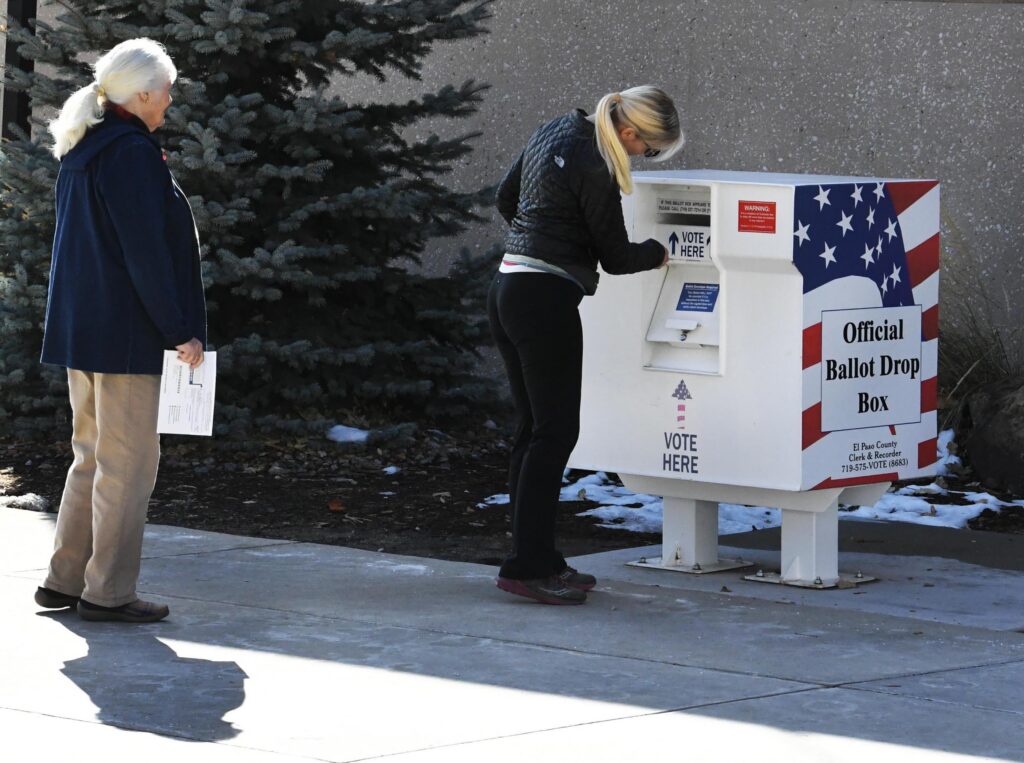
Colorado Attorney General Phil Weiser has joined a multistate coalition suing President Donald Trump over a new executive order on elections, arguing the directive unlawfully intrudes on states’ authority to run their own voting systems and threatens access to mail...
PREV
PREVIOUS

Supreme Court agrees with Denver DA, defense: Judge wrongly rejected indigent man's request
A Denver judge must reconsider his decision to deny state funding to an indigent defendant for the purpose of hiring an investigator and expert witnesses, the Supreme Court ordered on Friday. Both the Denver District Attorney’s Office and the attorney for Edward Sandoval agreed District Court Judge David H. Goldberg was mistaken to conclude he […]

Bill to have preliminary redistricting maps rely on survey data sails through first hearing
A panel of lawmakers gave unanimous approval to a bill that aims to fix the state redistricting commissions’ census data delay problems, by deeming survey data appropriate to use for the preliminary maps, instead of waiting for the U.S. Census Bureau’s official decennial census data. The state’s redistricting commissions would normally have had the decennial […]