

Colorado Supreme Court mandates diversity, equity, inclusivity training
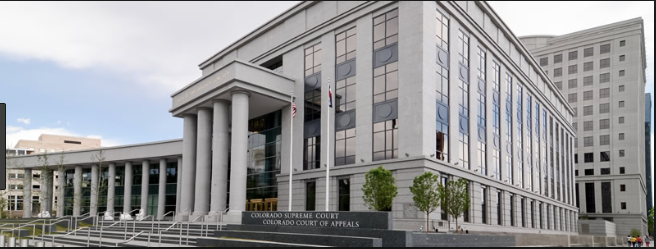
Over objections that the programming constitutes “indoctrination,” the Colorado Supreme Court on Thursday approved mandatory equity, diversity and inclusivity training for attorneys as a means of retaining diverse attorneys and recognizing systemic bias.
Colorado joins more than half a dozen other states that have a standalone requirement for EDI, as the training is known. It will become part of the 45 credit hours of continuing legal education (CLE) attorneys need to complete in a three-year period.
“The Supreme Court’s action in adopting this rule sends a powerful message to our colleagues who experience racism, sexism, and other forms of bias: We hear you, we know it happens, and as a profession we will not tolerate it,” said the Presidents Diversity Council, which includes the heads of the Hispanic, women’s, LGBT and other bar associations, in a statement.
The rule change now requires lawyers to fulfill two hours of EDI training per reporting period, as part of the larger seven-credit-hour category of “professional responsibility.” The EDI education should cover equal access to the legal system, representation of diverse populations, and the recognition or elimination of bias in the legal profession.
Earlier this month, the justices held a public hearing and received hundreds of pages of public comments on the change. The majority of attorneys weighing in were supportive of the EDI proposal. Some, however, felt proponents were trying to impose a particular ideology that had little bearing on professional development.
“[I]t’s wrong for the Court to use its rulemaking power to impose on Colorado attorneys a regimen of political indoctrination under the guise of continuing legal education,” wrote one attorney.
Requiring EDI in Colorado gained traction after the 2020 racial justice protests following the killing of George Floyd in Minneapolis. The Presidents Diversity Council threw its support behind the idea of EDI education.
“Though some may be hesitant or resistant to taking yet another ‘implicit bias’ training, EDI CLEs encompass so much more,” wrote Christine Hernández and Annie Martínez in December, the past presidents of the Colorado Hispanic Bar Association. “For example, a program on cultural competency could help you better connect and communicate with clients from different backgrounds so you can elicit the information you need to defend their case.”
A draft version of the policy contained additional stipulations about the content of EDI training, which described eliminating barriers facing marginalized groups, explicit bias and “understanding ingrained and systemic structural biases in society.” The Supreme Court justices omitted those provisions from the adopted rule.
For William Trachman, associate general counsel of the conservative Mountain States Legal Foundation, the changes made him more comfortable with the policy — albeit with some lingering skepticism.
“It’s good to see they were responsive to some of the concerns about viewpoint protection,” he said, referring to viewpoints that challenge the notion of implicit bias or that eschew the direct confrontation of disparities.
“The jury is still out, no pun intended, but certainly they realized they had significant exposure” to a legal challenge under the First Amendment, Trachman continued.
Hernández countered that the revisions still upheld the original vision of the EDI proposal, and disputed Trachman’s concern that EDI would force a viewpoint on attorneys.
“I don’t think any of the CLEs will be in that vein. It is about having open discussions about open discussions about these topics,” she said. “It’s not about pointing fingers at anybody. It’s about conversation, education and how to be better attorneys.”
This article has been updated to clarify the titles of the Colorado Hispanic Bar Association leaders.

10th Circuit dismisses woman’s lawsuit following 10-year attempt to undo restraining order
Michael Karlik
michael.karlik@coloradopolitics.com
Updated 2 days ago
The Denver-based federal appeals court rejected a woman’s challenge on Friday to a restraining order imposed on her more than a decade ago, finding that she cannot credibly claim she will be prosecuted for violating the restraining order through her...
10th Circuit dismisses woman’s lawsuit following 10-year attempt to undo restraining order
Michael Karlik
michael.karlik@coloradopolitics.com
Updated 3 days ago
The Denver-based federal appeals court rejected a woman’s challenge on Friday to a restraining order imposed on her more than a decade ago, finding that she cannot credibly claim she will be prosecuted for violating the restraining order through her...
Colorado equal pay law does not require plaintiffs to allege gender-based retaliation, appeals court finds
Michael Karlik
michael.karlik@coloradopolitics.com
Updated 2 days ago
The 2019 Colorado law aimed at rooting out pay discrimination on the basis of sex does not require a plaintiff to allege their employer retaliated against them for sex- or gender-related reasons, the state’s second-highest court decided on Thursday. Lawmakers...
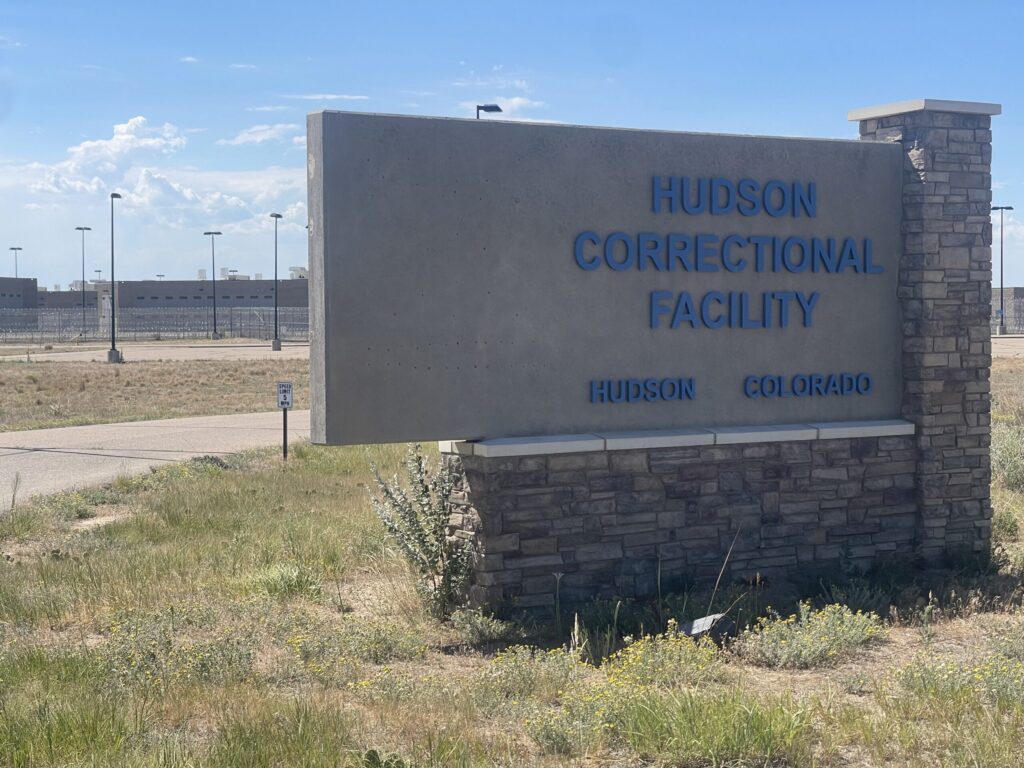
Hudson faces lawsuit over ICE detention facility
Nicole C. Brambila
nicole-c-brambila@coloradopolitics.com
Updated 3 days ago
A nonprofit organization filed a lawsuit against the Town of Hudson Wednesday, challenging plans to reopen a former federal prison in the town as a U.S. Immigration and Customs Enforcement detention facility. Together Colorado, along with Janet E. Carlson, filed...
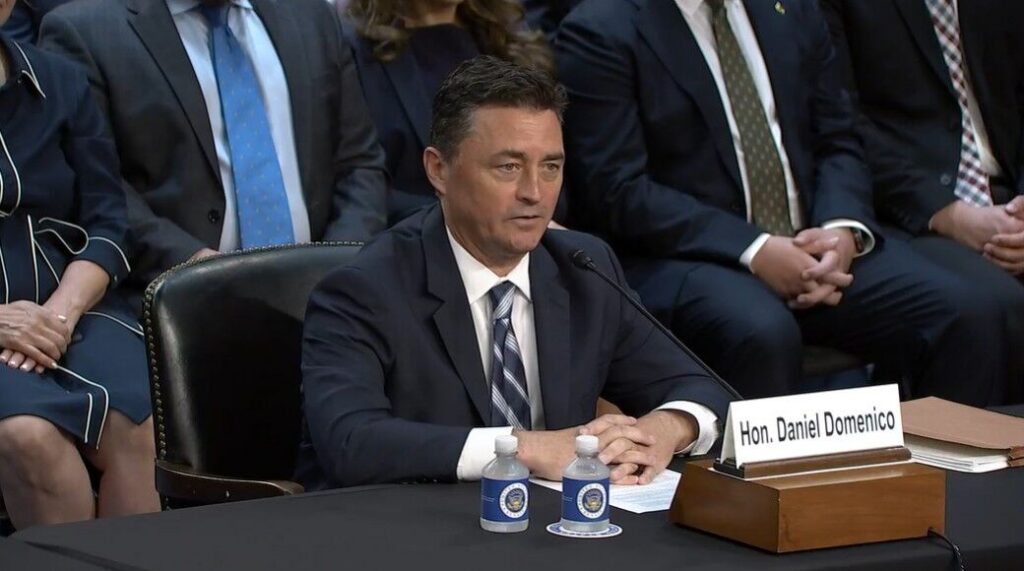
Senate committee advances Trump’s 10th Circuit nominee, as Domenico responds to questions about delays
Michael Karlik
michael.karlik@coloradopolitics.com
Updated 3 days ago
The U.S. Senate Judiciary Committee advanced President Donald Trump’s nominee to the Denver-based federal appeals court on Thursday by a party-line vote of 12-10. U.S. District Court Judge Daniel D. Domenico, who was Trump’s first-term appointee to Colorado’s federal trial...
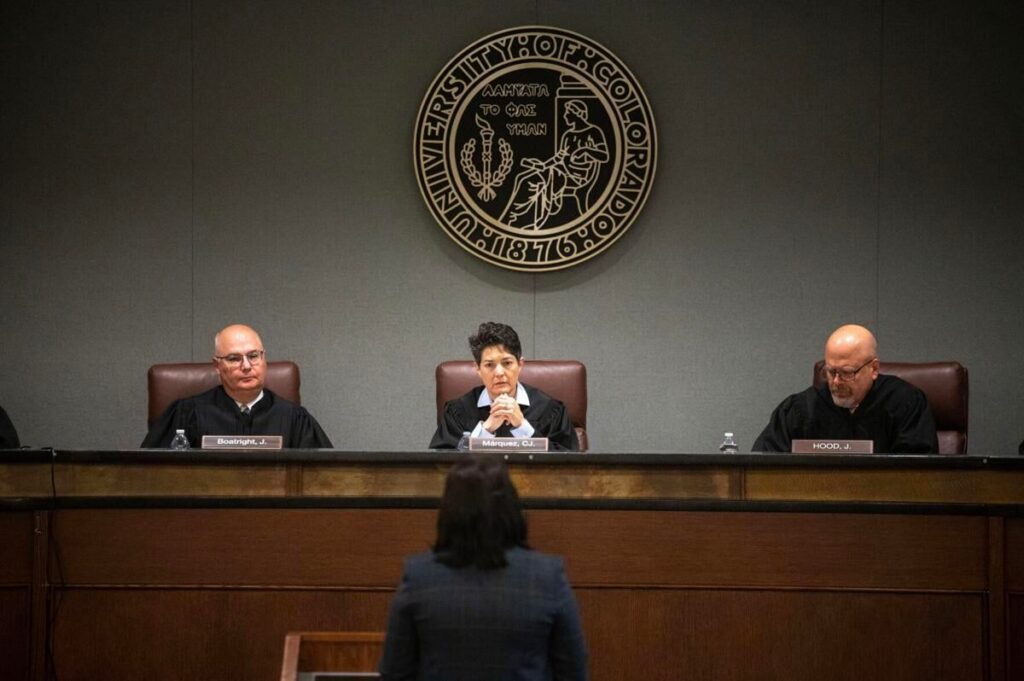
Colorado justices to hear embryonic donation dispute
Michael Karlik
michael.karlik@coloradopolitics.com
Updated 3 days ago
The Colorado Supreme Court announced on Monday that it will decide whether lower court judges properly applied its framework for adjudicating disputes over the fate of pre-embryos, in which one person wants to use them to become a parent and...
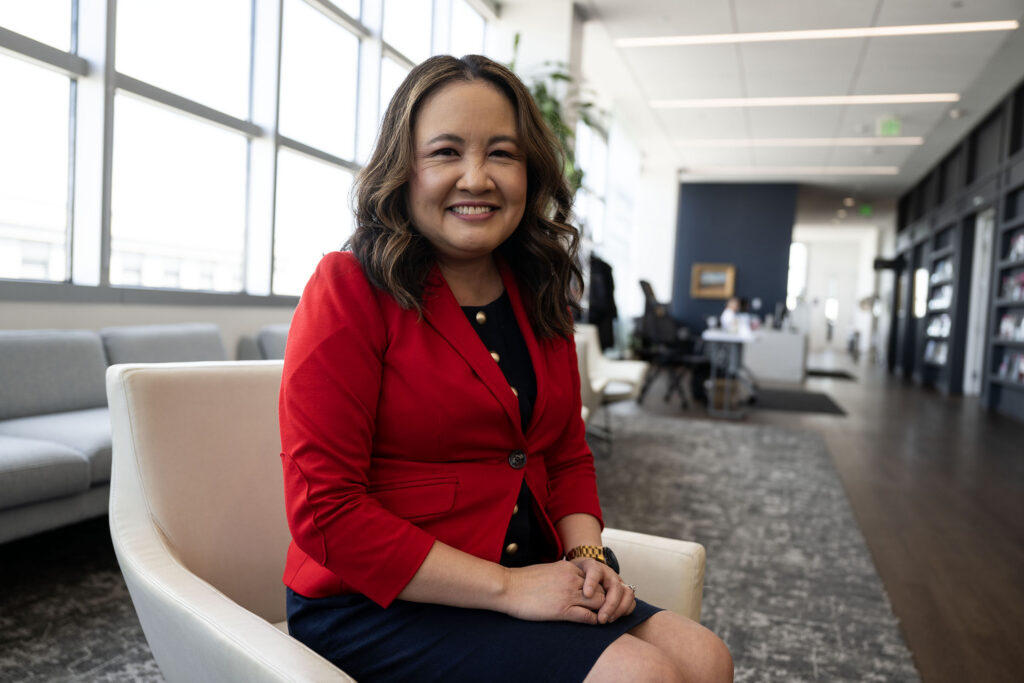
Isolation, emotion, persona: Colorado judicial programming prepares people for life on the bench
Michael Karlik
michael.karlik@coloradopolitics.com
Updated 3 days ago
As a trial judge and now as a member of the Colorado Supreme Court, Justice Carlos A. Samour Jr. has heard the view that being a judge is isolating. “In neither court have I felt isolated. I’ve always interacted a...

Federal judge dismisses Colorado county sheriff’s challenge to law limiting immigration cooperation
Michael Karlik
michael.karlik@coloradopolitics.com
Updated 2 days ago
A federal judge dismissed a challenge from Mesa County Sheriff’s Office leaders last week to a Colorado law limiting public employees’ cooperation with immigration authorities, concluding that the plaintiffs did not allege they engage in any conduct that the law...
10th Circuit raises bar for fraud victims to sue debt collectors over inaccurate information
Michael Karlik
michael.karlik@coloradopolitics.com
Updated 1 day ago
The Denver-based federal appeals court wiped away a jury’s $500,000 award to a fraud victim on Monday and made it more difficult for consumers to hold companies liable for disseminating inaccurate credit information. The Fair Credit Reporting Act regulates credit...
Montezuma County judge’s censure, suspension approved by discipline panel
Michael Karlik
michael.karlik@coloradopolitics.com
Updated 4 days ago
A three-member disciplinary panel accepted, on Monday, an agreement between a Montezuma County judge and the Colorado Commission on Judicial Discipline that specifies he will receive a censure, a suspension, and additional education for his admitted instances of misconduct. Under...
PREV
PREVIOUS

Judge greenlights claim against prison contractor for inmate's suicide
A jury will decide whether an Arapahoe County jail contractor disregarded the risk to an inmate and downplayed his potential for suicide hours before he killed himself, a federal judge ruled last month. U.S. District Court Judge R. Brooke Jackson determined the family of Brian Heath Roundtree had plausibly alleged a medical counselor’s assessment of […]

Supreme Court accepts Arapahoe County judge's resignation for misconduct, N-word use
In a stunning order the state Supreme Court released on Friday, the justices accepted the resignation of Arapahoe County District Court Judge Natalie T. Chase for racist behavior, workplace misconduct and name-calling toward a fellow judge. “You acknowledge that your use of the N-word does not promote public confidence in the judiciary and creates the […]