

Judge: Prison officials correctly censored mail that implied inmate’s innocence
Colorado Department of Corrections employees were correct to withhold published articles sent to an inmate about his own case, a federal judge has ruled, because such materials could cause “strife and unrest” in the prison.
The government had argued that holding onto the mail, which included materials suggesting the inmate was innocent, served to prevent conflict among those in the prison.
U.S. District Court Judge R. Brooke Jackson earlier this month agreed with the department’s justification that “the censorship avoided safety and security risks that could have been caused by their release.”
Hal Herbert is serving a lifetime sentence for the 2001 murder of his wife, Carol, in Denver. In 2010, Westword published an article characterizing Herbert’s trial as “rich in incriminating circumstantial evidence but short on motive.” The article suggested a witness at Herbert’s trial, Richard White – who himself pleaded guilty to serial killings of women – may have been involved in Carol Herbert’s death.
An online petition has gathered over 2,600 signatures asking Gov. Jared Polis to help facilitate a new trial for Herbert to remedy his “false conviction for murder.”
In 2018, Herbert received multiple pieces of mail at the prison that staff withheld. There were a total of four documents: two articles, including one from Westword, that raised the possibility of Herbert’s innocence; a list of names and addresses of supposed jurors; and a court opinion about Herbert’s case.
The Department of Corrections told Herbert in rejecting the mail that the documents contained “numerous accusations about another CDOC offender,” meaning White. The department added that the materials posed “a threat to the safety of offenders.”
Although incarcerated persons still have a First Amendment right to receive correspondence, the U.S. Supreme Court has acknowledged prisons may enact regulations on inmate mail that serve legitimate functions.
“If your incoming mail is censored, both you and the sender are entitled to notice. The notice must explain the reasons for the censorship in enough detail to allow you to challenge it,” the American Civil Liberties Union advises incarcerated individuals.
After Herbert complained that prison officials violated his constitutional rights by censoring the mail, the court deemed the individual employees were entitled to qualified immunity, a judicial doctrine that prevents civil suits against government employees unless they violate a clearly-established legal right.
The attorney general’s office argued to the court that in the Department of Corrections’ experience, mail accusing an inmate of criminal activity “can create serious security concerns.” The articles implying White, the admitted serial killer, had also murdered Herbert’s wife were “scurrilous and defamatory.”
Herbert responded in August of last year that, being 78 years old at the time, he posed no threat. Given the existence of newspapers, legal documents and books about crime in the prison library, “an article that contains an alternate theory of a crime should not pose any risk,” he wrote.
Jackson disagreed, and upheld the decision to censor the mail. “The two articles in which another inmate is accused of murdering plaintiff’s late wife, and the juror address letter, have the potential to cause strife and unrest within the prison,” the judge wrote in a March 12 order.
Jackson reasoned that the articles made “unproven accusations” against White, which would prompt other inmates to “react to the accusations, even if he is not in Mr. Hebert’s same facility. It thus stands to reason that the articles could pose a greater facility security risk than standard criminal reporting in daily newspapers or legal documents.”
The judge further justified the censorship by speculating that allies of White might try to retaliate against Herbert. Regarding the alleged list of juror names and addresses, Jackson believed that other inmates, if they learned about the document, might try to obtain similar information and harass jurors.
However, Jackson did note the prison improperly withheld the court opinion pertaining to Herbert’s case, although it may have been an inadvertent mistake.
“The Court nonetheless respectfully suggests to defendants that they abide by their own policies and censor mail on a document-by-document basis going forward,” the judge concluded.
The case is Herbert v. Ruffini et al.


Denver sues Trump to block armed ICE agents from polling sites
Deborah Grigsby
deborah.smith@denvergazette.com
Updated 4 hours ago
The city of Denver, along with several groups, sued the Trump administration Thursday, seeking to block U.S. Immigration and Customs Enforcement officers who are armed from polling sites during the upcoming midterm elections. In fact, there are no official orders...

Federal judge takes no action against ICE in Colorado after hearing about mistakes, not ‘blatant violations’
Michael Karlik
michael.karlik@coloradopolitics.com
Updated 1 hour ago
A federal judge declined to take action against U.S. Immigration and Customs Enforcement on Thursday after hearing that a pattern of alleged lawbreaking amounted to mistakes and a misunderstanding of the government’s position in court. For nearly a year, Colorado’s...
Colorado doctors, dentists challenge state law on gender‑transition services in new federal lawsuit
Marissa Ventrelli
marissa.ventrelli@coloradopolitics.com
Updated 5 hours ago
A group of Christian doctors and dentists has filed a federal lawsuit challenging a Colorado law they say requires them to provide gender‑transition services that conflict with their religious and ethical beliefs. The lawsuit, filed by the Christian Medical and...
Federal judge directs plaintiff to revise complaint alleging Denver officers’ constitutional violations
Michael Karlik
michael.karlik@coloradopolitics.com
Updated 1 day ago
A federal judge directed a plaintiff to revise his allegations on Wednesday to more precisely state what two Denver officers and the city itself allegedly did to violate his constitutional rights by facilitating his prosecution for murder until prosecutors dropped...

Lawsuit challenges Douglas County commissioners’ ballot actions
Nicholas Fogleman
nicholas.fogleman@denvergazette.com
Updated 9 hours ago
A new lawsuit against Douglas County commissioners seeks to invalidate the board’s intervention in efforts to expand the commission from three members to five and restore the original ballot language approved by more than 20,000 petition signers. The suit marks...
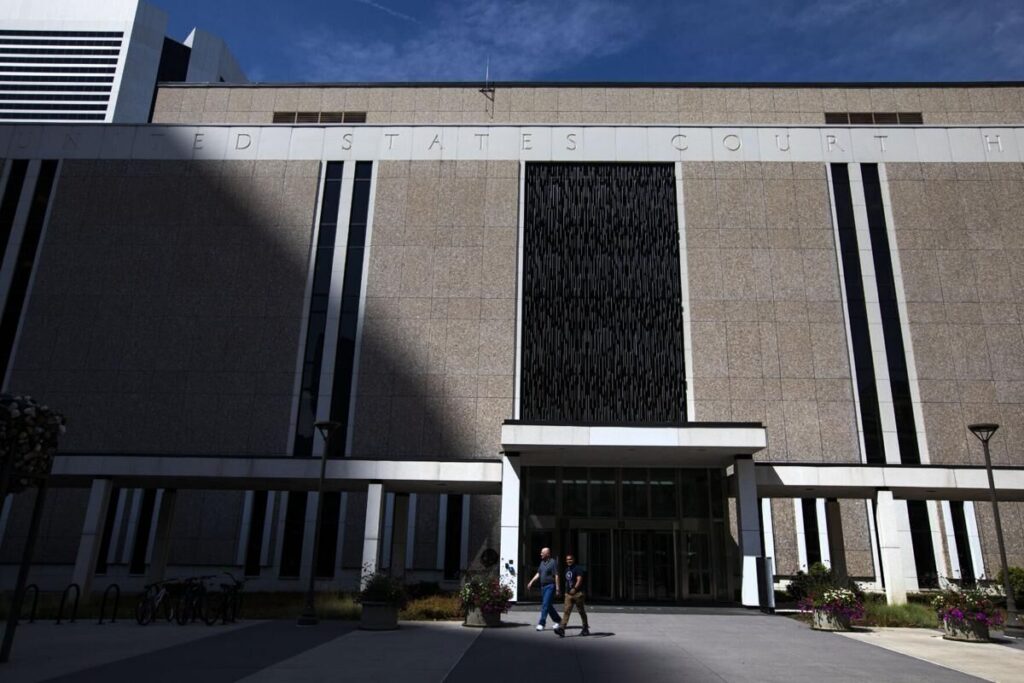
Federal judge explores new sanctions against ex-Colorado judicial discipline director
Michael Karlik
michael.karlik@coloradopolitics.com
Updated 3 hours ago
A federal judge on Wednesday directed Colorado’s former judicial discipline director, for the third time this year, to explain why she should not sanction him for his latest conduct in his litigation against the state’s judiciary. Christopher S.P. Gregory, who served...
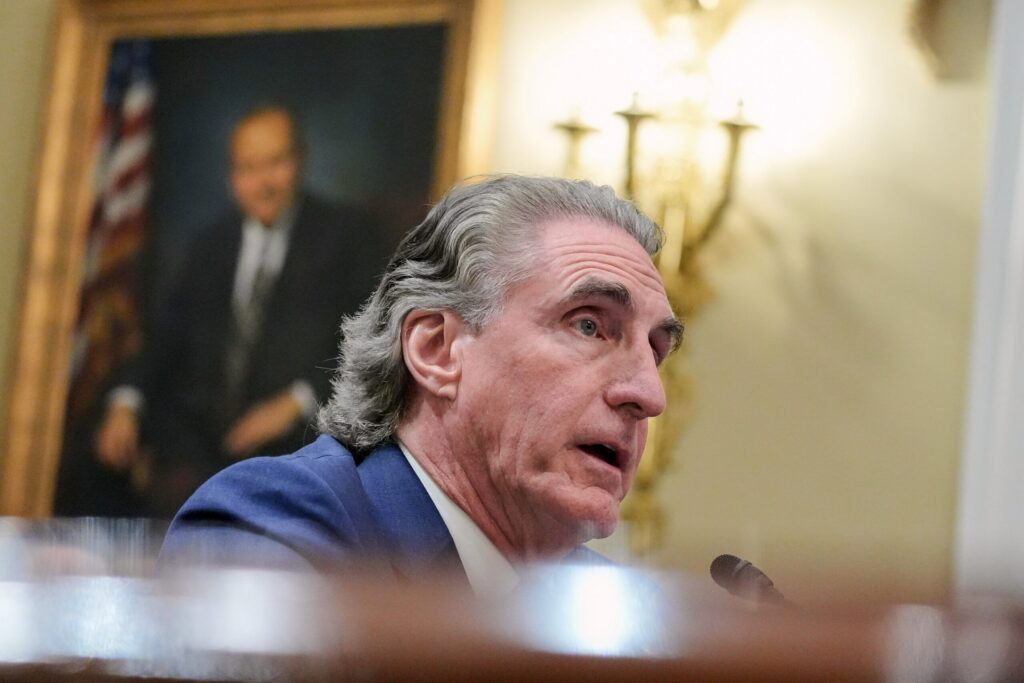
Colorado joins lawsuit challenging changes to Endangered Species Act
Marissa Ventrelli
marissa.ventrelli@coloradopolitics.com
Updated 1 day ago
Colorado once more joined a coalition of states challenging the Trump administration — this time on proposed rules regarding the Endangered Species Act. The pair of lawsuits challenge new rules made under Interior Secretary Doug Burgum, who earlier said the...
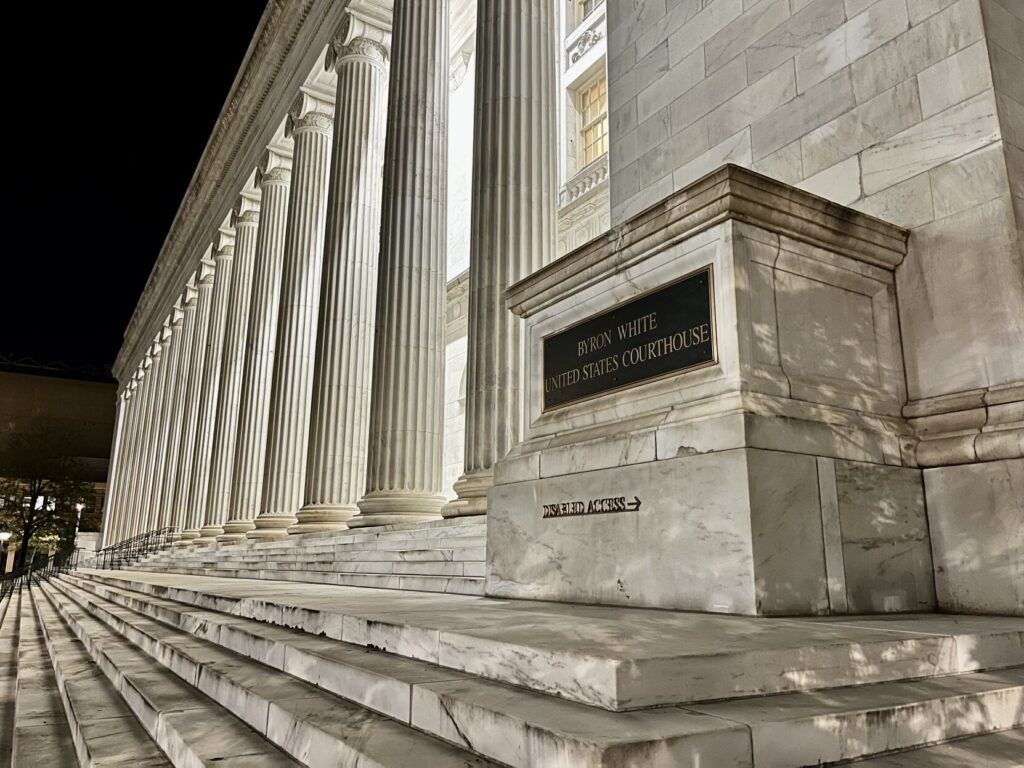
10th Circuit orders second look at immunity for Kiowa County deputy over fatal vehicle crash
Michael Karlik
michael.karlik@coloradopolitics.com
Updated 1 day ago
The Denver-based federal appeals court directed a trial judge on Tuesday to further analyze whether a Kiowa County deputy and the sheriff’s office may be sued for a fatal vehicle collision. The Colorado Governmental Immunity Act generally shields government entities and public...
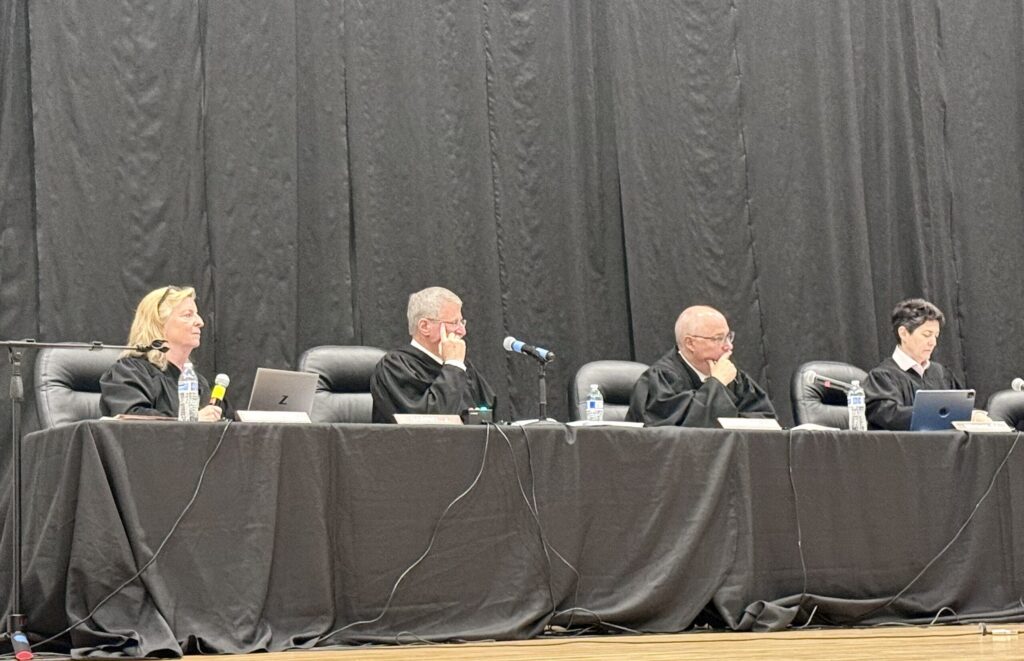
Colorado justices to hear appeal in Kendrick Castillo death lawsuit, ‘fugitive’ rule
Michael Karlik
michael.karlik@coloradopolitics.com
Updated 6 hours ago
The Colorado Supreme Court announced on Tuesday that it will decide whether it was proper to dismiss a lawsuit over the 2019 shooting death of Kendrick Castillo after the defendants paid the maximum amount of damages available to Castillo’s parents,...
Federal judge dismisses Douglas County’s challenge to collective bargaining law
Nicholas Fogleman
nicholas.fogleman@denvergazette.com
Updated 2 days ago
A federal judge dismissed claims brought by the Douglas County Board of Commissioners alleging that a state law granting county employees the right to organize and join labor unions violates free speech protections and conflicts with federal labor law. Douglas...
PREV
PREVIOUS

GOP attorneys general sue Biden over oil and gas leasing pause
A group of Republican attorneys general are suing the Biden administration over its pause of oil and gas leasing on federal lands. The 13 GOP attorneys general, led by Louisiana Attorney General Jeff Landry, argue barring new drilling permits “contravenes congressional commands” that require federal agencies to advance the speedy and safe development of “abundant […]

Procession to be held for fallen Boulder officer; vigils planned in wake of King Soopers mass killing
A procession will be held Wednesday afternoon for fallen Boulder Police Department officer Eric Talley as his body will be moved to a funeral home in Aurora. Police said the procession will start at 3 p.m. and will go down Pearl Street, then Foothills Parkway to Highway 36. Police said the public is invited to […]