

Suspect who set length of interrogation was not in custody, Supreme Court rules
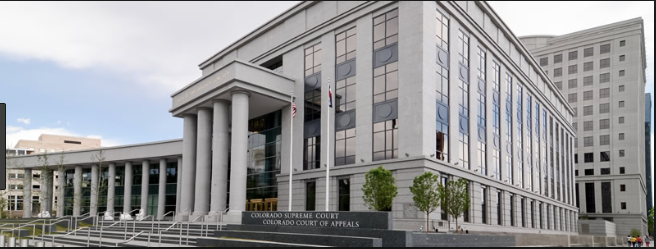
An El Paso County judge mistakenly suppressed evidence from a police interview of a sexual assault suspect, the Colorado Supreme Court ruled on Monday, finding the suspect was not in custody because he was able to impose a time limit on his interrogation.
“While no one factor is determinative, this fact is significant because a reasonable person who sets the length of an interrogation is unlikely to believe that his freedom of action has been curtailed to a degree associated with formal arrest,” wrote Chief Justice Brian D. Boatright for the Court. Because he was not in custody, the suspect was not entitled to a Miranda warning of his constitutional rights, the Court concluded.
A female victim reported to police that Jose Padilla, Jr. had allegedly sexually assaulted her, prompting two Colorado Springs detectives to speak with Padilla after his probation appointment. The detectives met with Padilla in a windowless conference room and audio recorded the interrogation.
Up front, the parties established Padilla only had a few minutes to talk before he had other obligations.
“I’m not avoiding you. I’ll sit down and talk to you, but I mean, honestly,” Padilla told them, “it’d probably be better, man, if we could set up an appointment and we could just meet up then and just, we can talk about whatever you want.”
One of the detectives agreed to this, then prompted Padilla: “Obviously, just based on the allegation, did you have any sort of sexual encounter with [the victim]?”
Padilla responded in the negative, and recounted his side of the alleged sexual assault, including his assertion that the victim was “really drunk” and he had stopped the encounter from escalating.
The detectives asked whether Padilla would consent to a DNA test in the conference room, which he did. They then agreed to meet with Padilla two weeks later to “talk a little bit more [in] detail.” Padilla left the room after approximately 10 minutes, without the detectives releasing him or explicitly telling him he was free to go.
The DNA test subsequently matched swabs from the victim, and police arrested Padilla on two counts of sexual assault. Padilla attempted to suppress the evidence from his interrogation because the detectives had not advised him of his Miranda rights.
A 1966 U.S. Supreme Court decision required law enforcement to give a Miranda warning to suspects in custody who are subject to interrogation, so as to not implicate themselves in a crime. El Paso County District Court Judge Erin L. Sokol agreed that Padilla was in custody based on several factors: the tone of the meeting was “pressured,” the detectives continued talking past Padilla’s request to reschedule and they never told Padilla he was not under arrest.
Consequently, she barred Padilla’s statements from evidence and prosecutors appealed directly to the state Supreme Court.
The Court previously established a set of criteria to determine whether an interaction between police and suspects amounts to an interrogation in custody. Those include the circumstances of the encounter, tone and mood, restraints placed on the suspect and whether an officer gave any directions to the suspect.
Examining the audio and considering the environment, the Supreme Court found the tone of the interrogation to be “friendly” and “conversational,” that Padilla already knew he was under investigation, and the detectives neither restrained Padilla nor gave him directives. On the other hand, the conversation took place after a mandatory probation appointment and the setting “closely resembled a traditional interrogation room.”
“In weighing all the facts, we place particular emphasis on the fact that Padilla dictated the length of the interrogation,” Boatright explained in the March 22 opinion. “Simply put, the time, mood, topics, and length of the conversation made it clear that Padilla was leaving the room of his own accord after a short period of time.”
The court reversed Sokol’s suppression order and returned the matter to the trial court.
The case is People v. Padilla.

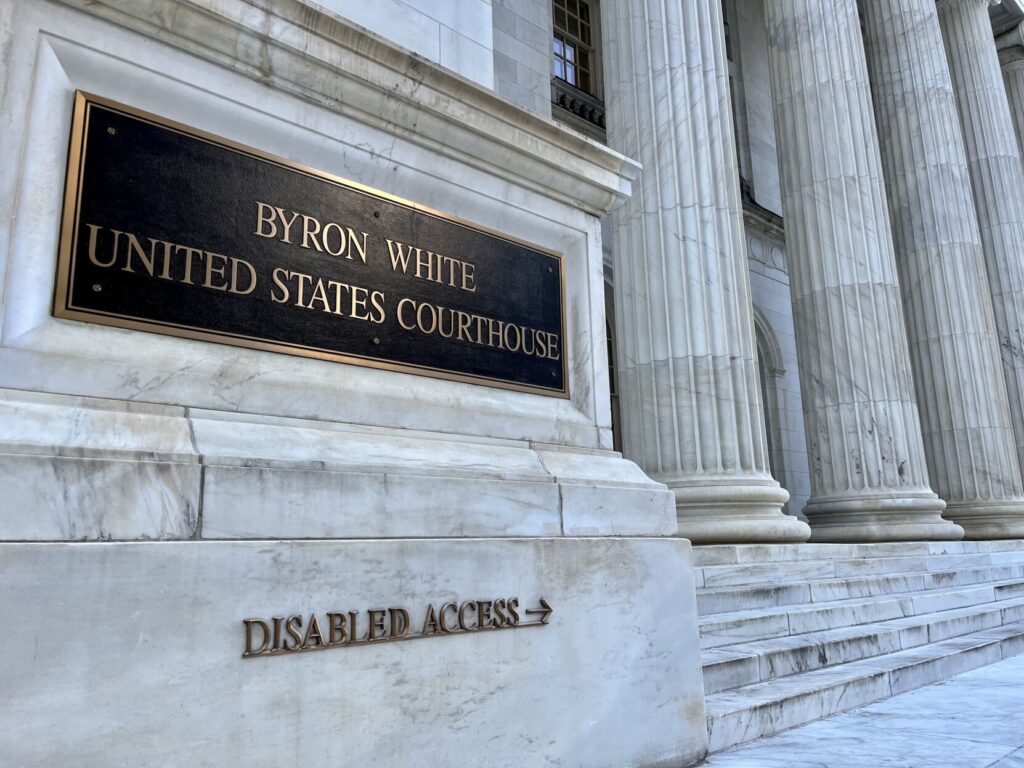
10th Circuit dismisses woman’s lawsuit following 10-year attempt to undo restraining order
Michael Karlik
michael.karlik@coloradopolitics.com
Updated 2 days ago
The Denver-based federal appeals court rejected a woman’s challenge on Friday to a restraining order imposed on her more than a decade ago, finding that she cannot credibly claim she will be prosecuted for violating the restraining order through her...
10th Circuit dismisses woman’s lawsuit following 10-year attempt to undo restraining order
Michael Karlik
michael.karlik@coloradopolitics.com
Updated 2 days ago
The Denver-based federal appeals court rejected a woman’s challenge on Friday to a restraining order imposed on her more than a decade ago, finding that she cannot credibly claim she will be prosecuted for violating the restraining order through her...
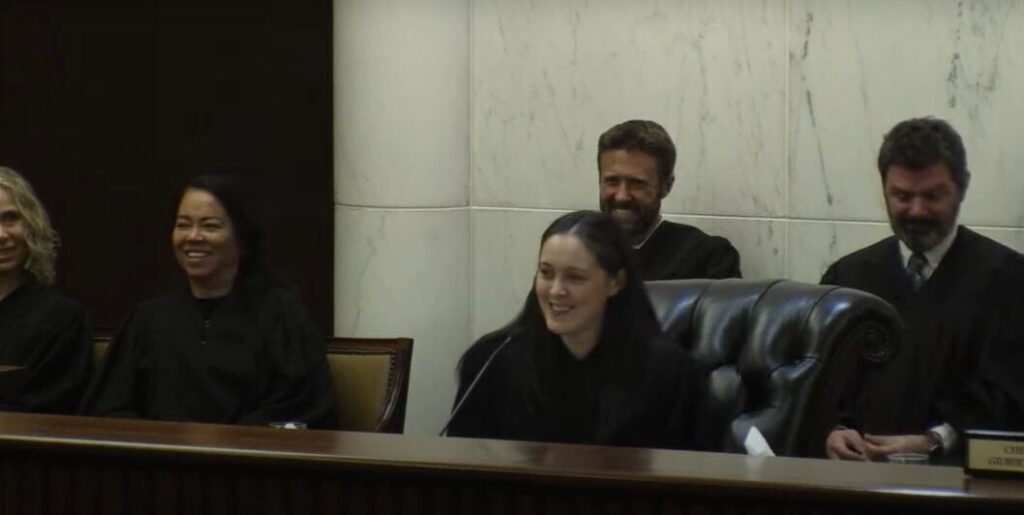
Colorado equal pay law does not require plaintiffs to allege gender-based retaliation, appeals court finds
Michael Karlik
michael.karlik@coloradopolitics.com
Updated 21 hours ago
The 2019 Colorado law aimed at rooting out pay discrimination on the basis of sex does not require a plaintiff to allege their employer retaliated against them for sex- or gender-related reasons, the state’s second-highest court decided on Thursday. Lawmakers...
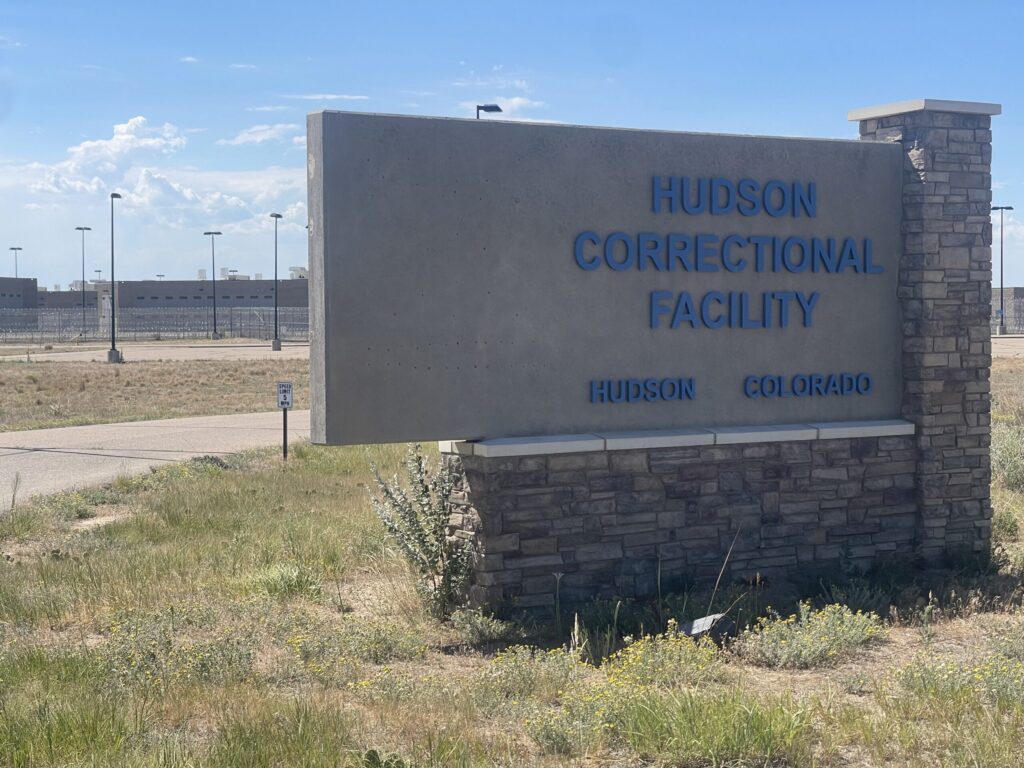
Hudson faces lawsuit over ICE detention facility
Nicole C. Brambila
nicole-c-brambila@coloradopolitics.com
Updated 2 days ago
A nonprofit organization filed a lawsuit against the Town of Hudson Wednesday, challenging plans to reopen a former federal prison in the town as a U.S. Immigration and Customs Enforcement detention facility. Together Colorado, along with Janet E. Carlson, filed...
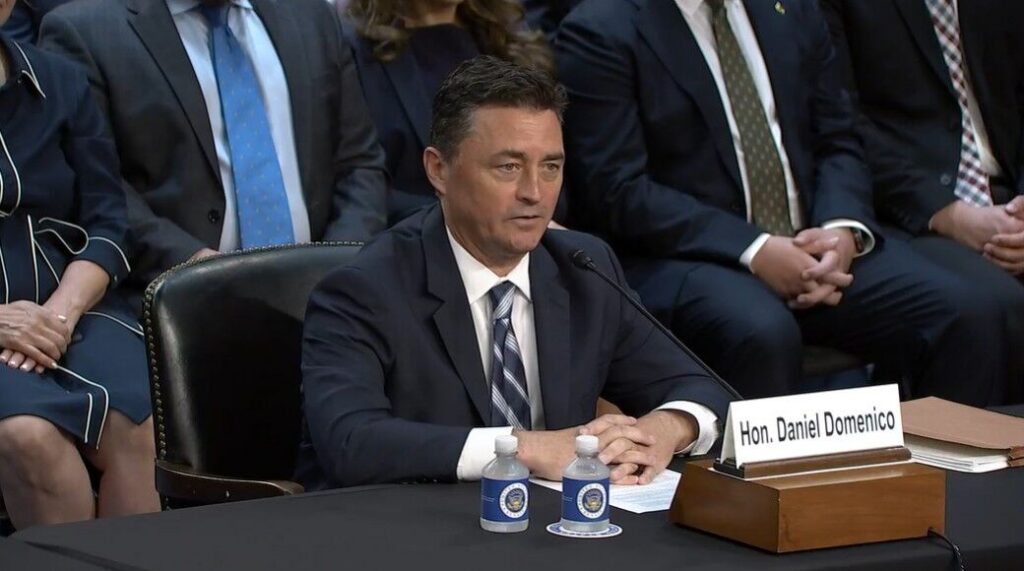
Senate committee advances Trump’s 10th Circuit nominee, as Domenico responds to questions about delays
Michael Karlik
michael.karlik@coloradopolitics.com
Updated 2 days ago
The U.S. Senate Judiciary Committee advanced President Donald Trump’s nominee to the Denver-based federal appeals court on Thursday by a party-line vote of 12-10. U.S. District Court Judge Daniel D. Domenico, who was Trump’s first-term appointee to Colorado’s federal trial...
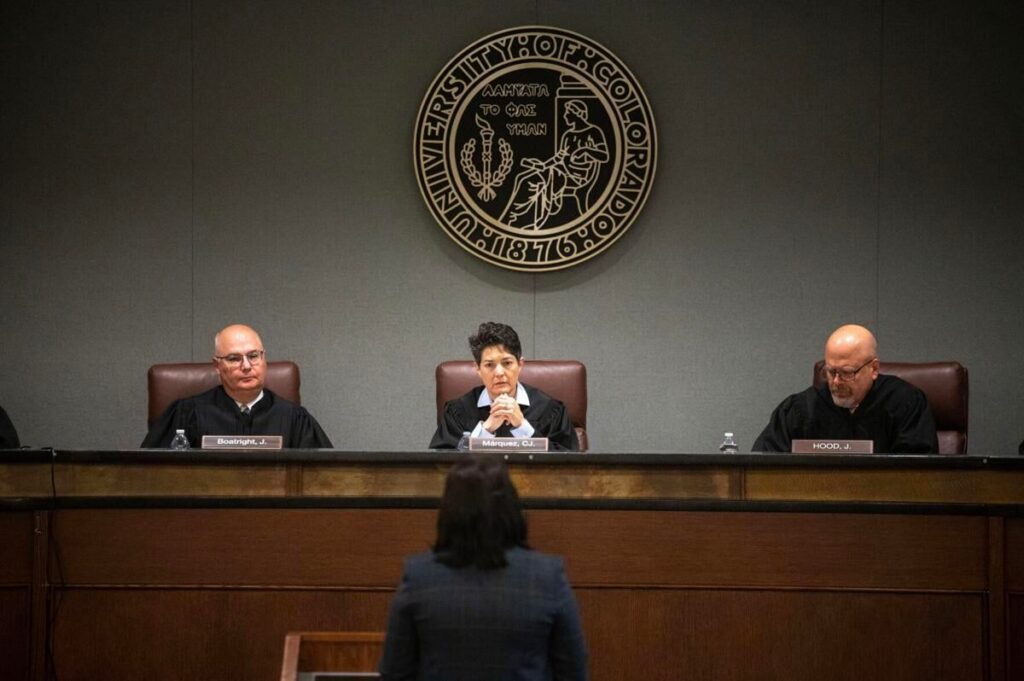
Colorado justices to hear embryonic donation dispute
Michael Karlik
michael.karlik@coloradopolitics.com
Updated 3 days ago
The Colorado Supreme Court announced on Monday that it will decide whether lower court judges properly applied its framework for adjudicating disputes over the fate of pre-embryos, in which one person wants to use them to become a parent and...
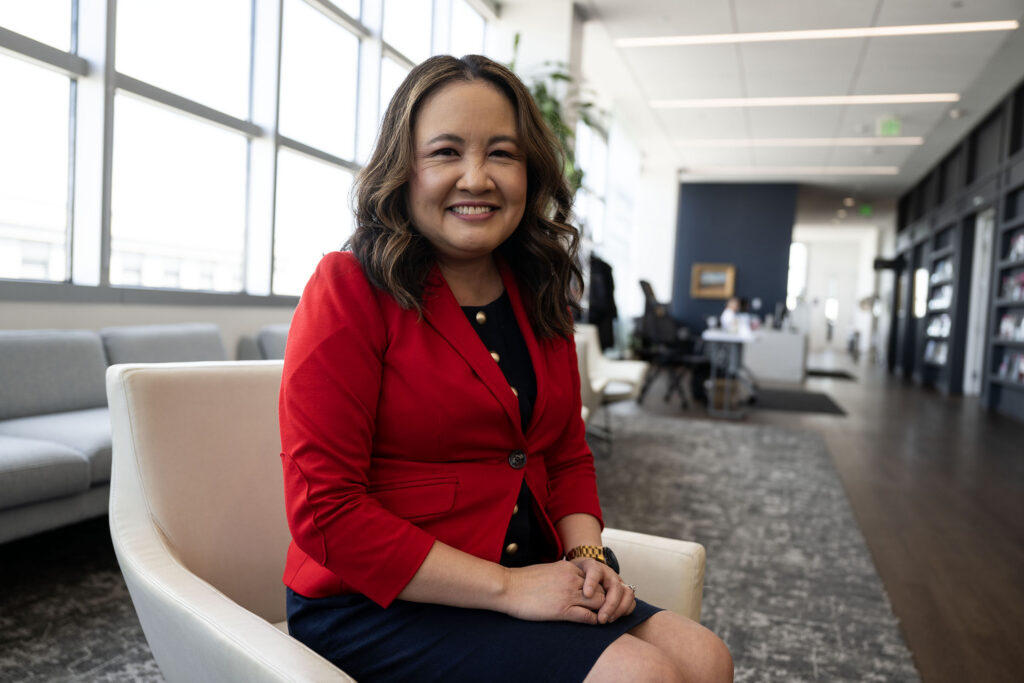
Isolation, emotion, persona: Colorado judicial programming prepares people for life on the bench
Michael Karlik
michael.karlik@coloradopolitics.com
Updated 3 days ago
As a trial judge and now as a member of the Colorado Supreme Court, Justice Carlos A. Samour Jr. has heard the view that being a judge is isolating. “In neither court have I felt isolated. I’ve always interacted a...

Federal judge dismisses Colorado county sheriff’s challenge to law limiting immigration cooperation
Michael Karlik
michael.karlik@coloradopolitics.com
Updated 21 hours ago
A federal judge dismissed a challenge from Mesa County Sheriff’s Office leaders last week to a Colorado law limiting public employees’ cooperation with immigration authorities, concluding that the plaintiffs did not allege they engage in any conduct that the law...
10th Circuit raises bar for fraud victims to sue debt collectors over inaccurate information
Michael Karlik
michael.karlik@coloradopolitics.com
Updated 17 hours ago
The Denver-based federal appeals court wiped away a jury’s $500,000 award to a fraud victim on Monday and made it more difficult for consumers to hold companies liable for disseminating inaccurate credit information. The Fair Credit Reporting Act regulates credit...
Montezuma County judge’s censure, suspension approved by discipline panel
Michael Karlik
michael.karlik@coloradopolitics.com
Updated 4 days ago
A three-member disciplinary panel accepted, on Monday, an agreement between a Montezuma County judge and the Colorado Commission on Judicial Discipline that specifies he will receive a censure, a suspension, and additional education for his admitted instances of misconduct. Under...
PREV
PREVIOUS

Appellate court chides elected DA for trial misconduct
A district attorney committed misconduct during a trial by repeatedly making improper references to the jury, including saying the defendant “smiles like a villain,” the Colorado Court of Appeals concluded on Thursday. “The prosecutor’s misconduct in this case infected much of his closing argument,” wrote Judge Ted C. Tow III for the appellate panel, which […]
Worries about future of policing dominate discussion on law enforcement retention, recruitment
Some sheriffs and police chiefs in Colorado say officer shortages have increased as they are seeing fewer people choose careers in law enforcement and in some instances experienced officers are leaving law enforcement altogether. Insights from various agency heads seem to reveal that officers’ concerns about the public tone toward policing has been a common motivation for leaving their departments. A […]