

Agitator’s civil suit against former Morgan County sheriff dismissed

A federal court has dismissed a civil complaint against the former Morgan County sheriff from a notorious agitator – not because the claim was meritless, but because the judge could not find other cases similar to it.
Eric Brandt, who broadcasts his pugilistic confrontations with law enforcement over a YouTube channel, sued Sheriff James Crone (who has since retired) for threatening to arrest him and allegedly preventing him from completing an open records request at the sheriff’s office building. On Feb. 22, U.S. Magistrate Judge Michael E. Hegarty dismissed Brandt’s complaint by granting Crone qualified immunity, a judicial doctrine that generally shields government employees from liability unless they violate a clearly-established legal right.
However, a right is only clearly-established if prior courts have determined under similar circumstances that qualified immunity does not apply.
“The Court notes that it has seen (and presided over) some of Plaintiff’s other cases. In fact, the Court even worked personally with Plaintiff to settle one case,” Hegarty wrote in a court order. “The Court has recognized the merits of some of Plaintiff’s other claims. Despite the Court’s diligent efforts to find clearly established law here, the Court could not find relevant precedent to demonstrate that Plaintiff’s claims could defeat qualified immunity.”
Given the lack of other cases where courts allowed plaintiffs alleging treatment akin to Brandt’s to sue government officials, “the Court sees no other possible result as a matter of law.”
On July 26, 2018, Brandt went to the Morgan County Sheriff’s Office to make a public records request. In a video posted to YouTube that his associate streamed online, once an employee gave Brandt the paperwork, he turned to a wall depicting officers’ photos and narrated facts about officers he said he liked and did not like.
After Brandt mentioned a sexual assault and described how certain sheriff’s employees were “manhandling” another worker, Crone entered the lobby and told Brandt, “If you want to make comments, go outside and make all the comments you want. These ladies [the office workers] do not need to hear you carry on this conversation.”
Crone added that Brandt was speaking so loudly he was disrupting the office.
When Brandt’s videographer, Abade Irizarry, interjected, Crone raised his voice and repeated, “Did you hear me? Did you hear me?” according to the video.
“It is time for you to leave now,” Crone told Brandt. When Irizarry asked what would happen if the men did not leave, Crone responded: “Then I will arrest you.”
Once Crone escorted the men outside, Brandt screamed a torrent of profanities, taunted and raised his middle finger to the sheriff.
Brandt, who in the past has advocated for the shooting of judges and police and who was arrested for saying a Denver judge should be murdered in front of the judge’s children, filed a civil complaint against Crone.
Saying he was in a public area and speaking at “a reasonable volume level,” Brandt alleged the sheriff had infringed upon his free speech and prevented him from commenting “on matters of public concern.”
In Crone’s response to the complaint, his attorneys noted that Brandt was arrested for disorderly conduct and harassment following the encounter, and argued the First Amendment does not guarantee an absolute right to free speech in any form at any time.
“Sheriff Crone’s actions on July 26, 2018 in response to Plaintiff’s noisy, disruptive, and harassing behavior were taken pursuant to his law enforcement duties and consistent with constitutional boundaries,” wrote Andrew R. McLetchie and Eden R. Rolland, attorneys based in Golden.
Hegarty ultimately determined it to be unclear whether the sheriff violated Brandt’s constitutional rights, which meant Crone was entitled to qualified immunity from liability. The defense frequently surfaces in cases alleging excessive force from police officers, to the point where two federal judges spoke out last year against the continued expansion of immunity grants.
Still, there is no prior court precedent “concluding that an officer who asks individuals who are attempting to make a records request to leave a public building so as to allow them to make their otherwise disruptive comments outside and does not altogether prevent those individuals from otherwise making the comments or requesting records,” Hegarty noted, “violates the First, Fourth, or Fourteenth Amendments.”
The case is Brandt v. Crone.



Federal judge hears arguments about Colorado’s 3-day gun purchase waiting period
Michael Karlik
michael.karlik@coloradopolitics.com
Updated 9 hours ago
A federal judge heard arguments on Monday about the constitutionality of a 2023 Colorado law that generally imposes a three-day waiting period on firearm purchases after the initiation of a background check. The test that the U.S. Supreme Court created...
Colorado Supreme Court intervenes in Weld County prosecution dismissed due to Missy Woods misconduct
Michael Karlik
michael.karlik@coloradopolitics.com
Updated 12 hours ago
The Colorado Supreme Court ordered a Weld County trial judge last week to respond to the district attorney’s claim that he improperly dismissed a criminal case because of “outrageous” conduct by the Colorado Bureau of Investigation. Daniel Lee Eatinger stood...
Schoolchildren’s presence at child sex-related trial did not harm Arapahoe County defendant, appeals court says
Michael Karlik
michael.karlik@coloradopolitics.com
Updated 2 days ago
Colorado’s second-highest court decided on Thursday that the presence of a group of schoolchildren on the first day of a child sexual exploitation trial did not violate an Arapahoe County defendant’s constitutional right to a fair trial. Prosecutors charged Jerry...
Appeals court cites week-old Colorado law to reinstate child neglect case at child, father’s request
Michael Karlik
michael.karlik@coloradopolitics.com
Updated 2 days ago
Colorado’s second-highest court invoked a new state law for the first time on Thursday and reinstated a child neglect case that both the child and her father wished to reopen. House Bill 1227 took effect on Aug. 12, reversing a...
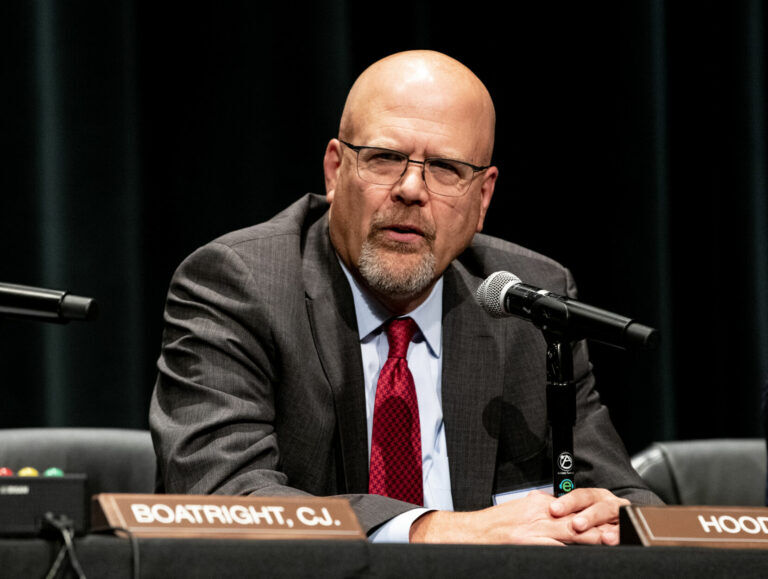
Colorado Supreme Court names William Hood as next chief justice
Michael Karlik
michael.karlik@coloradopolitics.com
Updated 3 days ago
The Colorado Supreme Court has selected Justice William W. Hood III to be the next chief justice, the judicial branch announced on Friday. Hood will succeed Chief Justice Monica M. Márquez, who took over the role in July 2024. “I...

Family of slain Lakewood teacher releases statement as murder suspect makes first court appearance
Matt Kyle
matt.kyle@denvergazette.com
Updated 19 hours ago
Patrick Theodore Barnett, the Lakewood man accused of killing his wife, a Jeffco Public Schools art teacher, made his first court appearance Friday morning as his wife’s family looked on. The status conference hearing was held before District Court Judge...
Appeals court upholds Park County trophy hunting conviction
Michael Karlik
michael.karlik@coloradopolitics.com
Updated 3 days ago
Colorado’s second-highest court clarified on Thursday that a defendant may stand convicted under the state’s trophy hunting laws if he abandons a bear carcass but returns later to remove the meat. Under Colorado law, it is a felony to detach...

Judge grants partial injunction to GEO in fight against state health inspection law
Kyla Pearce
kyla.pearce@gazette.com
Updated 4 days ago
A judge ruled Thursday that The GEO Group does not have to follow parts of a new state law requiring more frequent health and safety inspections at the U.S. Immigration and Customs Enforcement processing center in Aurora. Under the order...
Parker man faces 20 years to life for serial sexual assaults
Nicholas Fogleman
nicholas.fogleman@denvergazette.com
Updated 5 days ago
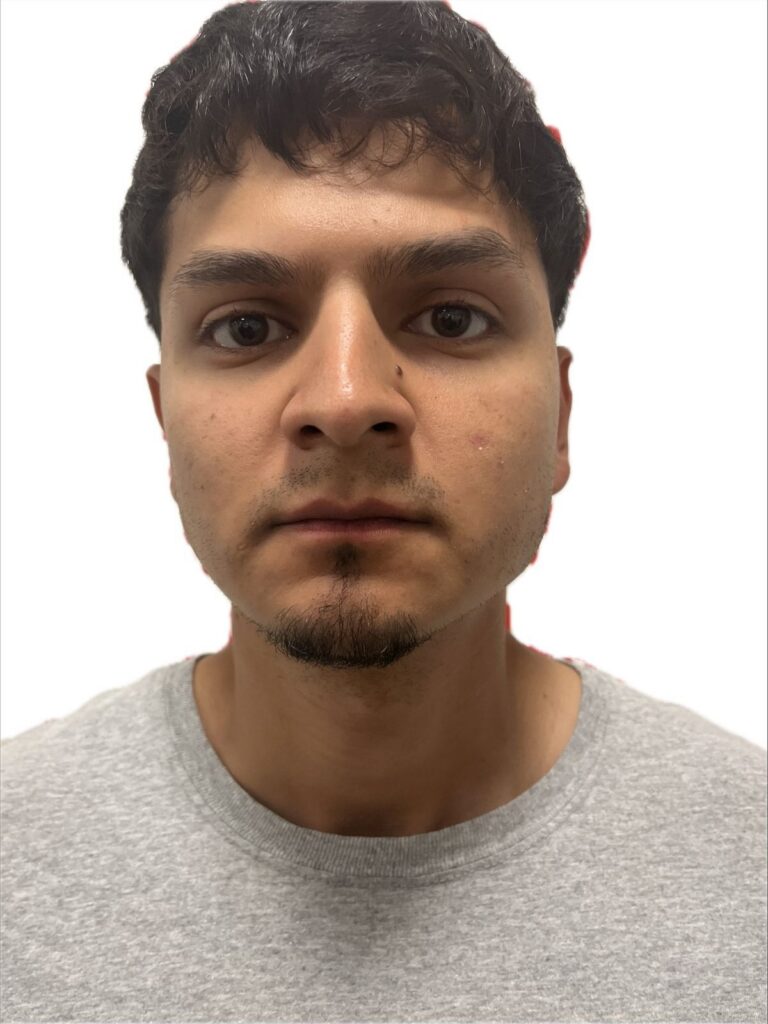
A 25-year-old Parker man who sexually assaulted three women in 2025 pleaded guilty Wednesday and will serve 20 years to life in prison. Javier Rodriguez-Andrade pleaded guilty to charges stemming from three sexual assaults involving women ages 19 to 24. ...
Divided appeals court upholds warrantless DNA collection in Colorado cold case, cautions of government overreach
Michael Karlik
michael.karlik@coloradopolitics.com
Updated 5 days ago
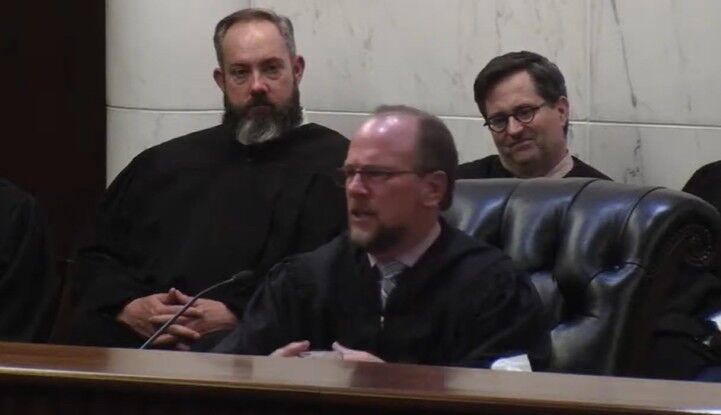
Colorado’s second-highest court upheld the warrantless collection of a suspect’s DNA from a discarded soda can as constitutional on Thursday, while warning about potential abuse of DNA privacy in the absence of further guardrails. By 2-1, a three-judge Court of...
PREV
PREVIOUS

United Airlines to offer bus service from DIA to Breckenridge, Loveland
United Airlines is making the traveling experience a little easier for passengers headed to the slopes of Breckenridge or Loveland — which includes skipping the line for a rental car. The airline announced Friday that it was partnering with Landline, a premium ground transportation company, to bring flyers from Concourse A at Denver International Airport […]

English COVID strain could become dominant in coming weeks, driving a spring surge
New projections from public health researchers suggest that a COVID-19 variant could become the dominant strain here in the coming weeks, which would drive a spring surge and lead to hundreds of thousands of new cases. Relatively few cases of that variant – the one identified first in the United Kingdom – have been uncovered in Colorado, […]