

SCFD funds helped nonprofits withstand the ravages of 2020

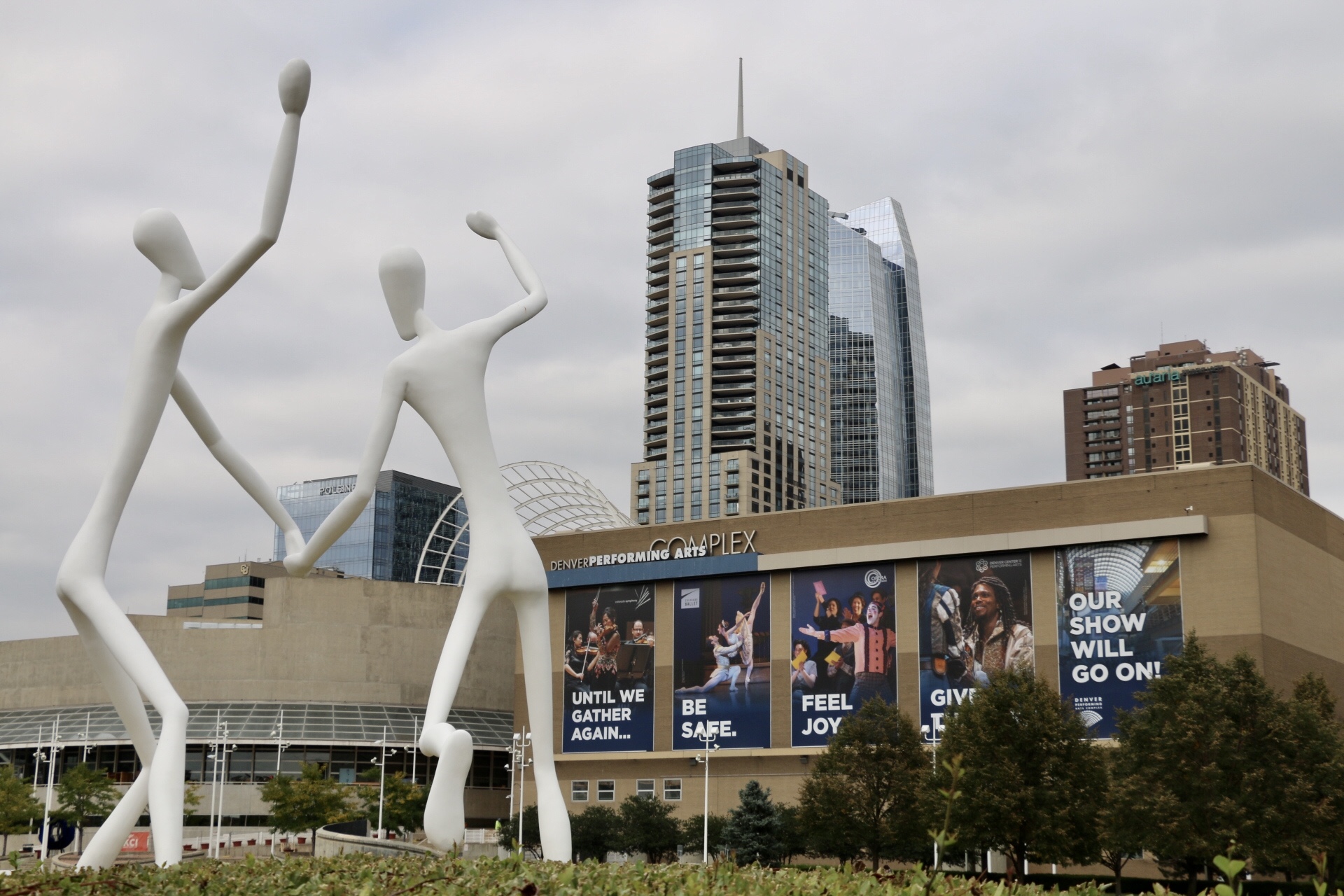
A feared pandemic wipeout of Denver’s nonprofit cultural sector has not yet materialized on the same scale as the restaurant industry. That, officials say, is in large part because the Scientific and Cultural Facilities District just reported the second-best year in its 32-year existence.
The SCFD has distributed more than $1 billion to arts and science organizations in the seven-county metro area since 1988 through a voter-approved, penny-per-$10 retail sales tax. But because SCFD funds are so dependent on a thriving retail economy, no one knew what to expect after the pandemic shuttered nearly all live performances and killed an estimated 57% of arts jobs in Colorado within three months.
But the SCFD has reported 2020 sales-tax revenue of $64.3 million, down just 2.7% from 2019’s all-time record of $66.1 million. And because funding generally trails sales-tax revenue by a year, most of that 2020 revenue will be used to sustain more than 300 area nonprofits well into 2021.
“This is a much better reality than we projected last spring,” SCFD Executive Director Deborah Jordy said. “$63 million goes a long way – if not to save organizations, then to stabilize them.”
Anecdotally, Jordy attributes the surprisingly strong numbers to sales tax from big-box stores. “During this pandemic, the public wants one-stop shopping where they can buy everything from clothes to tires to food,” she said. “Yes, it has been a disappointing year for the restaurant industry, but the pandemic has been a boon for home-improvement projects and online spending.”
SCFD funding is largely intended to support programming, meaning the creation of art for the public benefit. But officials decided early on that its funding this year can be spent wherever it is needed most. “So they can use that money for salaries and other operational expenses,” Jordy said. “It’s up to organizations how best to spend it.”
That flexibility has been essential to nonprofits like the Levitt Pavilion, which through circumstance has had no live programming to offer, making its most desperate need the help with ongoing operating expenses. The $55,000 it received from SCFD in 2020 represents about a month of average expenses, said Associate Director Andy Thomas. “I can’t tell you how much we appreciate that the SCFD understands we are literally just trying to keep the lights on right now.”
Andrea Malcomb, executive director of the Molly Brown House Museum, says the $104,000 her organization received from the SCFD in 2020 represents about 10% of the overall budget. “That funding is vital,” she said, “and it supports most of our critical education programming.”
The Molly Brown House Museum managed, through virtual programs, to serve more than 6,000 students in 2020 in spite of the pandemic. Malcolmb said a loss of SCFD funding would have resulted in further staff and programming cuts. “We are all very grateful for the SCFD,” she said. “I just feel for all of the performing-arts organizations that still can’t even open their doors – and they rely on that SCFD funding even more than we do.”
The Lighthouse Writers Workshop is the rare arts organization that has thrived during the pandemic, growing 15% over 2019 by transitioning its classes to online and attracting a larger student base from around the world.
“We received $164,000 from the SCFD last year, and that has not only helped us to stay afloat, it has kept us moving forward,” said Executive Director Michael Henry, whose overall annual operating budget is $2.2 million. “We rely on SCFD funding most for our community-engagement programs, which are non-revenue generating. So to lose that would hurt a lot.”
While hundreds of bars and restaurants have shuttered since the pandemic arrived, Jordy said she is not aware of a single SCFD nonprofit that has permanently closed, even though many of them have not opened their doors in 11 months. “That just reinforces how ingenious and nimble these organizations are at leveraging whatever dollars they have saved,” Jordy said. “While there are still many uncertainties as this pandemic continues, I’m hopeful for a brighter year.”


Colorado justices grill debt collector about compliance with law
Michael Karlik
michael.karlik@coloradopolitics.com
Updated 2 hours ago
The Colorado Supreme Court repeatedly pressed a debt collection company last week to explain how its lawsuit against a Boulder woman for an unpaid credit card balance complied with the specific requirements that state lawmakers have created. Portfolio Recovery Associates,...

Artificial intelligence working group agrees on framework to replace Colorado law
Marianne Goodland
marianne.goodland@coloradopolitics.com
Updated 4 hours ago
A group that has been working on artificial intelligence policy has reached an agreement on a framework that would replace the regulations adopted by Colorado legislators two years ago. The agreement has the backing of Gov. Jared Polis, who reluctantly...
Proposal to levy new fees on alcohol products in Colorado dies
Marissa Ventrelli
marissa.ventrelli@coloradopolitics.com
Updated 5 hours ago
The proposal to collect millions in new fees on alcohol products — dollars to be earmarked for Colorado programs aimed at addressing the behavioral and physical health effects of alcohol abuse — died on Tuesday. House Bill 1271 sought to...
The numbers that Republicans say show Democratic midterm targets are a ‘political hallucination’
Rob Crilly, Washington Examiner
rob.crilly.washington.examiner@gazetteedit.wpenginepowered.com
Updated 3 hours ago
Democrats keep expanding their battleground map of midterm target seats, but do they really have any chance in some of the districts they claim they can win? Of the 44 districts listed by the Democratic Congressional Campaign Committee as targets,...
Pam Bondi subpoenaed for April 14 House deposition on Epstein files handling
Kaelan Deese, Washington Examiner
kaelan.deese.washington.examiner@gazetteedit.wpenginepowered.com
Updated 6 hours ago
The House Committee on Oversight and Government Reform issued a subpoena Tuesday compelling Attorney General Pam Bondi to sit for a deposition on April 14 as part of an ongoing investigation into the Justice Department’s handling of the Jeffrey Epstein...
Capitol Police chief asks for record-breaking budget, citing 58% increase in threats to Congress
Emily Hallas, Washington Examiner
emily.hallas.washington.examiner@gazetteedit.wpenginepowered.com
Updated 6 hours ago
U.S. Capitol Police Chief Michael Sullivan on Tuesday argued sweeping threats against lawmakers justify his department’s historic budget request during a House Appropriations Committee hearing. Sullivan testified before the Legislative Branch Subcommittee on his budget proposal for fiscal 2027 funding....
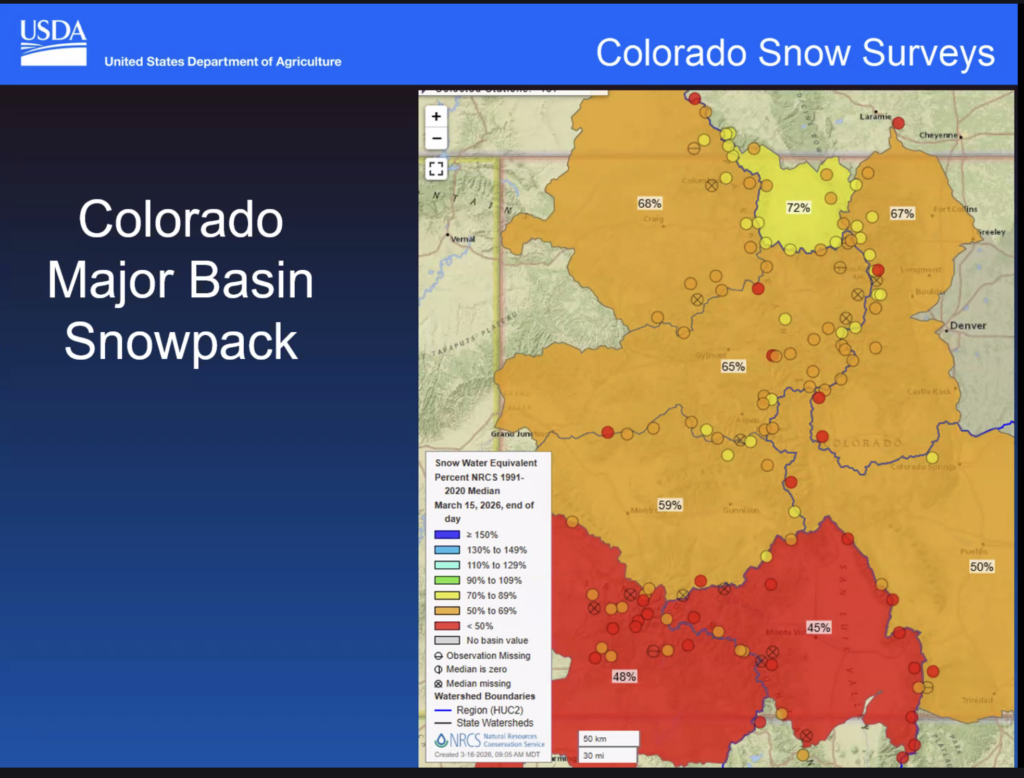
After ‘winter of defeat,’ Colorado hopes for wetter summer
Marianne Goodland
marianne.goodland@coloradopolitics.com
Updated 7 hours ago
With snowpack melt already peaking in some parts of the state and drought conditions worsening compared to last year, Colorado’s water watchers are hoping for a wetter summer, though they anticipate the situation deteriorating before getting better. Meanwhile, the governor...

Colorado, Democrat states oppose proposal to require EV chargers be made with 100% domestic components
Scott Weiser
scott.weiser@gazette.com
Updated 7 hours ago
Colorado has joined a coalition of about 20 states in opposing a federal proposal that would require electric vehicle chargers funded with federal dollars to be made with 100% domestic components. The Federal Highway Administration is considering raising the domestic...
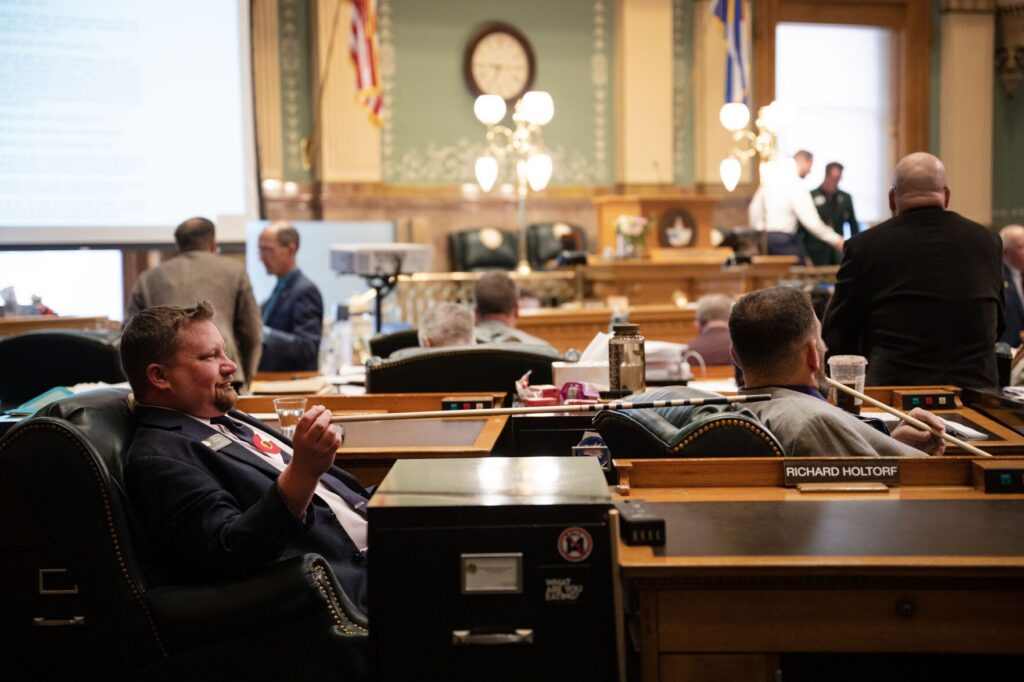
Colorado ethics panel tells legislator to attend sexual harassment training
Marianne Goodland
marianne.goodland@coloradopolitics.com
Updated 4 hours ago
Colorado’s House ethics panel admonished a Republican legislator over allegations he used a master key to access areas of the Capitol that he was not permitted to enter and that he had made sexually harassing comments to several female lawmakers....
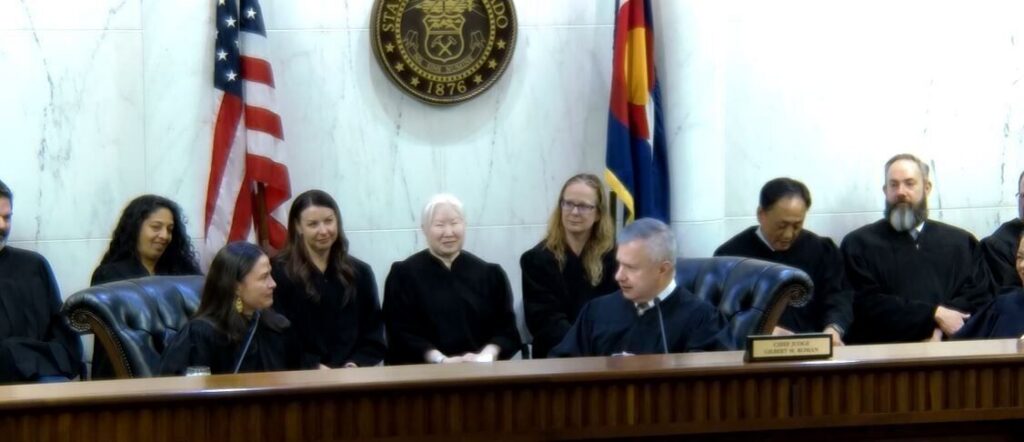
Appeals court agrees defendant’s speech constitutionally protected against El Paso County judge
Michael Karlik
michael.karlik@coloradopolitics.com
Updated 5 hours ago
Colorado’s second-highest court agreed last week that a defendant’s critical statements toward a 4th Judicial District judge were constitutionally protected and could not form the basis of a retaliation charge. A three-judge Court of Appeals panel concluded that, in context,...
PREV
PREVIOUS

General Assembly returns to state Capitol after five-week hiatus
The 73rd General Assembly, after a five-week break, will be back at the state Capitol beginning Tuesday to pick up where they left off in January. Several legislative leaders are expected to give the opening day speeches they passed on in January. In the House, three Denver Health frontline employees (Nicole Stafford, nursing director of […]

TEXT OF SPEECH | Senate President Leroy Garcia's address as legislature resumes work
Good Morning, it is an honor to be here, and once again, gather beneath the golden dome of our democracy. While in many ways it is just a building, not unlike the countless others across our nation’s capitals, we are reminded of its symbolic significance and the sacrifice necessary to keep it standing. Our forefathers […]