

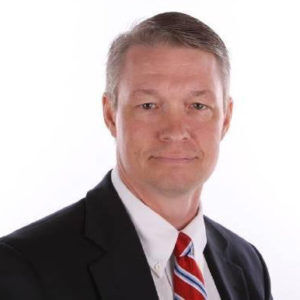
SLOAN | Government by task force stacks the deck
There has been much written of late in the press about just what constitutes market manipulation. This, of course is in the wake of what has been characterized as an “investment mob” hijacking a short play on GameStop, AMC, and a couple other stocks over the past week or so.
It’s useful to recognize just what market manipulation is, and, just as profitably, what it is not.
A generally accepted definition is that it is the act of artificially inflating or deflating the price of a security, or otherwise influencing the behavior of the market for personal gain. What it is not is consenting adults trading with their own money.
Everybody – especially politicians – are eager to discover some wrongdoing in the whole GameStop investment whirlwind. There are conspiracy theories circulating that Robinhood, the online trading app that temporarily limited trades in certain stocks last week as they were deluged by orders for Reddit-inspired orders, was part of some plot to come to the rescue of the hedge funds who had been caught with their pants around their ankles; other iterations say it was the clearing house that ganged up on Robinhood, forcing it to halt trading, for the same nefarious purpose. Apparently we never tire of conspiracy theories.
None of it is true, of course. Part of the job of a clearinghouse is to mitigate risk by requiring a certain amount of capital to back up trades, protecting trading parties from bankruptcy. In response to the influx of trades to buy up GameStop and others a couple weeks ago, the clearinghouse issued a margin call for more capital than usual, to cover the extra risk.
In any event, what happened was unusual, but not illegal. If anything it may re-inject a bit of price discipline in the market, and cause hedge fund managers to pause a little longer when deciding whether to take on the risk of a short sell.
Which is not to say market manipulation does not happen. Elon Musk, for instance, was fined by the SEC in 2018 for tweeting that he had secured investment funding sufficient to take Tesla private, causing wild swings in the company’s stock price.
But more often, it is government that acts in ways to artificially move a market. Which, incidentally, is why it is so ironic when politicians like Elizabeth Warren and AOC on the left, or Ted Cruz on the nominal right, go on the interminable hunt for manipulative wrongdoing in the private financial markets.
The fiscal and economic consequences of government interference in economic life are well established, recorded, and commented upon. What is less commonly noted is the more subtle ways government can sway public currents, not all of which are strictly financial in nature, by way of stacking governmental panels and task forces.
Take, for instance, Denver’s “Reimagine Policing and Public Safety Task Force,” set up last year to look at issues of perceived excessive use of force by police. The task force did include one seat for the Denver Police – but come to find out, it was token representation at best.
Enough so that Denver Public Safety Director Murphy Robinson last month withdrew law enforcement participation from the group out of frustration with its structurally tendentious nature.
Among other things, Robinson pointed out that law enforcement representatives were directed to not openly participate, but be there only to answer questions. When they did speak, for example to point out that policing in the real world is not always the neat cut-and-dried academic exercise that some would wish it to be, they were accused of “traumatizing” other members.
It is pretty safe to say that the predetermined goal of this task force was not to engage in a thoughtful examination of police tactics and use of force.
There are other examples too. The Denver Climate Task Force saw fit to include a representative from the automotive industry – fitting, given the potential impact on that industry of whatever policies it generated. But that invitation, too, turned out to be merely optical. The auto industry representative participated in the meetings, offered input and suggestions, and presented a viewpoint that was unfamiliar, not to say helpful, to the majority of the task force members. He was repeatedly asked to kindly keep quiet, and if his or his industry’s opinion was wanted, they would ask for it.
Such is the reality of governing today, in this new age of selective inclusion.

Kudos for cooperation on critical Colorado water issues related to tribal communities | Hal Bidlack
Hal Bidlack
hal-bidlack@coloradopolitics.com
Updated 1 hour ago
Way back in 1997, while I was still an active-duty Air Force officer, I was working a summer temporary duty assignment during the academic break at the Air Force Academy. I ended up doing this work for two summers, and...

Colorado is ensuring children come first | OPINION
Colorado Politics
colorado-politics@coloradopolitics.com
Updated 10 hours ago
By Jenelle Goodrich For years, parents and advocates have been calling for stronger regulations around technology that interacts with our children. Colorado House Bill 26‑1263 is a serious acknowledgment by lawmakers that conversational AI systems are deeply embedded in the...
Lawmakers pile on Colorado taxpayers — even more | OPINION
Colorado Politics
colorado-politics@coloradopolitics.com
Updated 10 hours ago
By Mark Hillman That our two political parties have such different philosophies regarding business and taxes is exasperating because prosperity would serve even the very different interests of Democrats and Republicans. Democrats want more revenue for government to spend it...
In the Age of AI, much-needed protections in mental health care | OPINION
Colorado Politics
colorado-politics@coloradopolitics.com
Updated 11 hours ago
By Vincent Atchity Artificial intelligence is already changing so much about the way we live, and important conversations are being had about what guardrails are needed to ensure the safe use of this technology. One of the most urgent of...

Like Hart, sky-high political prospects of Swalwell given ‘The Monkey Business’ | Miller Hudson
Miller Hudson
miller-hudson@coloradopolitics.com
Updated 2 days ago
Eric Swalwell’s promising political career has likely reached an ignominious terminus. The man who aspired to the presidency in 2020 was plotting another route to that destination. Having entered California’s 2026 jungle primary for the governor’s office in Sacramento, he...

State clean-energy edicts trump local concerns, interests in Elbert County | Rachel Gabel
Rachel Gabel
rachel-gabel@coloradopolitics.com
Updated 2 days ago
A commission appointed by one man, the state’s governor, overruled the decision of a board of county commissioners elected by stakeholders across Elbert County. The Colorado Public Utilities Commission (PUC) overturned the county’s rejection of land use permits to Xcel...

Such hubris never before seen in Colorado | Jon Caldara
Jon Caldara
jon-caldara@coloradopolitics.com
Updated 5 days ago
The great 19th-century historian Lord Acton said it best: “Power tends to corrupt, and absolute power corrupts absolutely.” Acton was building on the teachings of his mentor, Homer Simpson, who put it more plainly: “The more power you have, the...
Mountain Lion/Pheasant Green Chile a hit! | Capitol M | Week of April 25, 2026
Marianne Goodland
marianne.goodland@coloradopolitics.com
Updated 3 days ago
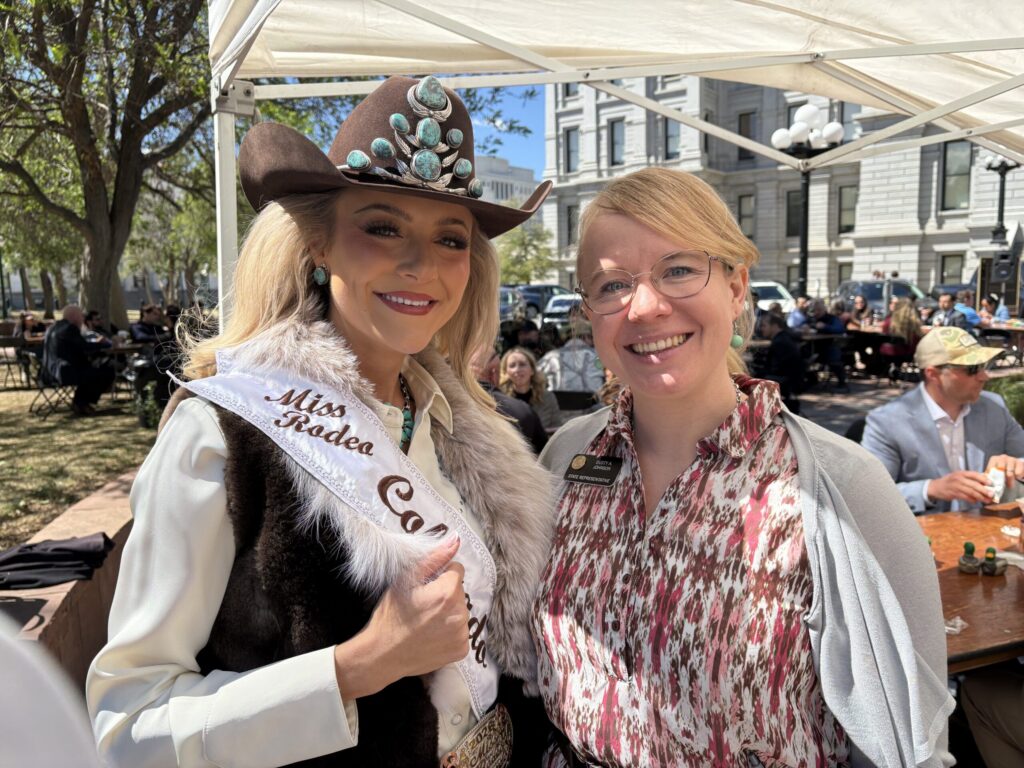
The lighter side of the state Capitol, although if you were eating at the barbecue Thursday, you are probably not any “lighter.” With the arrival of spring comes outdoor barbecues at the state Capitol, and the most unusual is the...

Passenger train service from Denver to Fort Collins? | Cronin and Loevy
Tom Cronin Bob Loevy
tom-cronin-bob-loevy@coloradopolitics.com
Updated 2 days ago
A “Joint Service” plan is being developed that would bring passenger rail service from Denver north to Fort Collins by 2029. The passenger trains would be paid for with existing funds from the Denver Regional Transportation District (RTD) and other...
The applicability of Hungary’s election to our politics | SONDERMANN
By Eric Sondermann
by-eric-sondermann@coloradopolitics.com
Updated 7 days ago
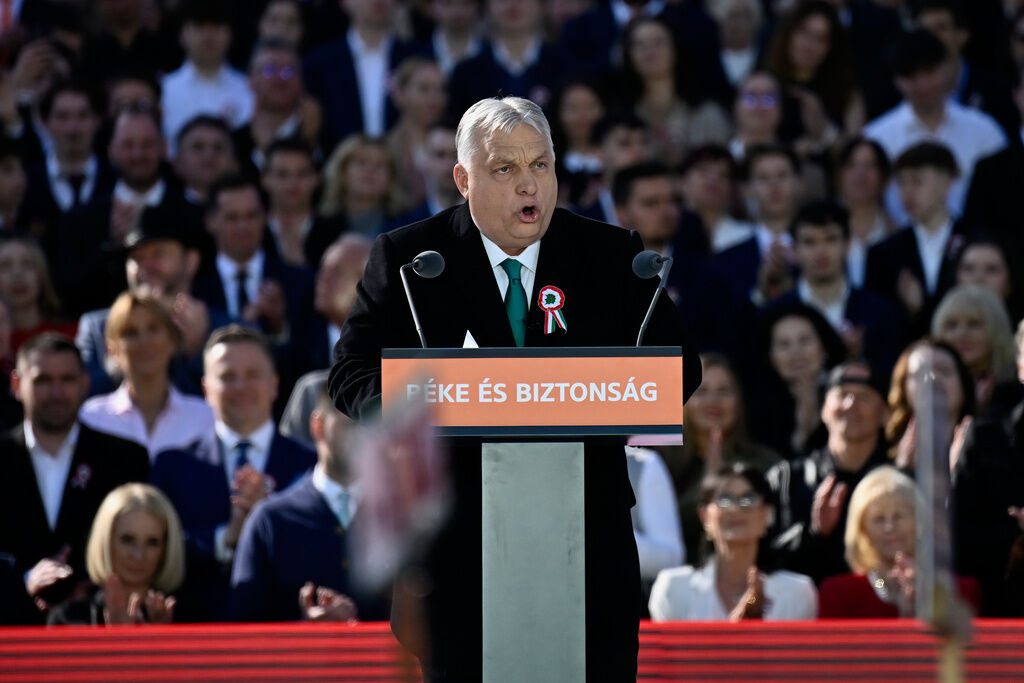
American conservatives, largely synonymous these days with MAGA save for a few lonely voices of courage and dissent, have plenty to lament. Their domination of the political landscape is waning. Various special elections hither and yon have presented bright, flashing...
PREV
PREVIOUS

Let's free our schools from the union chokehold
James Sayler Should every voice matter in public education? No, according to the liberal school boards in 37 of Colorado’s larger public school districts. The liberal school boards in these districts have bargained away to five or so people – the leaders of a teachers’ union – the foundational civil right of every American citizen […]
NOONAN | Wrong Rx for COVID-ailing schools
Paula Noonan Gov. Jared Polis’ RISE COVID-19 fund of $32 million+ is dedicated to remediating learning challenges related to the economic, social, and health impacts of COVID-19 for Colorado’s students. The governor delegated managing the $32 million+ fund and its applicants to the Gates Family Foundation and Gary Community Investments. These entities support education policy with […]