

State ramps up efforts to reach Black and Latino seniors about vaccines
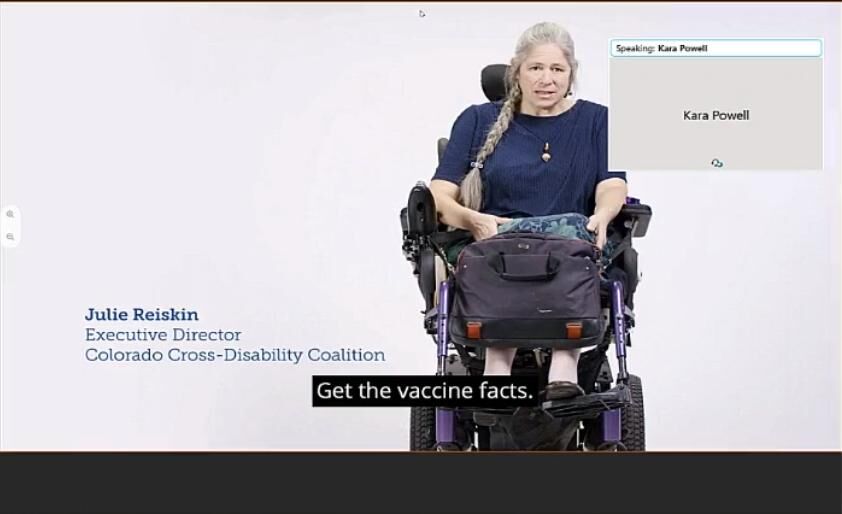
Colorado is launching an education campaign to encourage Black and Latino seniors to get vaccinated, in the wake of a survey that shows only about 50% of women in those populations are comfortable with getting vaccinated.
Gov. Jared Polis announced Friday the state is working to equitably distribute vaccines across the state.
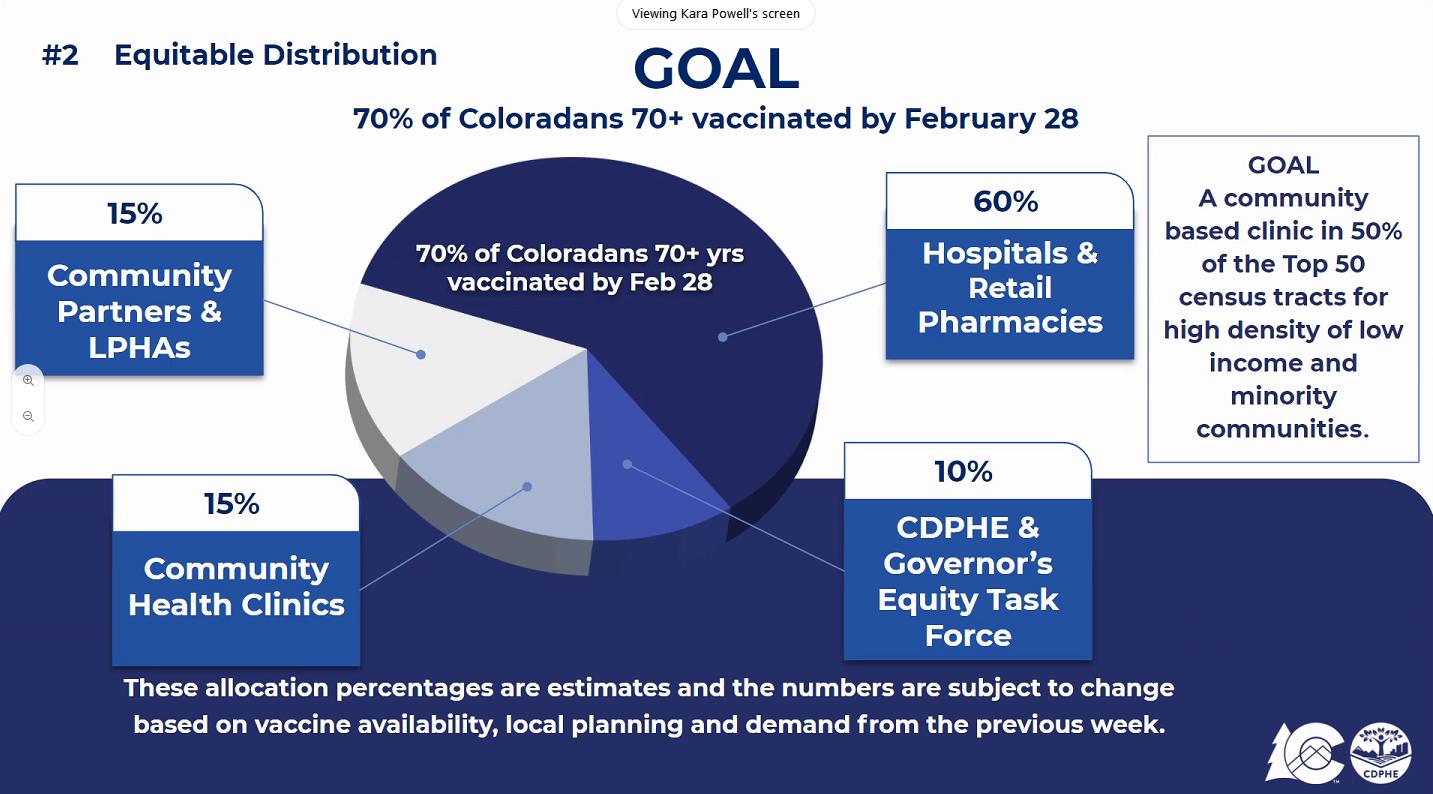
As of Friday, about 6% of Coloradans have been vaccinated, mostly health care workers and more recently, those 70 years and older. Polis said he hopes that the older population, which has the highest death rate from COVID-19, will be 70% vaccinated by Feb. 28.
It’s a tough challenge, given that the state is only getting about 83,000 vaccines per week, a quantity Polis said is unlikely to change in the next two weeks. After that, he said the state is expecting a “modest” increase to around 100,000 or 110,000 per week.
That could change, assuming the Johnson & Johnson and Astrazeneca vaccines come online soon. According to CNN, Janssen – Johnson & Johnson’s vaccine division- anticipates submitting its data to the Food and Drug Administration within weeks, and pending approval, could be shipping vaccines by the end of March. AstraZeneca’s vaccine is still in clinical trials, delayed over concerns about data, and isn’t likely to apply for FDA approval until later in the spring.
Polis also acknowledged Friday that there has been a lot of confusion about how seniors can get vaccinated.
Part of the problem may be seniors are reluctant or unable to use computers or don’t have internet access to sign up for appointments, so many providers have added phone numbers, Polis explained.
The governor explained that since the state got its first vaccine, his administration has focused on ways to make vaccines more equitable. That includes a vaccine outreach team that includes Jill Hunsaker Ryan of the Colorado Department of Public Health & Environment; Rick Palacio, a strategic adviser in the governor’s office; former Denver City Councilwoman Elbra Wedgeworth and Chicano activist Nita Gonzales.
Priorities include equitable distribution to communities of color and low-income Coloradans, both groups that sometimes have poor health outcomes, Polis said.
About 60% of vaccines are going to large hospital systems and retail pharmacies; another 15% each to community health clinics and community partners; and 10% reserved for the Governor’s equity task force, which distributes those vaccines to hard-to-reach communities, Palacio said.
The equitable distribution plan includes several strategies:
- “pop up” clinics in half of the top 50 census tracts (small subdivisions of a county) for high-density, low-income and minority communities
- community partnerships to reach those communities of color
- efforts to “demystify” vaccine access
- distributions to pharmacies in underserved communities
- a multilingual education campaign, with ads in English and Spanish
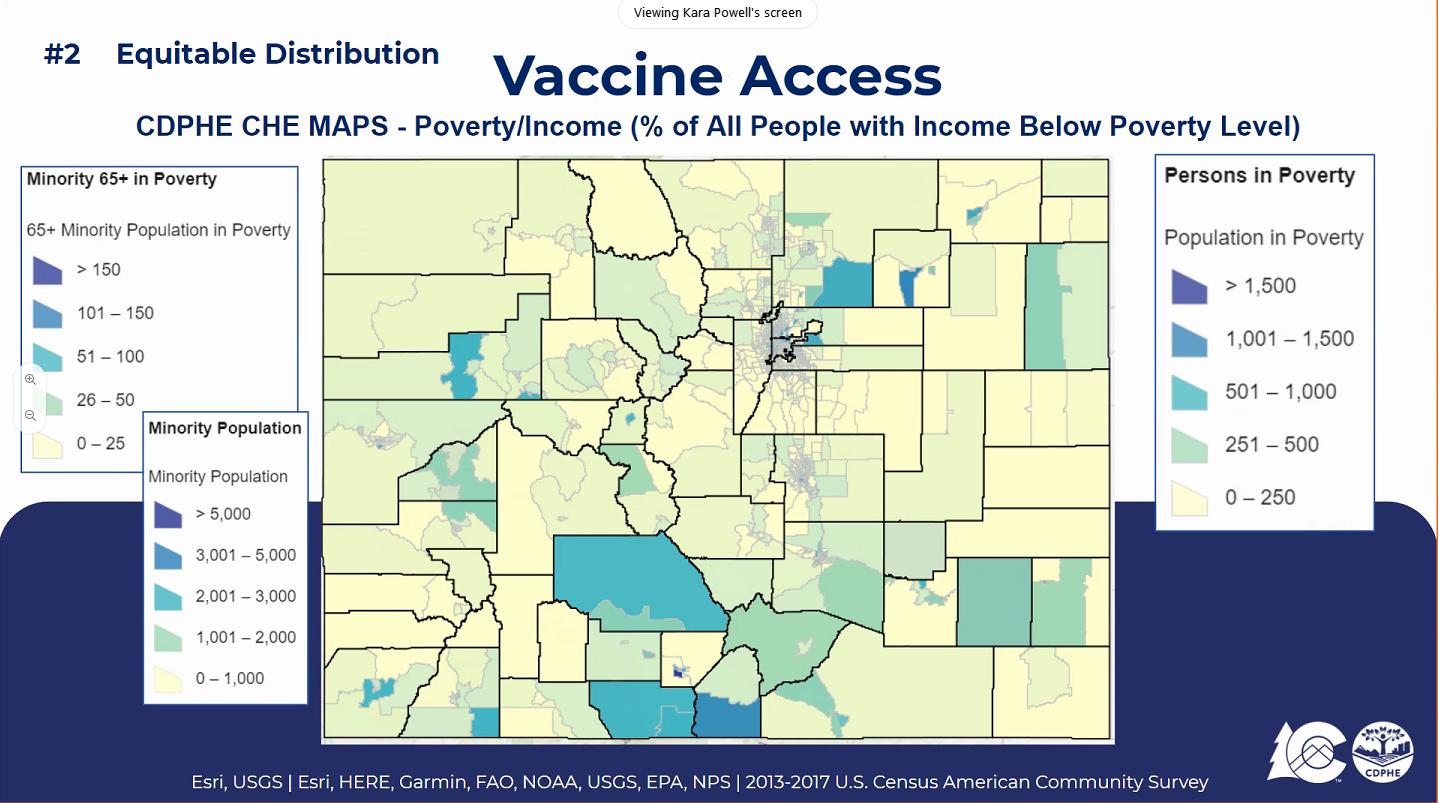
Data on just who’s getting vaccinated is about to change as well. New public health orders to providers will require them to capture demographic data, including ethnicity and race.
Polis emphasized that the vaccine is free and that income and health insurance, or the lack thereof, is not a barrier to getting one.
“Everyone has access regardless of immigration status,” he said. Vaccine providers cannot require a driver’s license or proof of citizenship for someone to get a vaccine. That also applies to those who may get health care somewhere other than their home county. Anyone 70-plus is eligible no matter where they live, Polis said. “You don’t have to stay in your county.”
He also said there hasn’t been a demonstrable number of people coming into Colorado to get vaccinated.
“Every state is in the same situation. You won’t get it quicker here or anywhere else,” he said.
The hope is to get to 70% of the 70-plus population vaccinated, he said. Given that those 16 years and younger are not yet able to be vaccinated, it becomes that much more important that adults get vaccinated, Ryan said.
The Biden administration announced this week that they intend to deploy personnel from the Federal Emergency Management Administration to set up 100 mass vaccine sites across the country. That’s a different strategy than what Colorado is working on, but Polis said “we’re for ‘all of the above.’ ” The only limiting factor is the amount of vaccines. Polis indicated he is hopeful the federal government will be more communicative about dose counts.
He also addressed a concern from those who have gotten the first vaccine dose, and whether there will be vaccines available for the second.
“We will have that vaccine for that person” when it’s time for the second dose, Polis said. “If we have to, we will reduce first vaccines to ensure there’s enough second vaccines.”
Inmates 70 years and older at the state’s correctional facilities are now vaccinated, Polis said Friday. That’s about 215 total, according to the Department of Corrections. An additional 2,153 staff at those facilities have been vaccinated.


US service member missing after Iran shot down fighter jet has been rescued, US officials say
Associated Press
associated-press@coloradopolitics.com
Updated 7 hours ago
JERUSALEM — President Donald Trump announced early Sunday that the U.S. had rescued an aviator nearly two days after he was shot down over Iran. The extraction came after a frantic search in what appears to be a remote, mountainous region of...

Low and slow meets forever: US postage stamps honor lowrider car culture | OUT WEST ROUNDUP
The Associated Press
the-associated-press@coloradopolitics.com
Updated 4 days ago
NEW MEXICO Stamps honor lowrider culture ALBUQUERQUE — From Mexican American and Chicano barrios in the American Southwest to the halls of the Smithsonian on the National Mall and even the streets of Japan, lowrider culture has become part of...

Colorado Politics Calendar Apr. 6-12
Rachael Wright, Special to Colorado Politics
rachael.wright@coloradopolitics.com
Updated 4 days ago
CoPo’s weekly political calendar will help you find political and public-policy events throughout Colorado. It includes candidate and issue campaign events, public policy meetings, court hearings, state and local party conventions, assemblies, debates, rallies, parades, speaking engagements, traveling dignitary appearances,...
Democrats rebounding without learning necessary lessons | SONDERMANN
Eric Sondermann
eric-sondermann@coloradopolitics.com
Updated 1 day ago
“When we fight, we win!” That, reportedly, was the chant heard over and over again at the Colorado Democratic Assembly a week ago. It suggests that pugilism has been the piece missing from the Democratic toolkit. Perhaps it was just...
An April Fool’s Day to remember | Capitol M | Week of April 4, 2026
Marianne Goodland
marianne.goodland@coloradopolitics.com
Updated 3 days ago
The lighter side of the Capitol, and if light were weight, the Capitol would have lifted off better than the Artemis II rocket on April Fool’s Day. There was a plethora of Fools at the Capitol for April Fool’s Day...
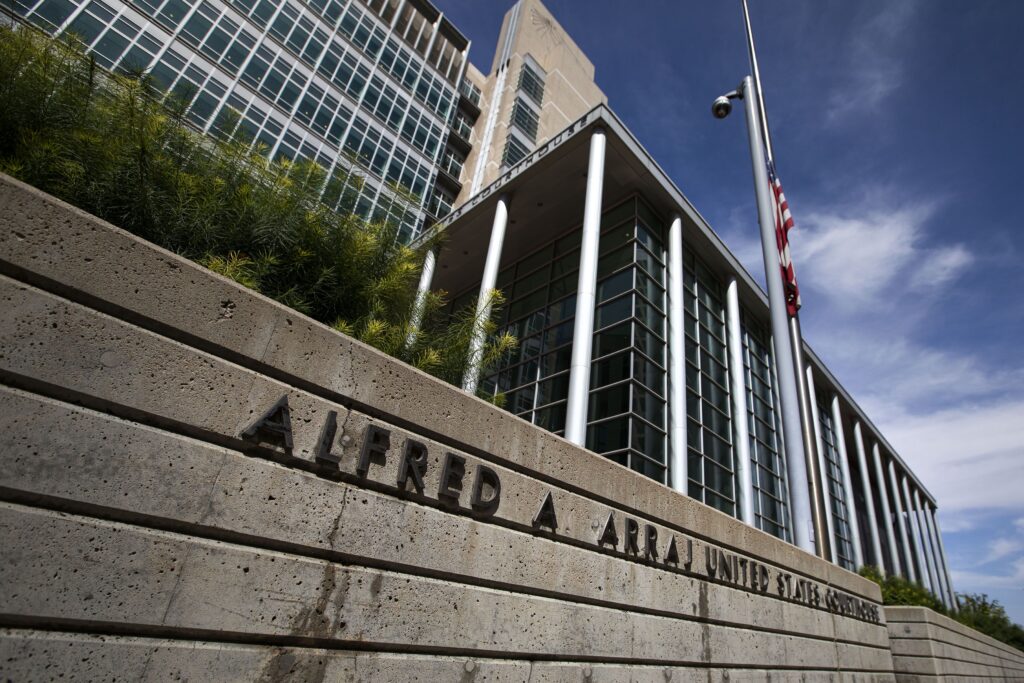
Federal judge sides with Mesa County school district in ex-student’s First Amendment claims
Michael Karlik
michael.karlik@coloradopolitics.com
Updated 2 days ago
A federal judge concluded last week that Mesa County Valley School District 51 and three of its administrators did not violate the First Amendment rights of a former student when they imposed minor discipline in response to disruptive behavior. In...

Colorado Supreme Court intervenes in 4 ongoing cases
Michael Karlik
michael.karlik@coloradopolitics.com
Updated 2 days ago
The Colorado Supreme Court recently moved to intervene in four ongoing cases, including two criminal prosecutions, a civil lawsuit, and a child welfare proceeding. At least four of the court’s seven members must agree to hear a case outside of...
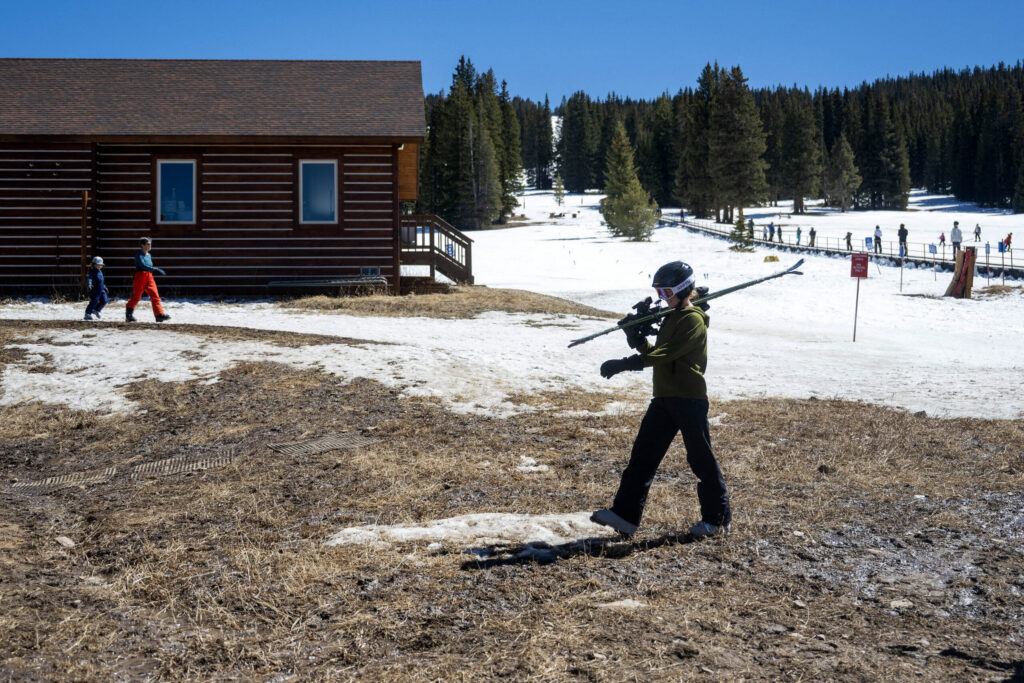
Colorado ski resorts announce early closures amid historic snowpack lows, high temperatures
Kyla Pearce
kyla.pearce@gazette.com
Updated 1 day ago
Vail Resorts is the latest area to announce season closure Wednesday As Colorado’s historically low snowpack year comes to a close and spring conditions take over the mountains, the state’s major ski resorts are announcing closing dates — some of...
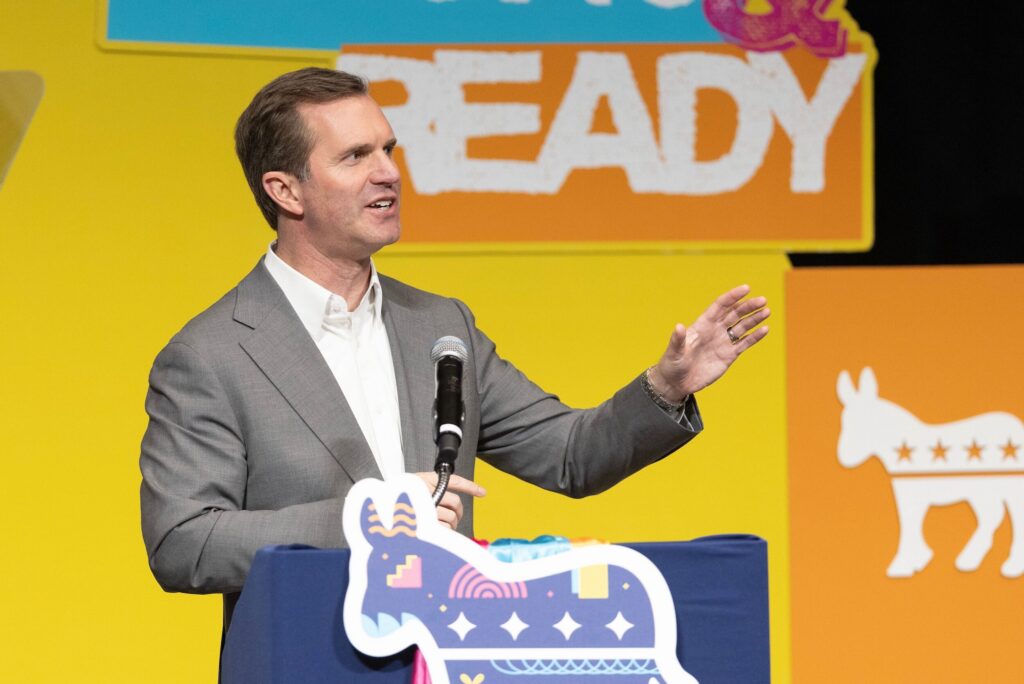
Kentucky Gov. Andy Beshear set to headline Colorado Democrats’ annual fundraising dinner
Ernest Luning
ernest.luning@coloradopolitics.com
Updated 2 days ago
Kentucky Gov. Andy Beshear, one of the Democrats’ top 2028 presidential prospects, is scheduled to deliver the keynote address at the Colorado Democratic Party’s annual fundraising dinner in June in Denver, the party said Friday. Serving his second term as...
Gov. Polis names new leaders for Colorado health agencies in wake of Medicaid turmoil
Marianne Goodland
marianne.goodland@coloradopolitics.com
Updated 2 days ago
Gov. Jared Polis, on Thursday, announced he was appointing Gretchen Hammer to serve as acting executive director of the Colorado Department of Health Care Policy and Financing, and deputy executive director Stephanie Beasley to become the next commissioner of the...
PREV
PREVIOUS
CU-Boulder curtails conservative scholar's duties following D.C. rally participation
The University of Colorado-Boulder has eliminated the speaking duties of John C. Eastman, a visiting scholar in conservative thought and policy, following his involvement in the Washington, D.C., rally that preceded the Jan. 6 insurrection at the U.S. Capitol. The Denver Post reports that the campus previously canceled Eastman’s spring courses for low enrollment and […]
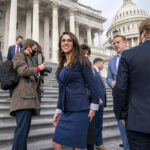
Lauren Boebert introduces bills taking aim at Paris climate accord, mask mandate, China
U.S. Rep. Lauren Boebert on Thursday introduced a trio of bills to reverse executive actions taken earlier this week by President Joe Biden on climate and the coronavirus pandemic. The Rifle Republican’s proposed legislation would prevent the United States from rejoining the Paris climate agreement, suspend a mask mandate on federal property and interstate travel, […]