

Report: Colorado’s class disparities have gotten worse during pandemic

The economic impacts of the COVID-19 pandemic have increased the income divide in Colorado, according to a report released Tuesday by the Colorado Center on Law and Policy.
The report, “2020 State of Working Colorado,” found pandemic job losses have been greatest among Coloradans with low wages, including workers in the hospitality and leisure industries.
Even with vaccine distribution beginning, jobs in these industries will be slow to come back, if they do at all, the report said.
“Our economy relies on low-wage workers, and yet, we must be willing to make the structural changes needed to ensure that low-wage workers can make ends meet,” said Tiffani Lennon, executive director of CCLP.
In recent months, accommodation and food service workers have made up the bulk of Colorado’s unemployed, accounting for 31.4% of unemployment claims for the week ending on Dec. 5, according to state data.
They are followed by construction workers with 8.8% of claims and healthcare and social assistance workers with 8.3%.
As Colorado’s working class struggles to remain employed, the upper class continues to accumulate wealth.
According to the report, while wages for most Coloradans have stagnated, the growth in wages among the top 10% of earners has increased, widening the income gap.
The state’s rising wage inequality has contributed to residents struggling to pay for increasing housing, food and healthcare costs.
In 2020, Colorado had the ninth-most residents move out of the state, according to move.org.
Though the state also saw high numbers of new residents, 48% of movers said a loss of income was the primary reason for their move.
The report also analyzed newly released data from 2018 that shows a major disparity in income along racial lines before the pandemic.
In 2018, white Coloradans experienced poverty at a lower rate than the state average of 9.6%, while people of color experienced poverty at much higher rates.
According to the report, Black residents had an 18% poverty rate and American Indians/Alaska Natives had 18.7%.
White and Asian households in Colorado also had higher median incomes than other races.
The 2018 median income of white and Asian households was around $30,000 higher than of Black and American Indians/Alaska Natives households.
“Our economy is not working for most Coloradans,” Lennon said.
“Though we don’t know when this public health emergency will end and when our national and state economies will begin to recover, these findings demonstrate why we should not settle for simply a return to a ‘normal’ economy.”
The full report is available online at cclponline.org.



Colorado Politics Calendar Apr. 6-12
Rachael Wright, Special to Colorado Politics
rachael.wright@coloradopolitics.com
Updated 4 days ago
CoPo’s weekly political calendar will help you find political and public-policy events throughout Colorado. It includes candidate and issue campaign events, public policy meetings, court hearings, state and local party conventions, assemblies, debates, rallies, parades, speaking engagements, traveling dignitary appearances,...

Democrats rebounding without learning necessary lessons | SONDERMANN
Eric Sondermann
eric-sondermann@coloradopolitics.com
Updated 13 hours ago
“When we fight, we win!” That, reportedly, was the chant heard over and over again at the Colorado Democratic Assembly a week ago. It suggests that pugilism has been the piece missing from the Democratic toolkit. Perhaps it was just...
An April Fool’s Day to remember | Capitol M | Week of April 4, 2026
Marianne Goodland
marianne.goodland@coloradopolitics.com
Updated 2 days ago
The lighter side of the Capitol, and if light were weight, the Capitol would have lifted off better than the Artemis II rocket on April Fool’s Day. There was a plethora of Fools at the Capitol for April Fool’s Day...

Federal judge sides with Mesa County school district in ex-student’s First Amendment claims
Michael Karlik
michael.karlik@coloradopolitics.com
Updated 1 day ago
A federal judge concluded last week that Mesa County Valley School District 51 and three of its administrators did not violate the First Amendment rights of a former student when they imposed minor discipline in response to disruptive behavior. In...

Colorado Supreme Court intervenes in 4 ongoing cases
Michael Karlik
michael.karlik@coloradopolitics.com
Updated 1 day ago
The Colorado Supreme Court recently moved to intervene in four ongoing cases, including two criminal prosecutions, a civil lawsuit, and a child welfare proceeding. At least four of the court’s seven members must agree to hear a case outside of...
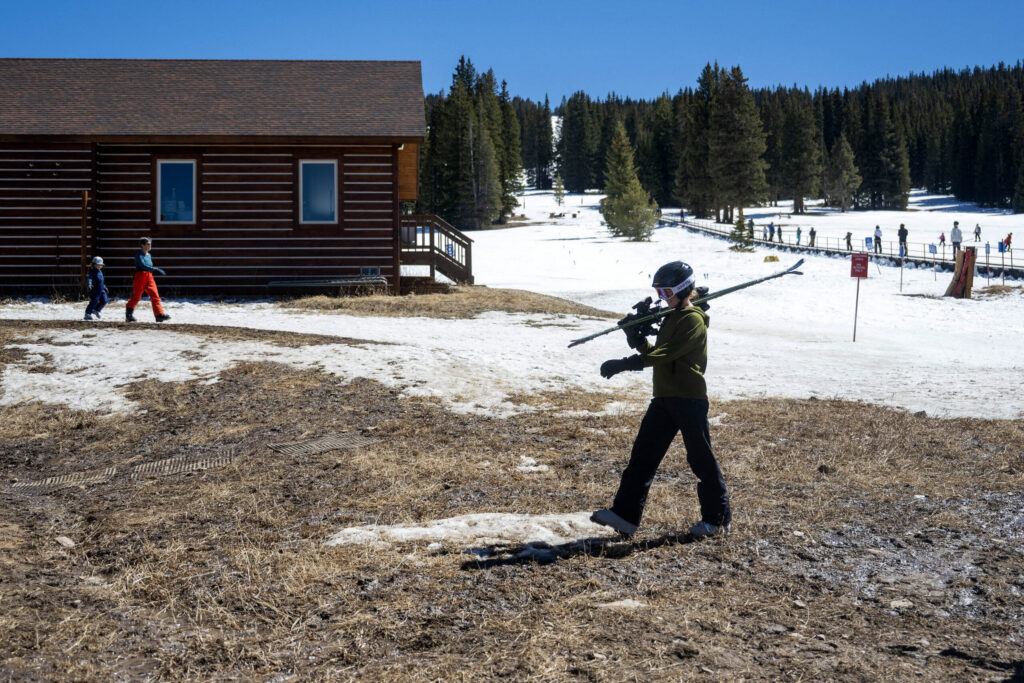
Colorado ski resorts announce early closures amid historic snowpack lows, high temperatures
Kyla Pearce
kyla.pearce@gazette.com
Updated 11 hours ago
Vail Resorts is the latest area to announce season closure Wednesday As Colorado’s historically low snowpack year comes to a close and spring conditions take over the mountains, the state’s major ski resorts are announcing closing dates — some of...

Kentucky Gov. Andy Beshear set to headline Colorado Democrats’ annual fundraising dinner
Ernest Luning
ernest.luning@coloradopolitics.com
Updated 1 day ago
Kentucky Gov. Andy Beshear, one of the Democrats’ top 2028 presidential prospects, is scheduled to deliver the keynote address at the Colorado Democratic Party’s annual fundraising dinner in June in Denver, the party said Friday. Serving his second term as...
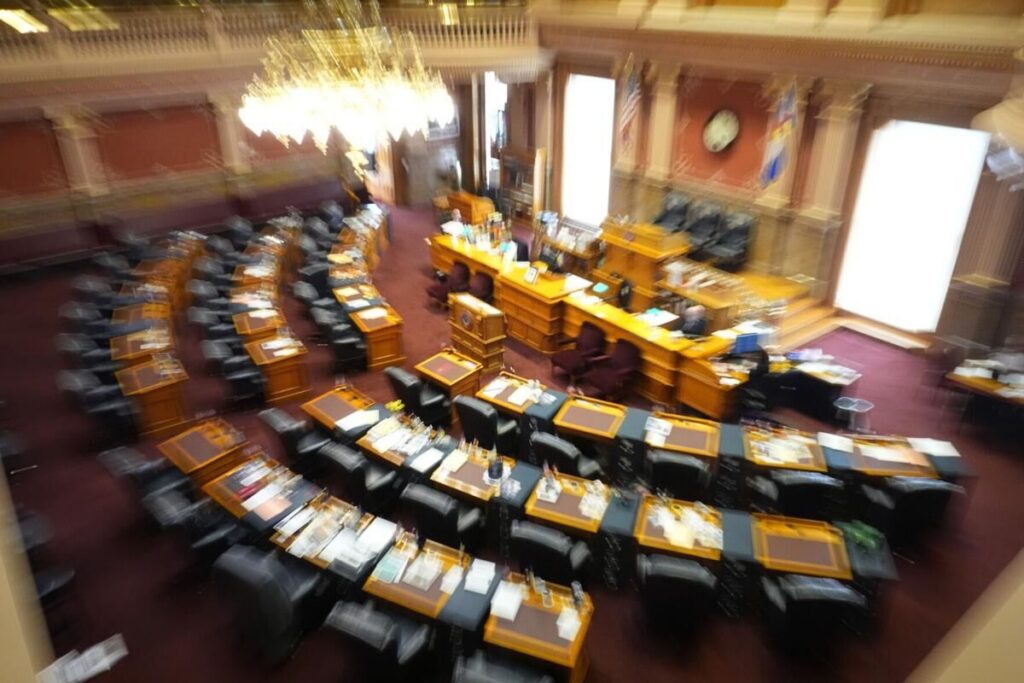
Gov. Polis names new leaders for Colorado health agencies in wake of Medicaid turmoil
Marianne Goodland
marianne.goodland@coloradopolitics.com
Updated 1 day ago
Gov. Jared Polis, on Thursday, announced he was appointing Gretchen Hammer to serve as acting executive director of the Colorado Department of Health Care Policy and Financing, and deputy executive director Stephanie Beasley to become the next commissioner of the...
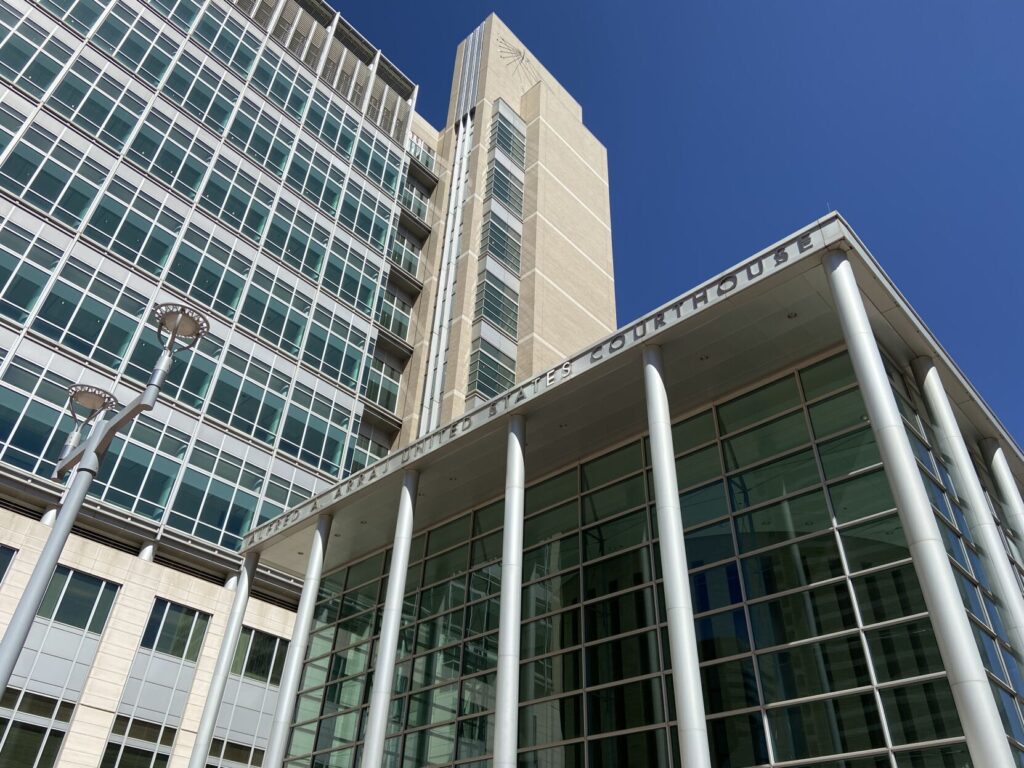
Federal judge releases man immediately as consequence for immigration judge disobeying orders
Michael Karlik
michael.karlik@coloradopolitics.com
Updated 1 day ago
A federal judge ordered a man’s immediate release from immigration detention on Thursday after finding an immigration judge disregarded his prior orders requiring a bond hearing. For the past year, Colorado’s federal district court has faced a flood of “habeas corpus”...
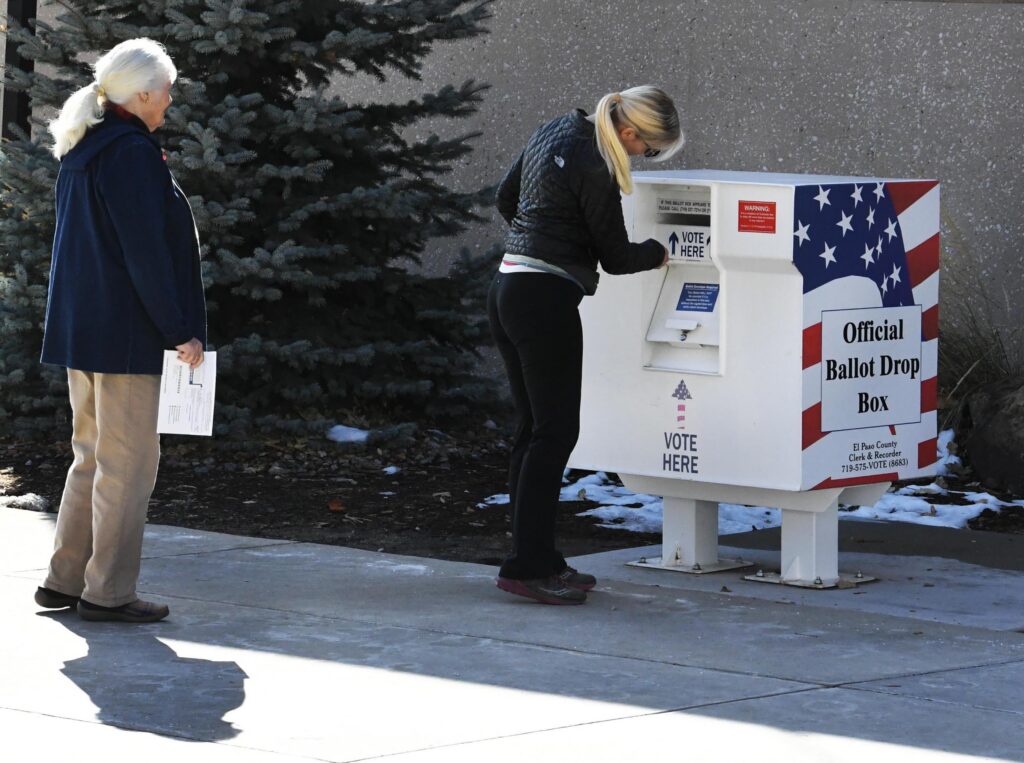
Colorado sues Trump administration, calling new election order ‘unconstitutional’
Marissa Ventrelli
marissa.ventrelli@coloradopolitics.com
Updated 11 hours ago
Colorado Attorney General Phil Weiser has joined a multistate coalition suing President Donald Trump over a new executive order on elections, arguing the directive unlawfully intrudes on states’ authority to run their own voting systems and threatens access to mail...
PREV
PREVIOUS

Free COVID-19 community testing site to open in Douglas County
Another community testing site for COVID-19 will open this weekend in Douglas County, the Colorado Department of Public Health and Environment announced Tuesday. The site will provide free testing daily from 8 a.m. to 6 p.m. beginning Saturday in partnership with Mako Medical. The site is located at the Douglas County Fairgrounds (500 Fairgrounds Drive) […]
Flu 'down a tremendous amount' thanks to COVID measures, vaccine push
The spread of influenza in Colorado is far below what it has been in previous years, officials said, thanks to mitigation efforts undertaken to prevent the spread of COVID-19 and the state’s push to vaccinate more people this fall. In recent years, Denver has had as many as 200 total flu hospitalizations by the end […]