

Colorado’s first doses of COVID-19 vaccine expected as early as Sunday, officials say; state resists CDC request for vaccination data
The first doses of the COVID-19 vaccine are expected to arrive in Colorado as early as Sunday, state officials said Wednesday, adding that the state hopes to offer all of its highest- and moderate-risk health care workers, as well as first responders, the vaccine by the end of February.
The FDA is expected to grant Pfizer emergency use authorization sometime between Friday and Monday, officials said at a virtual press conference updating Coloradans on the state’s virus response. After the approval, an initial shipment to Colorado – of 46,800 doses, the maximum the state was allowed to order – is expected within 24 hours, likely arriving in Colorado by early next week, officials said. That order was placed Dec. 4.
Approximately a week later the state should receive 95,600 doses of the Moderna vaccine, the maximum allowed at this time, officials added. That order is expected to be placed Thursday or Friday.
“We’re really excited about the triumph of modern science,” Gov. Jared Polis said, referring to the vaccine. “We obviously want more, and we expect more over time.”
“We’ve learned to sort of believe it when we see it,” he said of the number of doses expected to arrive, adding that some shipments of personal protective equipment have not exactly matched the number ordered.
Colorado’s population represents 1.69% of the United States’, and it should receive an identical percentage of available vaccines each week, the governor’s office said Wednesday.
Both vaccines require two doses – 21 days apart for Pfizer, and 28 days apart for Moderna. Pfizer says its vaccine is 95% effective; Moderna reports its vaccine is 94% effective. Both are more effective than the flu vaccine and have efficacy rates comparable to the measles component of the measles-mumps-rubella vaccine, according to state health officials.
Those who qualify to receive the vaccine under Phase 1 – including highest-risk health care workers who have extended, direct contact with COVID patients and long-term care facility and staff – are expected to receive it by February, officials said. Phase 2 distribution – to the elderly, those with health conditions, public-facing workers, those who work in high-density settings, other health care workers not covered in Phase 1 and adults who received a placebo during a COVID vaccine trial – are expected to be able to access the vaccine during the spring.
During the summer, those who qualify under Phase 3 – members of the general public ages 18-64 without high-risk conditions – are expected to be able to access the vaccine, officials said.
Children are currently not eligible for the vaccine, Polis said, adding that he believed trials were underway for children 12 and up.
The main focus of the state’s distribution plan is to “make sure we save the most lives … and end the pandemic as soon as possible,” Polis said. “And we’re ready.”
The initial vaccine shipments, while seemingly large, represent “previous few doses,” the administration of which must be prioritized to “end the crisis” as quickly as possible, said Scott Bookman, incident commander for the state’s COVID response.
During Phase 1 distribution, vaccines will be available at local public health agencies, hospitals and health systems, select federally qualified health centers like long-term care centers and some pharmacies. Health-care workers who qualify to receive the vaccine under Phase 1 will likely receive it through their employer. Residents of, and workers at, long-term care facilities will likely receive the vaccine at those facilities via a federal partnership with Walgreens and CVS, whose employees will administer the vaccine. As more vaccine becomes available, administration will expand into rural health centers, safety-net clinics, doctors’ offices, more pharmacies and other locations, officials said.
More information is forthcoming about Phase 2 and 3 distribution. Those who believe they qualify for a Phase 1 vaccine can call a new hotline established for such individuals at 1-877-462-2911 or visit covid19.colorado.gov/vaccine, Bookman said.
While the state will require all COVID-19 vaccination providers to report administered doses to the Colorado Immunization Information System (CISS) within 72 hours of administration “to ensure not one dose goes to waste,” Coloradans’ immunization records are confidential, and personal medical information will not be shared publicly, Bookman said.
Data collected will be de-identified, and personal information will not be shared with the federal government, he added, confirming earlier reports that the state is refusing to provide personal information requested by the U.S. Centers for Disease Control and Prevention about state residents who receive a COVID-19 vaccination data, such as names, addresses, date of birth and gender.
In doing so, Colorado has joined other states that are pushing back against the federal agency, claiming it would infringe on privacy.
“Because Coloradans’ privacy is a priority, CDPHE [the state health department] negotiated with the CDC to ensure that personally identifying information was not going to be reported from the state to CDC,” a spokesperson for the Colorado Department of Health and Environment wrote in an email. “This complies with Colorado statute.”
CDPHE will be tracking individually identifying vaccination information and sharing some of the data with other state agencies, but the spokesperson wrote that, “Colorado will use the Colorado Immunization Information System to monitor doses administered, inventory levels, vaccine orders, distribution to vaccination providers and any repositioning of vaccine between vaccination providers during Phase 1 to ensure end-to-end visibility of all doses. … CIIS is a confidential, population-based, secure computerized system that collects and consolidates individual-level vaccination and exemption data for Coloradans of all ages from a variety of sources.”
The system will track the progress of individuals’ vaccination series “because of the need for a second dose,” the spokesperson wrote.
The CDC’s request is laid out in a Data Use and Sharing Agreement, which describes how and why the federal agency would like states to provide the data.
The document describes a critical need for the data to assess the patterns of vaccination in the population, identify under-vaccination, assist in vaccine allocation, monitor effectiveness, safety and risk factors, evaluate the impact of the coronavirus and the vaccine on health care systems and communities and to monitor the multiple vaccinations required for some of the pharmaceutical companies’ vaccines, for individuals who move across state lines.
Minnesota officials refused to sign the agreement, according to the New York Times, but will provide “de-identified doses-administered data” when vaccinations begin, nearly the same description verbatim provided by a Colorado health department spokesperson.
“Colorado will be sharing de-identified, record-level data on the doses administered in our state, along with vaccine inventory data on a daily basis,” the spokesperson, who refused to provide their name, added.
In New York, Gov. Andrew Cuomo expressed concern about the efforts and resistance to providing the data because of the ramifications for people living in the U.S. without legal immigration status, according to the New York Times.
Pennsylvania tried to amend the language of the agreement, the New York Times reported, but was rebuffed by the CDC and then signed anyway.
CDPHE did not immediately clarify whether it have signed or amended the CDC’s data sharing agreement, nor whether there is an alternative agreement or documented arrangement for reporting the state’s data to the CDC.


Legislature overrules state Supreme Court decisions, federal judges contend with violations of orders | COURT CRAWL
Michael Karlik
michael.karlik@coloradopolitics.com
Updated 18 hours ago
Welcome to Court Crawl, Colorado Politics’ roundup of news from the third branch of government. The Colorado legislature overruled two recent state Supreme Court decisions in this year’s session, plus federal judges are addressing the government’s violations of their orders...
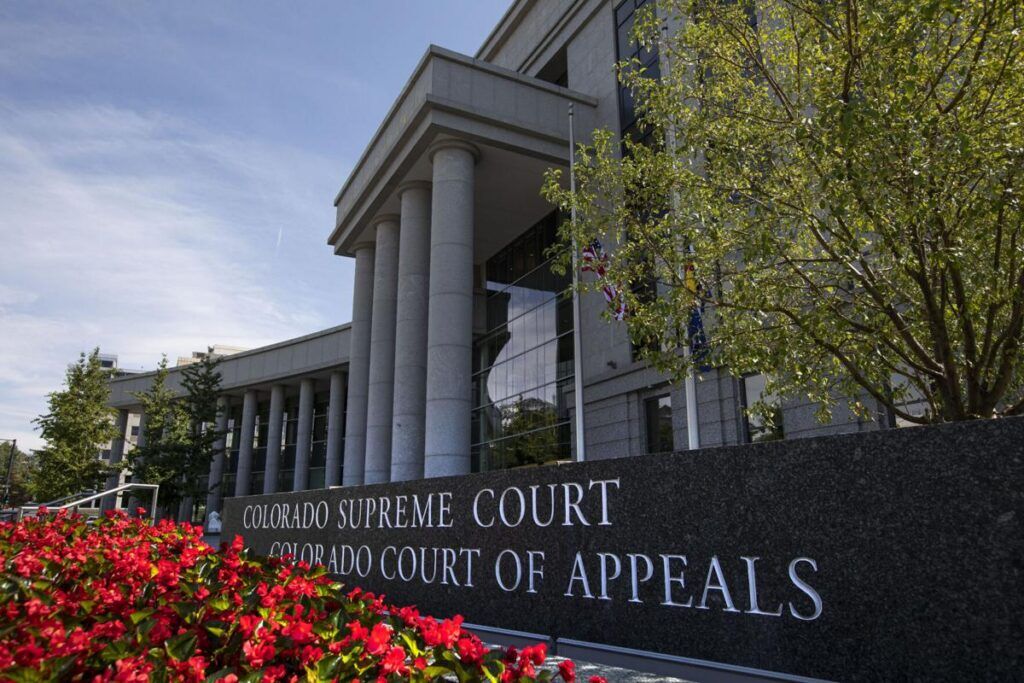
Appeals court reinstates murder case despite ex-DA Linda Stanley’s conduct
Michael Karlik
michael.karlik@coloradopolitics.com
Updated 15 hours ago
Colorado’s second-highest court reinstated the murder and child abuse charges on Thursday against a Fremont County defendant, reasoning that the former district attorney’s misconduct did not warrant dismissal of the charges. A judge previously dismissed the criminal case against defendant...
Tapped: Douglas County looks to diversify water supply as population grows
Nicholas Fogleman
nicholas.fogleman@denvergazette.com
Updated 22 hours ago
Editor’s Note: The Denver metro region sits at the center of one of the American West’s most complex and consequential water challenges. This series examines the interconnected systems that determine how the region secures, stores, and conserves its water —...
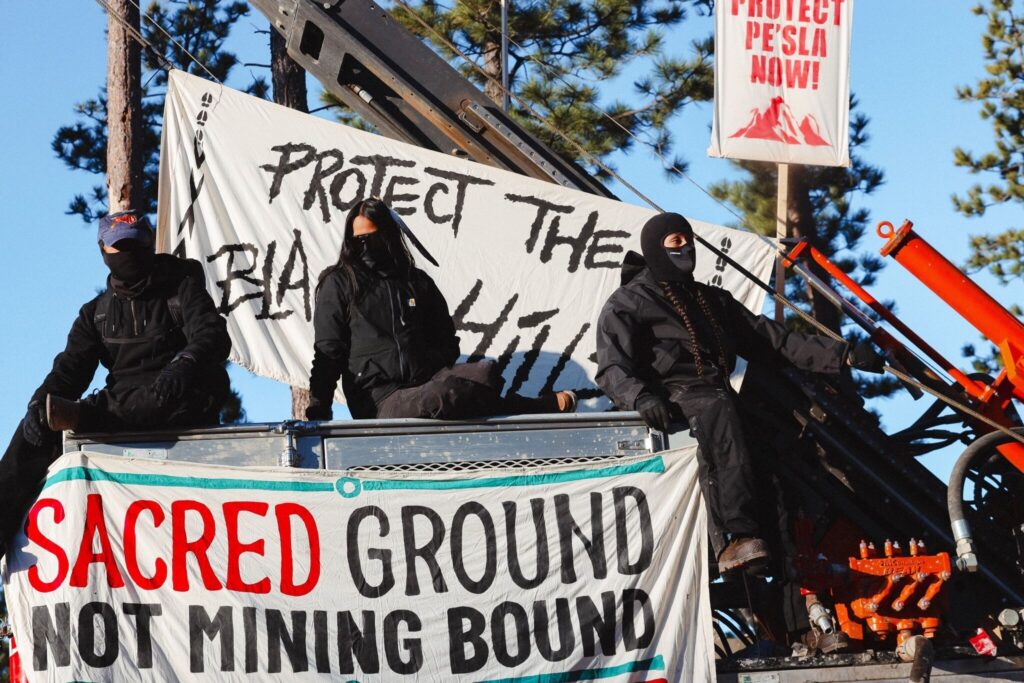
Tribes sue to halt exploratory drilling in Black Hills near sacred ceremonial site | OUT WEST ROUNDUP
Ernest Luning
ernest.luning@coloradopolitics.com
Updated 5 days ago
SOUTH DAKOTA Tribes sue to halt drilling SIOUX FALLS — Nine Native American tribes in South Dakota, North Dakota and Nebraska are suing the federal government in a bid to stop exploratory drilling for graphite near a sacred site in...
Tapped: Is water a problem for data centers in Colorado?
Deborah Grigsby
deborah.smith@denvergazette.com
Updated 22 hours ago
Editor‘s Note: The Denver metro region sits at the center of one of the American West’s most complex and consequential water challenges. This series examines the interconnected systems that determine how the region secures, stores, and conserves its water while...
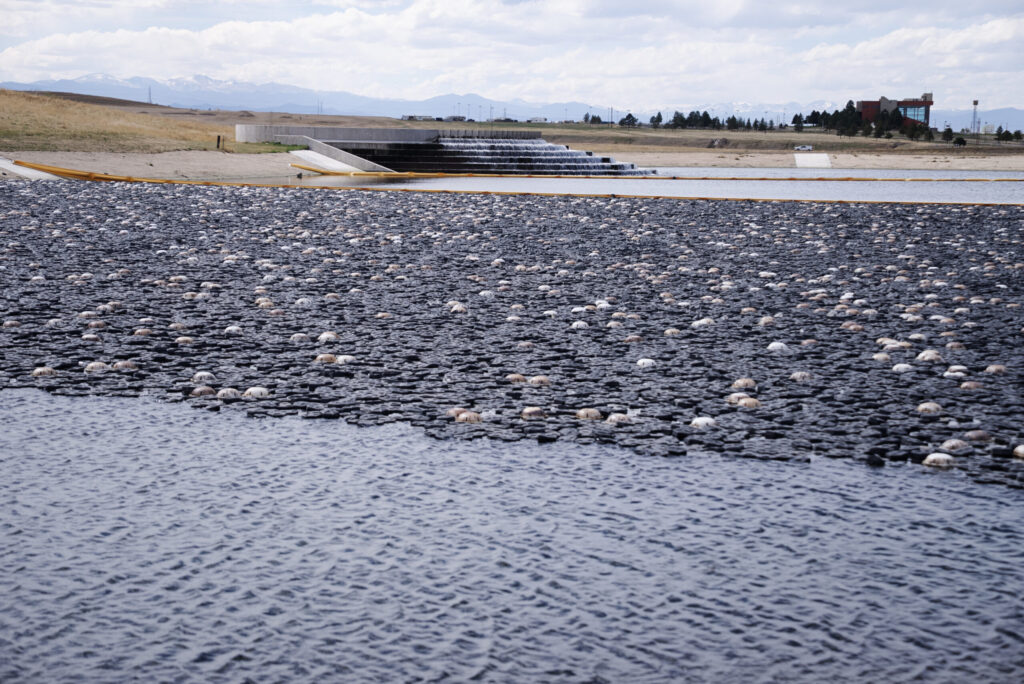
Tapped: Aurora cracks down on water use as reservoirs fall, runoff shrinks
Kyla Pearce
kyla.pearce@gazette.com
Updated 22 hours ago
Editor’s note: The Denver metro region sits at the center of one of the American West’s most complex and consequential water challenges. This series examines the interconnected systems that determine how the region secures, stores, and conserves its water while...
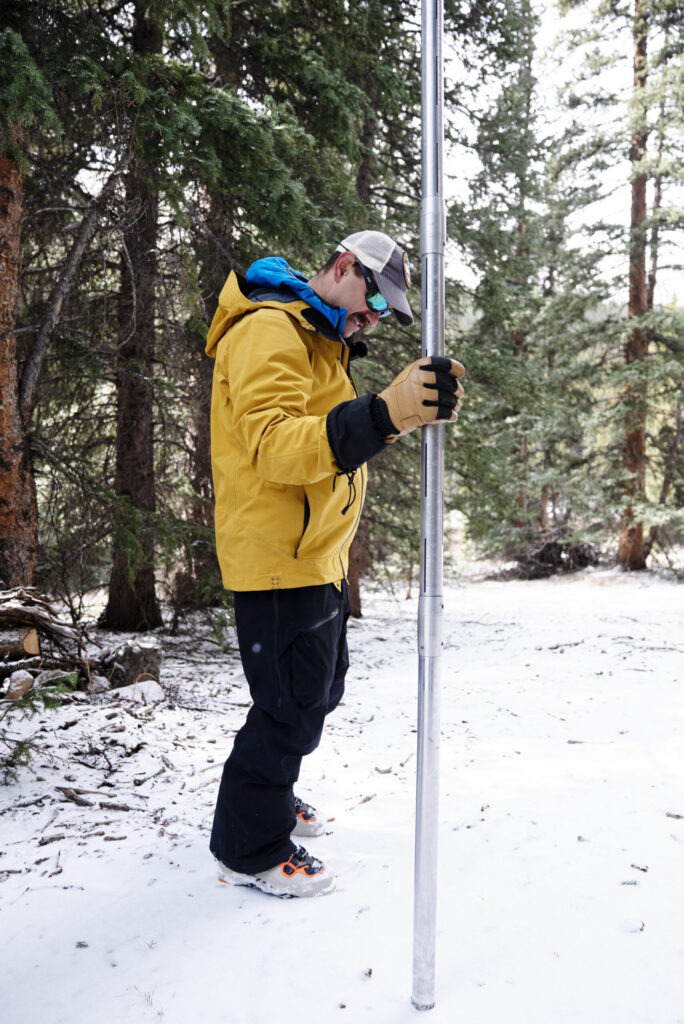
Tapped: Colorado River overallocation collides with record drought conditions
Nico Brambila
nico.brambila@denvergazette.com
Updated 22 hours ago
Editor’s Note: The Denver metro region sits at the center of one of the American West’s most complex and consequential water challenges. This series examines the interconnected systems that determine how the region secures, stores and conserves its water while...
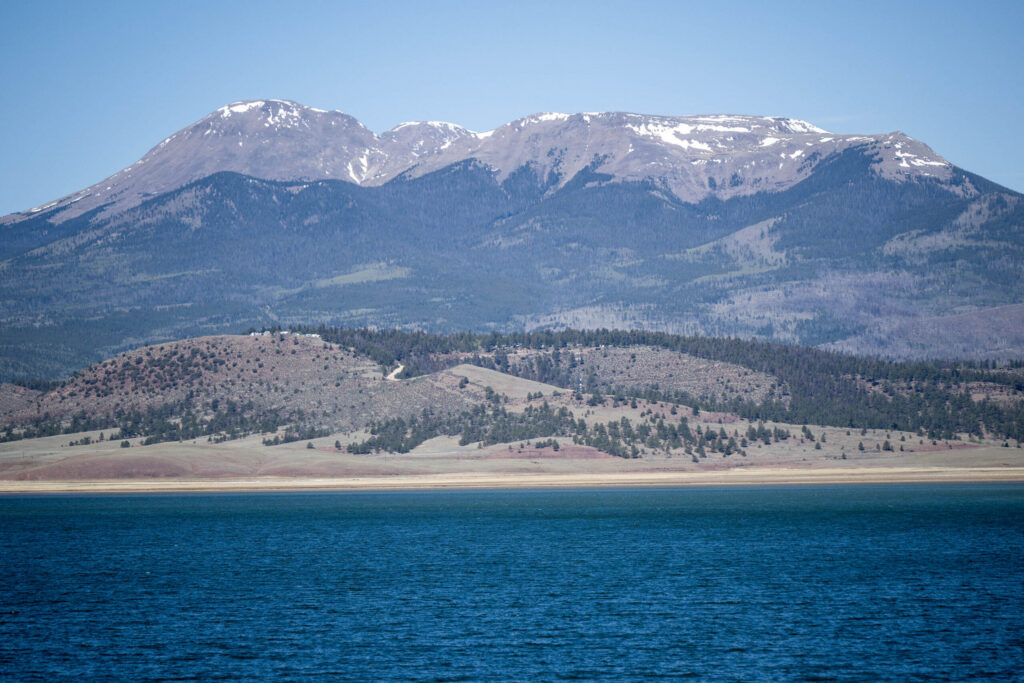
Tapped: Denver residents face hotter, costlier summer under new drought rules
Deborah Grigsby
deborah.smith@denvergazette.com
Updated 21 hours ago
Editor’s note: The Denver metro region sits at the center of one of the American West’s most complex and consequential water challenges. This series examines the interconnected systems that determine how the region secures, stores, and conserves its water while...
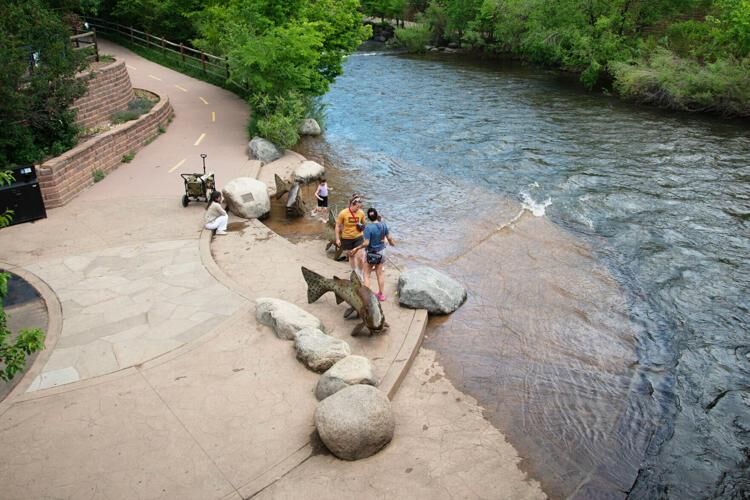
Tapped: Golden tightens water rules as Clear Creek snowpack falters
Sage Kelley
sage.kelley@denvergazette.com
Updated 23 hours ago
Editor’s note: The Denver metro region sits at the center of one of the American West’s most complex and consequential water challenges. This series examines the interconnected systems that determine how the region secures, stores, and conserves its water while...
Tapped: As snowpack levels shrink, Jefferson County cities take divergent paths on water
Sage Kelley
sage.kelley@denvergazette.com
Updated 21 hours ago
Editor’s note: The Denver metro region sits at the center of one of the American West’s most complex and consequential water challenges. This series examines the interconnected systems that determine how the region secures, stores, and conserves its water while...
PREV
PREVIOUS
Denver janitors rally downtown to celebrate reinstatement of hours
Janitors, families and union members gathered in downtown Denver on Wednesday for a car rally to celebrate the reinstatement of janitors’ cut hours before the holidays. The rally, originally intended to be a protest demanding increased hours, was updated to a celebration after Commercial Cleaning Systems agreed to the reinstatement demands. “Denver’s janitors made their […]

Legislative Audit Committee to take on election integrity, according to House Republicans
After getting a firm “no” from Speaker of the House KC Becker on Monday, House Republicans aren’t giving up on their efforts to find evidence of election irregularities. Legislative Audit Committee chair Rep. Lori Saine, a Dacono Republican, has scheduled a special meeting of the committee next Tuesday, Dec. 15 at 10 a.m., to examine […]