

Legislative leaders talk Sunday about Monday’s special session
Colorado’s legislative leaders provided a forecast of fast work and bipartisanship Sunday afternoon for the special legislative session that starts Monday morning in Denver. The purpose is to distribute $280 million, plus sales tax relief for bars and eateries.
The relief flows from the slimmed-down state budget the General Assembly passed in June. That budget was based on a dire revenue forecast that didn’t turn out to be as bad as predicted. Federal stimulus money shored up an economy that’s performed better than revenue forecasts and created a surplus.
Congress helped out, however, until they didn’t, said House Majority Leader (and speaker-elect) Alec Garnett, a Democrat from Denver. Housing assistance and unemployment benefits are running out, while Democrats and Republicans in Washington quibble over numbers.
The soonest Congress will take up the next round of aid will be in January. Colorado hopes to deliver a stopgap rescue for people and businesses barely hanging on.
“Some of the reasons we’re in this place is the lack of federal action,” he said of the partisan impasse in Washington. “… We have some general fund revenue to come in and provide on a one-time basis to create a stimulus-type of result across the economy to help those who are going to have trouble in these next months ahead.”
Senate President Leroy Garcia, a Democrat from Pueblo, said congressional inaction has “completely abandoned” Americans in their time of need.
“Small businesses have been drowning for months waiting for comprehensive federal aid, while hardworking Coloradans anxiously watch housing and unemployment support dissipate,” he said. “The amount the Colorado state government can do to alleviate the burdens of struggling communities is limited, but it’s not nothing.”
House Speaker KC Becker of Boulder added: “This is going to make a dent, but not nearly what Washington can deliver. We need Washington to act to deliver the comprehensive relief we need.”
Senate Majority Leader Steve Fenberg, a Democrat from Boulder, characterized the week ahead as a balancing act.
“We are going to do this in a way that hopefully addresses the biggest needs that we have the power to address, but that does it in a way that keeps everyone as safe as possible,” he said.
That will depend largely on individual legislators who could introduce bills out of spite or hope for distraction, if they are tangentially related to the reason that Polis gave for calling the session: pandemic relief.
Becker promised Sunday that every bill would get a fair hearing. Other legislative leaders said those throwing legislative Hail Marys won’t have much luck, if they haven’t put in the work to build a coalition. Democrats will control the votes to dispatch those bills quickly.
Garcia scoffed at the characterization of a reporter that bills by Republicans are dead on arrival as “not a true statement.”
“Speaking for the Senate, we’re going to look at any of these policies … we’re going to do it like we normally would to ensure the process is followed and consider those types of policies, as we’ve vowed,” he said. “Obviously there hasn’t been the pre-work on their behalf on many of these.”
Fenberg described it differently.
“Generally speaking, the debates and the conversations and the legislation we’re going to be considering over these three or so days really are not going to be about policy,” he said. “They’re going to be about getting financial assistance into the right place immediately.”
The General Assembly that was elected in November will take office when they reconvene at the Capitol on Jan. 6.
Democrats in the special session and the next regular session will maintain a 41-24 majority in the House, and a 19-16 edge in the Senate, which is one more seat than they currently have after Democrat Chris Kolker flipped the District 27 seat left open when Sen. Jack Tate chose not to seek a second term.
Redistricting could shuffle boundary lines and the partisan lean to more seats in play in 2022.
Nonetheless, Democrats are apt to be graded on how they led the state through the twin crises of public health and economic hardship.
House Republican leader-elect Hugh McKean of Loveland said his caucus is coming back to Denver “to help everyday Coloradans.”
“We are offering ideas to help Colorado’s small businesses and families, from the folks who own the corner cafe to helping students and schools,” he said in a statement Sunday morning. “The economic and social devastation of the COVID-19 epidemic is unprecedented and demands innovative solutions that put more money in folks’ pockets and give businesses a chance to survive. The very same tax credits that have been under attack in recent years are essential for families to have more money when they need it, the allowances for students and schools to pursue the best learning opportunities are more important than ever.”
McKean called small businesses and family enterprises are the backbone of the state’s economy and “represent the life savings and hope for future generations.
“We will find ways to survive this strangest of times and possibly even find ways to help all of Colorado thrive.”
The week ahead is an audition for how things such as public safety and remote testimony will work when the next regular session begins, Garnett said.
“I don’t think it’s going to be perfect this week, but I certainly think it’s the right thing to try and do,” he said.

The executive order calling for a special session of the Colorado General Assembly, Nov. 19, 2020.

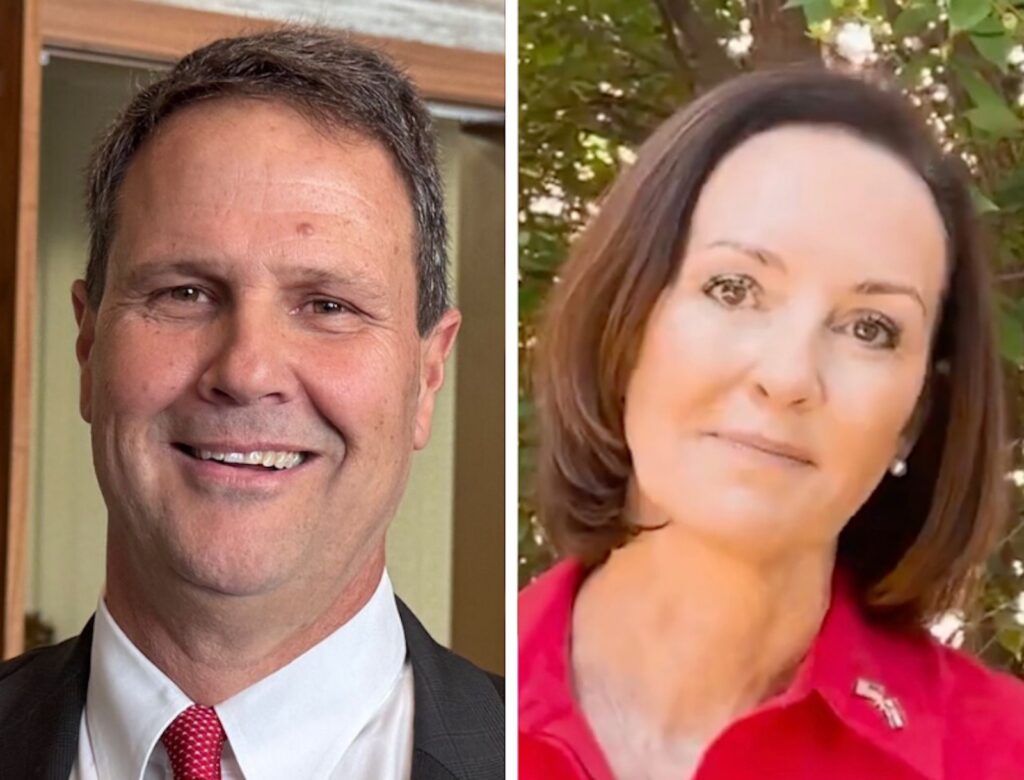
WATCH: Republican US Rep. Jeff Crank, Democratic challenger Jessica Killin debate in Colorado’s 5th CD
Ernest Luning
ernest.luning@coloradopolitics.com
Updated 15 minutes ago
Republican U.S. Rep. Jeff Crank and Jessica Killin, his Democratic challenger, are scheduled to meet for a televised debate in the race to represent Colorado’s 5th Congressional District on Thursday night. The candidates are set to take the stage at...

WATCH: Colorado gubernatorial candidates Phil Weiser, Greg Lopez to face off Thursday in televised debate
Ernest Luning
ernest.luning@coloradopolitics.com
Updated 24 minutes ago
Two of the candidates for governor of Colorado are set to square off in a televised debate for the first time Thursday night, when Attorney General Phil Weiser, the Democratic nominee, and former U.S. Rep. Greg Lopez, an unaffiliated candidate,...

Colorado State Fair youth golf tournament celebrates 11 years
Marianne Goodland
marianne.goodland@coloradopolitics.com
Updated 2 hours ago
Twenty-eight teams tee off Friday at Walking Stick Golf Course in Pueblo for a tournament supporting 4-H, Future Farmers of America and capital improvements at the Colorado State Fair. Now in its 11th year, the Partners of Youth in Ag...

Controversial two-bag furbearer limit heads to CPW meeting under legal threat
Marianne Goodland
marianne.goodland@coloradopolitics.com
Updated 3 hours ago
Next week’s Colorado Parks and Wildlife Commission meeting in La Junta is likely to open under the cloud of threatened legal action. Safari Club International and the Sportsmen’s Alliance Foundation warned the commission this month that its July vote imposing...
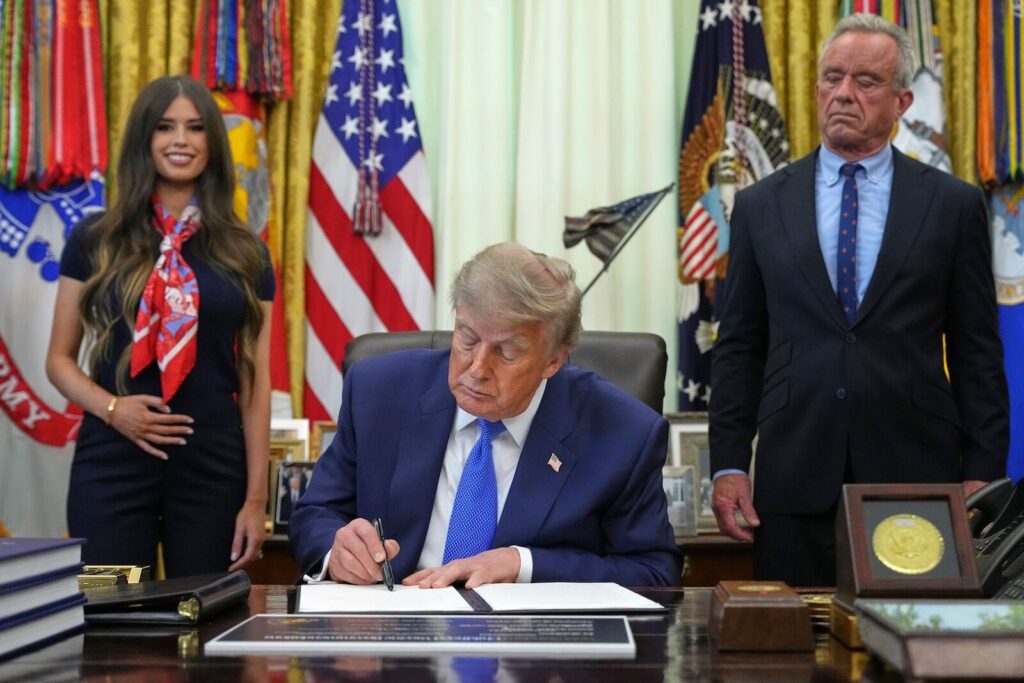
Democratic-aligned poll shows big majority of swing-seat voters support routine childhood vaccines
Ernest Luning
ernest.luning@coloradopolitics.com
Updated 5 hours ago
A new poll conducted by Democratic-aligned groups found that voters in competitive U.S. House districts — including a battleground seat in Colorado — support routine childhood vaccinations by a wide margin and oppose a recent order by President Donald Trump...
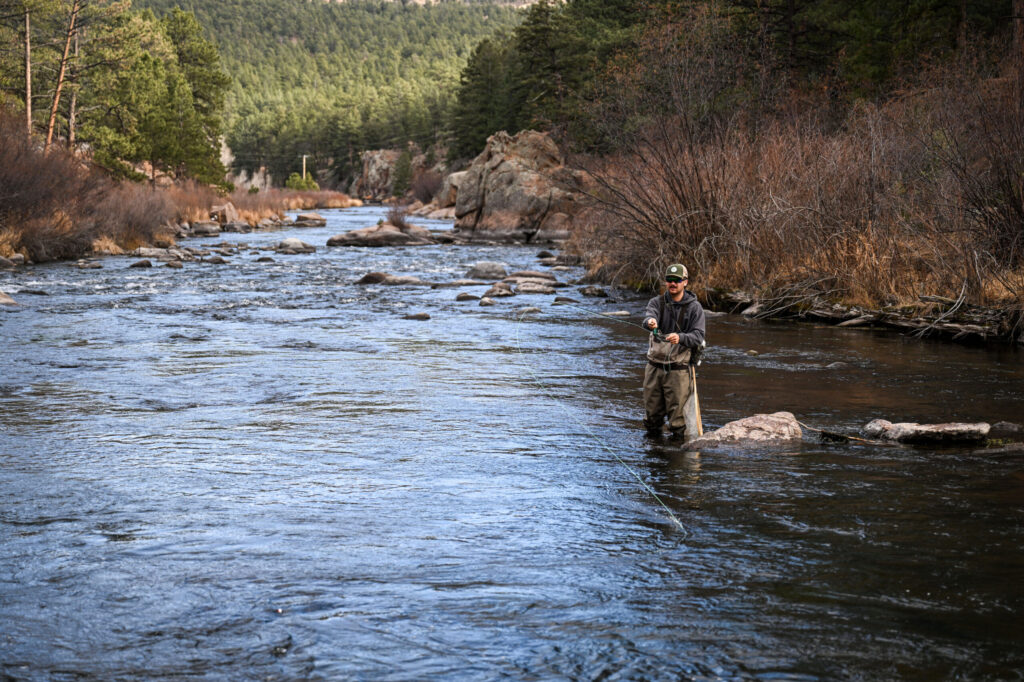
Some Colorado hunters oppose right to hunt, fish proposal, group says
Marissa Ventrelli
marissa.ventrelli@coloradopolitics.com
Updated 5 hours ago
A group that says it represents hunters and anglers from across Colorado announced its opposition to a ballot measure that would establish the right to hunt and fish in Colorado’s constitution, saying it could result in the overturning of bans...
Coalition drops Colorado transportation ballot measure after securing deal
Marissa Ventrelli
marissa.ventrelli@coloradopolitics.com
Updated 35 minutes ago
The proposed constitutional amendment seeking to dedicate all transportation-related revenue to Colorado’s roads and bridges will no longer appear in this November’s ballot after its proponents reached an agreement with lawmakers following months of negotiations. Initiative No. 175, backed by...

Iran and Oman come to agreement to open Strait of Hormuz, but await US buy-in
Claire Carter
claire.carter@washingtonexaminer.com
Updated 7 hours ago
Iran and Oman reached an understanding on a temporary shipping corridor through the Strait of Hormuz, clearing a major hurdle to reopening the critical waterway, but Tehran says implementation depends on the United States meeting a series of demands. The...

Trump faces warning signs among women ahead of midterm elections
Rena Rowe
rena.rowe@washingtonexaminer.com
Updated 1 hour ago
President Donald Trump is facing significant challenges among women voters heading into the 2026 midterm elections, with a new survey showing low approval of his job performance and broad opposition to key policies in his administration’s agenda. A national survey...
Wrongfully deported man to be returned to U.S., Colorado federal judge orders
Michael Karlik
michael.karlik@coloradopolitics.com
Updated 9 hours ago
Colorado’s chief federal judge took the extraordinary step of directing the government on Tuesday to do everything it can to return a man it deported in violation of his order. At the same time, Colorado’s chief magistrate judge has set...
PREV
PREVIOUS
Six things to watch for in this week's special session
When lawmakers return to the Capitol on Monday, history will be made all over the place. There will be many firsts in the coming days, from safety precautions to a lack of hands-on involvement by Gov. Jared Polis. That we know. Colorado Politics looked into its well-worn crystal ball to tell our subscribers what to […]

In pandemic squeeze, Vail exits Colorado cloud seeding program
Vail Resorts Inc., one of the largest financial contributors to Colorado’s cloud seeding program, has dropped out this year, leaving a major hole in the program’s budget. Cloud seeding is a practice in which silver iodide pellets are sprayed into storm clouds in an effort to trigger more snowfall and ultimately, in the spring, more […]