

Six things to watch for in this week’s special session
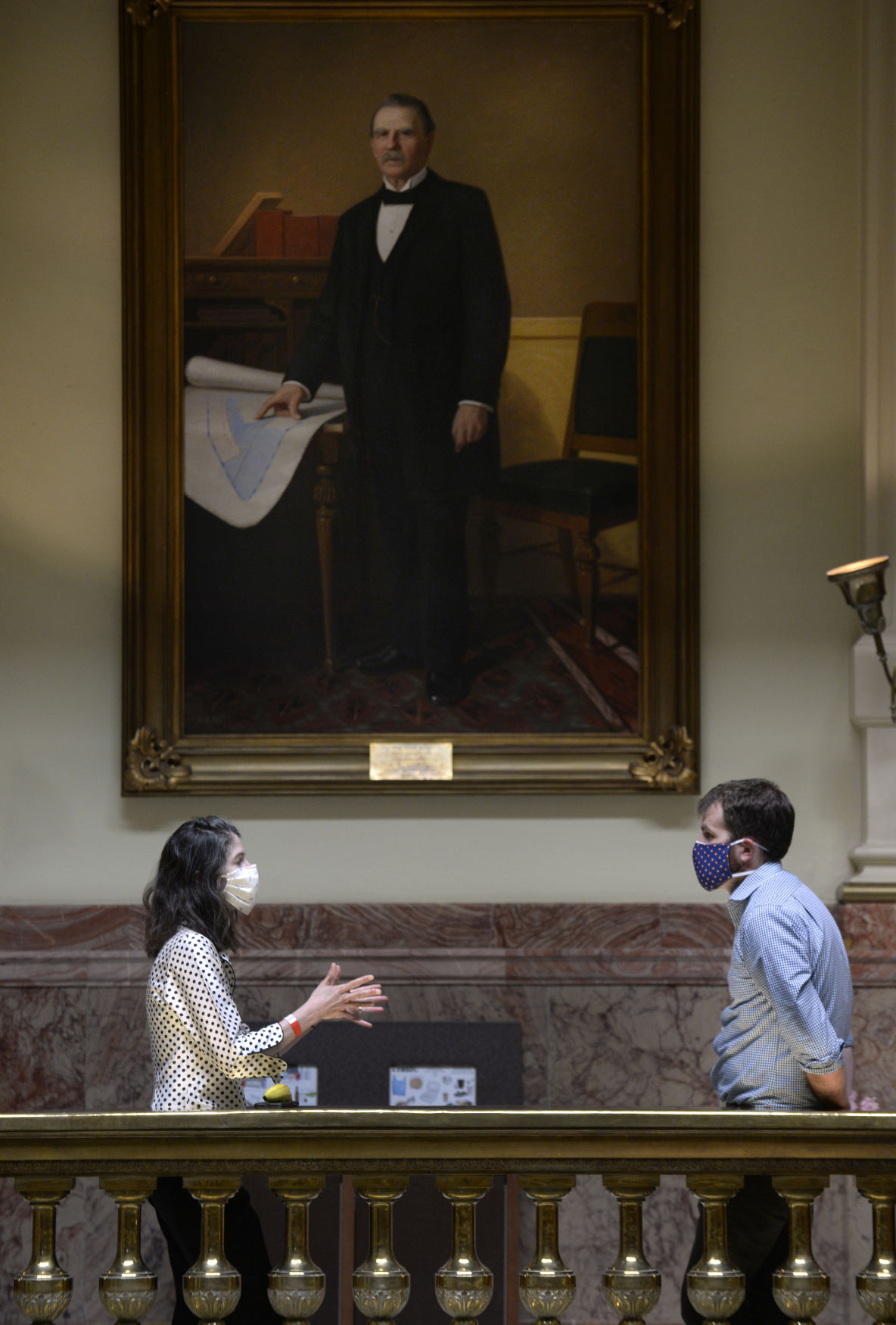
When lawmakers return to the Capitol on Monday, history will be made all over the place. There will be many firsts in the coming days, from safety precautions to a lack of hands-on involvement by Gov. Jared Polis.
That we know. Colorado Politics looked into its well-worn crystal ball to tell our subscribers what to expect, based on our experience and interviews:
Short and sweet, they say
House and Senate Democrats on Sunday rolled out a preview of the bills covering the seven target areas in the governor’s special session call, all tied to COVID-19 relief: housing, food, sales tax relief and direct aid to small business (meaning restaurants, bars and gyms, mostly), child care providers, internet access for low-income K-12 students and more money to the state’s disaster emergency fund.
The House calendar shows just two days of scheduled committee hearings; the Senate just one. Expect those seven bills to rip through the process in the minimum three days it takes to pass a bill.
As a reminder: Day 1, a bill is introduced, heard in its committee of reference plus appropriations and on second reading in the first chamber. Day 2: final passage in the first chamber, introduction in the second chamber, along with committee hearings and second reading. Day three: final passage. And it’s done.
Leadership has said the session will last at least three days, but they haven’t put a cap on the high end, which might help curb the usual posturing and preening in statehouse politics.
Buffering what exists
The whole point of doing this is to get aid into the hands of Coloradans lickety-split, so that means putting the money into existing programs so that checks can be cut as soon as possible. Some of the aid is likely to be out before year’s end; some will pick up the slack from federal CARES Act money that runs out on Dec. 31.
The total for six of the seven bills proposed for the special session is $280 million, not including the sales tax holiday for restaurants and bars created by Gov. Jared Polis’ executive order he signed on Nov. 28.
It’s a holiday season tax holiday through November. Businesses will still collect the sales tax, but they’ll get to keep between $2,000 and $10,000 per month to spend on rent or other business needs.
Empty seats aplenty
Those watching the session streaming on YouTube might notice gaps in the normally solid alignment in the House and Senate chambers. That’s no accident. That’s social distancing.
Lawmakers broke their regular session in March and returned in May to a different environment. Lawmakers rose and spoke from stations in the House gallery and some participated in committees via Zoom and webinar.
Rep. Meg Froelich, a Greenwood Village Democrat, announced Nov. 19 that she tested positive for COVID-19, so she’s expected to be among the remote participants.
The lobbyists camped out to catch lawmakers in the hallways to plead the case of their clients will be fewer and far between, but they won’t be absent.
The Election 2022 kickoff
If the session founders in the usual partisan games, Democrats in leadership will take the blame, regardless of how the problems occur.
That could mean seats up for grabs when the next election rolls around in two years. Among those on the ballot: the governor.
Opponents will be taking notes for attack ads all week. The Democratic majorities might be at risk if they blow this response to the virus.
Sickness just the same
Masks and hand washing can only do so much. Ask Gov. Jared Polis, who announced Saturday night that he and the first gentleman have tested positive. Polis has preached the practices of public health since declaring the state emergency in March, midway through the regular session.
A Sunday news release – and it remains to be seen whether everyone will adhere to it – said lawmakers will be allowed to participate remotely for floor work, borrowing a page from the COVID session in May and June. Committees will meet with “remote public testimony options,” although given that the usual sites for remote testimony are on college campuses, it’s not yet clear how the public will be able to offer testimony.
The news release also said there will be additional safety measures, including “daily rapid testing” and KN95 masks for legislators and staff, “as well as increased social distancing.”
After the November election, the House GOP caucus met to elect new leaders, a meeting where only one of the 24 in attendance wore a mask, and that resulted in a fair amount of criticism for ignoring public health guidelines. At that time, about 1 in 100 Coloradans statewide were believed to be contagious, including asymptomatic spreaders. As of Nov. 23, it was 1 in 41.
That means that with well more than 100 people expected to be in the Capitol this week, statistics say at least a couple could be contagious, even if they don’t show symptoms. Rather than spreading around taxpayer money, this could be a super-spreader event, instead. Stay tuned.
Broken promises
Lobbyists and legislative staff are none too happy with their Faustian choice: sit at home and watch from afar, or go to the Capitol and risk their livelihood. Thanks, Polis!
Many inside and outside the Capitol say privately that they aren’t convinced that the risk is worth the reward to call back a crowd to the Capitol just 37 days before the regular session commences.
Their dismay rests on precedent. That’s what happened when lawmakers returned to finish their last session for three weeks in May and June; they veered far beyond their promised mission of the kinds of bills they would hear: fast, free and friendly.
When that promise was broken, the public was squeezed out on bills they would have otherwise protested with zeal.
Some say they were fooled once and won’t be fooled again. The rash of unexpected bills that broke out when the regular session resumed for three weeks caught those with vested interests off guard.

Gubernatorial candidates Phil Weiser, Greg Lopez spar, as Marx skips debate
Deborah Grigsby
deborah.smith@denvergazette.com
Updated 3 hours ago
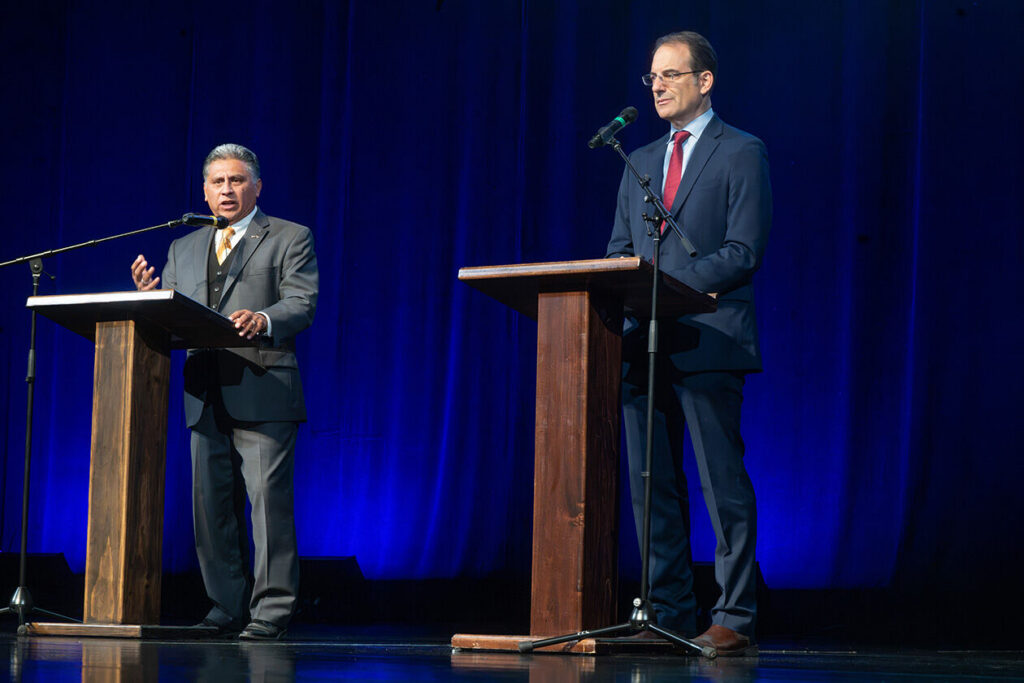
Two of the candidates for Colorado governor squared off in a televised debate on Thursday night, when Attorney General Phil Weiser, the Democratic nominee, and former U.S. Rep. Greg Lopez, an unaffiliated candidate, delved into issues of affordability, data center...
Troops, taxes, war dominate Colorado’s 5th CD debate between Jeff Crank, Jessica Killin
Deborah Grigsby
deborah.smith@denvergazette.com
Updated 4 hours ago
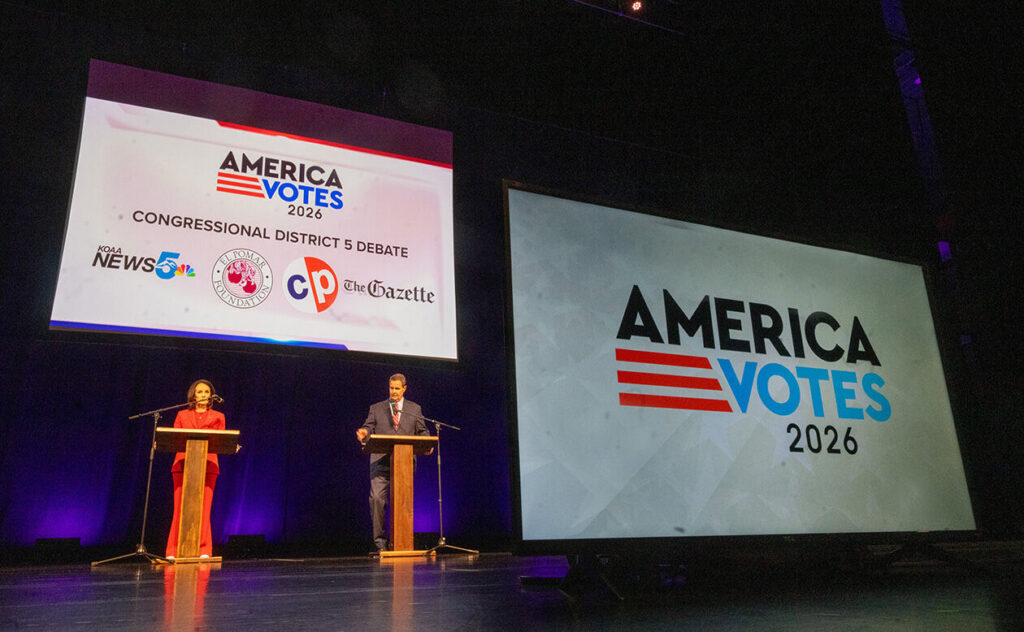
Republican U.S. Rep. Jeff Crank and Democratic challenger Jessica Killin on Thursday night clashed over the war in Iran, the federal budget and healthcare when they took the stage in Colorado Springs for a sold-out debate in the race to...

WATCH: Colorado gubernatorial candidates Phil Weiser, Greg Lopez face off Thursday in televised debate
Ernest Luning
ernest.luning@coloradopolitics.com
Updated 5 hours ago
Two of the candidates for governor of Colorado are set to square off in a televised debate for the first time Thursday night, when Attorney General Phil Weiser, the Democratic nominee, and former U.S. Rep. Greg Lopez, an unaffiliated candidate,...
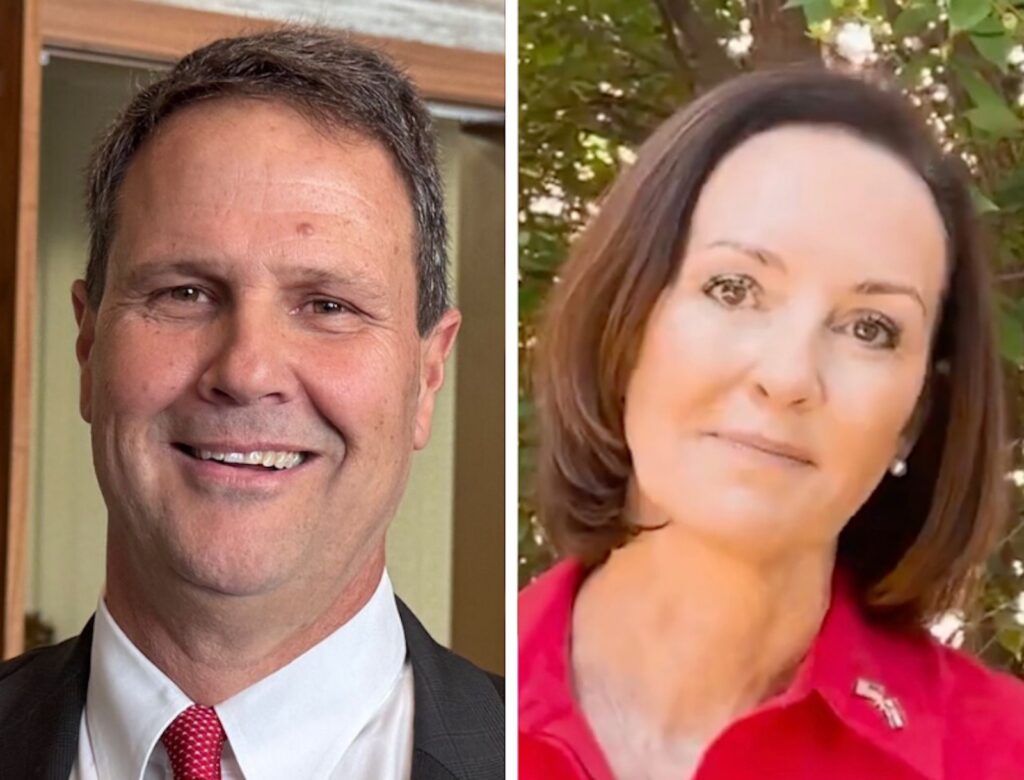
WATCH: Republican US Rep. Jeff Crank, Democratic challenger Jessica Killin debate in Colorado’s 5th CD
Ernest Luning
ernest.luning@coloradopolitics.com
Updated 6 hours ago
Republican U.S. Rep. Jeff Crank and Jessica Killin, his Democratic challenger, are scheduled to meet for a televised debate in the race to represent Colorado’s 5th Congressional District on Thursday night. The candidates are set to take the stage at...
Colorado officials warn of e-bike safety amid increase in serious youth injuries
Matt Kyle
matt.kyle@denvergazette.com
Updated 2 hours ago
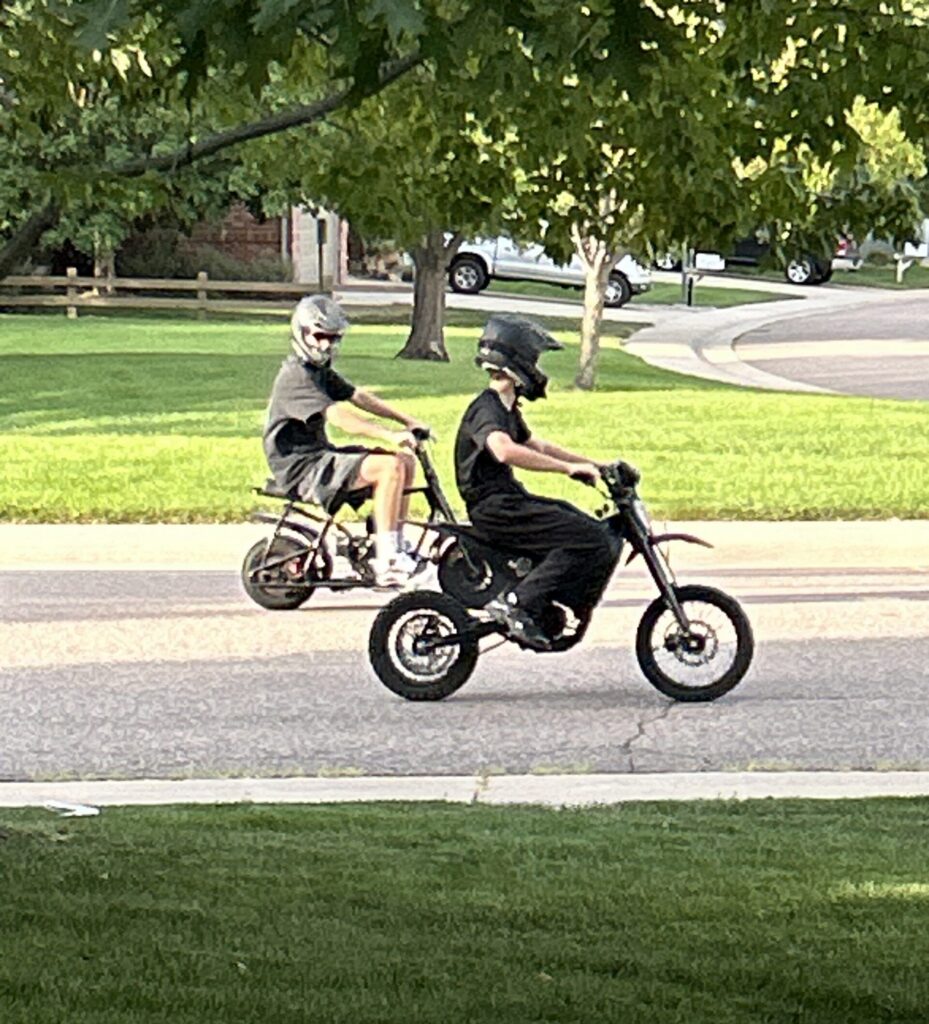
Serious injuries involving e-bikes, e-scooters and children have risen significantly in Colorado over the past year and a half. Traumatic injuries involving e-bikes have risen 184%, according to Alicia Melven, Colorado injury prevention and outreach specialist for Children’s Hospital Colorado’s...
Colorado State Fair youth golf tournament celebrates 11 years
Marianne Goodland
marianne.goodland@coloradopolitics.com
Updated 9 hours ago
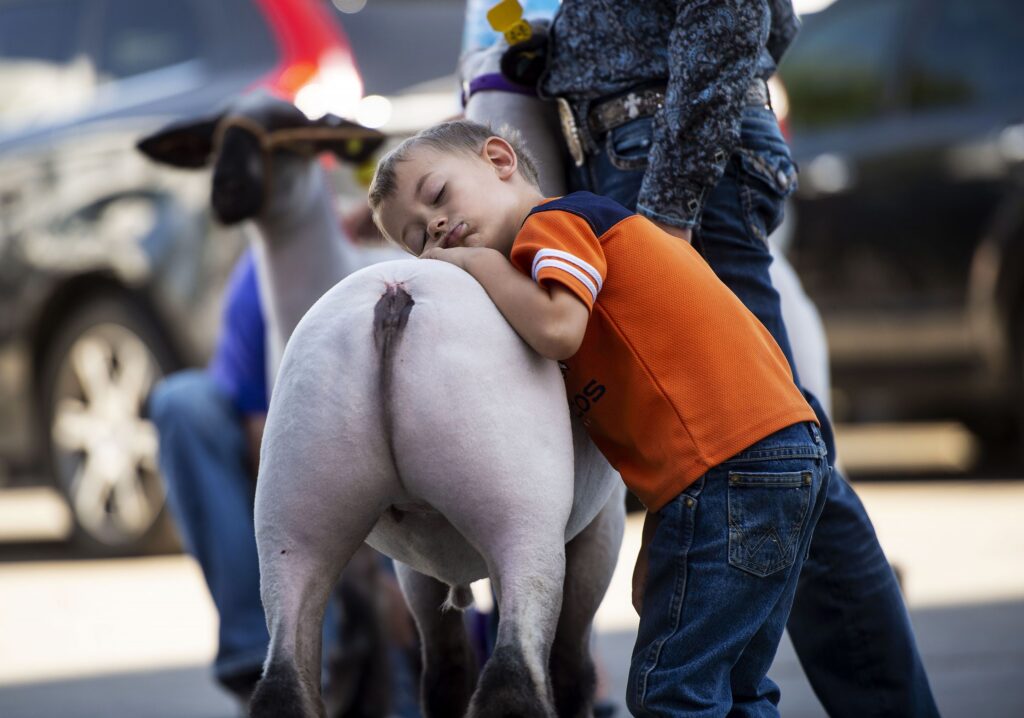
Twenty-eight teams tee off Friday at Walking Stick Golf Course in Pueblo for a tournament supporting 4-H, Future Farmers of America and capital improvements at the Colorado State Fair. Now in its 11th year, the Partners of Youth in Ag...

Controversial two-bag furbearer limit heads to CPW meeting under legal threat
Marianne Goodland
marianne.goodland@coloradopolitics.com
Updated 9 hours ago
Next week’s Colorado Parks and Wildlife Commission meeting in La Junta is likely to open under the cloud of threatened legal action. Safari Club International and the Sportsmen’s Alliance Foundation warned the commission this month that its July vote imposing...
Democratic-aligned poll shows big majority of swing-seat voters support routine childhood vaccines
Ernest Luning
ernest.luning@coloradopolitics.com
Updated 11 hours ago
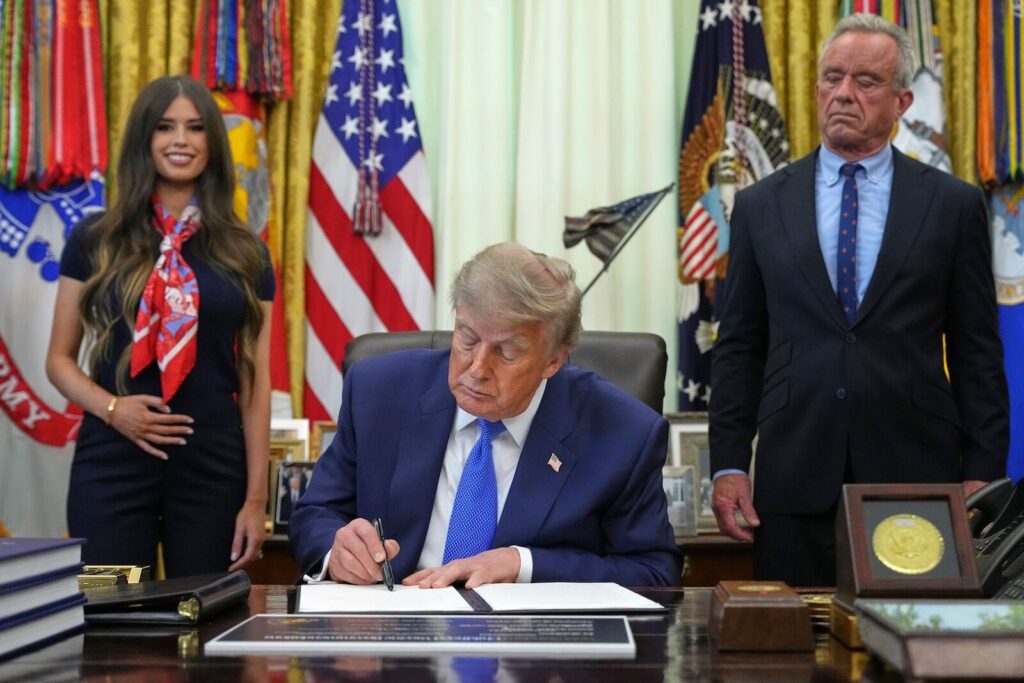
A new poll conducted by Democratic-aligned groups found that voters in competitive U.S. House districts — including a battleground seat in Colorado — support routine childhood vaccinations by a wide margin and oppose a recent order by President Donald Trump...
Some Colorado hunters oppose measure establishing constitutional right to hunt, fish proposal, group says
Marissa Ventrelli
marissa.ventrelli@coloradopolitics.com
Updated 6 hours ago
A group that says it represents hunters and anglers from across Colorado announced its opposition to a ballot measure that would establish the right to hunt and fish in Colorado’s constitution, saying it could result in the overturning of bans...
Coalition drops Colorado transportation ballot measure after securing deal
Marissa Ventrelli
marissa.ventrelli@coloradopolitics.com
Updated 7 hours ago
The proposed constitutional amendment seeking to dedicate all transportation-related revenue to Colorado’s roads and bridges will no longer appear in this November’s ballot after its proponents reached an agreement with lawmakers following months of negotiations. Initiative No. 175, backed by...
PREV
PREVIOUS
Gov. Jared Polis extends state disaster emergency order, among four issued this week
Gov. Jared Polis has issued four executive orders related to the COVID-19 pandemic, including another 30-day extension of the state’s disaster emergency. Polis issued the first disaster emergency order verbally on March 10 and in writing, at the request of lawmakers, on March 11. Saturday’s executive order, D2020 264, extends the disaster declaration for another […]
Legislative leaders talk Sunday about Monday's special session
Colorado’s legislative leaders provided a forecast of fast work and bipartisanship Sunday afternoon for the special legislative session that starts Monday morning in Denver. The purpose is to distribute $280 million, plus sales tax relief for bars and eateries. The relief flows from the slimmed-down state budget the General Assembly passed in June. That budget […]