

COVER STORY | Special session to put $220 million into COVID-19 relief

The stimulus headed to lawmakers during the upcoming special session is a subset of the $1.3 billion stimulus package included in Gov. Jared Polis’ proposed 2021-22 budget.
The pieces include tax relief for restaurants and bars hit hard by COVID-19 capacity limits. A second piece will deal with child care; a third is rental assistance that will go to both tenants and landlords. A fourth piece, about $20 million, will help K-12 students with Internet access, to include mobile hot spots. Additional items, based on his Nov. 19 executive order for the special session, include food and utility assistance and more funding for the state’s Disaster Emergency Fund.
“Extraordinary times call for extraordinary action,” the governor said. The legislation in the special session will help Colorado families and businesses bridge the months ahead until the vaccines are ready for distribution, he added.
Colorado’s recovery could hinge on the next few months, and targeting relief now will have the greatest effect, Garnett said. Speaker of the House-elect Alec Garnett, a Denver Democrat, addressed the “why now?” question, given that the 2021 session of the General Assembly is just two months away.
“January will be too late” for many small businesses, restaurants and bars, and for Coloradans on the brink of eviction and foreclosure, and echoing a refrain heard from legislators and the governor, “we cannot wait for Congress to act,” Garnett said.
The special session legislation will be paid for with better-than-expected revenues reported in the September revenue forecast.
Sen. Chris Hansen, a Denver Democrat who sits on the Joint Budget Committee (JBC), told Colorado Politics before the Nov. 17 news conference that the governor’s proposal is a way to help businesses and families get through the winter. Hansen said the focus will be on how quickly that money can get into the hands of those who need it most.
“That’s the top of our minds as we consider different stimulus” proposals, Hansen said. “We can’t start new programs or build something from scratch. It has to be something already in motion, and that will certainly come out in the final proposals.”
The package, and the special session to pass it, also satisfies calls by lawmakers for more transparency in how money tied to the pandemic is being spent, according to Republican Sen. Bob Rankin of Carbondale, the JBC’s senior member. Rankin pointed out that the minority party has asked for transparency and legislative involvement in the spending of relief funds, and that the special session satisfies that request.
Rankin, however, believes that it might not be clear what money is available to pay for the special session stimulus legislation until the December revenue forecast comes out, due around Dec. 20.

Federal judge hears arguments about Colorado’s 3-day gun purchase waiting period
Michael Karlik
michael.karlik@coloradopolitics.com
Updated 8 hours ago
A federal judge heard arguments on Monday about the constitutionality of a 2023 Colorado law that generally imposes a three-day waiting period on firearm purchases after the initiation of a background check. The test that the U.S. Supreme Court created...
U.S. Supreme Court clears way for Trump mail voting order in advance of midterms
Wire Services
wire-services@coloradopolitics.com
Updated 12 hours ago
WASHINGTON • The U.S. Supreme Court on Monday cleared the way for President Donald Trump to move ahead with an executive order that seeks to restrict the mailing of ballots to American citizens in an eligible voters list. The executive...
Colorado Supreme Court intervenes in Weld County prosecution dismissed due to Missy Woods misconduct
Michael Karlik
michael.karlik@coloradopolitics.com
Updated 12 hours ago
The Colorado Supreme Court ordered a Weld County trial judge last week to respond to the district attorney’s claim that he improperly dismissed a criminal case because of “outrageous” conduct by the Colorado Bureau of Investigation. Daniel Lee Eatinger stood...

Trump opens ‘economic D-Day’ offensive against Iran as war nears six-month mark
Christian Datoc
christian-datoc@coloradopolitics.com
Updated 17 hours ago
President Donald Trump is seeking to increase the financial pressure on Iran with new secondary sanctions on nations and foreign actors propping up the regime’s economy as the war between the United States and Tehran nears the six-month mark. Treasury...
Trump announces 50% tariffs on Canadian cars, auto parts, and steel
Naomi Lim
naomi-lim@coloradopolitics.com
Updated 17 hours ago
President Donald Trump escalated the trade war with Canada after talks collapsed last week, announcing Monday that the United States would impose 50% tariffs on cars, trucks, automotive components, and steel starting Jan. 1, 2027. “Canada has been ripping off...
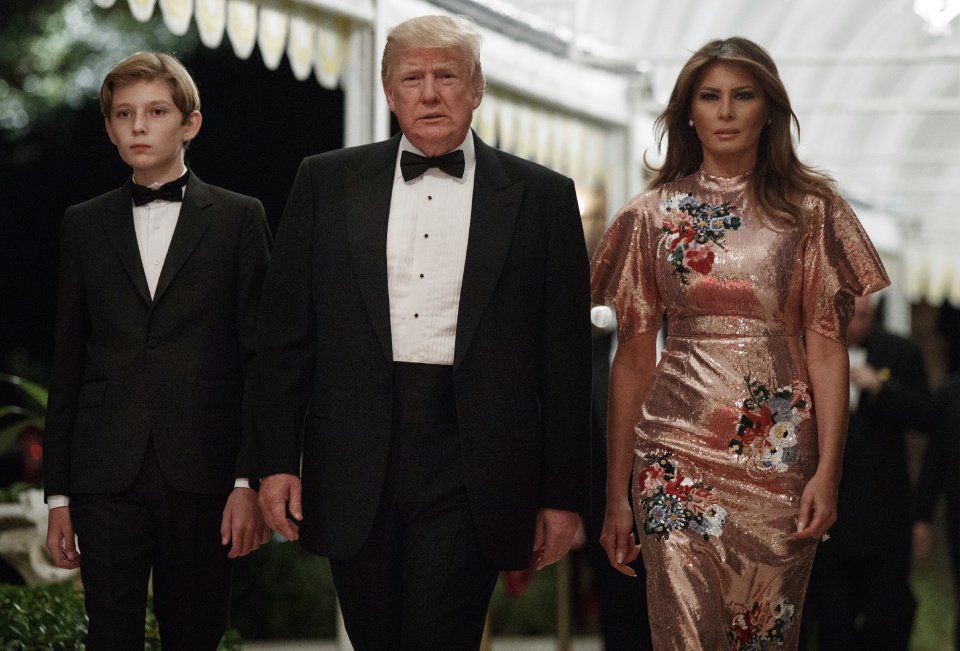
Iran puts out propaganda video tracking Barron Trump’s location, offering $10 million for his assassination
Timothy Nerozzi
timothy-nerozzi@coloradopolitics.com
Updated 18 hours ago
The Islamic Revolutionary Guard Corps is putting a hit out on President Donald Trump’s son, Barron Trump, with an inflammatory video claiming to track his location. State-run television in Iran is broadcasting a propaganda video claiming to show the locations...
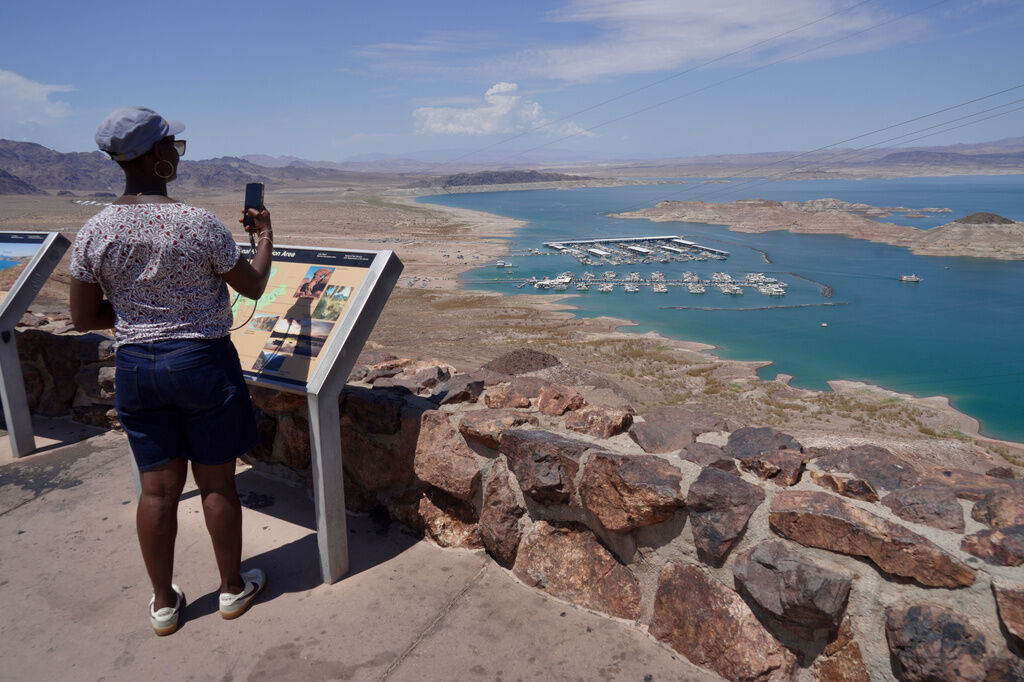
Nevada sues Trump administration over Colorado River cuts
Marianne Goodland
marianne.goodland@coloradopolitics.com
Updated 10 hours ago
On Monday, the state of Nevada filed a lawsuit against the Trump administration and Interior Secretary Doug Burgum, seeking to block the Colorado River management plan. On Friday, Burgum released a “record of decision” that would reduce water allocations to...

Healthcare Freefall: Longer drives, fewer options for maternity care in Colorado
Thelma Grimes
thelma.grimes@coloradopolitics.com
Updated 21 hours ago
Editor’s Note: Colorado’s healthcare system is entering a period of accelerating instability — a “tsunami,” as multiple leaders describe it — driven by collapsing hospital finances, shrinking Medicaid reimbursements, disappearing services and a political fight over who is responsible for...
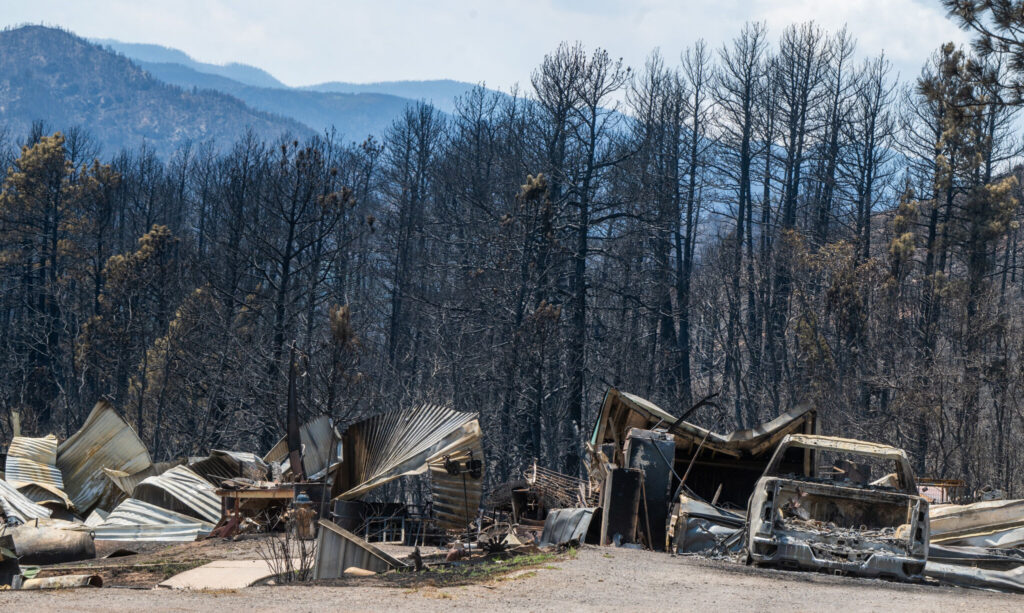
Polis requests federal disaster declaration for Colorado wildfires and floods
9News
9news@coloradopolitics.com
Updated 14 hours ago
On Sunday, Gov. Jared Polis officially requested a Major Disaster Declaration from President Donald Trump and the Federal Emergency Management Agency to support recovery from two wildfires and the subsequent flooding and debris flows on both burn scars. Polis requested a declaration...
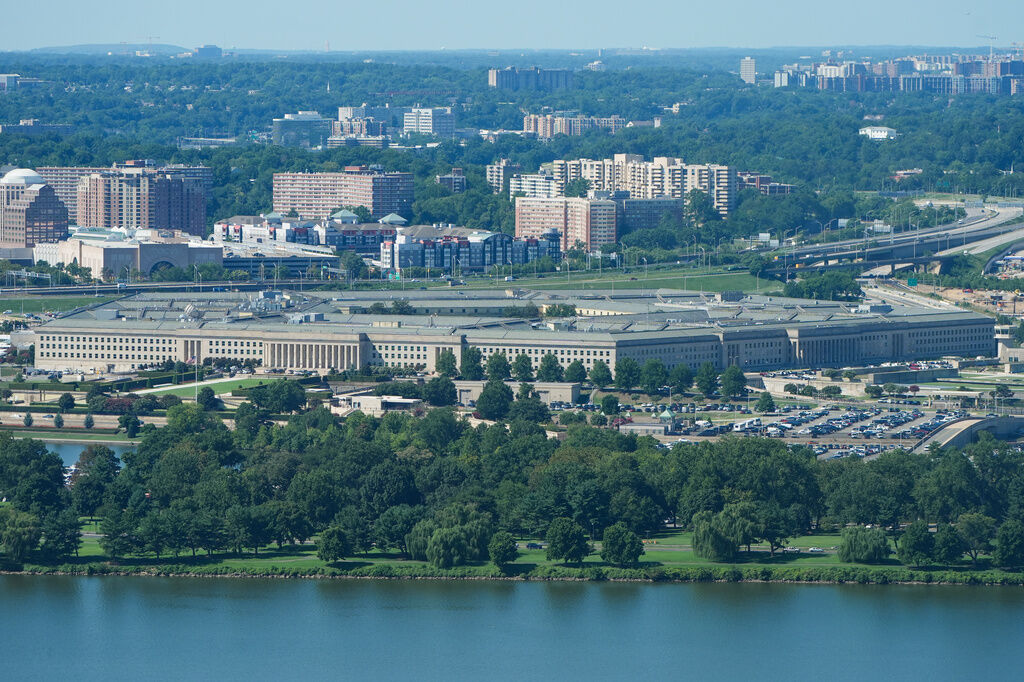
US strikes another boat in eastern Pacific, killing two, Pentagon says
The Associated Press
the-associated-press@coloradopolitics.com
Updated 21 hours ago
U.S. forces have struck another vessel in the eastern Pacific, killing two people the Pentagon says were trafficking drugs. The U.S. Southern Command announced the strike in a social media post early Monday. The death toll from the Trump administration’s...
PREV
PREVIOUS

People proving the weakest link for COVID tracking apps
The app builders had planned for pranksters, ensuring that only people with verified COVID-19 cases could trigger an alert. They’d planned for heavy criticism about privacy, in many cases making the features as bare-bones as possible. But, as more states roll out smartphone contact-tracing technology, other challenges are emerging. Namely, human nature. The problem starts […]

COVER STORY | The stimulus: What's in it for stakeholders
Small businesses The biggest ticket item in the upcoming special session is likely to be stimulus aid to restaurants, hit hardest by capacity limitations and restricted hours. Possibly up to $100 million would be put into a three-part stimulus to help those small businesses survive the pandemic and the winter ahead. Those three parts: Restaurants […]