

State evaluating results of Mines study on PFAS-contaminated water
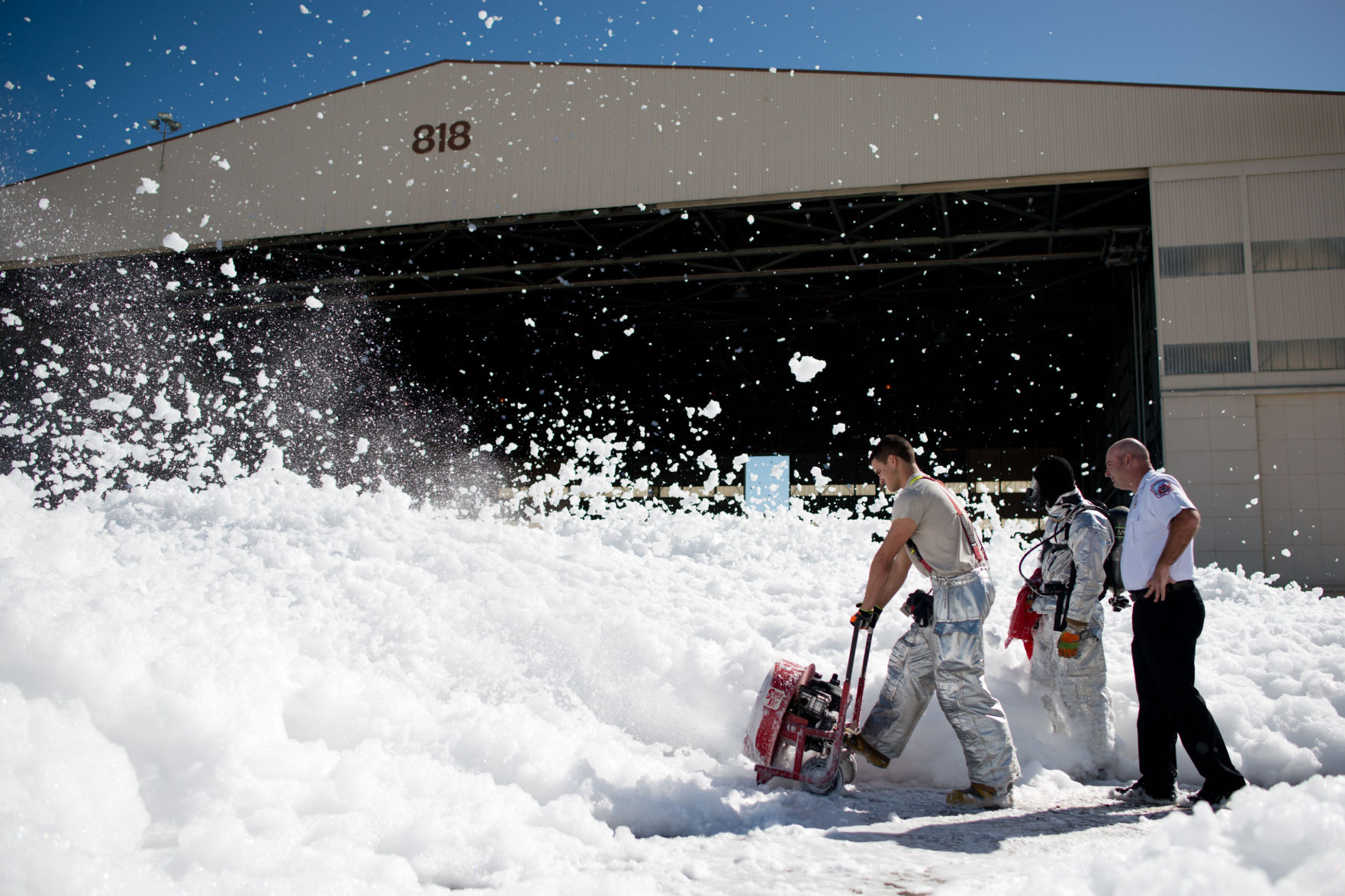
The state’s departments of public health and agriculture are examining a recent study from the Colorado School of Mines that models the hazards of eating food irrigated with PFAS-contaminated water.
“These chemicals are present throughout our environment,” said Kristy Richardson, state toxicologist at the Colorado Department of Public Health and Environment. “Colorado is committed to using the best available science to continually refine our recommendations. A key priority is to reduce exposure to these chemicals wherever they occur.”
The study into PFAS chemicals – which is short for per- and polyfluoroalkyl substances – determined that lettuce crops irrigated with contaminated water resulted in toxic exposure to humans. The data stemmed from simulations, however, rather than measurements from actual farms.
PFAS are found in consumer products and firefighting foams. The General Assembly passed a law this year to start the regulatory process for the capture and disposal of PFAS-containing foams. Among the health effects correlated with PFAS exposure are liver damage, increased risk of cancer and a decrease in the body’s response to vaccines.
CDPHE and the Colorado Department of Agriculture said in a statement they would “evaluate next best steps to ensure that produce in Colorado is not irrigated with water containing high levels of these chemicals.”
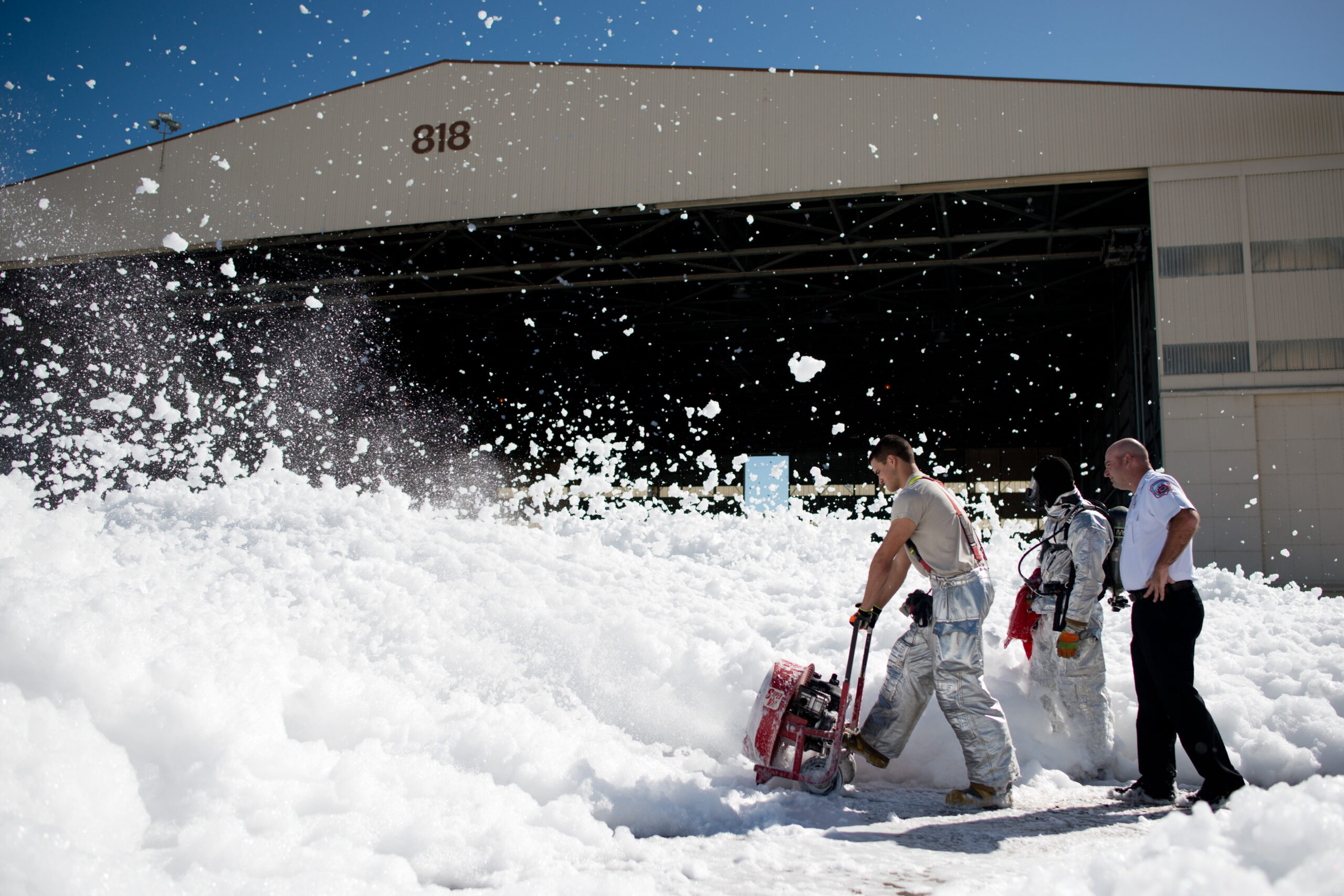


Bennet, Hickenlooper to vote against Trump’s 10th Circuit nominee from Colorado
Michael Karlik
michael.karlik@coloradopolitics.com
Updated 9 hours ago
Colorado’s two Democratic senators will not vote to confirm President Donald Trump’s nominee to a vacancy on the Denver-based federal appeals court. Trump has selected U.S. District Court Chief Judge Daniel D. Domenico, who he appointed as a federal trial...
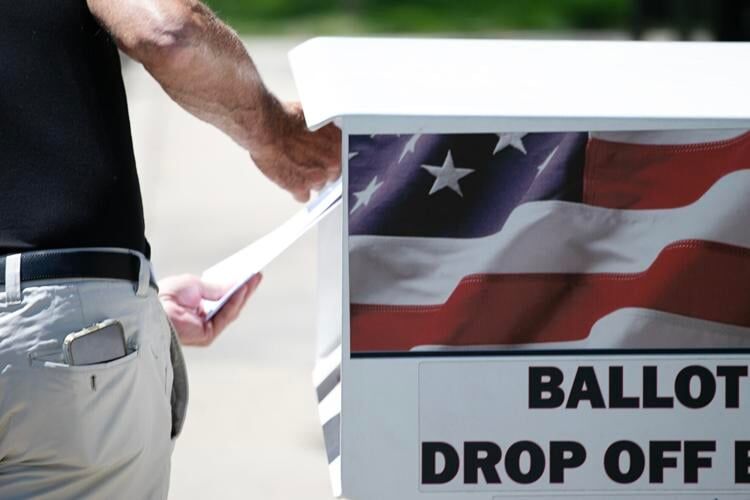
Who’s spending in Colorado to get your vote?
Marianne Goodland
marianne.goodland@coloradopolitics.com
Updated 6 hours ago
Groups that raise unlimited amounts of money have spent about $20 million in May and June to try and influence Colorado voters’ choices in the upcoming June 30 primaries. By law, these groups cannot coordinate with the candidates they support....

U.S. government declines to oppose multiple challenges to immigration detention in Colorado
Michael Karlik
michael.karlik@coloradopolitics.com
Updated 9 hours ago
Multiple federal judges in Colorado granted petitions from people challenging the lawfulness of their immigration detention this week after the government took the unusual step of declining to submit arguments in opposition. Colorado’s federal trial court is facing a flood of...

Tina Peters tells supporters to ‘stand up and fight back’ at Castle Rock event
Marissa Ventrelli
marissa.ventrelli@coloradopolitics.com
Updated 8 hours ago
Tina Peters, the former Mesa County clerk recently released from prison, warned supporters that what happened to her could happen to them, too, if they did not “stand up and fight back” at an event at the Douglas County Fairgrounds....

Iran strikes cargo ship in Strait of Hormuz, endangering Trump’s peace
Christian Datoc
christian-datoc@coloradopolitics.com
Updated 15 hours ago
Iran attacked a cargo ship traveling through the Strait of Hormuz on Thursday, possibly upending President Donald Trump‘s diplomatic end to the war with Iran. A U.S. official confirmed to the Washington Examiner that the Islamic Revolutionary Guard Corps “struck...

Senate GOP tries to mend fences with Trump after heated lunch
David Sivak
david-sivak@coloradopolitics.com
Updated 12 hours ago
Senate Republicans are trying to turn the page on a heated lunch with President Donald Trump that brought weeks of tensions to a new high-water mark. In a symbolic gesture, Senate Republicans took another vote on the Iran war Wednesday...
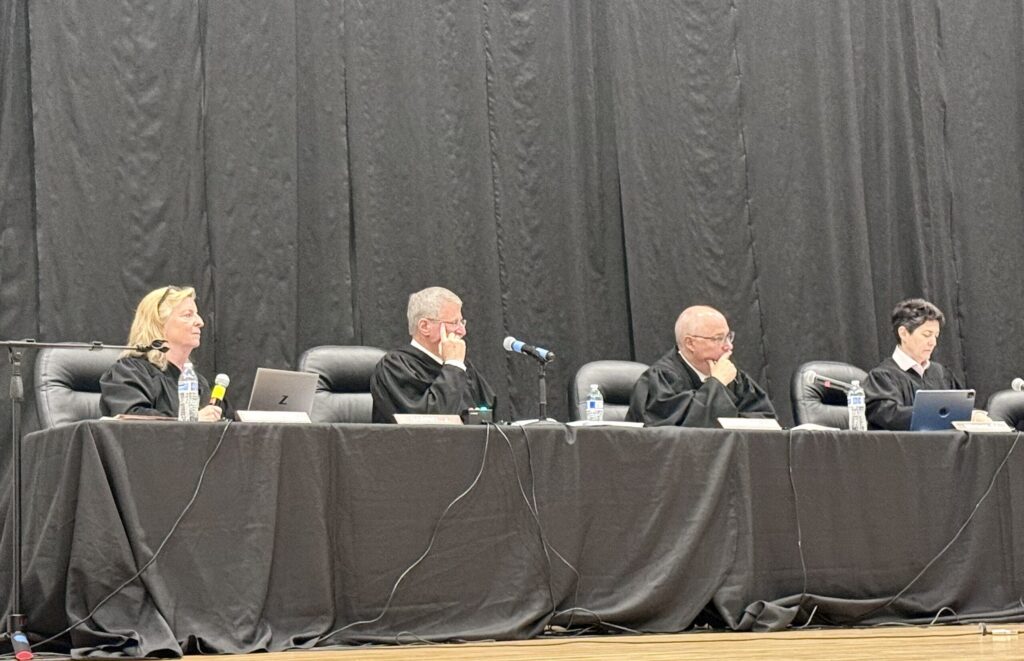
Colorado justices discuss solution to confusion from prior criminal ruling
Michael Karlik
michael.karlik@coloradopolitics.com
Updated 7 hours ago
The Colorado Supreme Court pondered the fallout on Tuesday from its nearly six-year-old decision interpreting the state’s impaired driving laws, with the justices now addressing how defendants affected by the legal change must seek postconviction relief. In contrast to other...

Colorado to participate in Great American State Fair in Washington
Marissa Ventrelli
marissa.ventrelli@coloradopolitics.com
Updated 12 hours ago
Visitors to Washington, D.C. for the country’s 250th anniversary will have the opportunity to learn about Colorado’s natural beauty and culture during the Great American State Fair, a World’s Fair-style event that opened Thursday at the National Mall. While all...

RTD to reconsider service priorities as cuts, budget deficit loom
Michael Braithwaite
michael.braithwaite@gazette.com
Updated 17 hours ago
Should the Regional Transportation District aim to maximize ridership or system coverage? That question sat at the heart of the RTD Board of Directors’ first Comprehensive Operations Analysis briefing on Thursday afternoon. With the Denver transit agency facing a budget...

Mobolade, Colorado Springs leaders say election date lawsuit is attack on local voters
Brennen Kauffman
brennen.kauffman@gazette.com
Updated 15 hours ago
Mayor Yemi Mobolade and other city leaders will fight to keep Colorado Springs elections in April in the face of a new lawsuit. Mobolade, the mayor’s Chief of Staff Wayne Williams and City Councilmember Roland Rainey addressed the lawsuit in...
PREV
PREVIOUS

State Rep. Meg Froelich tests positive for COVID-19
Update: Colorado Politics has just learned that state Sen. Chris Hansen, a Denver Democrat, also tested positive for COVID-19 on Oct. 3, which he did not publicly disclose until today. He said he experienced mild symptoms. Colorado state Rep. Meg Froelich, a Greenwood Village Democrat, announced via Twitter Wednesday that she has tested positive for […]

Colorado’s regular unemployment claims break 9,000 for first time since July
Initial regular unemployment claims in Colorado hit 9,171 for the week ending Nov. 14 – the highest number since July 11, according to data released Thursday by the Colorado Department of Labor and Employment. This is the fourth week in a row that initial claims have increased. Colorado’s pandemic unemployment claims highest since June Initial […]