

HUDSON | Averting Colorado’s next fiscal crisis
During the final weeks prior to this year’s election I started to spot petition signature tables touting a second attempt to recall Gov. Polis – usually a card table with a “social-security-eligible” attendant ensconced on a folding chair. I first noticed one across the street from the entrance to the Arvada COSTCO and then another on the sidewalk a few blocks from the senior center in Parker. It wasn’t obvious whether they were staffed by volunteers or paid circulators, although my experience tells me anyone desiring to earn a few extra dollars for each valid signature is far more likely to patrol a location providing a constant stream of pedestrians.
The recall campaign which failed following the 2019 legislative session was largely prompted by grumbling that the governor and compliant Democratic majorities at the Capitol were dragging Colorado into a radical left dystopia. The renewed petition drive appears linked to COVID-19 masking and social distancing edicts. Although the initial recall foundered, Polis critics harbor newfound hopes they can collect sufficient signatures from those who believe their constitutional rights are under assault.
In most circumstances, Colorado’s current governor is instinctively an economic libertarian. Yet he finds himself dispensing unemployment checks from a firehose. The $375 bonus he has managed to squeeze out of state funds is no long-term solution for those who have lost their jobs, but it may help thousands of families pay next month’s rent. It also can serve as a placeholder while we wait on Congress to reach agreement on a federal relief package. The fact that Polis has recommended including a $1.3 billion, state-funded stimulus package in next year’s budget signals his understanding that Colorado’s public health crisis and economic recession are intertwined. We should all be encouraged by that. The governor faces additional challenges that demand our support.
Voters provided him some fiscal breathing room with their repeal of the Gallagher Amendment, but then administered short-term pain by approving a reduction in the state’s flat income tax. This cut provides further evidence that our constitutional thicket leads to perverse outcomes. In anticipation of a graduated income tax proposal that would include a tiny tax cut for those at the bottom of state pay scales, Jon Caldara and his henchmen at the Independence Institute placed a fractionally larger cut on the ballot as a nuisance factor. They collected their signatures by starting before any COVID-19 lockdowns, while the Fair Tax supporters were hamstrung and unable to fill their petitions. Each family of four saves less than a hundred dollars yet the state budget will take a $150 million dollar hit.
Voters also slammed the door shut on the use of TABOR enterprise fees as a dodge against general fund spending limits, although we should never underestimate the ingenuity of fiscal engineers in creating a replacement mechanism. It’s more likely, however, that revenue pressures will compel the JBC to look at residential property taxes as a door they can now kick open, especially when coupled with tax relief for commercial properties. This won’t happen immediately, but it is virtually inevitable. It has taken nearly 30 years to flip the funding ratio in higher education from 80% state appropriations and 20% tuition dollars to the reverse. That’s lousy public policy but there’s no law preventing it.
Unlike viruses, fiscal crises do not arrive without warning. They are predictable. They can be anticipated. As someone wisely observed, debts grow gradually but bankruptcy arrives all at once. As the Colorado economy changed following the Second World War, state budgets became increasingly unmanageable by the early ’60s. The legislature authorized a report on the deficiencies of its Depression-era tax system together with reform recommendations. By way of example today, the sales tax that most local governments rely on was imposed on an 80/20 economy – 80% physical goods and assets, 20% services. Today those proportions have also flipped, yet services continue to slide by untaxed. Sam Mamet, recently retired at the Colorado Municipal League, conducted a futile 20-year campaign to fix this.
Anticipatory democracy can feel like a distraction. Simply keeping the state afloat over the next few sessions will require the full bandwidth of the legislature. If a comprehensive redesign of state revenues is to ever earn voter support, the proposed replacement will require a readily comprehensible rationale. Senate President Leroy Garcia, newly elected House Speaker Alec Garnett and the governor could buy themselves needed time as well as get ahead of a closing fiscal curve by empaneling an updated analysis as their first order of business in January.
For those circulating Polis recall petitions, I have some unsolicited advice for you. Hate is also a virus. Alas, there is no vaccine for hate. You must be the cure. The governor’s plate is full. Let him do the best he can.

Sans seniors, what does Colorado’s uninterested early turnout say about our disengaged electorate? | Paula Noonan
Paula Noonan
paula-noonan@coloradopolitics.com
Updated 11 hours ago
This primary election is poorly attended. Evidence is in the numbers. About 10% of active registered voters are deciding this year’s primaries with seven days to go. If that number triples by June 30, only 30% of voters will decide...

Who gets to decide Colorado’s economic future? | GUEST COLUMN
Colorado Politics
colorado-politics@coloradopolitics.com
Updated 11 hours ago
By Sarah Blackhurst Colorado’s prosperity depends on industries that grow our food, build our future and power our homes. But today, these sectors face an invisible threat from 5,000 miles away: the European Union’s Corporate Sustainability Due Diligence Directive (CS3D)....
We have the chance to change Colorado’s cancer outcomes | PODIUM
Colorado Politics
colorado-politics@coloradopolitics.com
Updated 11 hours ago
By Erika Hanson Brown Colorado ranks among the healthiest states in the nation by nearly every measure. Yet even here — amid the Rocky Mountains and our deeply rooted culture of health and activity — cancer casts a long and...

Colorado has a playbook for youth mental health — our next governor must use it | GUEST COLUMN
Colorado Politics
colorado-politics@coloradopolitics.com
Updated 2 days ago
By Karen Ron-Li Liaw From the rural communities on the western slope to the eastern plains, to the major urban regions on the Front Range, Colorado families are navigating an all-too-familiar crisis: kids are struggling, and Colorado’s mental health system...

Pigs engineered to fight alpha-gal syndrome | Rachel Gabel
Rachel Gabel
rachel-gabel@coloradopolitics.com
Updated 3 days ago
If I were an evil genius trying to hamstring animal agriculture, I would create a fly that eats livestock alive and a tick whose bite and spit causes some people to have an allergic reaction to meat. (Insert evil laugh...
Registered voters on the eve of the 2026 primaries | Cronin & Loevy
Tom Cronin Bob Loevy
tom-cronin-bob-loevy@coloradopolitics.com
Updated 5 days ago
The Colorado Secretary of State’s Office has published the latest voter registration figures for the state and its counties as of June. Colorado ranks among the highest states for independent, or unaffiliated, voters. Only Alaska and Massachusetts have more. New Hampshire, New Jersey, Maine and Oregon also rank highly. So here...

A room for Sundance, a reality check for big-government Boulder | Jon Caldara
Jon Caldara
jon-caldara@coloradopolitics.com
Updated 6 days ago
There are few things more satisfying to watch than socialists getting mugged by reality. The Sundance Film Festival is invading my hometown of Boulder early next year. Sundance drew 85,000 attendees last year in Park City, Utah. Boulder’s hotel room...
Rep. Jeff Crank thinks Democrats are too focused on Trump, not enough on Colorado Springs | Vince Bzdek
Vince Bzdek
vince.bzdek@gazette.com
Updated 4 days ago
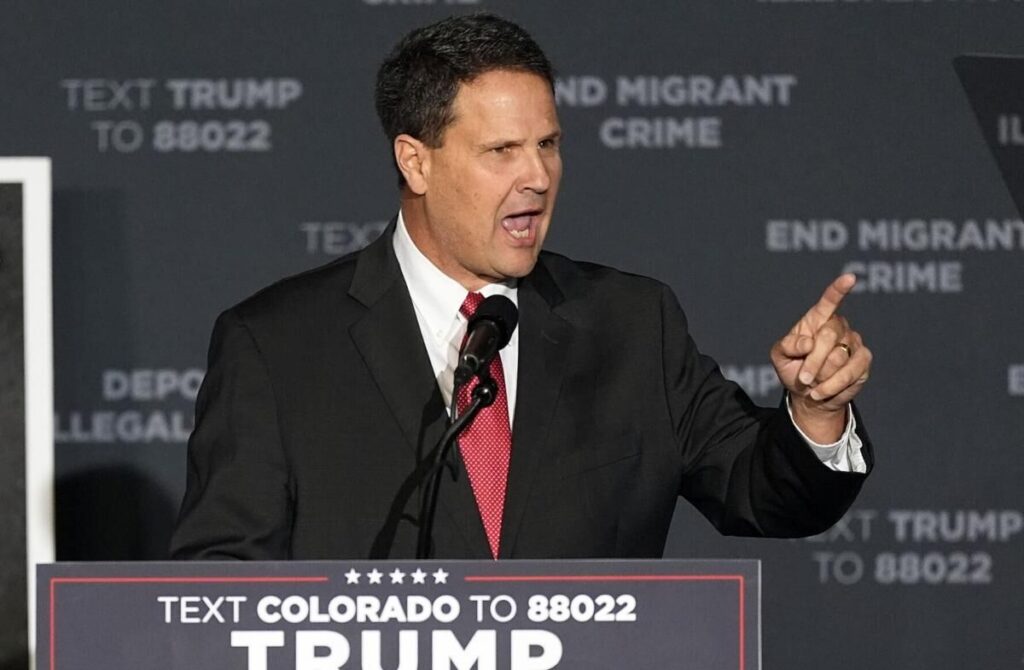
For U.S. Rep. Jeff Crank, who’s unopposed in the Republican primary for the 5th Congressional District but the main target of both candidates in the lively Democratic primary, the big question in the midterms is not who will stand up...
Does character matter anymore? | SONDERMANN
By Eric Sondermann
by-eric-sondermann@coloradopolitics.com
Updated 1 week ago
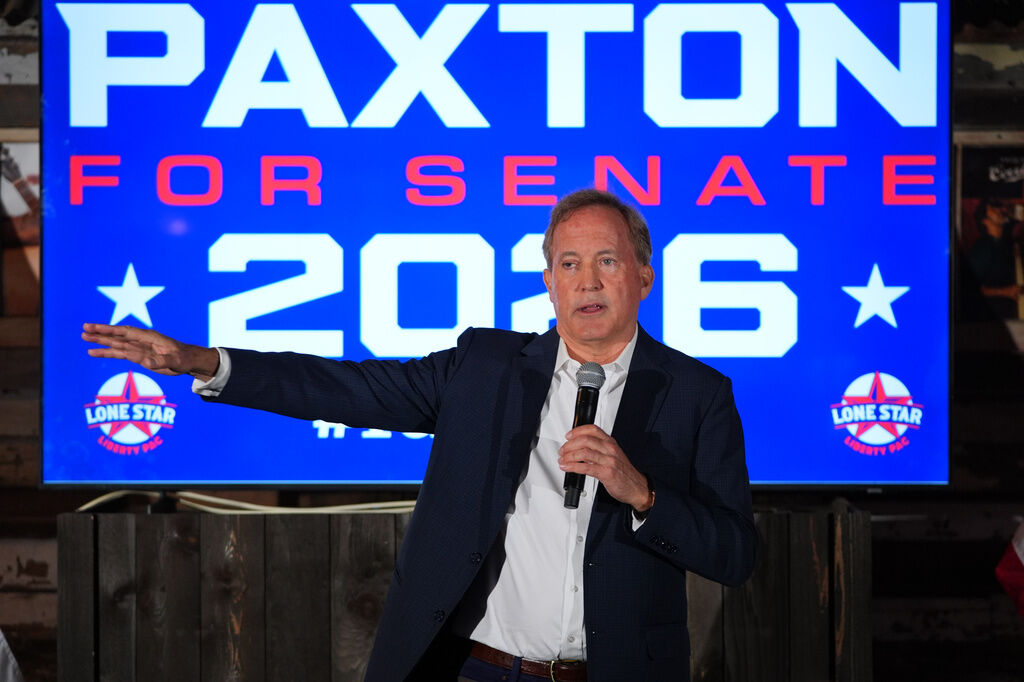
The last few weeks have been illuminating in the manner of a headlamp pointing the way to some deep, dark, murky netherworld. Graham Platner, a hero to the populist set on the Democratic side, became his party’s Senate nominee in...

Private equity has no place in health care | GUEST COLUMN
Colorado Politics
colorado-politics@coloradopolitics.com
Updated 6 days ago
By Miah Ntepp Of all the financial pressures placed on working people in this country, the skyrocketing costs of health care rank near the top. As families struggle under the cuts to Medicaid made by the Trump administration, they are...
PREV
PREVIOUS

CALDARA | Amid Colorado's blue wave — a tax cut
Jon Caldara Last Tuesday Colorado voters went on a leftist rampage. They: ? Trampled Trump by 13 points ? Fired Cory Gardner by 9 points ? Expanded Democratic control in the legislature ? Took Democratic control of the CU Board of Regents for the first time in decades ? Destroyed the same late-term abortion ban […]

BIDLACK | Give 'em Hell, Joe
Hal Bidlack So, I hope my regular readers (both of them) will excuse my writing today’s column to only one person. In this epistle I am penning my remarks with a single reader in mind, President-Elect Joe Biden. I assume Mr. Biden gets most of his thoughtful political input from reading obscure columnists (Ed: hey, […]