

Denver Gazette: 2C + 2D + 2E + 2G = dysfunctional city hall. Vote no
Direct democracy — still used in rural New England towns where every resident gets to vote on the library budget or a new leash law — has a warm-and-fuzzy appeal.
But it couldn’t keep the trains running on time for even an hour in a city the size of Denver. OK, RTD actually runs the trains here — but it’s a useful illustration of the folly behind an attempt by the Denver City Council on the fall ballot to usurp some of the executive branch’s authority at City Hall.
With great power comes great responsibility, as any Spider-Man fan could tell you. And as anyone familiar with the inner-workings of Denver city government could tell you, the council, as structured, isn’t up to the challenge.
That’s neither a dig at any of the council’s 13 members nor a hat tip to the mayor. It’s just the nature of the beast. City Council members are legislators, not administrators. It’s the mayor who is the city’s manager in chief.
It’s why the city’s charter vests in the mayor and cabinet significant decision-making authority over the daily workings of city government.
It’s also why we advocate a “no” vote on Questions 2C, 2D, 2E and 2G on Denver’s local ballot.
This passel of proposals would second-guess some of the executive branch’s wide-ranging authority and shift it to the council. While none of the measures — in all fairness to proponents — come close to town hall democracy, they do nudge the city in that direction. Meaning, they stand to make an already-tense relationship between council and mayor even more dysfunctional.
The measures in theory stand for civic virtues like accountability, checks and balances and so forth — presumably by making the executive branch more answerable to the public via the council. Yet, taken all together, C, D, E and G pose a very different reality: hamstringing the chain of command; miring the council in even lengthier debates and ever-nastier spats with the mayor; derailing mayoral initiatives with overlapping political agendas, and slowing day-to-day business at City Hall to a near standstill.
More specifically:
2C would grant the council the authority to hire professional services, including legal counsel, without getting a green light from the executive branch. The premise is to let the council scrutinize big executive branch projects that can lead to cost overruns and sometimes even run aground. Yet, rather than erect guardrails around such large expenditures, 2C is more likely to open a Pandora’s box. If an executive branch agency hires a contractor a council member doesn’t like? Or, proceeds with a project when some council members preferred another? The council can hire its own lawyer to bring things to a grinding halt.
2D would create an advisory board for the city-run Department of Transportation and Infrastructure, established by voters last year. The new board would provide advice to the transportation director and review the proposed annual budget. A shadow bureaucracy to hover over another bureaucracy?
2E, the most prominent, probably most controversial and arguably most problematic of the four initiatives, would give council members a vote on — and veto power over — 11 mayoral cabinet appointees, plus the sheriff, and fire and police chiefs. Imagine a football game in which the home team’s fans got to reshuffle the coach’s starting roster. What’s more, recruiting the mayor’s top picks can be an epic undertaking in its own right, even without the council’s involvement. Appointees often are already distinguished officials in other cities or other industries and are hired through a protracted process. Now, interject into that process a knock-down-drag-out council session worthy of a Supreme Court confirmation hearing before the U.S. Senate. What senior-level job seeker would put himself or herself through that wringer? And let’s face it: Some members on any given council are likely to block a mayoral pick no matter who is nominated.
2G would give council members the authority to change the city’s budget mid-year. At present, the city charter won’t let the Denver City Council initiate a spending proposal if an urgent need arises. If the mayor doesn’t agree that the spending proposal is urgent or approve of the proposed approach, the matter has to hold until the next budget. The council finds that problematic, but is it? If the duly elected mayor of the whole city doesn’t think something is pressing enough to supersede the budget cycle, why should the council get to open the checkbook without a check or balance?
All of these ideas swim upstream amid a resurgence of “strong mayor” municipal government in Colorado. Denver has had one for a long time, and in the past decade, both Colorado Springs and Pueblo have followed suit. Voters in those cities had grown weary of City Council factionalism and intrigue — and of no one stopping the buck and getting things done.
Most executive decisions do not warrant a popular vote — or even one by the council. That’s the mayor’s job. If the voters don’t like his decisions, well, that’s why we have elections and term limits. Meanwhile, let him lead.


Colorado lawmakers eye 5% fee on online gaming ‘skins,’ other game features
Marissa Ventrelli
marissa.ventrelli@coloradopolitics.com
Updated 3 hours ago
Colorado lawmakers are seeking to impose a new fee on online game purchases, in particular targeting “add-on transactions,” referring to features or enhancements that players can buy. Sponsors said they want to earmark the new revenue toward youth mental health...

TABOR showdown: Senate moves bill forward, Advance Colorado prepares for legal action
Marianne Goodland
marianne.goodland@coloradopolitics.com
Updated 4 hours ago
Despite objections from legislative staff and Republican opposition, Senate Democrats on Friday moved forward with a proposal to reroute $306 million in taxpayer refunds. Already, critics are preparing to sue over the proposal that seeks to take $300 million in Taxpayer’s...

Colorado governor signs $47 billion budget in which ‘nobody won’
Marianne Goodland
marianne.goodland@coloradopolitics.com
Updated 4 hours ago
Gov. Jared Polis on Friday officially signed a $46.87 billion spending plan for the Colorado state government in the next fiscal year. His signature is the culmination of months of work by legislators, who resorted to cuts, transfers and other...

Latest Pinnacol proposal shifts sponsors, cuts state benefits and triggers union standoff
Marianne Goodland
marianne.goodland@coloradopolitics.com
Updated 8 hours ago
Colorado’s long‑running bid to let Pinnacol Assurance break away from state control is suddenly in jeopardy, as a newly revised bill — stripped of the payouts and structural changes once central to the deal — has triggered fresh tensions among...
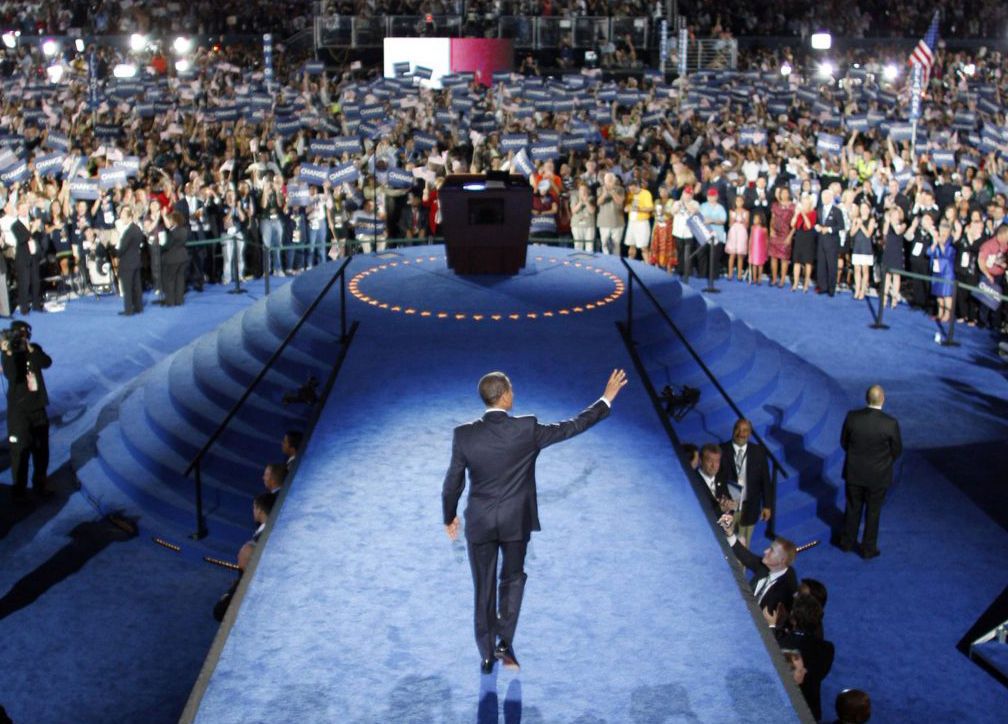
Denver could be back in DNC spotlight 20 years later
Deborah Grigsby
deborah.smith@denvergazette.com
Updated 9 hours ago
It’s been nearly two decades since Denver shared the spotlight as host to the 2008 Democratic National Convention — and a lot has happened in the city since then. But not major party conventions. In fact, before 2008, Denver hadn’t...

Bill permitting lawsuits against ICE agents reaches Gov. Jared Polis’ desk
Marissa Ventrelli
marissa.ventrelli@coloradopolitics.com
Updated 4 hours ago
Colorado lawmakers advanced two high‑profile measures Thursday — one seeks to reshape how the state manages its strained prison population and another allows Coloradans to sue federal immigration agents for alleged constitutional violations. The state policymakers sent both bills to...
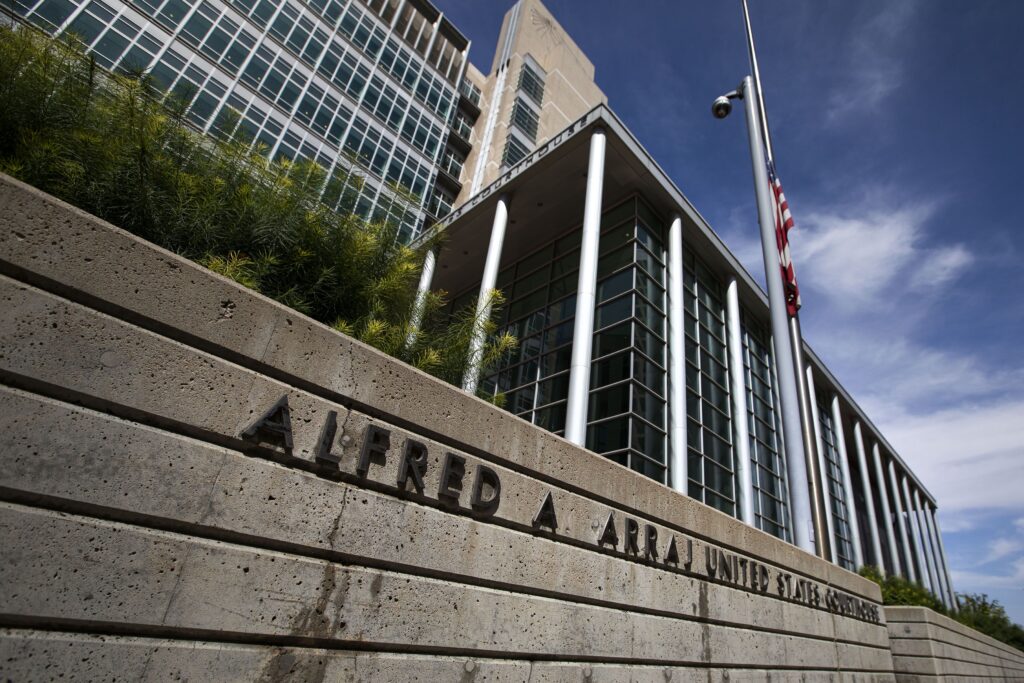
Mike Lindell’s lawyer sanctioned again over flawed case citations
Michael Karlik
michael.karlik@coloradopolitics.com
Updated 10 hours ago
A federal judge financially sanctioned a lawyer for MyPillow CEO Mike Lindell for a second time on Thursday for including a “materially incorrect citation” in a case filing. U.S. District Court Judge Nina Y. Wang imposed a $5,000 fine on...
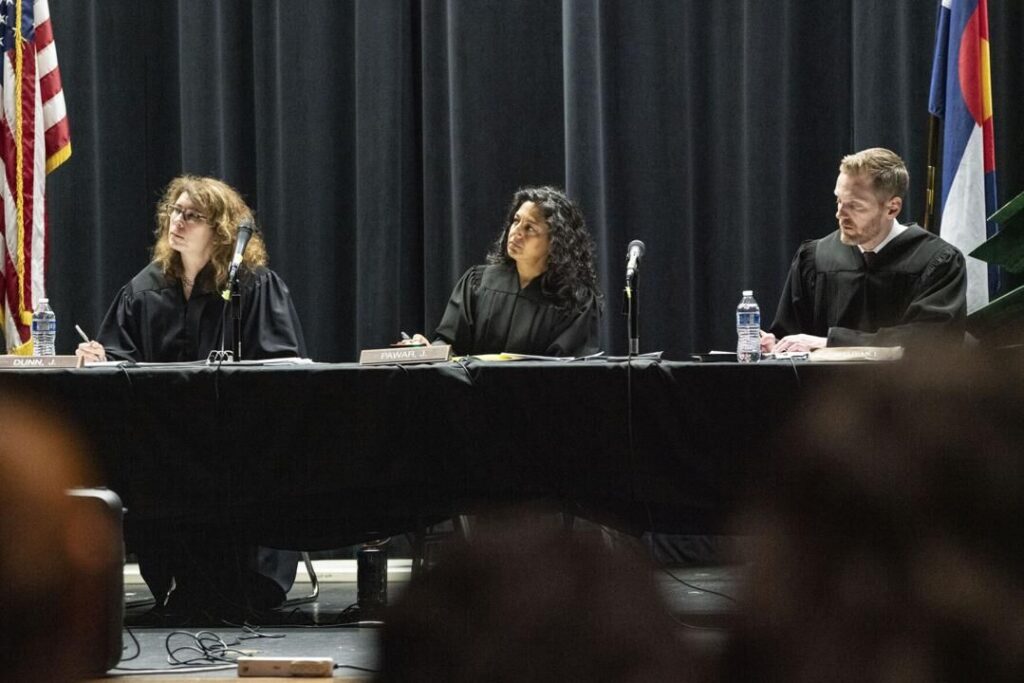
Judge tearing up during victim’s testimony does not warrant new trial, appeals court says
Michael Karlik
michael.karlik@coloradopolitics.com
Updated 11 hours ago
Colorado’s second-highest court concluded on Thursday that an Arapahoe County judge’s visible display of emotion during a child victim’s testimony should not trigger a new trial for the defendant. A three-judge Court of Appeals panel found that defendant Philip Morgan...

Virginia Supreme Court strikes down Democrats’ redistricting plan, dimming party’s midterm hopes
David A. Lieb
david.a..lieb@associatedpress.com
Updated 13 hours ago
The Virginia Supreme Court on Friday struck down a voter-approved Democratic congressional redistricting plan, delivering another major setback to the party in a nationwide battle against Republicans for an edge in this year’s midterm elections. The court ruled that the...

Protecting the integrity of Colorado’s legal profession | GUEST COLUMN
Colorado Politics
colorado-politics@coloradopolitics.com
Updated 13 hours ago
By Jason Wesoky and Loren Furman Private-equity profits should not influence legal decisions between Coloradans and their attorneys. This principle is the driving force behind House Bill 1421, a piece of bipartisan legislation designed to protect Coloradans and maintain trust...