

Reaction to COGCC vote shows almost nobody is happy
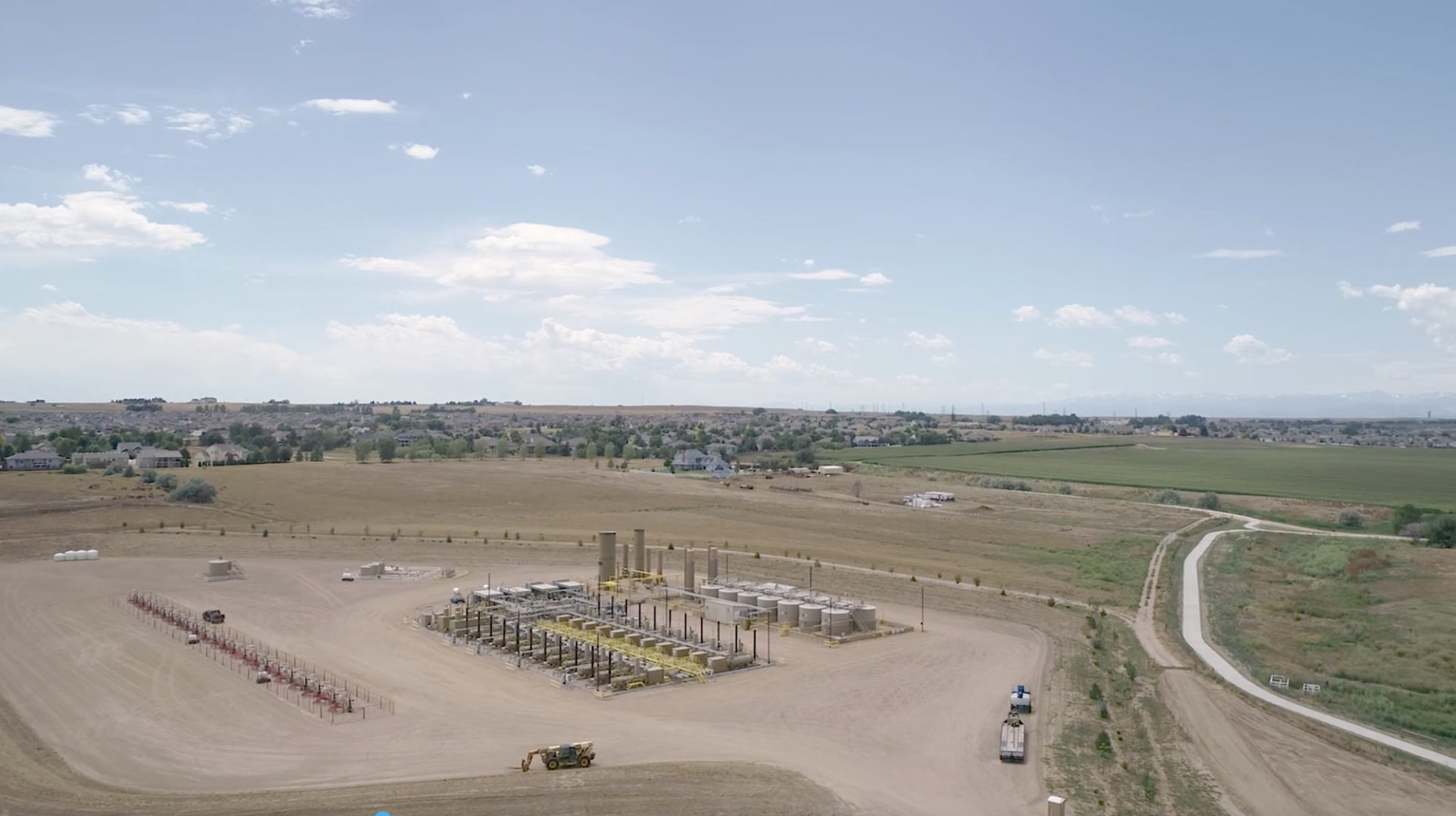
Reaction to the “preliminary, final” vote on setbacks between occupied buildings and oil and gas drilling sites shows that almost nobody — whether those who pushed for a longer setback or those who wanted it shorter — is happy.
The Colorado Oil and Gas Conservation Commission on Monday voted to approve a 2,000-foot setback for drilling and fracking operations, after weeks of testimony from environmental groups, industry representatives and local governments, both those in favor of the longer setback and those who want local governments to have the final say.
A formal, final vote on the setbacks, part of the COGCC’s work to implement Senate Bill 19-181, is expected by Nov. 1.
SB181 rewrote the state’s position on the oil and gas industry, revamping the COGCC from a body that was supposed to foster oil and gas development to one that regulates oil and gas in a manner that protects public health, safety, welfare, wildlife and the environment.
The most controversial of the rules to date have been about the setback requirement, which requires 2,000 feet between an platform and occupied buildings, including homes and schools.
Among those who testified during the last four weeks of hearings: Erin Martinez, whose husband and brother died in the explosion of their Firestone home in 2017. That explosion was caused by methane gas that leaked into the Martinez’s basement from an improperly abandoned flowline owned by Kerr-McGee, a subsidiary of Occidental Petroleum. Last April, the COGCC approved $18 million in fines for the accident.
Through a spokeswoman, Martinez told Colorado Politics that she is “encouraged by the commitment to the 2,000-foot residential setback to ensure public safety. The COGCC should be commended for their thoughtful work in moving to a more balanced future for the oil and gas industry and the health and safety for the people in Colorado. If there had been a 2,000-foot setback, my husband Mark and brother Joey would still be with us. I look forward to continuing to work together to make safety our top priority and honoring the lives of my husband and brother.”
In 2018, voters rejected Proposition 112, which would have put the setback distance at 2,500 feet. That didn’t stop environmental groups from continuing to press the issue during the past month.
Colorado Rising’s Joe Salazar, the main proponent of 112, said Monday that “based on the language all the parties received just moments ago, we are extremely disappointed that the COGCC failed to listen to outdoor industry and environmental groups, including ours, that requested a removal of language allowing the COGCC to reduce setback limits to 500 feet. Frankly, the COGCC has a sordid history of finding ways to accommodate the industry, which is the one of the main reasons why Colorado is in the mess we are in with respect to oil and gas development.
“We also warned the COGCC not to include variance language in its rules. SB 19-181 is abundantly clear that the Commission is to prioritize the public health, safety, welfare, environment, and wildlife resources above oil and gas development. The whole premise of rulemaking is to establish a state floor that protects Coloradans and our environment first. Now, the COGCC wants to dig a basement below its own floor in favor of oil and gas operators through variances. Literally, Colorado courts have noted that variances are basically a license to break the law. SB 19-181 does not give the COGCC the authority to give the industry a license to break the law when protections are set in place. Do not be surprised if the COGCC is receives a legal challenge to its variance language.”
The oil and gas industry wasn’t happy with Monday’s vote, either.
Lynn Granger, executive director of American Petroleum Institute/Colorado told Colorado Politics in a statement that “while we appreciate some changes made as this rulemaking has progressed, we continue to have broad and grave concerns regarding a number of the rules tentatively advanced today. The rules proposed would set a troublesome precedent, giving untethered discretion to the Director and the Commission regarding when a permit will be approved or rejected. This leaves little room for certainty, as it would allow for the rules to be interpreted subjectively. In addition to this concern, we believe the rules lack clarity and consistency under the Administrative Procedure Act, and believe specific provisions, including those concerning standing, fail to comply with the Act.
“We also maintain that there is no scientific basis upon which to effectively quadruple the state’s existing setback regulations, and fear that its implementation will yield an array of unintended consequences. In their deliberations, Commissioners failed to account for the multitude of other regulations being considered, both at the COGCC and the Air Quality Control Commission, that help bolster protections beyond those allegedly implied by setbacks. Just last week, the AQCC passed regulations targeted at reducing emissions specific to the natural gas and oil industry. Those rules will address the primary concerns of last year’s study by the Colorado Department of Public Health and Environment, an analysis that serves as the anchor of many of the duplicative or arbitrary rules under consideration at the COGCC…As an industry, we will continue to prioritize public health, safety, welfare, the environment and wildlife. Nothing in the ongoing regulatory sea change will change that commitment. We will continue to participate in the upcoming rulemakings with those priorities above all else and are confident that other parties will do the same. Data, science and facts must be the primary drivers in any future changes we may see.”
The Colorado Cattlemen’s Association also reacted to the vote. “The professionals at the Oil and Gas Conservation Commission not only overlooked the interests of the landowners and royalty owners, but rushed to close the docket which ensures our concerns will go unaddressed,” said Terry Fankhauser, executive vice president for CCA. “The Colorado Cattlemen’s Association, on behalf of landowners throughout Colorado, calls on Governor Polis to right this wrong and allow for due process and just consideration of our property rights and rural vitality.”
Jason Moore, counsel to the Small Operator’s Society, which represents 55 small oil and gas companies with about 10,000 wells, had this to say: “This is a make it up as you go approach. The Commission has not established an administrative record addressing much less supporting a rational for and consequences of a 2000 foot setback.”

Federal judge dismisses ex-Colorado judicial discipline director’s conspiracy lawsuit
Michael Karlik
michael.karlik@coloradopolitics.com
Updated 11 hours ago
A federal judge dismissed a lawsuit from Colorado’s former judicial discipline director on Tuesday, finding that he failed to adequately state claims for conspiracy or constitutional violations. Christopher S.P. Gregory, who served as the executive director of the Colorado Commission on Judicial...
Federal judge allows retaliation claims to proceed against prison officials
Michael Karlik
michael.karlik@coloradopolitics.com
Updated 9 hours ago
A federal judge agreed last week that a man incarcerated at Sterling Correctional Facility had credibly alleged that employees retaliated against him for filing grievances, including by taking away his disability accommodations and turning off his electricity. Louis Peoples Jr.,...
Treasury releases five-step guidance for employers to make contributions to Trump Accounts
Christian Datoc
christian-datoc@coloradopolitics.com
Updated 15 hours ago
Treasury Secretary Scott Bessent published new guidance Tuesday outlining the specific steps employers must take to contribute to employee Trump Accounts. The accounts, one of the most popular provisions included in President Donald Trump’s One Big Beautiful Bill Act, are...

Denver schools to refinance bonds to create capacity for future borrowing
Nico Brambila
nico.brambila@denvergazette.com
Updated 12 hours ago
Less than two years after voters approved a record $975 million school bond, Denver Public Schools is refinancing older debt — a move district officials say will save taxpayers money while creating capacity for another bond election. The district has...

Russia frees imprisoned US Marine over health concerns
Brady Knox
brady-knox@coloradopolitics.com
Updated 16 hours ago
Russia freed former U.S. Marine Robert Gilman upon the urging of U.S. officials so he could receive medical care in the United States. Gilman, 32, was released after 1,666 days in prison, having been arrested on Jan. 17, 2022. Eric...

Colorado students push AI task force as schools navigate new tech era
Marissa Ventrelli
marissa.ventrelli@coloradopolitics.com
Updated 9 hours ago
A group of students is urging lawmakers to establish a task force on artificial intelligence in education to advise districts on how to ensure that pupils and educators use the technology effectively without becoming overly reliant on it. The students...

Parker data center could get $19M tax rebate from Douglas County
Nicholas Fogleman
nicholas.fogleman@denvergazette.com
Updated 18 hours ago
At a time when Denver and Front Range governments are restricting or banning data center development, Douglas County commissioners are poised to approve a $19.3 million tax rebate agreement Tuesday for a new data center under construction in Parker. The...

Denver City Council rejects contract that would have given video maker 8-year deal
Deborah Grigsby
deborah.smith@denvergazette.com
Updated 21 hours ago
Denver’s Office of Human Resources will have to get creative to attract new city employees and place them in “hard-to-fill” jobs after a proposed five-year contract extension, valued at $600,000, failed to gain favor with the Denver City Council. The...

Denver Mayor Mike Johnston files to run for reelection in 2027
Michael Braithwaite
michael.braithwaite@gazette.com
Updated 21 hours ago
Denver Mayor Mike Johnston officially filed his paperwork Monday to run again for Denver’s mayoral office next year. The filing comes weeks after Johnston confirmed to The Denver Gazette that he would seek reelection as he focuses the final year...

U.S. Rep. Lauren Boebert’s son arrested, faces charges of sexual exploitation of minor
Matt Kyle
matt.kyle@denvergazette.com
Updated 1 day ago
U.S. Rep. Lauren Boebert’s son Tyler Jay Boebert has been arrested and accused of recording and sharing a video depicting himself having intercourse with a minor, according to court records. The case originated in Garfield County in Western Colorado and...
PREV
PREVIOUS

Crow, Tipton sponsor bill on work-study aid for educator residency programs
U.S. Reps. Jason Crow and Scott Tipton have introduced a bill that would include teacher and principal residency programs in the Federal Work-Study program. “The overwhelming success rate of these programs has already helped place quality educators in schools and will continue to be a critical component of bettering the educational opportunities for current and […]
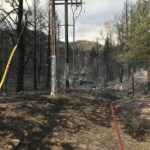
Firefighters achieve more containment of Cameron Peak fire following weekend of high winds
Firefighters gained an advantage Monday to contain more of the Cameron Peak fire in northern Colorado after a weekend growth whipped by high winds. A shift toward cooler weather and calmer winds Sunday and Monday allowed air support to resume firefighting efforts within two northern areas of the now 124,026-acre fire. Firefighters reached 21% containment. […]