

Gov. Jared Polis extends ‘last call for alcohol’ executive order, amends to allow extra hour for restaurants
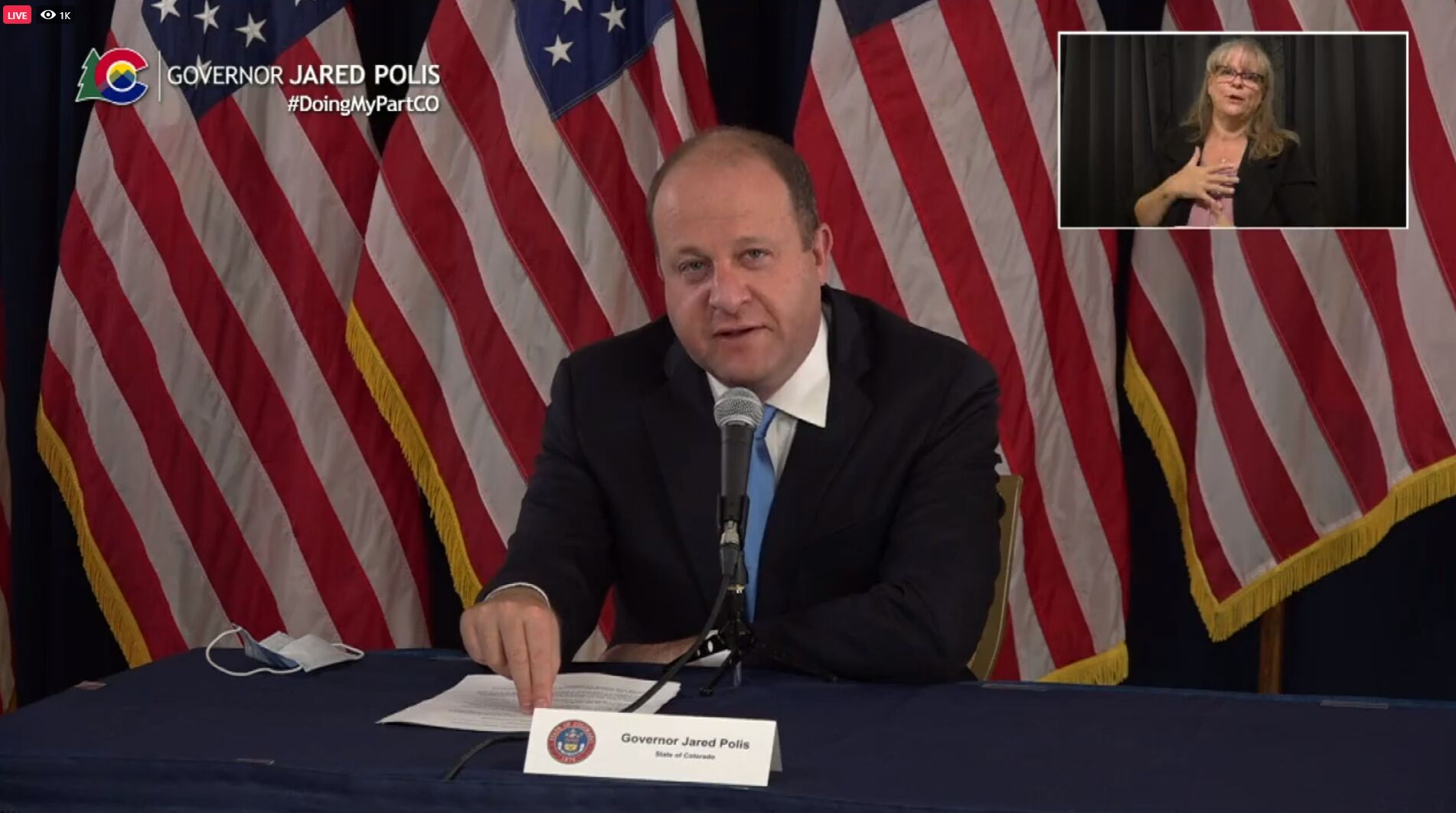
As first reported by Colorado Politics, Gov. Jared Polis Friday extended for another 30 days the July 21 executive order mandating a “last call” for breweries, restaurants and similar establishments.
The order, which goes into effect Saturday, was modified to change “last call” to 11 p.m., an hour later than the previous executive order.
Polis said that if the data continues to show positive trends, within a month he could change it to midnight, which is what restaurant owners are calling for.
The data being used to make decisions about restaurants and bars are “across the board,” including epidemiological data and scientific studies that show how it spreads in different environments, as well as contact tracing and where people have likely contracted the virus.
State epidemiologist Dr. Rachel Herlihy added that there has been a substantial decrease in cases among 20- to 29-year-olds, the age group “we know spends more time in bars and restaurants and later into the evening.”
Chris Fusilier, owner of Blake Street Tavern in Denver and a lead plaintiff in a lawsuit against the state challenging the last call order, said Polis’ change today will not stop efforts to move forward with the lawsuit. The judge in the lawsuit has ordered the two sides to go to mediation, and the plaintiffs are seeking an expedited process, Fusilier. The lawsuit also challenges an order reducing restaurant capacity to 50 people per room; for his business, that’s a maximum of 17% of his total capacity of 900. “I’m fighting for my life” right now, Fusilier, who also is concerned about what happens once the fall and cold weather begin to set in, and they can no longer have patio seating.
The governor also announced a revamping of the Colorado Department of Public Health and Environment’s website on COVID-19 data. Herlihy said the changes consolidate data in one place, and among the most significant changes: “patient-level demographics.”
That’s age, race, sex and ethnicity information, and how it’s changed over the course of the pandemic, she said. That also includes demographic information for hospitalized patients and where they went after discharge, such as going home, a skilled nursing facility or long-term care.
According to Wednesday’s outbreak report from CDPHE, 561 outbreaks (defined as at least two positive cases) have been reported since the pandemic began.
The revamped data website also shows more visual detail about those outbreaks. “Our goals with this data” is to provide clarity and to show how it’s being interpreted, Herlihy said.
Among the 561 outbreaks, 32 are sit-down restaurants; an additional five are breweries or bars. Half of the restaurant outbreaks are marked as “resolved,” meaning those outbreaks have been investigated and are considered over. Not one lists a customer who said they contracted COVID-19 at a restaurant or bar. The 150 positive or presumed positive cases are all for employees.
The original “last call” order applied to restaurants, bars with food service, breweries and tap houses and liquor stores. However, Polis amended the order on July 23 to allow liquor stores to remain open until midnight. Restaurant owners alleged in the lawsuit that he did so under pressure from industry lobbyists.
The lawsuit, filed by the Tavern League of Colorado, initially sought a temporary restraining order putting the “last call” on hold until a trial could be held. In court documents, the league said the governor’s decisions around limiting customer capacity on June 30 and the “last call” order on July 21 were arbitrary and not based on any scientific data, in contrast to other public health orders that the governor has said rely on science.
In a July 21 news conference, Polis claimed, without citing proof, that young people ages 20-29 go to bars and restaurants, get drunk and then abandon masks and social distancing. The “state of inebriation in a public place is inconsistent with social distancing,” Polis said.
Herlihy testified that the state relied on evidence from an outbreak at a bar in Michigan.
On July 30, after a two-day hearing, Denver District Court Judge Brian Whitney denied the restraining order. While calling the selection of 10 p.m. “arbitrary,” Whitney said people left to their own devices won’t take necessary precautions and the virus will get out of control. The state’s choice, he explained, was either to go back to stay-at-home orders or allow businesses to fully open, which would cost lives. Whitney said the capacity limit is rationally based on scientific principles and is based on valid reasons.
As to the last call order, Whitney said “seemed unfair and arbitrary” and that restaurants were an easy target, given that the age group targeted is most likely to be asymptomatic, and most likely to still be in bars and restaurants after 10 p.m.
“I have to decide if the data is reliable enough, and I find it was,” Whitney said.
The state liquor enforcement agency conducted inspections, including on COVID compliance, over the July 4th holiday. Out of 500 establishments, only seven required any kind of corrective action, according to July 29 testimony.

Colorado’s chief federal judge breaks with colleagues on issue of mandatory immigration detention
Michael Karlik
michael.karlik@coloradopolitics.com
Updated 4 hours ago
Chief Judge Daniel D. Domenico broke with his peers on Colorado’s U.S. District Court last week in siding with the government’s argument about the broad scope of its immigration detention authority. In an April 15 order finding that a man...
Colorado panel rejects 2 of 3 Polis appointees to wildlife body
Marianne Goodland
marianne.goodland@coloradopolitics.com
Updated 3 hours ago
A contentious hearing Wednesday saw two out of three of Gov. Jared Polis’ picks for the Colorado Parks and Wildlife Commission rejected by a panel of legislators. The Senate Agriculture and Natural Resources Committee approved, on a 7-0 vote, the...

Colorado Democratic bill would allow lawsuits against federal officials, drawing warnings from local critics
Marissa Ventrelli
marissa.ventrelli@coloradopolitics.com
Updated 3 hours ago
Colorado Democrats are considering a bill that would let people sue federal, state, and local officials for alleged constitutional violations — a change supporters say would check government power, while critics warn it could trigger a surge of lawsuits against...

10th Circuit agrees Frontier must pay TSA for security fees
Michael Karlik
michael.karlik@coloradopolitics.com
Updated 3 hours ago
Frontier Airlines must pay nearly $5.4 million to the Transportation Security Administration after it improperly held onto security-related fees paid by certain customers, the federal appeals court in Denver ruled on Monday. The TSA argued that federal law and regulations...
Trump calls Virginia redistricting election ‘RIGGED,’ hopes courts reverse maps
Brady Knox, Washington Examiner
brady.knox.washington.examiner@gazetteedit.wpenginepowered.com
Updated 6 hours ago
President Donald Trump denounced the redistricting election in Virginia as “RIGGED,” and voiced his hope that the courts would strike the new congressional map down. In a post on Truth Social, Trump questioned the legitimacy of the Tuesday voting results,...
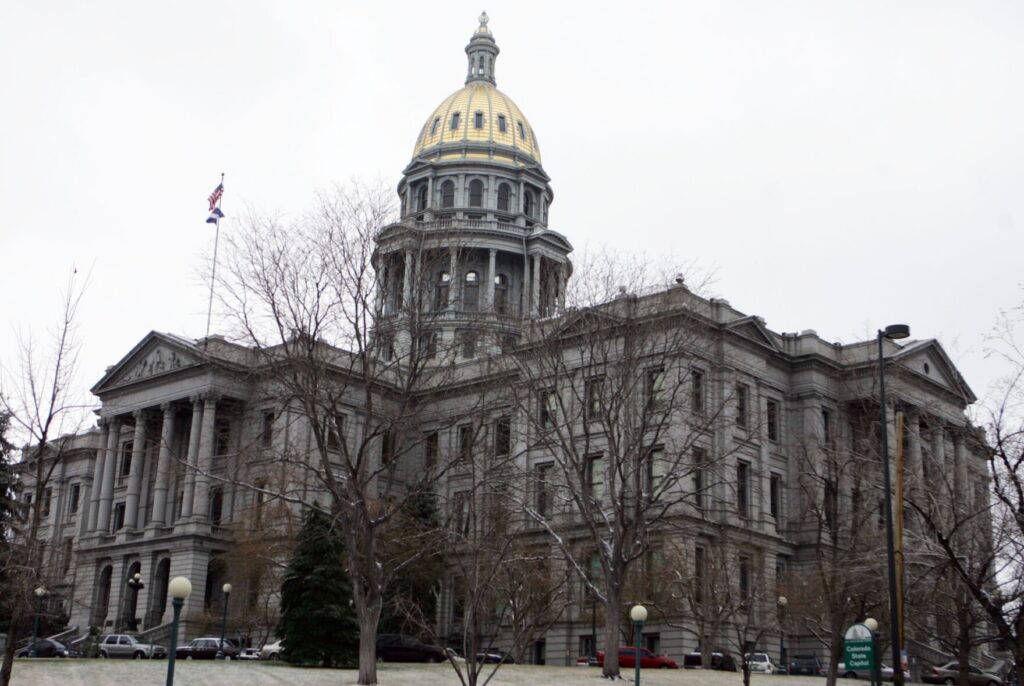
Colorado House ethics panel reviews complaint alleging misuse of Democratic caucus money
Marianne Goodland
marianne.goodland@coloradopolitics.com
Updated 57 minutes ago
Colorado’s House Ethics Committee has begun reviewing a complaint accusing Rep. Mandy Lindsay of improperly handling Democratic Caucus money, setting in motion a weekslong inquiry into her role and responsibilities as caucus co‑chair. The complaint was filed in January by...
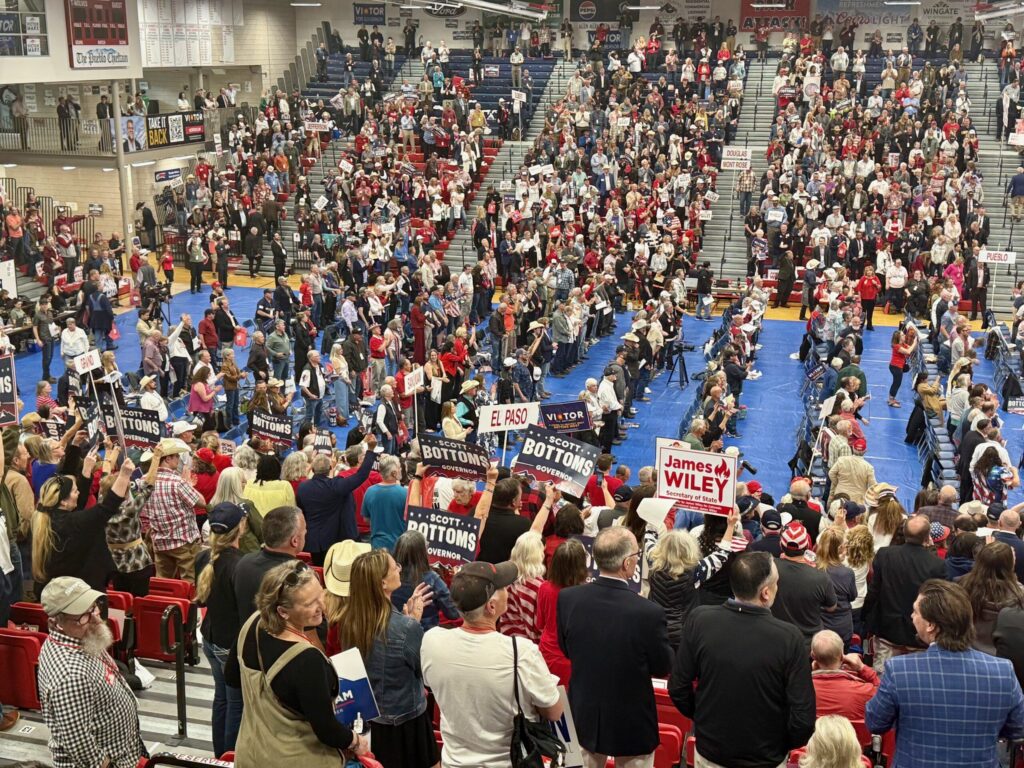
Colorado GOP asks judge to bar state from sending Republican primary ballots to unaffiliated voters
Ernest Luning
ernest.luning@coloradopolitics.com
Updated 4 hours ago
The Colorado Republican Party on Monday asked a federal judge to issue an emergency injunction to prevent the state’s unaffiliated voters from being able to cast ballots in the GOP’s upcoming primary election. Lawyers for the party argue in a...
Appeals court upholds convictions despite juror’s dishonesty about criminal history
Michael Karlik
michael.karlik@coloradopolitics.com
Updated 11 hours ago
Colorado’s second-highest court declined to order a new trial last week for a Boulder County defendant, despite a juror’s concealment of his own prior conviction until after the verdict. A jury found Kasey James Arrington guilty of kidnapping and sex-related...
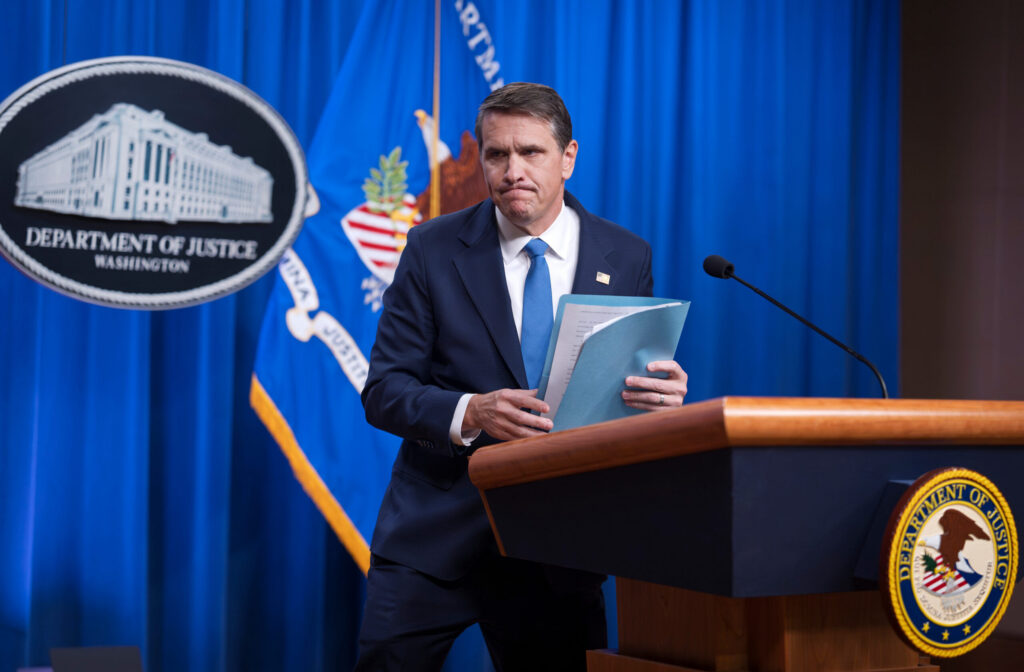
Southern Poverty Law Center charged with defrauding donors with payments to extremist informants
Alanna Durkin Richer
alanna.durkin.richer@associatedpress.com
Updated 11 hours ago
WASHINGTON (AP) — The Southern Poverty Law Center was indicted Tuesday on federal fraud charges alleging it improperly raised millions of dollars to secretly pay leaders of the Ku Klux Klan and other hate groups for inside information, acting Attorney General Todd...

Colorado lawmakers push limits on data-driven pricing as critics push back
Marissa Ventrelli
marissa.ventrelli@coloradopolitics.com
Updated 2 hours ago
Colorado lawmakers are weighing a proposal to restrict the use of algorithms in setting prices and wages, as advocates warn the technology enables hidden discrimination while business groups argue the bill overreaches and interferes with legitimate data‑driven practices. House Bill...
PREV
PREVIOUS

DIA reports 65% reduction in wait times through Uber pilot program
A new pilot program between Denver International Airport and Uber has resulted in a 65% decrease in dwell times for people awaiting pickup, the airport reported on Thursday. The ExpressMatch pilot program debuted in late June, in which the airport allowed small numbers of rideshare drivers to queue at the curb on the terminal’s east […]

CBI cancels 'Missing in Colorado' event, replaces with virtual support for families
The Colorado Bureau of Investigation has canceled its annual “Missing in Colorado” event on Saturday due to the COVID-19 pandemic, replacing it with a virtual meeting for families with missing members to talk with each other. “Despite the cancellation, we are still committed to providing support to loved ones of missing persons. Victim Advocates will […]