

Secretary of State’s elections division calls for dismissal of lobbying complaint filed by Public Trust Institute
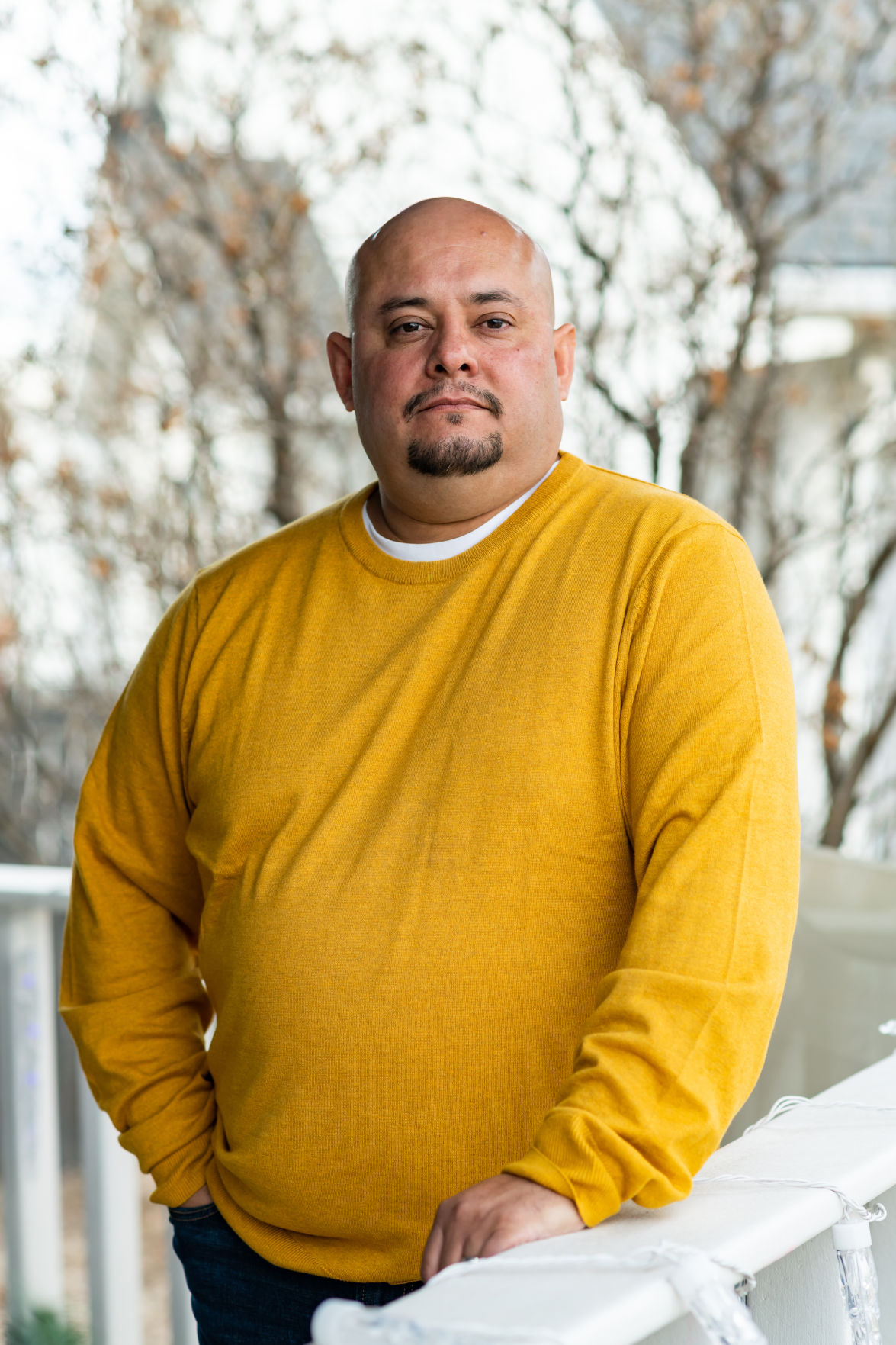
A complaint alleging illegal lobbyist activity filed against former state Rep. Joe Salazar, a Thornton Democrat, is on its way to dismissal.
It’s not the complaint filed with the state’s Independent Ethics Commission, although it’s identical to the one filed by the Public Trust Institute in December.
This complaint was filed with the Secretary of State’s office on the same day a similar complaint was lodged with the ethics commission.
Salazar served in the Colorado House for three terms, from Jan. 9, 2013 through Jan. 3, 2019. He decided to run for Attorney General in 2018 and forego a fourth term.
On Jan. 4, 2019, Salazar was named executive director of Colorado Rising, an environmental group that focuses on oil and gas activity.
Amendment 41 prohibits statewide elected officials, including members of the legislature, from engaging in lobbying for two years after leaving office. A professional lobbyist, as defined by the amendment, is an individual who engages in lobbying for pay or other consideration. The latter provision, the definition of a professional lobbyist, applies to the complaints filed with the Secretary of State as well as the ethics commission.
In the complaint, Public Trust Institute director Suzanne Staiert made three allegations:
- On March 4, 2019, Salazar engaged in direct lobbying, the complaint claimed, in a press conference at the state Capitol. That lobbying was in the form of asking people to “contact specifically named state legislators to influence the passage of Senate Bill 19-181.” The press conference, which was covered by Colorado Politics, was held in a House committee room and was streamed over Facebook.
- On Aug. 8, 2019, Salazar sent an email to 10 lawmakers, urging them to propose or support legislation on immigration reform.
- Salazar held another press conference on Aug. 14 in a House hearing room to announce “new legal actions that the group has taken in response to the passing of SB-181.” The complaint noted that committee rooms “can only be reserved by current members” of the legislature. The committee room in question was reserved by Rep. Jonathan Singer, D-Longmont, the complaint said. “It appears that not only did Mr. Salazar engage in lobbying, but he coordinated his lobby efforts with Representative Singer, using public facilities available only to current members of the General Assembly.”
In the July 14 motion to dismiss, Theresa Conley, legal & internal operations manager in the Elections Division for the Secretary of State, wrote that with the Jan. 4, 2019 press conference, the Aug. 8 email correspondence and the Aug. 14, 2019, press conference did not violate the state’s lobbying laws because “the underlying conduct did not meet the definition of lobbying.”
“First, neither Respondent nor Colorado Rising made specific asks to the entering legislators about a specific or pending matter,” Conley wrote about the January 4 press conference. “Instead, Respondent and Colorado Rising announce they plan to hold the Governor and legislators accountable and to ensure they protect the interest of the people and not oil and gas lobbyists. Second, the event was held the morning of opening day at the legislature, before the session had officially opened and before any legislation had been introduced.”
The email, Conley wrote, was from Salazar’s personal email address, which included a caveat: it was written “not at the behest of a paying client or employer,” and hence did not qualify as a lobbying activity. Conley also noted that immigration is not an issue that Colorado Rising works on.
The Aug. 14 press conference was held more than four months after the bill in question, Senate Bill 19-181 was signed into law, “foreclosing the possibility that the event was seeking to aid or influence that bill. Second, the purpose of the event was to announce litigation Colorado Rising was commencing for its client, Our Longmont, to revive a fracking ban in the city of Longmont based on new legal authority contained in SB 19-181,” Conley wrote. “Respondent’s conduct is explicitly excluded from the definition of ‘lobbying’ as a communication by an attorney-at-law on behalf of an identified client. Finally, Representative Singer reserved the room and participated in the event not to aid in Respondent’s lobbying but because of his personal involvement in the suit.”
The Public Trust Institute also claimed the Facebook Live event tied to the March 4 press conference constituted an act of lobbying. Conley said it was lobbying, but not directed at lawmakers. Instead, Colorado Rising was asking its members to contact lawmakers regarding SB 19-181. That act falls under an exception to lobbying rules that do not require reporting or registration, Conley wrote.
Conley also pointed out that while she was deputy Secretary of State, Staiert dismissed a complaint against the American Lands Council that hinged on a similar set of circumstances.
Conley wrote that ALC sent a detailed email correspondence that “listed the committee members and their email addresses” asking the recipients to “consider attending the hearing to show your support for the bill” or to “please send these Committee members an email letting them know that you support [the bill]” that was sent the day before the bill was scheduled for a committee hearing.In that instance, the prior Deputy Secretary, now Complainant here, found the email was a clear example of grassroots lobbying that was sufficiently minimal.”
The next step in the process is a formal action by the Secretary of State regarding the motion to dismiss. Conley asked that the decision be made by July 31.
The complaint against Salazar with the ethics commission is currently in the investigative stage.
The ethics commission has never publicly acted on a lobbying complaint in its 13-year history, and Amendment 41 does not spell out what the penalty would be for such a complaint.
Staiert declined to comment.

Congress is struggling to get its work done and a new report argues for 21st-century upgrades
Kevin R. Kosar
kevin-r-kosar@coloradopolitics.com
Updated 4 minutes ago
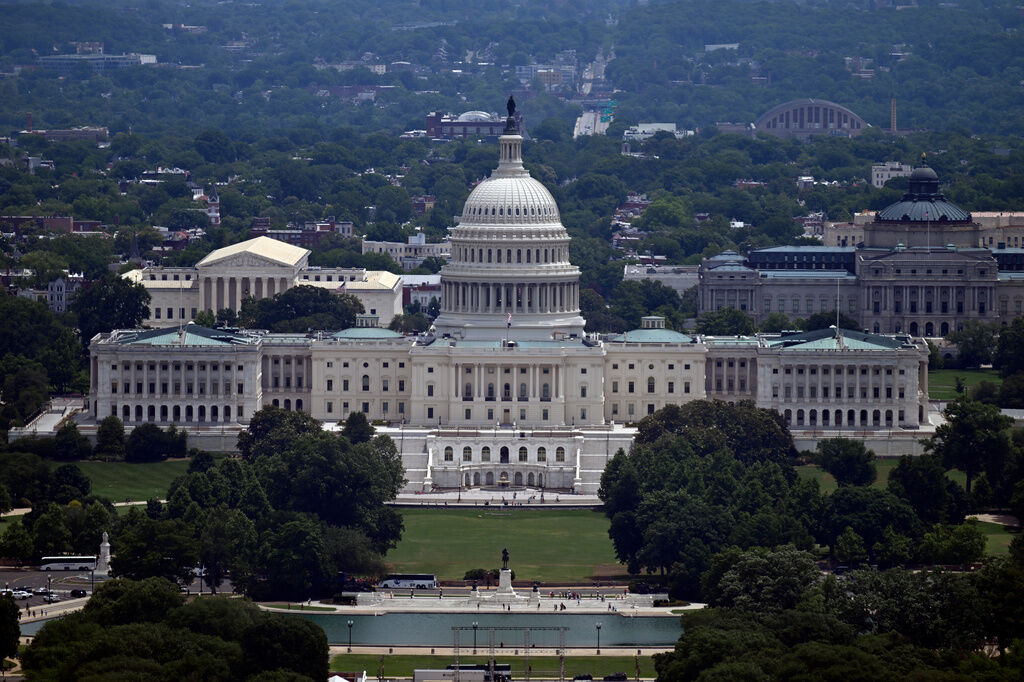
The news coming from Capitol Hill over the past couple of weeks has left much to be desired. Congress has had difficulty discharging its lawmaking duties. The Senate’s appropriations committee is at loggerheads over how much spending to authorize. The...
Supreme Court rules constitutional privacy protections apply to cellphone users location history
The Associated Press
the-associated-press@coloradopolitics.com
Updated 14 minutes ago
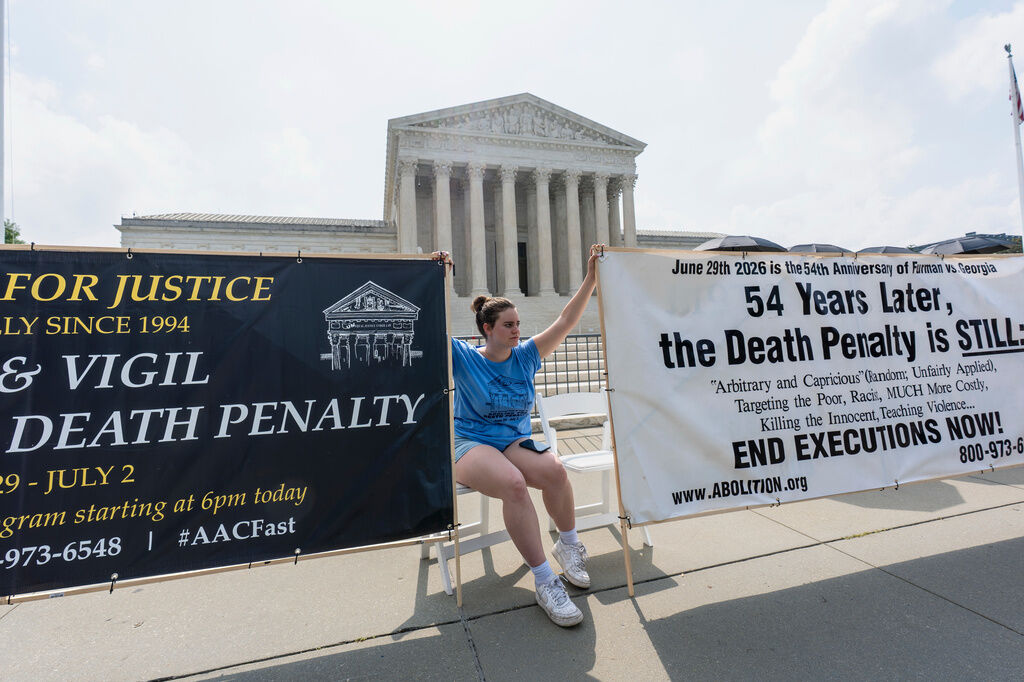
WASHINGTON (AP) — The Supreme Court held Monday that constitutional privacy protections extend to cellphone location information, ruling in the case of a bank robber whose identity was discovered through a geofence warrant. Justice Elena Kagan wrote for the 6-3...
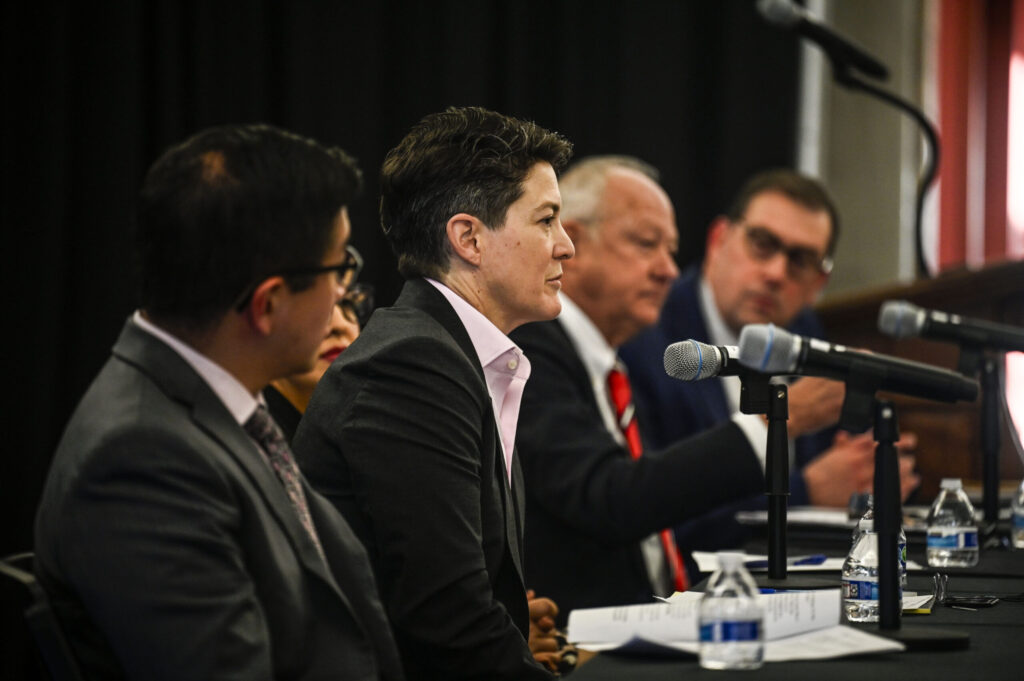
Colorado justices say group that spent $4M on ballot initiatives does not have to disclose donors
Michael Karlik
michael.karlik@coloradopolitics.com
Updated 36 minutes ago
The Colorado Supreme Court ruled on Monday that an organization that spent $4 million to advocate on ballot initiatives in the 2020 election is not required to disclose its donors and spending. The Supreme Court acknowledged that multiple factors suggested...
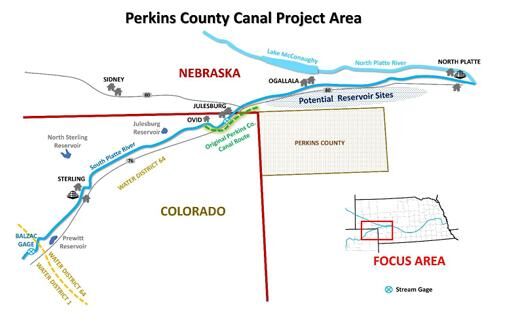
Colorado–Nebraska water clash heads to US Supreme Court as canal fight intensifies
Marianne Goodland
marianne.goodland@coloradopolitics.com
Updated 1 hour ago
The U.S. Supreme Court on Monday agreed to hear Nebraska’s lawsuit against Colorado over the Perkins County canal, a move that advances a legal dispute likely to take years to resolve. The proposed Perkins County canal would run through land...
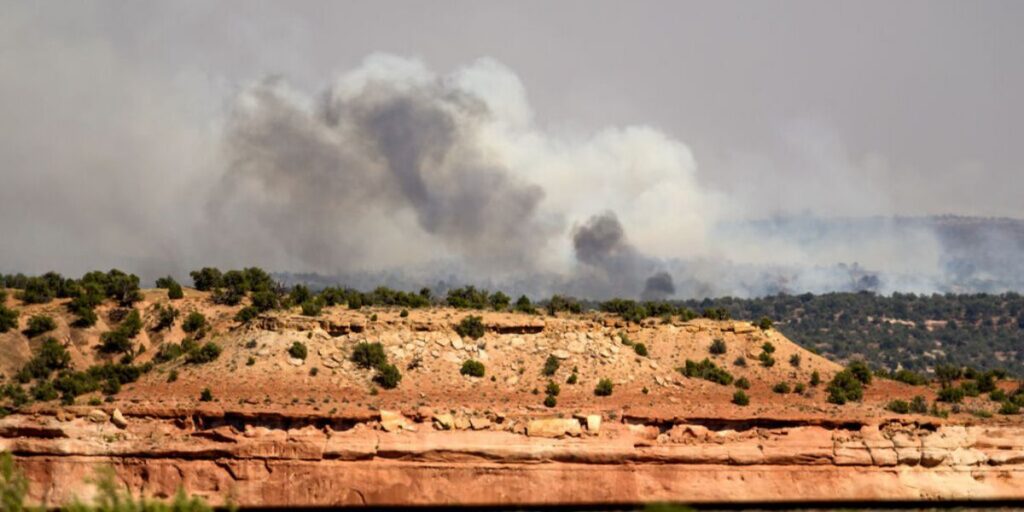
Jared Polis to visit Snyder Mesa Fire as blaze tops 29,000 acres
Nicholas Fogleman
nicholas.fogleman@denvergazette.com
Updated 24 minutes ago
Gov. Jared Polis is scheduled to visit the Snyder Mesa Fire Incident Command Post in Fruita Monday afternoon and provide an update on firefighting efforts as the wildfire continues to burn in western Colorado. Polis is expected to be joined...
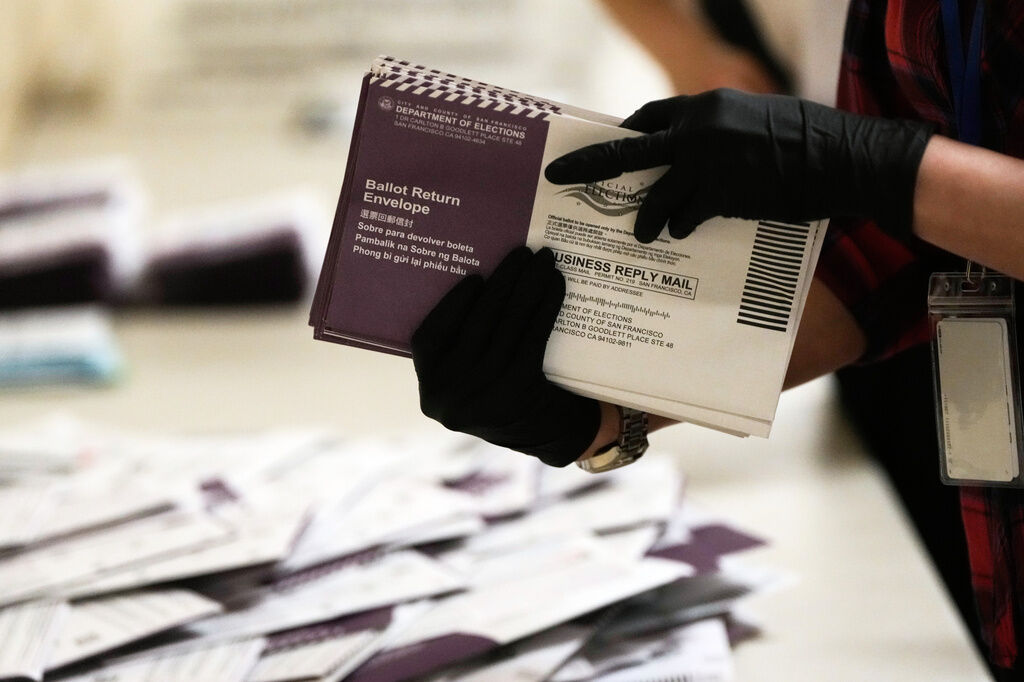
Supreme Court rules states can count late-arriving mailed ballots, rejecting Trump-led challenge
The Associated Press
the-associated-press@coloradopolitics.com
Updated 3 hours ago
WASHINGTON (AP) — The Supreme Court on Monday ruled that states can count ballots that arrive after Election Day, a persistent target of President Donald Trump. The 5-4 decision rejected a Republican-led attack on laws in more than half the...
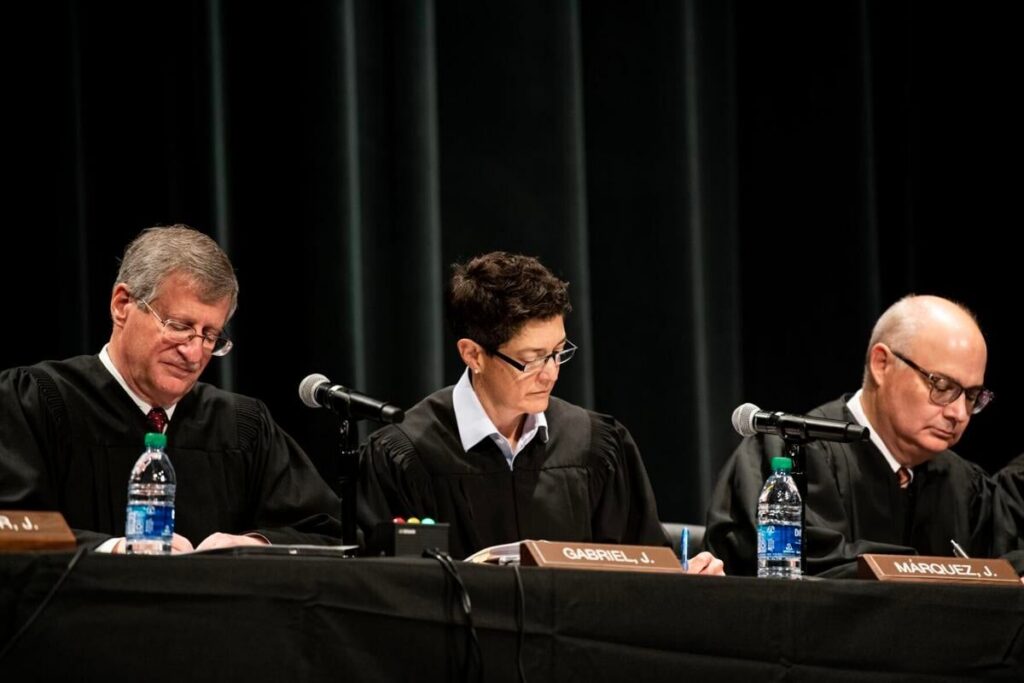
Colorado Supreme Court: Redistricting plans for 2028 election cannot proceed under state constitution
Michael Karlik
michael.karlik@coloradopolitics.com
Updated 1 hour ago
The Colorado Supreme Court blocked all attempts at redrawing congressional district boundaries for the 2028 election from reaching the ballot on Monday, concluding each of the proposed ballot measures violated the constitutional single-subject requirement. The court considered five distinct, but...
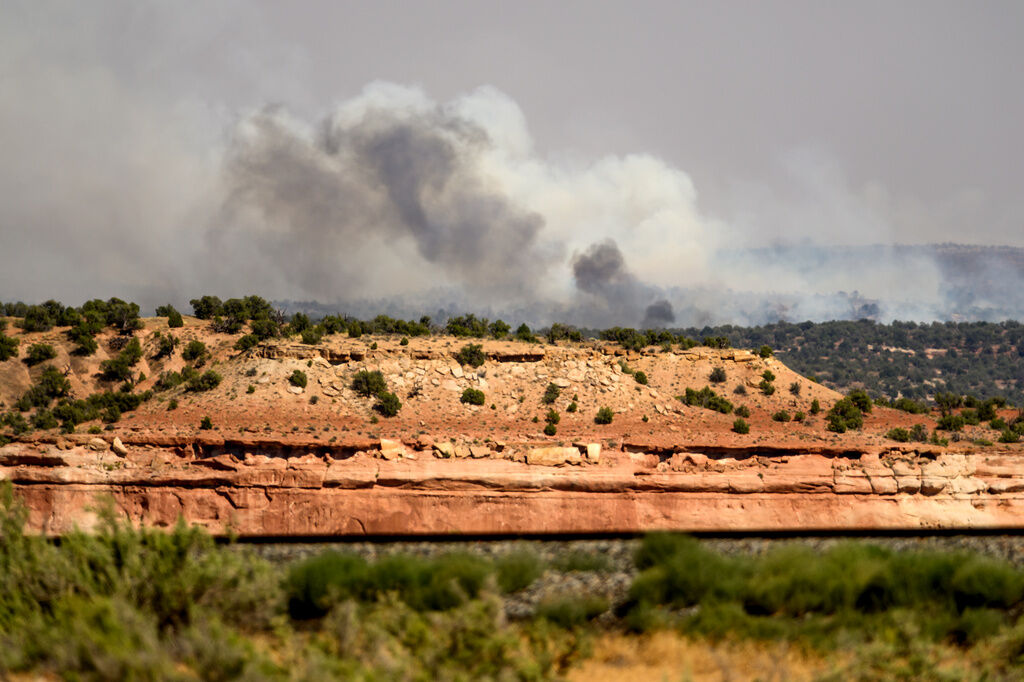
3 firefighters who died fighting Snyder Mesa fire identified; one once worked as a snowmaker in Vail
Rachael Wright, Special to Colorado Politics
rachael.wright@coloradopolitics.com
Updated 27 minutes ago
Federal authorities on Monday identified the three firefighters who died responding to the Knowles Fire at the Colorado-Utah border. The U.S. Department of the Interior said the three wildland firefighters were assigned to the Rifle Helitack crew. “ (They) engaged...
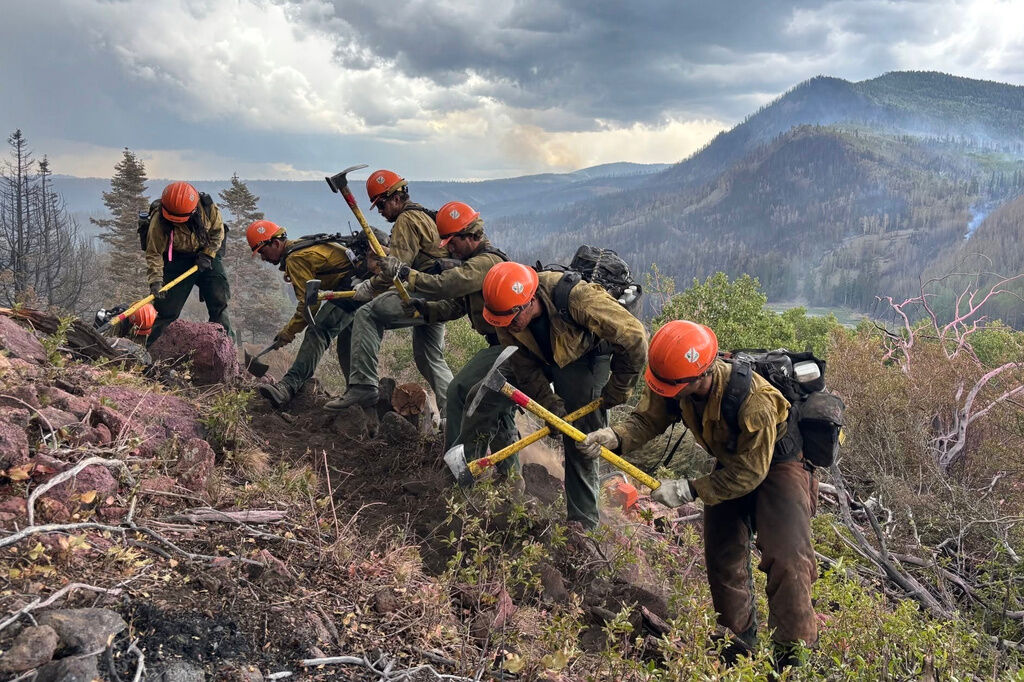
Colorado, Utah mourn after 3 firefighters killed in wildfires
Nicholas Fogleman
nicholas.fogleman@denvergazette.com
Updated 21 hours ago
Gov. Jared Polis on Sunday mourned the deaths of three firefighters killed while battling a wildfire on the Colorado-Utah border, calling the loss a tragedy for the state and the firefighting community. The firefighters died Saturday while responding to a...
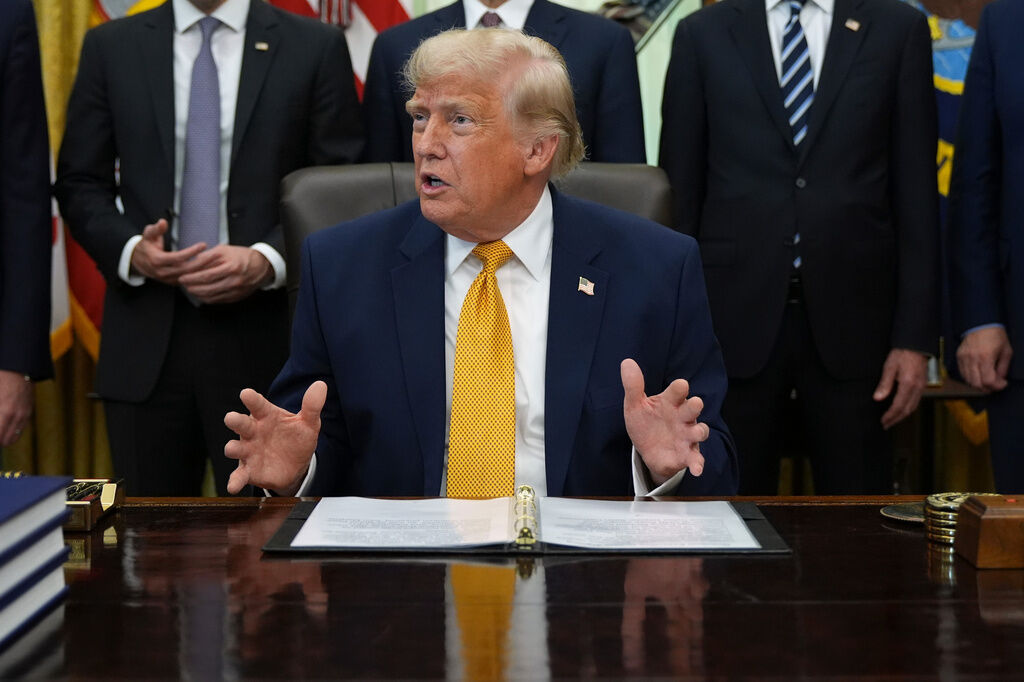
Understanding Trump’s remarkable political comeback in 2024 | Cronin and Loevy
Tom Cronin Bob Loevy
tom-cronin-bob-loevy@coloradopolitics.com
Updated 18 hours ago
President Donald Trump lost the 2020 presidential election. He inspired a riot at the U.S. Capitol to try to overthrow the results of that election. He was impeached by the U.S. House of Representatives and later was indicted for several...
PREV
PREVIOUS

Primavera calls for increase in SNAP food assistance in relief bill
Lt. Gov. Dianne Primavera and Hunger Free Colorado are calling on Colorado’s senators to include additional food assistance, namely an increase in existing benefits to families, in future COVID-19-related legislation. “Rationing meals is the last thing Colorado families need right now. Let’s ensure America’s families have their basic human needs met through this pandemic,” said […]

Denver tightens face covering order with COVID-19 cases back on the rise
Denver officials announced Tuesday an update to the face mask order, first issued in May, in response to a resurgence of coronavirus infections across Colorado. The city’s new order falls in line with Gov. Jared Polis’ statewide mask order issued late last week, which mandates individuals age 11 and older wear a mask while in […]