

Q&A with Kristopher Larsen — mayor, man of science
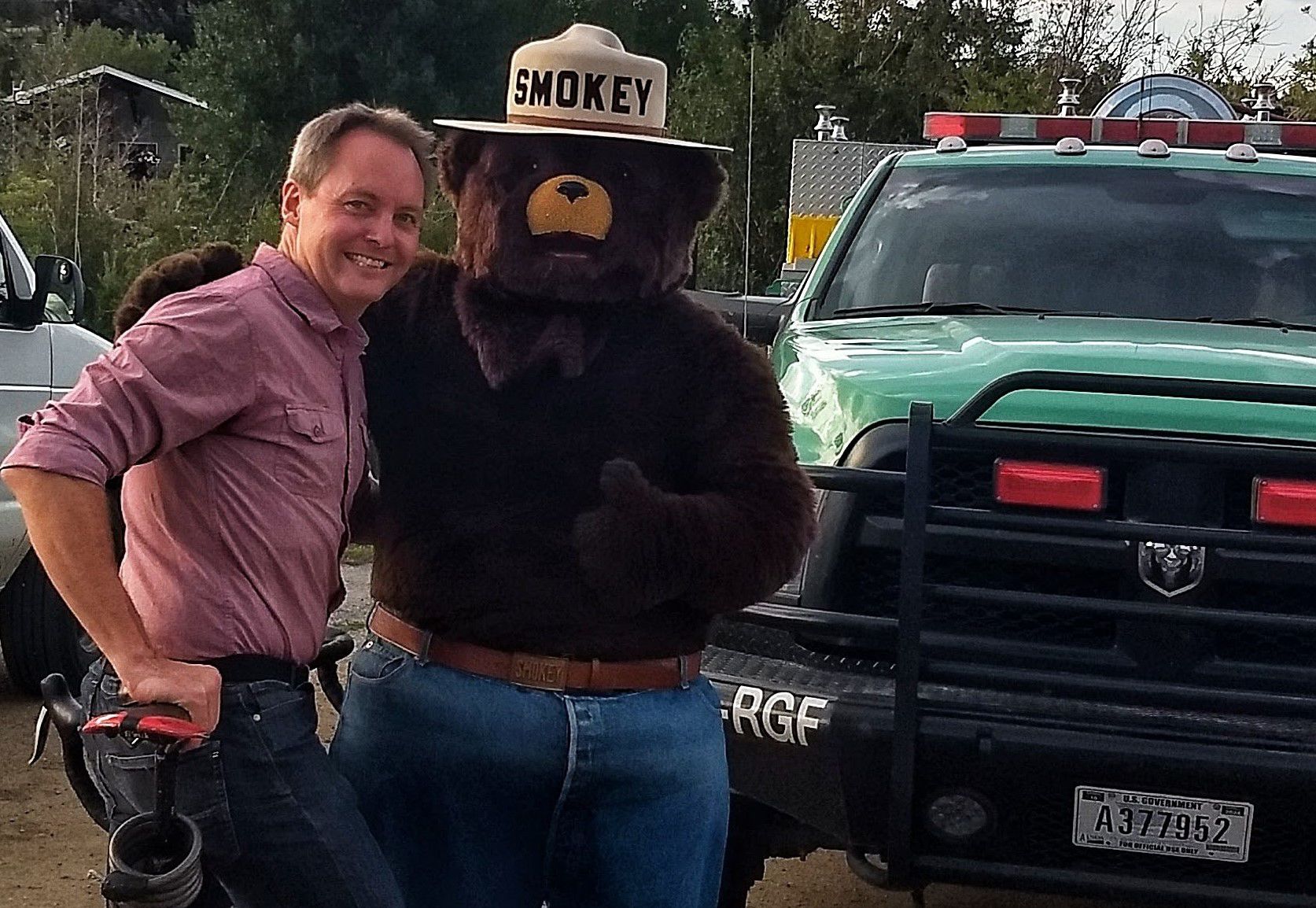
Brief bio:
-
Mayor of Nederland since 2016. Previously served on the town’s Board of Trustees.
-
Professional research assistant, University of Colorado at Boulder, since 2012.
-
Hold’s a bachelor’s degree in physics from CU and a Ph.D. in planetary science from Washington University in St. Louis.
Colorado Politics: After Dr. Anthony Fauci recently bemoaned an “anti-science bias” among the public, you tweeted, “Yet another reason why we need more scientists involved in politics and running for office!” Elaborate on what you and other scientists bring to the table that is now in short supply in U.S. politics.
Kristopher Larsen: I could be flippant to begin and say that at least at the highest levels, it would appear the ability or at least inclination to read is missing and is something that scientists can easily bring back “to the table.” The more serious side of that answer is that we have reached a place as a society where many of the policy issues we face have in them a component of science and technology. Whether it is the erosion of privacy, climate change and all its effects both domestic and foreign, medical research (to say nothing of pandemic response), or a hundred other policy questions, they have at their heart science and research. If we’re going to answer these major questions and set policies that are going to affect everyone in the country, it would be of benefit to us all to have those making the policy have a deep understanding, not only of various scientific issues but of the process that drove the research in the first place.
CP: You are on the Colorado board of the Climate Power initiative. Give us your elevator speech on its mission – and on the link between climate policy and social justice.?
Larsen: Despite the immediacy of the current COVID-19 crisis – and I don’t want to minimize the out-of-control danger of that in any way – the damage we’ve done and continue to do to our climate is a far greater threat to our country. Unfortunately, as with most of the crises in our country, natural and social, the greatest impact is being felt by those who have long born the brunt of the systemic inequities built into our country. I’m involved in Climate Power because it is focused on electing leaders who understand climate change and are ready to take aggressive action to reverse it. As with most of the issues we face in our country these days, none of them exist isolated from one another. Addressing climate change is but one inter-linked part of addressing the inequalities built into our society.
CP: If there aren’t enough scientists involved in politics, could it be that, in turn, not enough of your fellow scientists are inclined toward politics in the first place? If so, why??
Larsen: I think there’s a few reasons why scientists have traditionally avoided politics. First, because there has long been the false narrative of science being somehow above or purer than politics. Clearly, this isn’t true and hasn’t been from the very beginning, when the likes of Newton and Galileo relied on the powerful politicians of their day for patronage. However, that false belief has taken hold in science over the last century at least and is only now starting to erode.
Secondly is simply a matter of time management. Life as a research scientist, particularly if on tenure track at a university, is by no means a 9-to-5 job. The late nights spent preparing lectures and grading, writing proposals and papers, reviewing the same for others, talks, abstracts, conferences, and working with students doesn’t leave a lot of extra time for involvement in politics. Fortunately, more and more are realizing the need to be involved and the dangers of sitting on the sidelines.
Finally, the out-of-control partisanship and vitriol that drives political debate can’t help but drive scientists, as well as most other people, away from the public arena. Scientists are educated in a system that encourages and demands debate and the open public questioning of assumptions and new ideas alike. Unfortunately, the way those debates occur in the sciences, through careful experiments that produce data from which all arguments must stem, isn’t how it happens in politics. Adjusting to attacks based on partisanship or ignorance, at best, to duplicity and conspiracy theories is a barrier to many stepping into the public arena.
CP: As a political voice, you are a critic of the Trump administration, including its approach to COVID-19. As a scientist, how do you feel about the state and local response to the virus in Colorado? Too little? Just right? Too much? As our knowledge base on COVID grows, it appears that it presents mild to no symptoms for many, perhaps most of those infected while it is serious and even fatal for high-risk groups, with most deaths occurring among the elderly. As a result, much of the public has been waiting for the other shoe drop and, so far, it hasn’t. Is it reasonable to ask people to continue to mask up and hunker down??
Larsen: I think Colorado has done a very good job thus far. Gov. Polis has been openly listening to and following the recommendations of the state’s epidemiologists and health experts as he walks the fine line between “too little” and “too much.” It’s unfortunate, but the absolute best-case scenario for any elected official in this time is that we’ll spend the rest of our careers responding to the claims that we “overreacted.” That’s the only case in which the virus doesn’t get the better of our state and lead to thousands of unnecessary deaths.
Unfortunately, we don’t yet know the long-term effects of COVID-19. Those who survive the infection may be facing secondary effects that won’t be known for years or even decades. Keeping the number of those infected limited, even if they can recover, is critical for the future health of our country.
I also share the frustration felt by everyone as this continues to go on longer and longer. Unfortunately, just in the last week I fear we are beginning to see that other shoe drop. Every day brings a new record number of cases in the country and a steady increase in those in Colorado. Our best opportunity as a country to limit the impact of COVID-19 was about three months ago. Our second best is right now. And the only tools we have to do that is to wear our masks all the time and continue to socially distance ourselves.
CP: How and why did you get start in politics, having served on Nederland’s Board of Trustees and for the last four years as its mayor??
Larsen: My involvement in politics is an extension of why I became mayor. It is critical right now that we have competent leadership at every possible level. Unfortunately, at the highest levels of politics we have the exact opposite of that currently. I’m fortunate that I’ve had friends who have run for higher offices where I could learn how best to help and amplify their messages. This has led as far as serving as campaign surrogates and policy advisers to presidential campaigns. In the end, it is all about trying to do what I think is best for the country whether that is through my own office or by doing all I can to support others.
CP: How do the workaday nuts and bolts of presiding over a small community differ from that of a larger city, and what is the biggest policy issue facing Nederland these days??
Larsen: All my experience is with small towns, so I’m not in the best position to answer that question. I can say that one of the hardest aspects of small town service is that it is, in essence, a volunteer job. While I do get $250 a month as mayor, I clearly need my full-time job as well. Were mayor a full-time job, it would be far easier to attend all the meetings! On the other hand, in a small town it’s possible to know just about everyone and be able to work with them on projects directly instead of through committees, so I consider it a pretty even trade. Besides, I really enjoy my job at the Laboratory for Atmospheric and Space Physics at CU-Boulder and wouldn’t want to give up working on the NASA missions I am!
Like much of the Colorado Front Range, the biggest policy question facing Nederland is what we can do about affordable housing. For small towns with very limited budgets and resources, the need for action on affordable housing greatly outstrips our ability to take action. In our case, the best strategy has been to partner with others -Boulder County Housing Authority, for example – and work to build permanently affordable housing in Nederland. The danger we face in the Front Range from high housing costs is being laid bare by the COVID-19 crisis, especially this month as eviction protections are beginning to end. We in Nederland, as well as in just about every other community, need to do more to ensure affordable housing for all our residents, and that’s not something that is going to change anytime soon.
CP: You are an outspoken policy advocate – you recently authored a commentary on climate change for Colorado Politics – so you can’t fault us for asking if you have political ambitions beyond municipal government. Might you run for higher office?
Larsen: Never say never, right? I’ve been approached about running for state House and county commissioner. I also ran for Congress in 2018, bowing out of the primary when it became clear that Joe Neguse wasn’t someone I was going to beat. As I’ve told Congressman Neguse and many others since, dropping out of that race was the best decision I’ve ever made. Within days of ending my campaign, I was able to get back into my habit of long bike rides (road and mountain) and, better yet, I met my wife! While I would have liked to win that race, meeting my wife and getting married was infinitely better.
Will I run for something again? I’m always open to the possibilities but for the next year and a half am focused entirely on Nederland. We’re going to need to come together as a community to find creative ways to get through the COVID-19 pandemic, and I’m doing all I can to help others I believe in win their races.

Appeals court reinstates Mesa County defendant’s request for DNA testing under new Colorado law
Michael Karlik
michael.karlik@coloradopolitics.com
Updated 36 minutes ago
Colorado’s second-highest court revived a Mesa County defendant’s petition for DNA testing in his three-decade-old attempted murder case on Thursday, concluding that a trial judge wrongly interpreted a recent Colorado law in dismissing the request outright. Jurors convicted Billy Joe...
Appeals court reverses Denver juvenile’s conviction due to improper expert testimony
Michael Karlik
michael.karlik@coloradopolitics.com
Updated 28 minutes ago
Colorado’s second-highest court reversed a juvenile defendant’s conviction for unlawful sexual contact on Thursday after an expert witness’s testimony improperly suggested the child victim was telling the truth. The defendant, identified as S.H-S., was around 16 years old when he...
Judge orders home confinement for Barry Morphew
Dennis Huspeni
dennis.huspeni@gazette.com
Updated 3 hours ago
An Alamosa County district judge has ordered home confinement for Barry Morphew, who is accused of murdering his wife. Barry Morphew, 59, faces a first-degree murder charge in the death of his wife, Suzanne Morphew, who disappeared Mother’s Day weekend...
Bipartisan Colorado leaders press FEMA for disaster declaration amid widespread wildfire damage
Marissa Ventrelli
marissa.ventrelli@coloradopolitics.com
Updated 4 hours ago
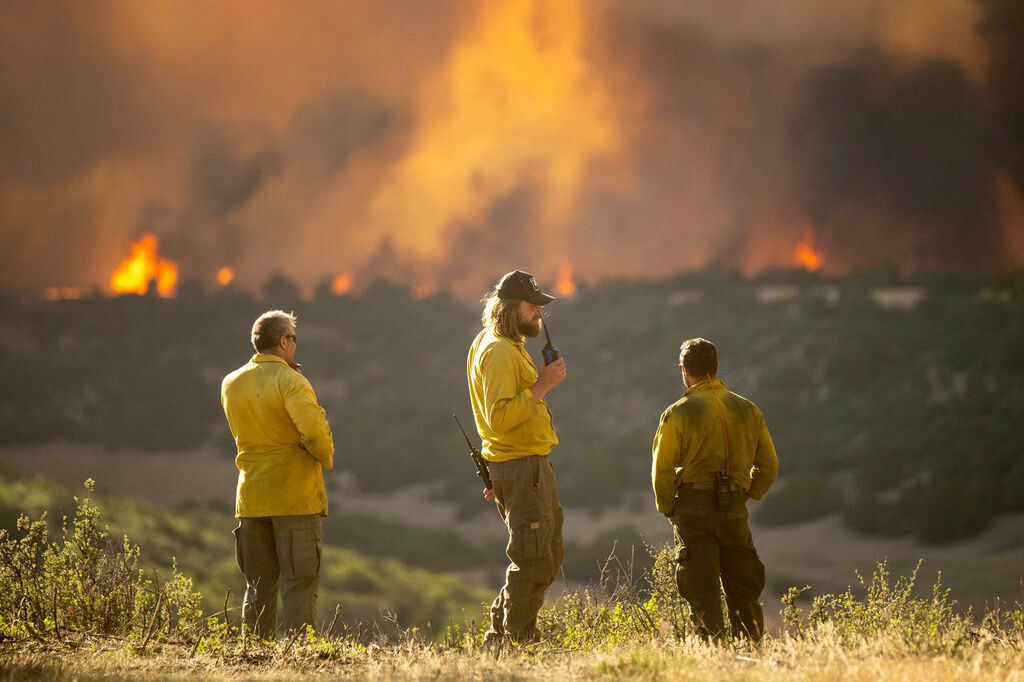
Colorado leaders are renewing their push for federal disaster assistance after the Aspen Acres and Gold Mountain fires burned more than 140,000 acres across three counties in June and July. The state has submitted 173 letters from elected officials and...
Appeals court says jury does not need to view porn to determine if it ‘obscene’
Michael Karlik
michael.karlik@coloradopolitics.com
Updated 4 hours ago
Colorado’s second-highest court ruled for the first time on Thursday that a jury does not always need to view pornographic material to determine if it meets the criteria for obscenity. Mesa County jurors found Shayla Ann Simpson guilty of child...
Ikon Pass company Alterra to move into former Denver Post building, create downtown ‘outdoor hub’
Bernadette Berdychowski
bernadette.berdychowski@denvergazette.com
Updated 4 hours ago
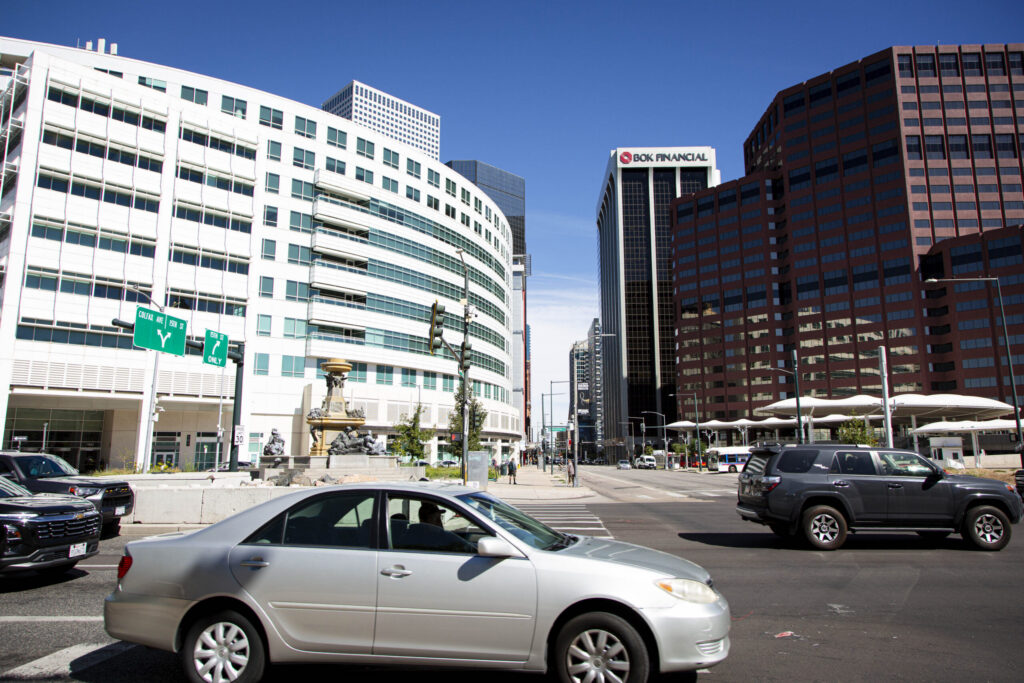
What was once the home of two of Colorado’s longest-running daily newspapers could soon become a central location for the state’s ski resort and outdoor companies, city and state leaders said Thursday. Alterra Mountain Co. is moving its headquarters to...
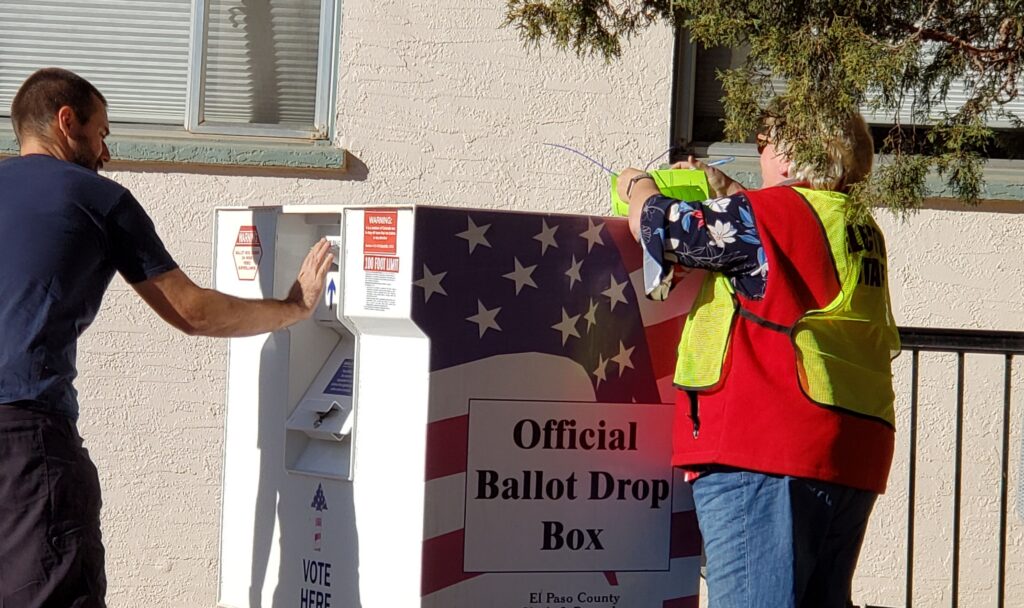
Fentanyl sentencing, tax overhauls and transgender‑related issues anchor Colorado’s 14 ballot measures
Marissa Ventrelli
marissa.ventrelli@coloradopolitics.com
Updated 5 hours ago
Fourteen statewide ballot measures await Colorado voters this November, offering a mix of criminal justice crackdowns, tax overhauls, and constitutional tweaks that ensure no one will accuse the ballot of being boring this year. Colorado’s 14 statewide ballot measures match...
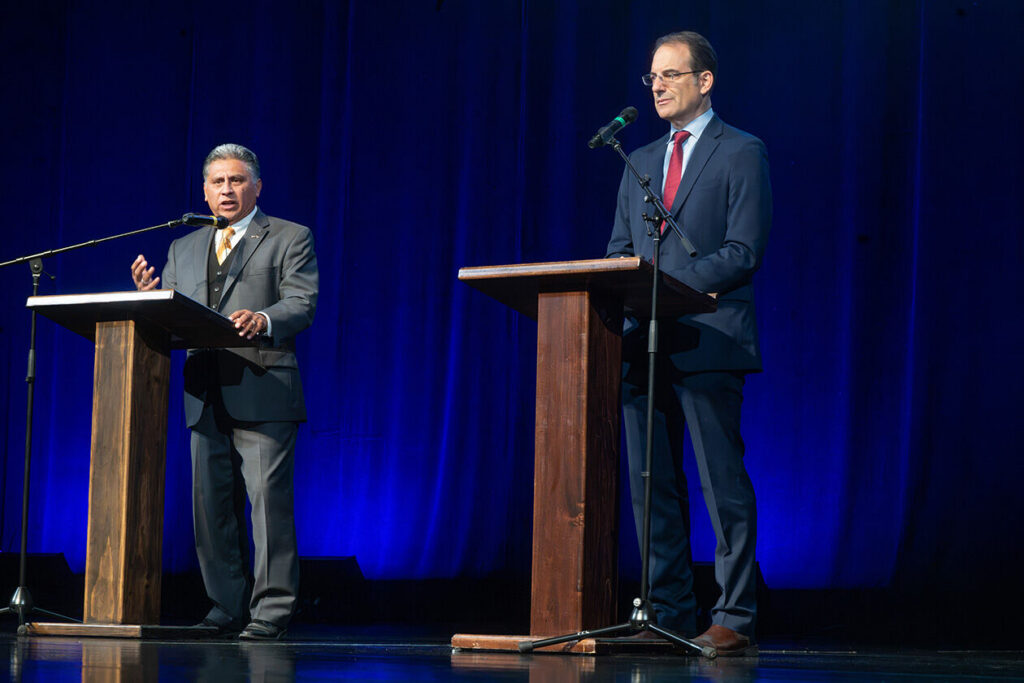
Colorado sues to stop Trump’s ban on Medicaid dollars paying for minors’ transgender transition
Thelma Grimes
thelma.grimes@coloradopolitics.com
Updated 2 hours ago
Colorado on Wednesday filed yet another lawsuit against the Trump administration — this time to stop a new rule that prohibits Medicaid dollars from paying for transgender transition services for minors. The question of transgender services has increasingly become a...
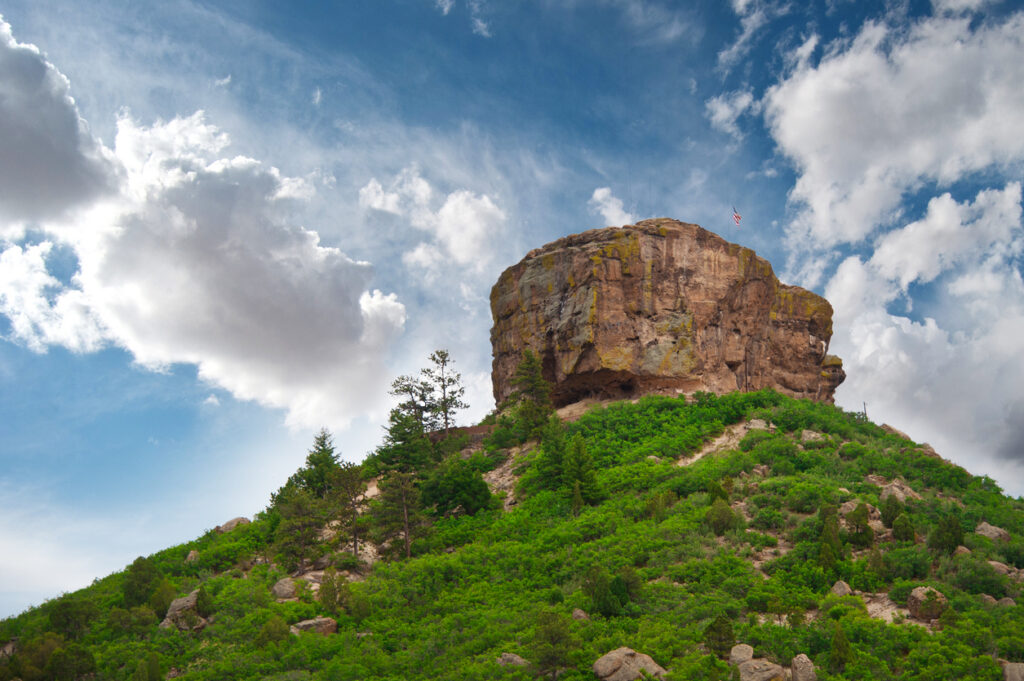
Castle Rock Town Council passes measure expanding authority over school-designated land and funds
Nicholas Fogleman
nicholas.fogleman@denvergazette.com
Updated 4 hours ago
The Castle Rock Town Council passed an ordinance Tuesday that gives the council broader authority to repurpose land and cash designated for school facilities. Douglas County School District officials argue the move would allow the town to do so without...

Denver plans to spend $50M on improvements to Sloan’s Lake
Nicole C. Brambila
nicole-c-brambila@coloradopolitics.com
Updated 1 day ago
Denver plans to spend $50 million for Sloan’s Lake improvements. Mayor Mike Johnston and Councilmembers Amanda P. Sandoval and Jamie Torres announced the project’s launch steps from the lake’s shore near the jetty in the park on Wednesday morning. “After...
PREV
PREVIOUS

Seat belt enforcement campaign begins in Colorado
Coloradans’ seat belt usage is below the national average, and this week law enforcement plans to send the message to drivers: click it or ticket. Beginning Sunday, the Colorado Department of Transportation, Colorado State Patrol and local law enforcement agencies heightened enforcement and awareness of seat belt regulations through the “Common Bond” campaign. According to […]

Crow cosponsors bill to put check on future uses of military force
U.S. Rep. Jason Crow is among the bipartisan group of lawmakers that has introduced new legislation to curtail the use of a military force authorization passed in the wake of the Sept. 11, 2001, terror attacks for expanding future warfighting operations overseas. “The most solemn responsibility of Congress is the decision to send our men and […]