

Senate Judiciary kills bills — except one sponsored by leadership
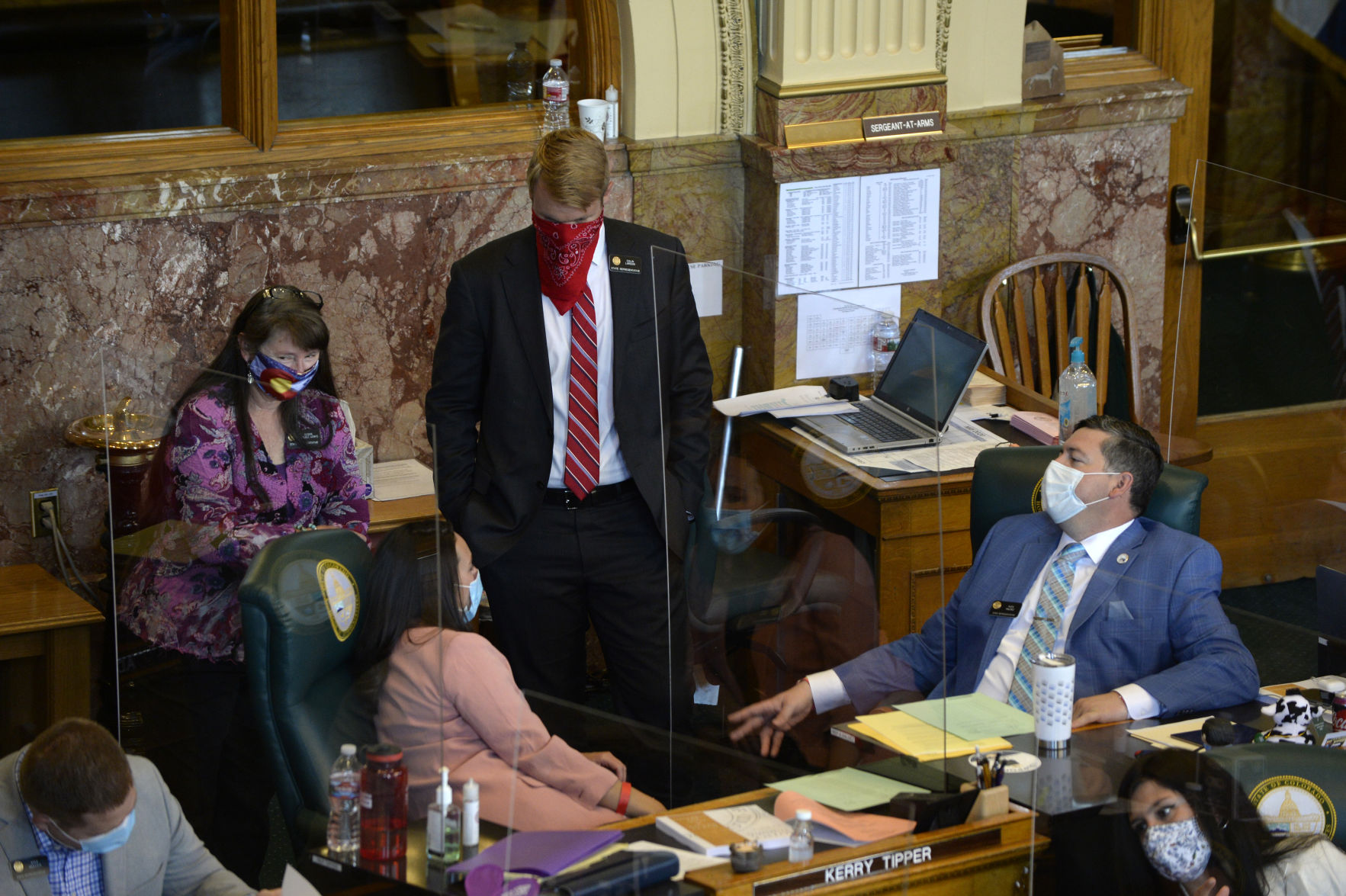
Committees in the General Assembly’s House and Senate are clearing the decks of the 354 bills left over from the earlier part of the session so they can focus on the budget, school finance and bills tied to the COVID-19 pandemic.
Some dissent rose on Tuesday in the Senate Judiciary Committee, chaired by Sen. Pete Lee, a Colorado Springs Democrat. The committee had 17 bills on their docket, and they killed all but one, but the one that survived has the committee’s Republicans grumbling with accusations of favoritism.
Democratic leaders in the General Assembly have made it clear that bills from earlier in the year that carry a cost, explained in the bills’ fiscal notes, are going down in flames.
Which is why the decision to pass House Bill 1196, sponsored by Lee and Senate Majority Leader Steve Fenberg of Boulder, brought about some dissent. It updates state law around mobile home parks and tenant rights.
The committee quickly approved the bill on a party-line vote, despite its $8,000 cost. The fiscal note states that the expenses will be borne out of the budget of the Department of Local Affairs, although DOLA’s budget, like all others, was cut during the Joint Budget Committee action in the prior three weeks.
The bill now heads to Senate Appropriations, which is led by JBC members Sens. Rachel Zenzinger of Arvada and Dominick Moreno of Commerce City.
Lee’s defense of his bill drew complaints from Sen. Bob Gardner, a Colorado Springs Republican, who complained about other bills being killed while the mobile home bill continues on.
Lee and Sen. Jack Tate, a Centennial Republican, went back and forth over a bill limiting the use of the gay panic defense. Lee questioned whether the bill – House Bill 1307 – was needed, stating he’d never heard of that defense being used in Colorado. But Tate pointed out that the bill was backed by the district attorneys’ council and that the defense had been used as recently as a year ago.
“It’s not compelling” in this current environment, Lee added, but encouraged the sponsors to bring it back next year. That won’t be Tate; he announced in late 2018 that he would not seek re-election to his senate seat.
Lee moved to postpone the bill indefinitely, leading Gardner to complain that “If it has mobile homes and the right sponsors,” it passes.
The committee also postponed a bill, another carried by Tate, that would reconfigure the administration of the Regional Transportation District. Senate Bill 151 was backed by advocates for the disabled, given its language prohibiting discrimination against people with disabilities for transportation services. It also establishes campaign finance limits for RTD directors, adds gubernatorial appointees to the RTD board and requires the board to meet monthly instead of quarterly.
But its $1.8 million cost was a deal-breaker, and it was postponed on a unanimous 5-0 vote.


Colorado Politics Calendar Apr. 6-12
Rachael Wright, Special to Colorado Politics
rachael.wright@coloradopolitics.com
Updated 4 days ago
CoPo’s weekly political calendar will help you find political and public-policy events throughout Colorado. It includes candidate and issue campaign events, public policy meetings, court hearings, state and local party conventions, assemblies, debates, rallies, parades, speaking engagements, traveling dignitary appearances,...

Democrats rebounding without learning necessary lessons | SONDERMANN
Eric Sondermann
eric-sondermann@coloradopolitics.com
Updated 13 hours ago
“When we fight, we win!” That, reportedly, was the chant heard over and over again at the Colorado Democratic Assembly a week ago. It suggests that pugilism has been the piece missing from the Democratic toolkit. Perhaps it was just...
An April Fool’s Day to remember | Capitol M | Week of April 4, 2026
Marianne Goodland
marianne.goodland@coloradopolitics.com
Updated 2 days ago
The lighter side of the Capitol, and if light were weight, the Capitol would have lifted off better than the Artemis II rocket on April Fool’s Day. There was a plethora of Fools at the Capitol for April Fool’s Day...
Federal judge sides with Mesa County school district in ex-student’s First Amendment claims
Michael Karlik
michael.karlik@coloradopolitics.com
Updated 1 day ago
A federal judge concluded last week that Mesa County Valley School District 51 and three of its administrators did not violate the First Amendment rights of a former student when they imposed minor discipline in response to disruptive behavior. In...

Colorado Supreme Court intervenes in 4 ongoing cases
Michael Karlik
michael.karlik@coloradopolitics.com
Updated 1 day ago
The Colorado Supreme Court recently moved to intervene in four ongoing cases, including two criminal prosecutions, a civil lawsuit, and a child welfare proceeding. At least four of the court’s seven members must agree to hear a case outside of...
Colorado ski resorts announce early closures amid historic snowpack lows, high temperatures
Kyla Pearce
kyla.pearce@gazette.com
Updated 11 hours ago
Vail Resorts is the latest area to announce season closure Wednesday As Colorado’s historically low snowpack year comes to a close and spring conditions take over the mountains, the state’s major ski resorts are announcing closing dates — some of...

Kentucky Gov. Andy Beshear set to headline Colorado Democrats’ annual fundraising dinner
Ernest Luning
ernest.luning@coloradopolitics.com
Updated 1 day ago
Kentucky Gov. Andy Beshear, one of the Democrats’ top 2028 presidential prospects, is scheduled to deliver the keynote address at the Colorado Democratic Party’s annual fundraising dinner in June in Denver, the party said Friday. Serving his second term as...
Gov. Polis names new leaders for Colorado health agencies in wake of Medicaid turmoil
Marianne Goodland
marianne.goodland@coloradopolitics.com
Updated 1 day ago
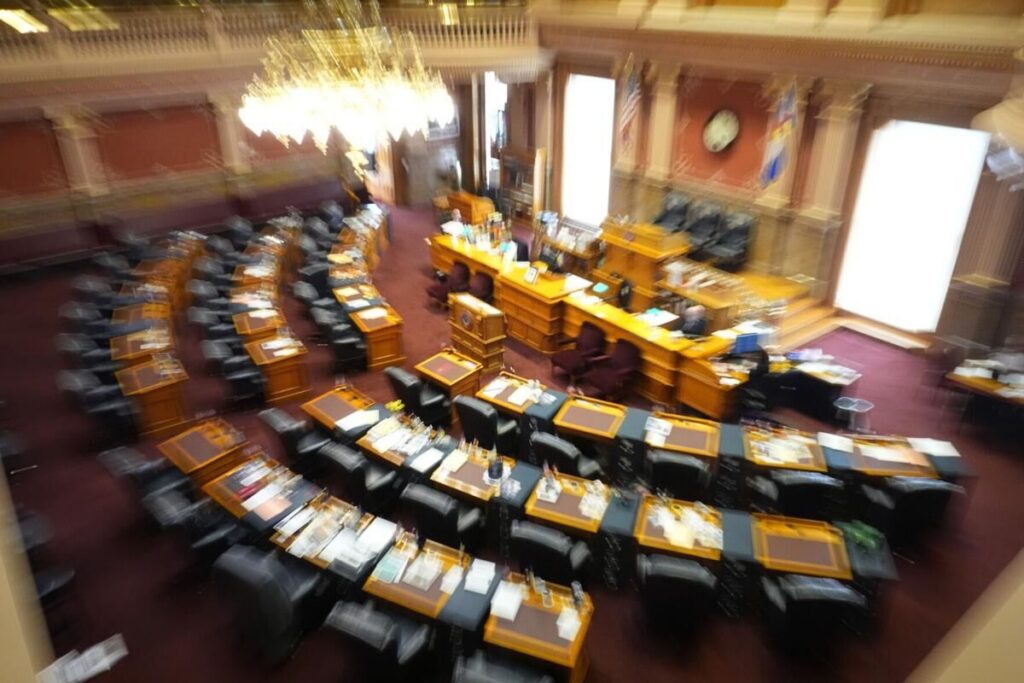
Gov. Jared Polis, on Thursday, announced he was appointing Gretchen Hammer to serve as acting executive director of the Colorado Department of Health Care Policy and Financing, and deputy executive director Stephanie Beasley to become the next commissioner of the...
Federal judge releases man immediately as consequence for immigration judge disobeying orders
Michael Karlik
michael.karlik@coloradopolitics.com
Updated 1 day ago
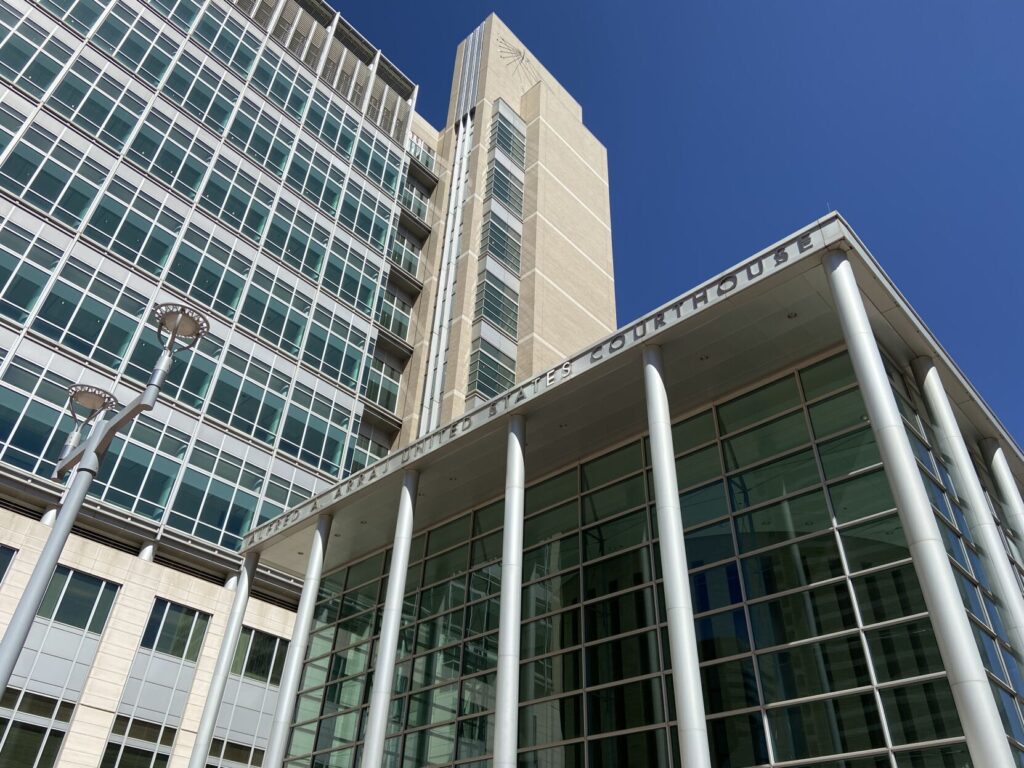
A federal judge ordered a man’s immediate release from immigration detention on Thursday after finding an immigration judge disregarded his prior orders requiring a bond hearing. For the past year, Colorado’s federal district court has faced a flood of “habeas corpus”...
Colorado sues Trump administration, calling new election order ‘unconstitutional’
Marissa Ventrelli
marissa.ventrelli@coloradopolitics.com
Updated 11 hours ago
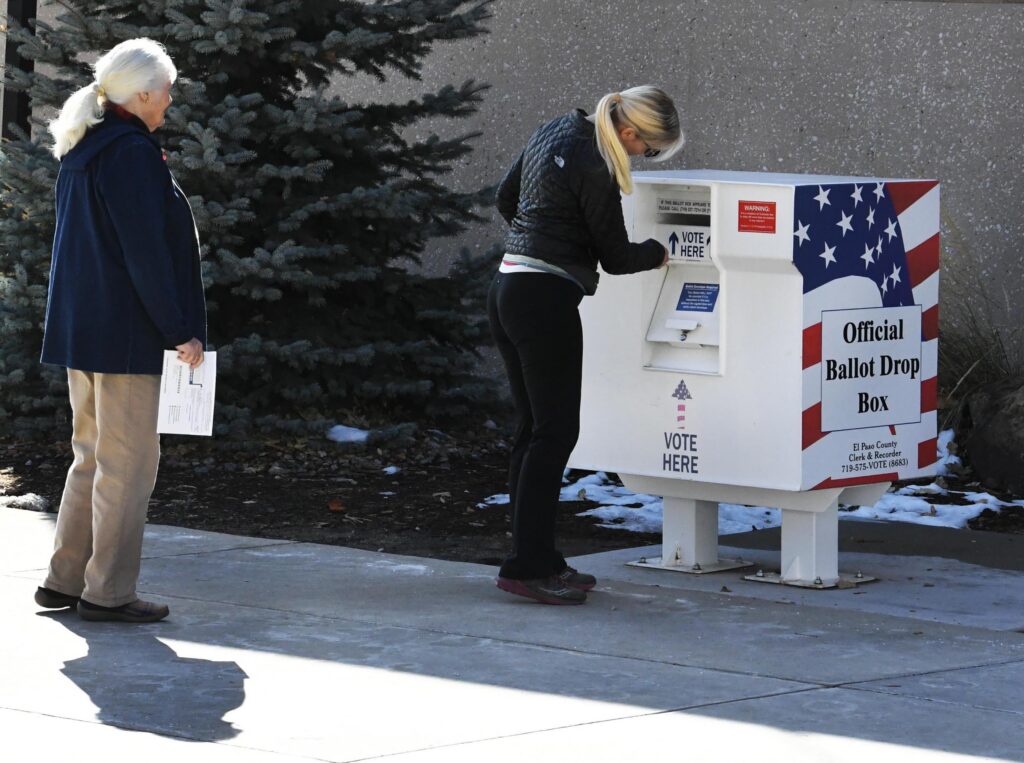
Colorado Attorney General Phil Weiser has joined a multistate coalition suing President Donald Trump over a new executive order on elections, arguing the directive unlawfully intrudes on states’ authority to run their own voting systems and threatens access to mail...
PREV
PREVIOUS

Denver police to test ShotSpotter system Wednesday near downtown, Capitol Hill
Downtown and Capitol Hill will be noisier than usual Wednesday, when the Denver Police Department is scheduled to conduct controlled gunfire tests to calibrate its gunshot detection system. The tool, called the ShotSpotter, involves acoustic sensors that detect and locate gunshots, then notify 911 dispatchers and patrol officers of the incidents. The process takes less […]

Castle Rock restaurant shuttered by state health department sues Gov. Polis, others
The owners of a Castle Rock restaurant shuttered by the state after video surfaced of its packed dining room on Mother’s Day – in violation of a pandemic-related public health order – is suing the state. The matter is “more than just a case of executive authority overreach and constitutional violations,” contends the lawsuit, filed by C&C Breakfast […]