

Colorado’s supply chain is secure, ag commissioner assures farmers, ranchers

While meat processing plants and the nation’s economy tremble under the coronavirus, Colorado’s food supply is still standing strong, state Agriculture Commissioner Kate Greenberg told farmers, ranchers and reporters on a lunchtime webinar Friday.
“In terms of supply, we’re good, we’re solid in Colorado,” she said.
Colorado ag producers also will prioritize food distribution to make sure those who need it can get it, Greenberg said.
“We do not expect a shortage on the shelves but at the same time we’re seeing a big changes in our very big system,” Greenberg said.
She said a meat shortage is “top of mind” to industry leaders as the supply chain pivots.
Unlike other states where the supply lines have backed up forcing the euthanasia of lower-priced animals, that’s not happened in Colorado.
“We’re going to do everything we can to make sure that’s never the case,” Greenberg said.
Farms and ranches were declared essential businesses in the emergencies orders issued by Gov. Jared Pols, and, true enough, the work has been unceasing so far, Greenberg and lawmakers said Friday.
“Our folks out in the field are doing work like any other day,” Greenberg said, adding that agriculture will be pivotal to the pandemic recovery, short-term and long-, to keep people working and the nation fed at prices the population can afford.
State Sen. Jerry Sonnenberg, a Republican and farmer from Sterling, joined the discussion first from a heavy equipment parts store and then later in the hour from his tractor barn.
He said killing off animals is not happening on a large scale, but there are some ranchers choosing to put down livestock rather than potentially feeding them until August or September when the processors and prices hopefully are back to normal.
Greenberg’s good news about the supply chain is offset by the bad news on prices. Beef Magazine reported Wednesday that prices for fed cattle continue to plummet, even though processed meat prices are soaring. “Packing plant woes rock the entire beef production chain,” the magazine reported.
Another livestock industry publication, Drovers, cited an analyst who said the industry is 200,000 to 250,000 head behind on slaughter levels needed to keep up with demand.
Greenberg described a tough but evolutionary six weeks for her staff of 300, with 80% of the office staff working from home. The pesticide inspection team pivoted to do most of the work remotely, she said.
“We’re working with all our divisions to determine what the future weeks and months look like,” Greenburg told those on Friday’s call.
Coronavirus isn’t a food-borne illness, but the risk is sick workers, who can’t do the very technical work of slaughtering animals and processing the meat safely.
Greenberg was on a call this week with Vice President Mike Pence to find personal protective equipment for ag workers.
“Without a healthy workforce we don’t have a health supply chain,” she said Friday.
Farmers, ranchers and cooperatives also should be part of the next stimulus package, she said, as well as paycheck protection help.
Colorado has asked for targeted relief for speciality crops, industrial hemp, family farms and rural healthcare, especially mental health, Greenberg said.
Sonnenberg said mental health would be a higher priority for him, given the upheaval in the markets and the uncertain future.
“We have farmers who need to keep an eye on neighbor farmers out there right now,” he said. “There are going to be some people who are going to have some mental issues that we’re going to have to keep an eye on and provide some help.”
Rep. Marc Catlin, a Republican from Montrose, said his district in the Four Corners region has more cows than people, other than Telluride and Cortez.
“This is about ag out here in the southwest district,” Catlin said.
Catlin spoke about how cuts to the budget caused by the economic collapse might affect water programs.
“Funding all over the state of Colorado is going to be hammered pretty hard, and imagine water is going to be one of them,” said Catlin, a Western Slope water manager who hosts a weekly radio show on the topic.
The severance taxes that pay for most water projects depends on oil and gas, which also is in crisis because of the economic fallout of the pandemic plus sn international price collapse.
“I think we’re all going to have to suffer through this, water included,” Catlin said.
State Sen. Kerry Donovan, a Democrat and rancher from Vail, said pesticide bills that had been discussed before the legislature adjourned on March 14 are most likely shelved for the year.
When lawmakers return to Denver tentatively on May 18, they’re likely to only take up bills tied to the state budget, the school finance act and recovery from the health emergency and financial crisis, she said.
“It doesn’t seem like any of the pesticide bills meet those criteria, so they may be put on the back-burner,” Donovan said.
A Democratic bill sought to give local governments the authority to regulate pesticide use. A Sonnenberg-backed bill would have required the Department of Agriculture to notify licensed pesticide applicators within 24 hours of a complaint to respond to the allegations.
A bipartisan bill sought to ban the use of some chemicals detrimental to pollinators, such as bees and butterflies, sold over the counter to unlicensed users.



Colorado Politics Calendar Apr. 6-12
Rachael Wright, Special to Colorado Politics
rachael.wright@coloradopolitics.com
Updated 3 days ago
CoPo’s weekly political calendar will help you find political and public-policy events throughout Colorado. It includes candidate and issue campaign events, public policy meetings, court hearings, state and local party conventions, assemblies, debates, rallies, parades, speaking engagements, traveling dignitary appearances,...

Democrats rebounding without learning necessary lessons | SONDERMANN
Eric Sondermann
eric-sondermann@coloradopolitics.com
Updated 4 hours ago
“When we fight, we win!” That, reportedly, was the chant heard over and over again at the Colorado Democratic Assembly a week ago. It suggests that pugilism has been the piece missing from the Democratic toolkit. Perhaps it was just...
An April Fool’s Day to remember | Capitol M | Week of April 4, 2026
Marianne Goodland
marianne.goodland@coloradopolitics.com
Updated 2 days ago
The lighter side of the Capitol, and if light were weight, the Capitol would have lifted off better than the Artemis II rocket on April Fool’s Day. There was a plethora of Fools at the Capitol for April Fool’s Day...

Federal judge sides with Mesa County school district in ex-student’s First Amendment claims
Michael Karlik
michael.karlik@coloradopolitics.com
Updated 18 hours ago
A federal judge concluded last week that Mesa County Valley School District 51 and three of its administrators did not violate the First Amendment rights of a former student when they imposed minor discipline in response to disruptive behavior. In...

Colorado Supreme Court intervenes in 4 ongoing cases
Michael Karlik
michael.karlik@coloradopolitics.com
Updated 22 hours ago
The Colorado Supreme Court recently moved to intervene in four ongoing cases, including two criminal prosecutions, a civil lawsuit, and a child welfare proceeding. At least four of the court’s seven members must agree to hear a case outside of...
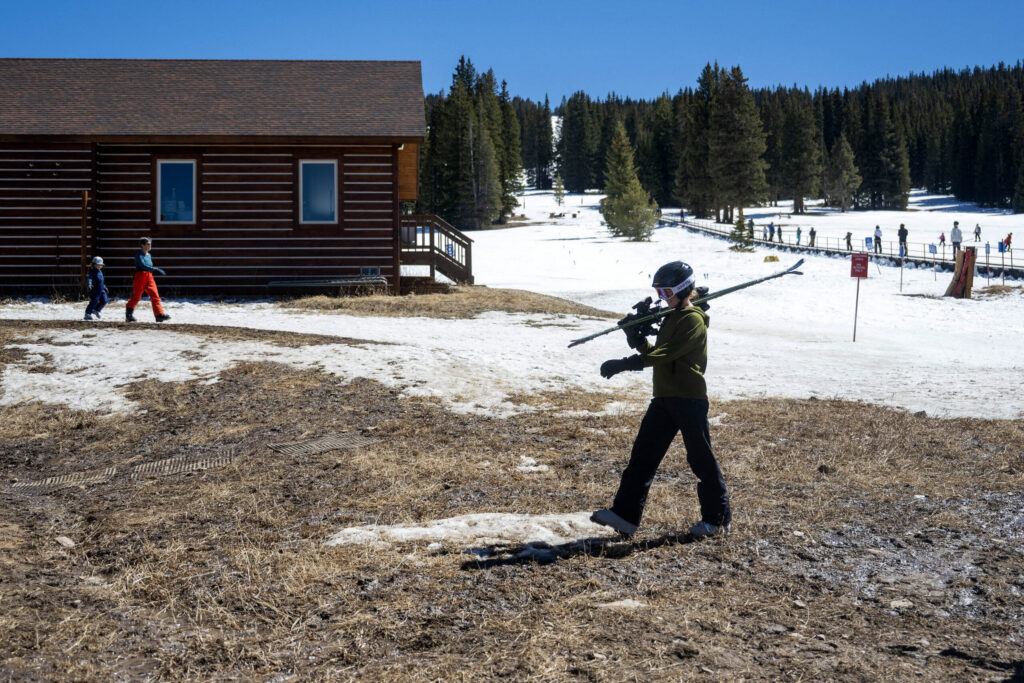
Colorado ski resorts announce early closures amid historic snowpack lows, high temperatures
Kyla Pearce
kyla.pearce@gazette.com
Updated 2 hours ago
Vail Resorts is the latest area to announce season closure Wednesday As Colorado’s historically low snowpack year comes to a close and spring conditions take over the mountains, the state’s major ski resorts are announcing closing dates — some of...

Kentucky Gov. Andy Beshear set to headline Colorado Democrats’ annual fundraising dinner
Ernest Luning
ernest.luning@coloradopolitics.com
Updated 22 hours ago
Kentucky Gov. Andy Beshear, one of the Democrats’ top 2028 presidential prospects, is scheduled to deliver the keynote address at the Colorado Democratic Party’s annual fundraising dinner in June in Denver, the party said Friday. Serving his second term as...
Gov. Polis names new leaders for Colorado health agencies in wake of Medicaid turmoil
Marianne Goodland
marianne.goodland@coloradopolitics.com
Updated 24 hours ago
Gov. Jared Polis, on Thursday, announced he was appointing Gretchen Hammer to serve as acting executive director of the Colorado Department of Health Care Policy and Financing, and deputy executive director Stephanie Beasley to become the next commissioner of the...

Federal judge releases man immediately as consequence for immigration judge disobeying orders
Michael Karlik
michael.karlik@coloradopolitics.com
Updated 21 hours ago
A federal judge ordered a man’s immediate release from immigration detention on Thursday after finding an immigration judge disregarded his prior orders requiring a bond hearing. For the past year, Colorado’s federal district court has faced a flood of “habeas corpus”...
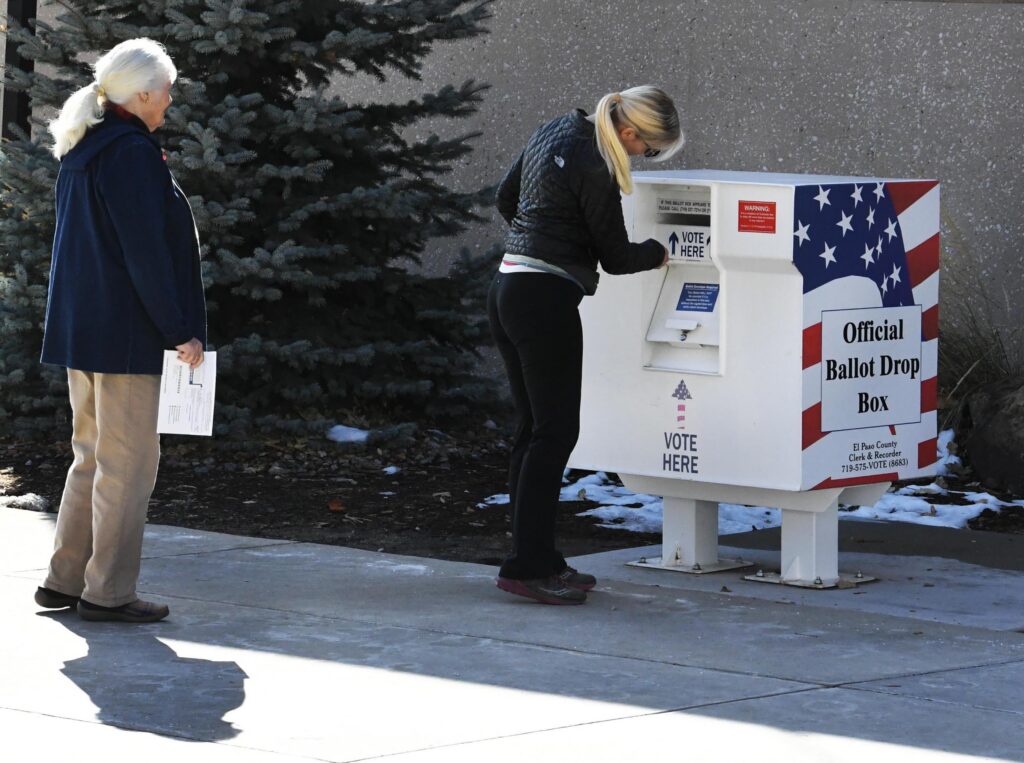
Colorado sues Trump administration, calling new election order ‘unconstitutional’
Marissa Ventrelli
marissa.ventrelli@coloradopolitics.com
Updated 2 hours ago
Colorado Attorney General Phil Weiser has joined a multistate coalition suing President Donald Trump over a new executive order on elections, arguing the directive unlawfully intrudes on states’ authority to run their own voting systems and threatens access to mail...
PREV
PREVIOUS
Jefferson, Adams counties announce nearly $200 million in federal coronavirus relief
One month after Congress passed the $2.2 trillion CARES Act to provide economic relief to individuals and a variety of organizations, Jefferson County announced that it has received $101.7 million and Adams County received $90 million. “Cities and counties are truly on the front line of dealing with this pandemic and this funding will help […]

Weiser demands compliance for companies advertising COVID-19 antibody tests
Attorney General Phil Weiser’s office has sent cease-and-desist letters to three businesses that he alleges were marketing COVID-19 tests using misleading or unproven claims. “Unfortunately, some Colorado companies have falsely claimed that tests they administer are FDA approved, and other companies are overstating the reliability and benefits of the unapproved tests they offer,” Weiser said. […]