

10th Circuit sides with mountain residents in ‘sham petition’ case

The U.S. Court of Appeals for the 10th Circuit on Tuesday found that the residents of a mountain community reasonably challenged a land use decision and were not liable for their legal conduct under the First Amendment.
Cordillera is an Eagle County community that had a private lodge and village center. A golf course, a spa and tennis courts were among the amenities in the community. In 2016, CSMN Investments bought the lodge and the village, intending to open an addiction-treatment center. The center would see patients experiencing a range of conditions, including eating disorders and chemical dependency.
Before finalizing the purchase, CSMN Investments asked the county’s planning director if an inpatient facility was allowable. There were 34 possible uses for the property, including medical offices and facilities that were “limited to clinic and outpatient facilities for non-critical care.”
On June 1, 2016, the planning director determined that the county’s policies did allow for an addiction-treatment center at Cordillera because there would be no critical care onsite and it would include clinical treatment.
Community reaction to the news was harsh, with residents saying that the project “should be stopped at all costs” and that people seeking treatment would be “destructive to our neighborhood’s peace of mind, real estate values and carefully cultivated reputation.”
Cordillera’s property owners association and the metropolitan district appealed to the board of county commissioners on the grounds that the treatment center was a violation of allowable uses. The board generally agreed with the planning director’s interpretation, but ordered that the center operate as an outpatient facility. Residents subsequently took the issue to state court, where they lost.
CSMN Investments, meanwhile, sued the property owners and metropolitan district in federal court, alleging that the residents were violating the Americans with Disabilities Act by discriminating against the future clientele of the treatment center. The company also alleged violations of the Fair Housing Act due to the residents’ opposition to letting clients – whom it again described as disabled – live onsite. The residents tried to dismiss the case, saying that the First Amendment conferred immunity on their lawsuit, while CSMN Investments claimed that the residents’ actions at the state level were “sham” petitions that did not deserve immunity.
Judge Judge Gregory A. Phillips, writing for the 10th Circuit panel, explained that the First Amendment’s protection of the right to petition one’s government for a redress of grievances leads to immunity. Originally, the issue arose with companies behaving in a coordinated manner to support or oppose government policies, but whose actions were protected from antitrust violations.
However, the U.S. Supreme Court recognized that “sham” petitions could make the courts a tool for one party to harass another. Therefore, the court decided that “There may be situations in which a publicity campaign, ostensibly directed toward influencing governmental action, is a mere sham to cover what is actually nothing more than an attempt to interfere directly with the business relationships of a competitor.”
A court must determine if a lawsuit has a reasonable basis and, if not, what the motivation is for it. Even unsuccessful lawsuits, such as the Cordillera residents’ one against CSMN Investments, may be reasonable because they help legitimize the judicial process for resolving disputes, and their underlying issues may contribute to the evolution of the law, Phillips wrote. He added: “these reasons weigh heavily in favor of broad immunity for petitioning activities, so long as the petitioning has a legitimate basis in the law.”
Phillips continued that just because the residents’ actions at the state level were unsuccessful, it does not mean that they were a sham. “Courts can reasonably question whether the subjective intent is to harass, discriminate, or interfere with legally protected rights,” he explained. “The homeowners had a right to be concerned about a change to the properties’ uses – especially one that restricted public access to a traditionally-open community amenity – and to press for an interpretation that would preserve public access.”
CSMN Investments asked the 10th Circuit to apply a less restrictive test to its determination of a sham petition, one that involved a “pattern of baseless, repetitive claims.” However, the judges rejected the request, noting a chilling effect could ensue.
The case is CSMN Investments LLC. v. Cordillera Metropolitan District et al.



Proposal to cap Colorado income tax rate qualifies for November ballot
Thelma Grimes
thelma.grimes@coloradopolitics.com
Updated 23 minutes ago
Election officials on Thursday confirmed that the proposal to cap the state’s income tax at the current rate submitted signatures and voters will consequently decide its fate this November. The fight over tax rates is part of the tug and...

Trump reaches deal to halt tariffs on beef for 90 days in bid to lower prices
Rena Rowe
rena.rowe@washingtonexaminer.com
Updated 22 minutes ago
President Donald Trump announced Friday that he had reached a deal to temporarily ease tariffs on beef imports, saying the move would help lower prices for families as the United States faces a severe cattle shortage and record-high beef prices....

Budget red ink threatens to spike inflation and unemployment
Zach Halaschak
zach-halaschak@coloradopolitics.com
Updated 1 hour ago
The ticking time bomb that is the national debt just crossed the $40 trillion mark and could spark a fiscal crisis that could throw the economy into disarray, spiking unemployment and exploding inflation. Republicans and some centrist Democrats have long...
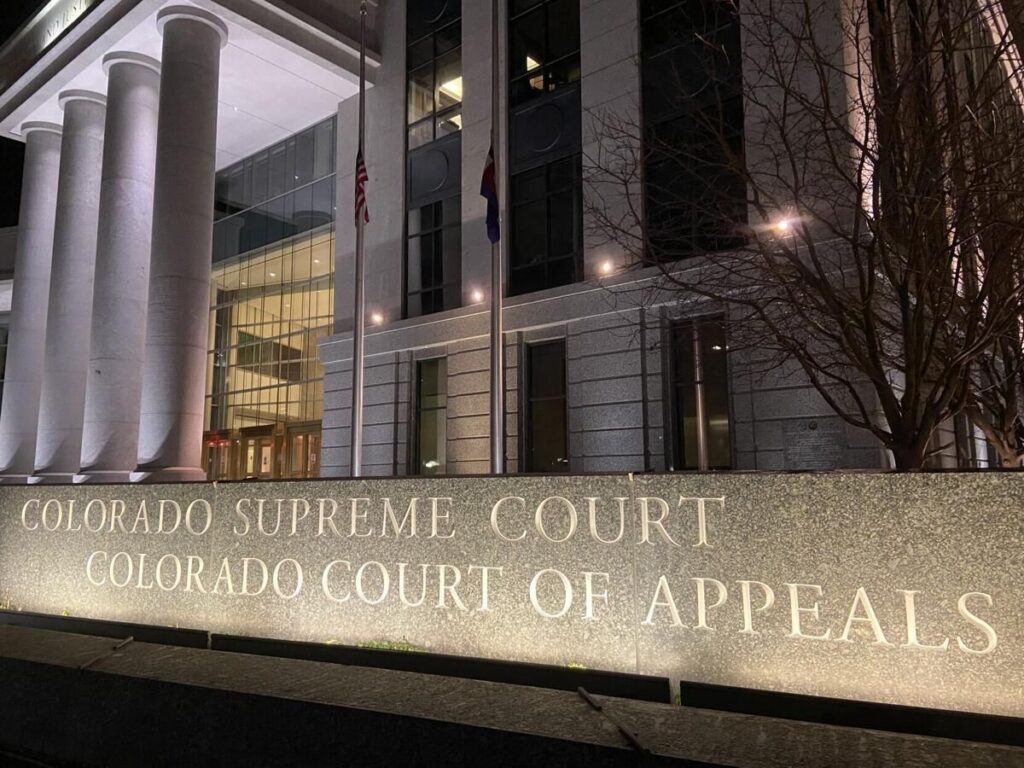
Schoolchildren’s presence at child sex-related trial did not harm Arapahoe County defendant, appeals court says
Michael Karlik
michael.karlik@coloradopolitics.com
Updated 2 hours ago
Colorado’s second-highest court decided on Thursday that the presence of a group of schoolchildren on the first day of a child sexual exploitation trial did not violate an Arapahoe County defendant’s constitutional right to a fair trial. Prosecutors charged Jerry...
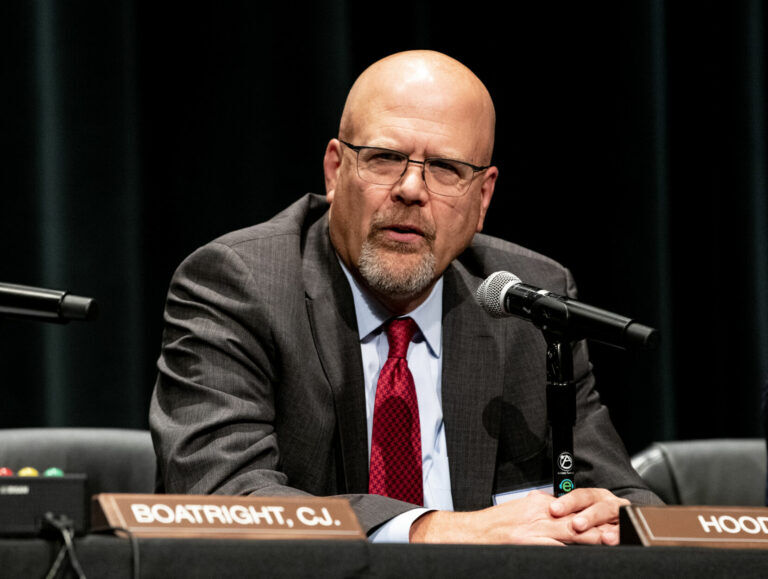
Colorado Supreme Court names William Hood as next chief justice
Michael Karlik
michael.karlik@coloradopolitics.com
Updated 2 hours ago
The Colorado Supreme Court has selected Justice William W. Hood III to be the next chief justice, the judicial branch announced on Friday. Hood will succeed Chief Justice Monica M. Márquez, who took over the role in July 2024. “I...

Colorado voters will decide fate of ‘right to hunt’ proposal
Colorado Politics
colorado-politics@coloradopolitics.com
Updated 37 minutes ago
Colorado’s election office said Thursday that a proposal to add a constitutional right to hunting and fishing has qualified for the November ballot. Backed by the International Order of T. Roosevelt, a group dedicated to preserving the North American Model...
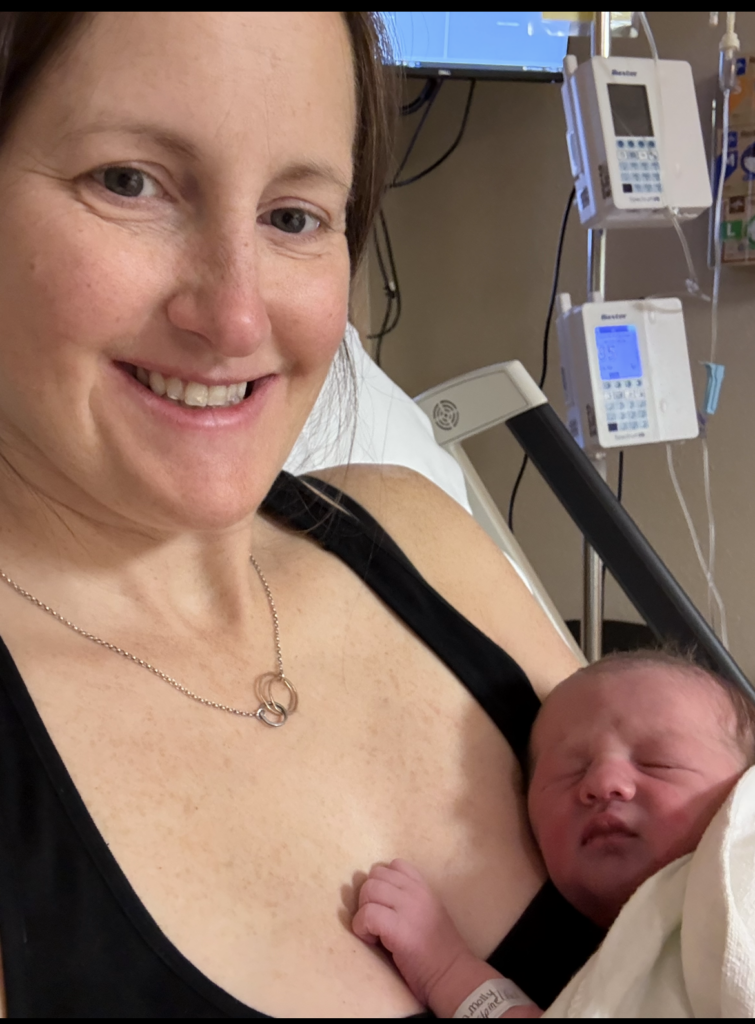
Healthcare Freefall: Telluride mother’s roadside birth underscores shrinking access to OB care in Colorado
Rachael Wright, Special to Colorado Politics
rachael.wright@coloradopolitics.com
Updated 4 hours ago
Editor’s Note: Colorado’s healthcare system is entering a period of accelerating instability — a “tsunami,” as multiple leaders describe it — driven by collapsing hospital finances, shrinking Medicaid reimbursements, disappearing services and a political fight over who is responsible for...

Appeals court upholds Park County trophy hunting conviction
Michael Karlik
michael.karlik@coloradopolitics.com
Updated 5 hours ago
Colorado’s second-highest court clarified on Thursday that a defendant may stand convicted under the state’s trophy hunting laws if he abandons a bear carcass but returns later to remove the meat. Under Colorado law, it is a felony to detach...

Healthcare Freefall: Longer drives, fewer options for maternity care in Colorado
Thelma Grimes
thelma.grimes@coloradopolitics.com
Updated 4 hours ago
Editor’s Note: Colorado’s healthcare system is entering a period of accelerating instability — a “tsunami,” as multiple leaders describe it — driven by collapsing hospital finances, shrinking Medicaid reimbursements, disappearing services and a political fight over who is responsible for...

Healthcare freefall: Breast cancer survivor shares strain of rural treatment travel
Hap Fry, Special to The Gazette
hap-fry@gazette.com
Updated 4 hours ago
Editor’s Note: Colorado’s healthcare system is entering a period of accelerating instability — a “tsunami,” as multiple leaders describe it — driven by collapsing hospital finances, shrinking Medicaid reimbursements, disappearing services and a political fight over who is responsible for...
PREV
PREVIOUS

Denver City Council delays $38.6M in FEMA reimbursement for COVID-19 spending
Denver City Council on Monday delayed the reimbursement of $38.6 million in federal emergency dollars that would have been repaid to the city government, the airport and Denver Health and Hospital Authority for virus-related spending. Denver City Councilman Chris Hinds led the effort to block the grant from the Federal Emergency Management Agency, citing transparency […]

Denver issued 65 green building permits under first year of ordinance
In the first year of Denver’s Green Buildings Ordinance, the city issued 65 permits for projects requiring cool roofs, which included 18 new buildings and 33 existing buildings. “Collectively, these projects will consume less energy, contribute less to Denver’s urban heat island, and provide more access to local green space than they would have in […]