

State Supreme Court to hear case on equal protections for felony assault
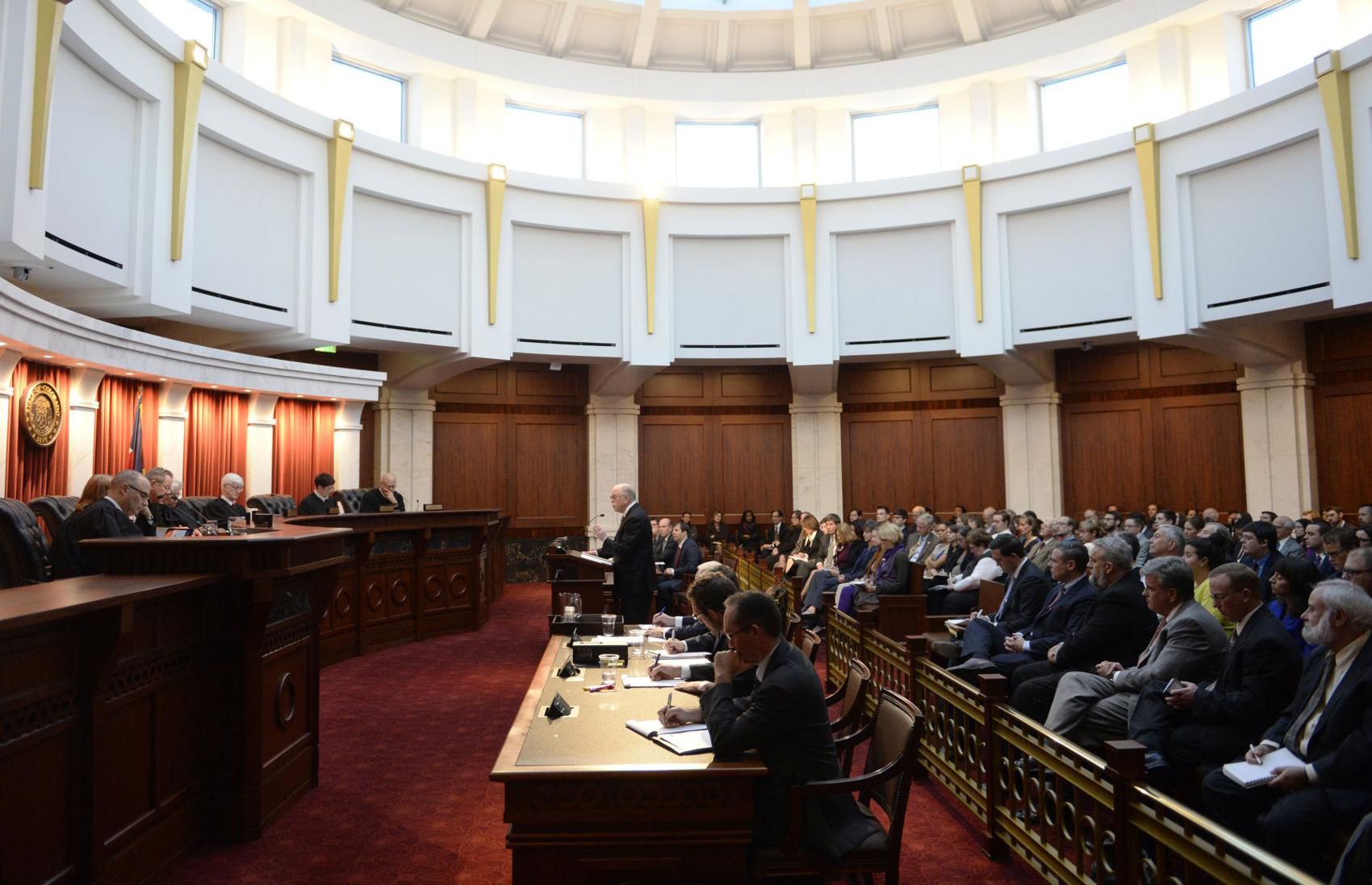
The Colorado Supreme Court announced on Monday that it will take up a case that hinges on whether prosecutors may file two different types of assault charges for the same conduct after the legislature created the distinction four years ago.
Prosecutors charged Dearies Deshonne Austin Lee with multiple assault and child abuse offenses, including two counts of second degree assault pursuant to the strangulation subsection of Colorado’s statutes and a sentence-enhancing charge for a crime of violence. Around this time, the Colorado Court of Appeals decided in a different case that because second-degree strangulation charges carried a lower maximum penalty than assault charged under the deadly weapon subsection, the prosecution’s attempt to enhance the strangulation sentence violated the defendant’s right to equal protection under the law.
Lee, who was also facing second-degree assault charges under the deadly weapon subsection, moved to dismiss those as well as the sentence-enhancing charge in light of the appellate decision. The trial court agreed, noting that Lee would merit a higher maximum penalty in this instance than under the strangulation subsection.
The prosecution appealed, prompting another Court of Appeals panel to clarify that a defendant cannot be charged under both subsections for the same crime because it ran contrary to legislative intent and also violated his equal protection rights.
Appellate Judge Rebecca R. Freyre noted that prior to 2016, strangulation that caused bodily injury was a crime that required prosecutors to show that the defendant’s hands were a deadly weapon. Prosecutors ran into difficulty with that mandate, and tended to pursue verdicts for misdemeanor assault charges instead.
However, that year the General Assembly enacted two changes. First, anyone convicted of assault with a deadly weapon would receive a sentence of five to 16 years of prison, probation or community corrections. Second, legislators created a separate subsection for strangulation that did not require demonstration of hands as a deadly weapon. The sentence prescribed was two to eight years, and the offense was taken out of the category of crime of violence.
“According to the bill’s proponents, the legislation was intended to unify and elevate all forms of strangulation resulting in bodily injury to a felony in order to more consistently punish this type of behavior, which is particularly prevalent in domestic violence situations,” wrote Freyre. She concluded that by raising strangulation to a felony, lawmakers intended to solve the problem that the deadly weapon subsection presented, not to complement the subsection.
The court found that it is permissible for prosecutors to file multiple charges for the same conduct. However, the deadly weapon subsection encompassed a “range of unspecified conduct,” and the General Assembly clearly defined the parameters of a strangulation assault charge.
Colorado laws against “identical conduct and carrying disparate penalties violate equal protection,” Freyre wrote, “unless there are reasonable distinctions in the proscribed conduct.” Consequently, the Court of Appeals upheld the dismissal of charges in Lee’s case.
The case is The People of the State of Colorado v. Dearies Deshonne Austin Lee.
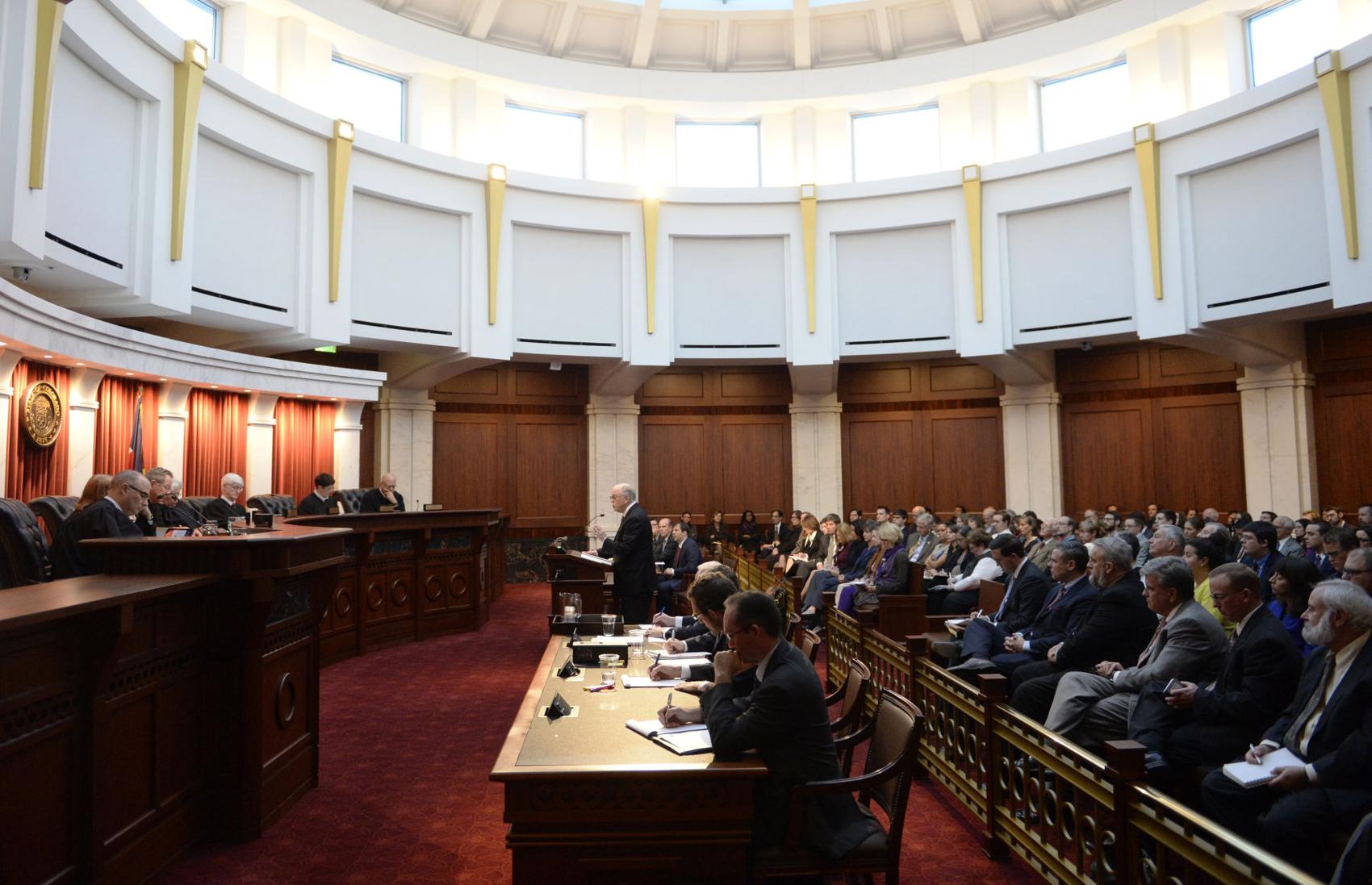


Trump lowers flags to half-staff for Dolly Parton: ‘The World loves you’
Naomi Lim
naomi-lim@coloradopolitics.com
Updated 12 hours ago
President Donald Trump is honoring the life of country music legend and philanthropist Dolly Parton by ordering federal buildings across the country to lower flags to half-staff for a week. “Very sad to report that Dolly Parton, one of the...
Ted Cruz suggests GOP realignment coming after Trump leaves office
Emily Hallas
emily-hallas@coloradopolitics.com
Updated 12 hours ago
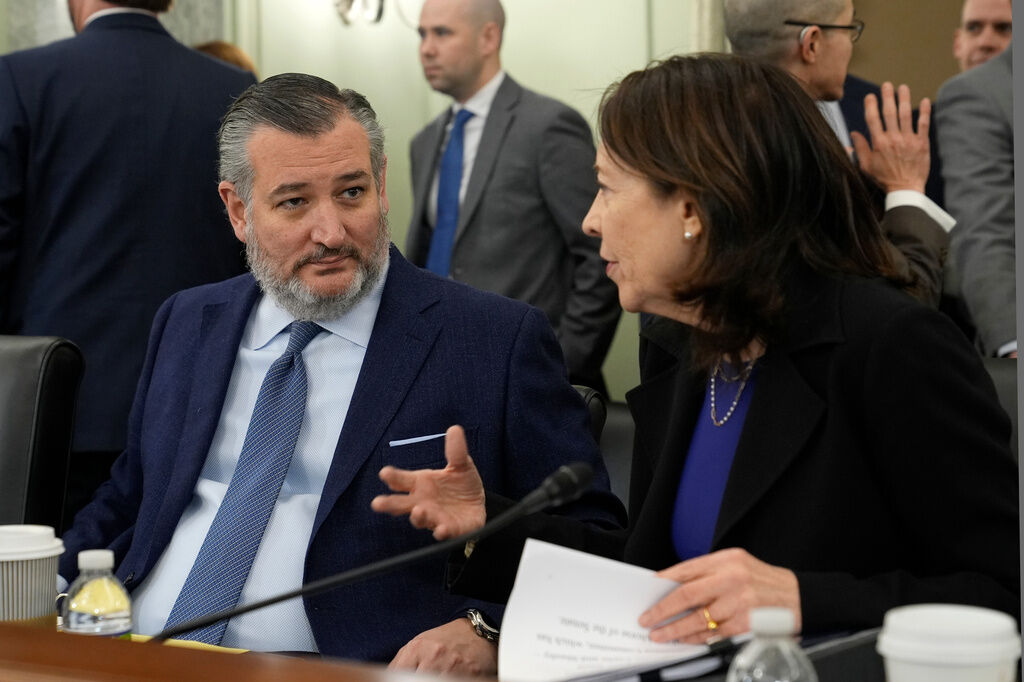
Sen. Ted Cruz (R-TX) on Monday suggested the Republican Party could embrace a directional shift after President Donald Trump leaves office, a transition that promises to leave a gaping hole in the GOP. Cruz is known as a critical ally...
2 Colorado State troopers shot near Woodland Park; suspect killed
DEBBIE KELLEY
debbie-kelley@coloradopolitics.com
Updated 12 hours ago
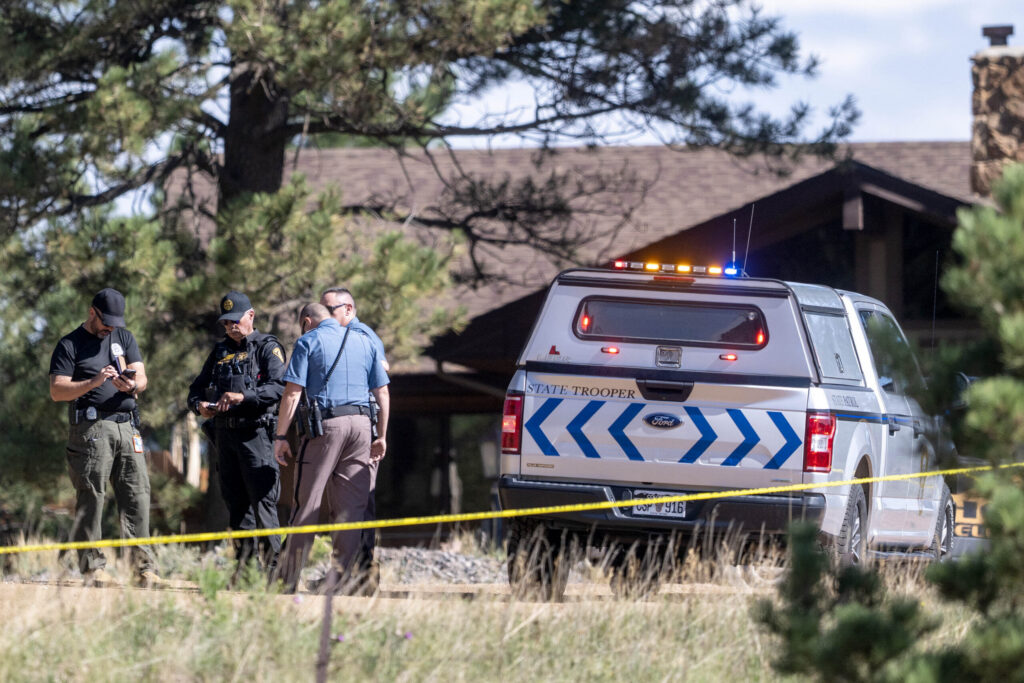
Two Colorado State Patrol troopers were hospitalized, and a suspect is dead after a shooting during a traffic stop Tuesday. The initial incident happened at about 7:15 a.m., when a resident reported suspicious activity in the area near milepost 286...

Aurora moves forward with data center regulations
Kyla Pearce
kyla.pearce@gazette.com
Updated 12 hours ago
The Aurora City Council approved moving forward with two new regulations on data centers and directed staff to come back at the next study session with others. At a council meeting in early August, council members directed city management to...

Aurora City Council considers stricter food truck regulations
Kyla Pearce
kyla.pearce@gazette.com
Updated 12 hours ago
The Aurora City Council is considering passing laws to limit the number of food trucks on properties in the city and how and when they operate. Councilmember Angela Lawson, who sponsored the ordinance, said she understands the importance of food...

Denver murder conviction reversed for incomplete self-defense instruction
Michael Karlik
michael.karlik@coloradopolitics.com
Updated 10 hours ago
Colorado’s second-highest court reversed a defendant’s murder conviction last week because a Denver judge gave an incomplete instruction to the jury about the man’s right to self-defense. Donald R. Gonzales and Gary McLaughlin met up in a Capitol Hill parking...
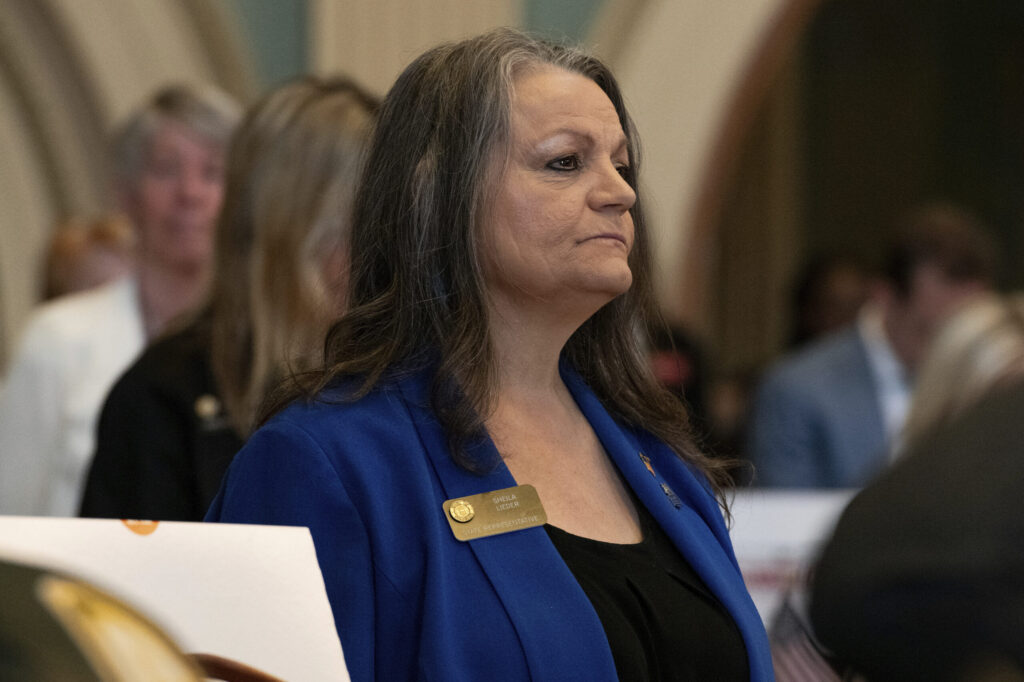
Colorado lawmaker, House leaders named in workplace-retaliation lawsuit
Marianne Goodland
marianne.goodland@coloradopolitics.com
Updated 13 hours ago
A former legislative aide has filed a lawsuit alleging she was mistreated, illegally directed to perform campaign work and harmed by a House leadership structure she charged was fragmented, politicized and ineffective at protecting employees. The lawsuit, filed by Jennifer...

Secret Service confirms awareness of Iranian state media video threatening Barron Trump’s life
The Associated Press
the-associated-press@coloradopolitics.com
Updated 17 hours ago
WASHINGTON (AP) — The U.S. Secret Service has confirmed it is aware that Iranian state media has aired a video that appears to threaten the life of Barron Trump, President Donald Trump’s youngest son. “The U.S. Secret Service is aware...

Federal judge hears arguments about Colorado’s 3-day gun purchase waiting period
Michael Karlik
michael.karlik@coloradopolitics.com
Updated 17 hours ago
A federal judge heard arguments on Monday about the constitutionality of a 2023 Colorado law that generally imposes a three-day waiting period on firearm purchases after the initiation of a background check. The test that the U.S. Supreme Court created...

Denver auditor finds oversight failures in $175.6M 16th Street project
Nico Brambila
nico.brambila@denvergazette.com
Updated 12 hours ago
Surprise historic sewer discovery delayed completion a year, cost $18M The Denver Auditor recently found significant oversight and contracting problems with the $175.6 million 16th Street Improvement Project, including an $18 million contract increase and a nearly one-year extension that...
PREV
PREVIOUS
Black Coloradans disproportionally affected by coronavirus, according to new data
Black Coloradans make up an outsized number of coronavirus cases and deaths, according to new data released by the state health department, mirroring a trend emerging across the United States. African Americans make up about 3.9% of the state’s population, but they account for 7% of the state’s COVID-19 cases and about 6.8% of the […]

Denver City Council OKs new license for medical marijuana research, development
Denver City Council on Monday night approved a new medical marijuana research and development license, marking the first phase of updates to the city’s marijuana regulations. The vote came 12-1, with Councilwoman Candi CdeBaca in opposition. She said she could not support the ordinance due to a lack of equity built into the new licensing […]