

10th Circuit allows limited claims to proceed against Denver prosecutor, sheriff deputy

The U.S. Court of Appeals for the 10th Circuit on Monday allowed two claims against a Denver prosecutor and sheriff’s deputy to go forward stemming from their conduct in a 10-year-old criminal case.
In 2010, Dean Carbajal violated a protection order for his former romantic partner on several occasions, culminating in a visit to her house in which he held a knife and threatened to kill himself. A jury found him guilty of 17 counts that included criminal trespass, harassment by stalking, and kidnapping. Initially, the Denver district attorney’s office brought five cases against Carbajal in county court. Only one ended up transferring to the district court, where the prosecutors then amended that case to include the dismissed charges.
Prosecutors then added charges in February 2011 related to a burglary. They filed contempt charges against Carbajal’s mother and a friend when they did not comply with a subpoena to appear as witnesses. Carbajal contended that the district attorney’s office knew he was innocent of the burglary accusation, and called their behavior toward the witnesses “malicious prosecution and [abuse of] the criminal process”. Carbajal sued in federal court, and of his claims, only an excessive force claim was allowed to continue against a Denver sheriff’s deputy for alleged physical abuse and harassment in retaliation for civil litigation.
Writing for the three-member appeals panel, circuit Judge Nancy L. Moritz disagreed with Carbajal’s representation of the burglary charge, saying that he had not proven “how [prosecutors] conspired to fabricate probable cause” or manufactured evidence. She also pointed out that Carbajal had not explained how the detective allegedly misrepresented the facts of the case either. Moritz upheld the dismissal of a related “abuse of process” allegation, declining to review the claim on its merits.
However, she reversed the lower court’s dismissal of Carbajal’s contempt claim against his prosecutor based on the doctrine of immunity. The prosecutor had sought arrest warrants for the witnesses, but the district court found she was “entitled to absolute prosecutorial immunity for those actions because they were ‘intimately associated with the judicial phase of the criminal process.'” Moritz disagreed with this application of immunity, and ordered that the district court consider the prosecutor’s statements in weighing whether she violated the witnesses’ constitutional rights in her handling of the subpoena.
The appeals court also allowed the excessive force claim against the sheriff’s deputy to continue, while granting immunity to District Attorney Beth McCann and other named defendants.
The case is Victoria Carbajal, et al. v. Beth McCann, et al.


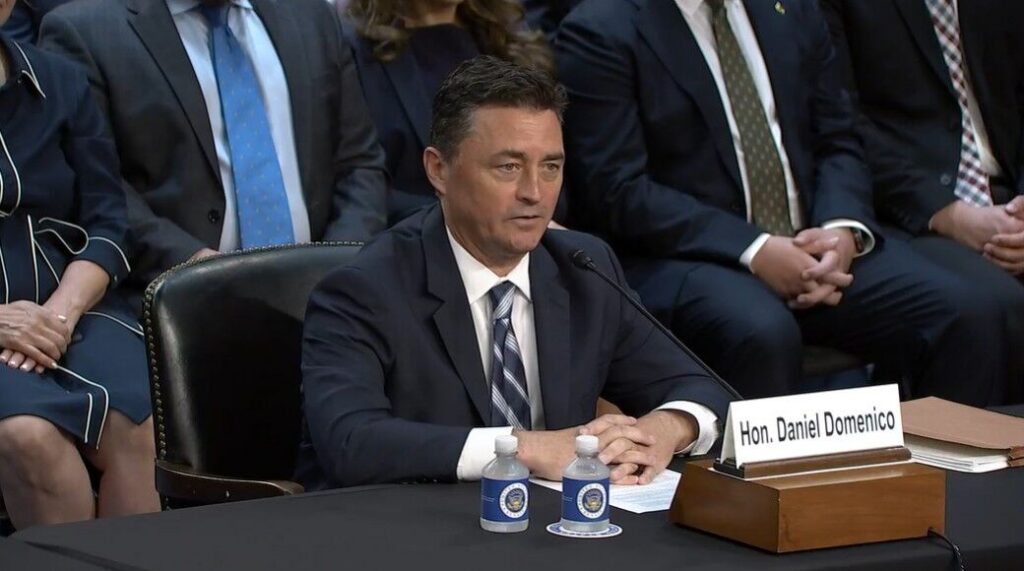
Trump’s judicial nominee orders bond in wave of cases after 10th Circuit rejects government’s position
Michael Karlik
michael.karlik@coloradopolitics.com
Updated 1 hour ago
Within 24 hours of the Denver-based federal appeals court rejecting the government’s expansive view of its immigration detention authority, the lone judge in Colorado to embrace that view ordered bond hearings for detainees in at least 20 cases. U.S. District...

Cherry Creek spent $65K on investigation, but invoices remain secret, records show
Nico Brambila
nico.brambila@denvergazette.com
Updated 1 minute ago
After previously refusing to disclose the cost associated with the investigation into the former superintendent and his wife, the former human resources chief, Cherry Creek School District officials partially released records showing the cost to taxpayers: $65,054.85. The Denver Gazette...
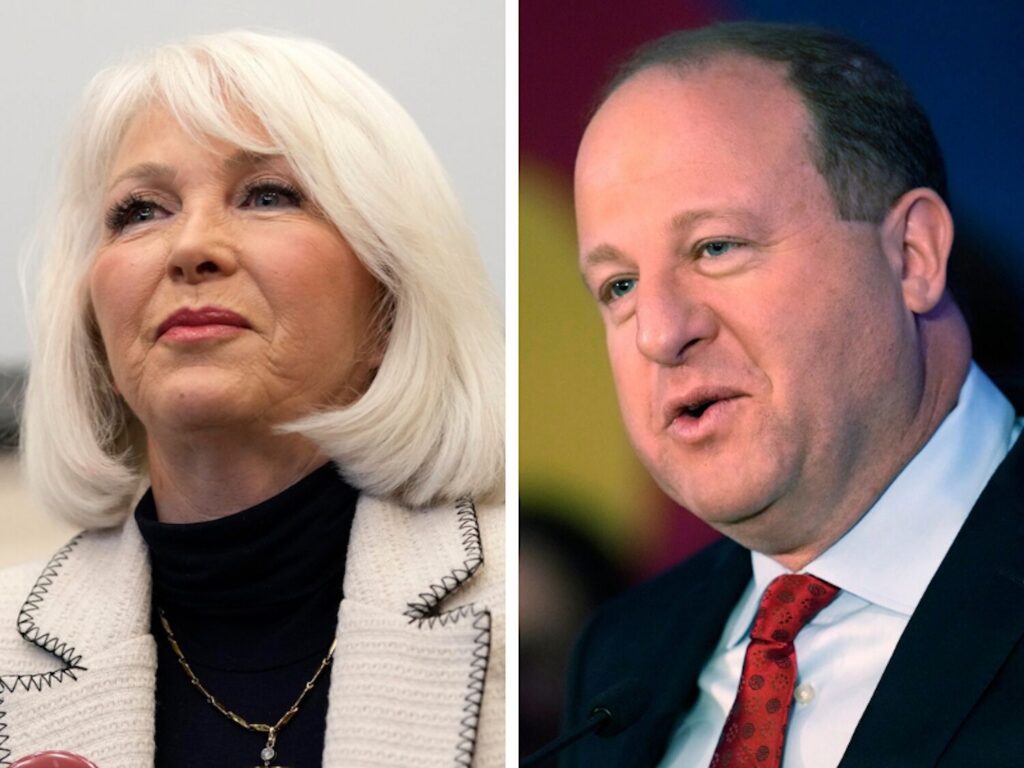
Colorado governor fires clemency board members who opposed Tina Peters commutation
Marissa Ventrelli
marissa.ventrelli@coloradopolitics.com
Updated 2 hours ago
Gov. Jared Polis has fired two members of his clemency board who opposed his commutation of Tina Peters’ sentence, according to Colorado Politics news partner 9News. In firing Azra Taslimi and Hannah Seigel Proff, Gov. Jared Polis said they had...

Democrats supercharge court fight after campaign finance ruling
James A. Downs
james.a..downs@washingtonexaminer.com
Updated 3 hours ago
Democrats are hoping to dampen the GOP’s midterm cash advantage after Republicans scored a major win allowing unlimited coordination between political parties and candidates. Republican campaign arms say they can access discounted TV ad rates after the Supreme Court lifted...

10th Circuit agrees Colorado satisfied jury award after intercepting money for restitution
Michael Karlik
michael.karlik@coloradopolitics.com
Updated 57 minutes ago
The Denver-based federal appeals court agreed last week that Colorado satisfied its obligations by not paying a man directly for violating his rights, but rather crediting the jury’s multimillion-dollar award toward the crime victim restitution he still owed in his...
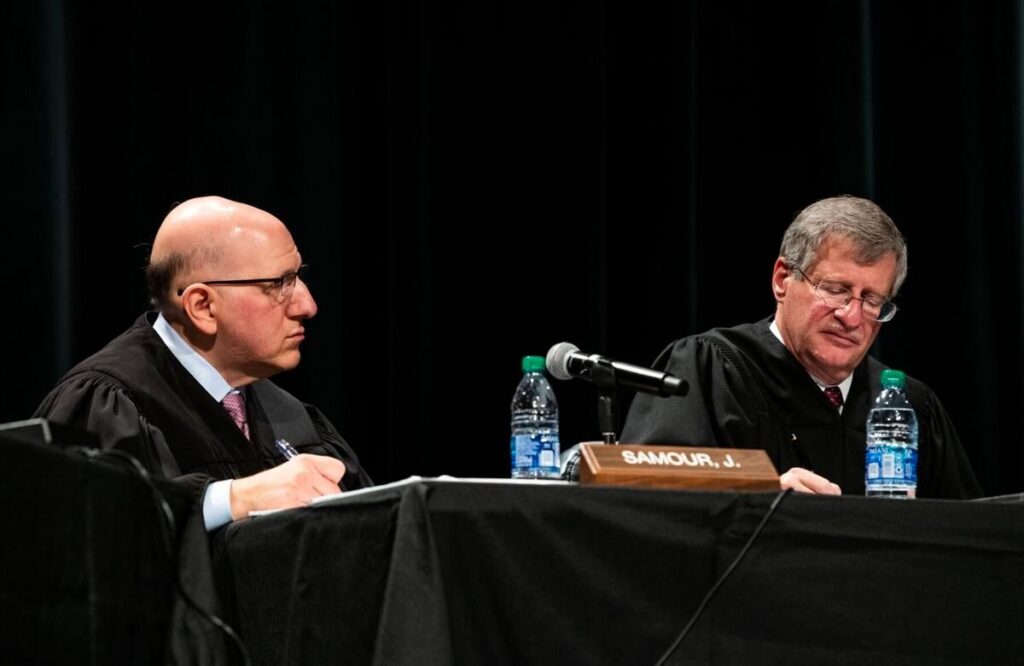
Colorado justices ponder whether insurer should save company from asbestos suits
Michael Karlik
michael.karlik@coloradopolitics.com
Updated 5 hours ago
Some members of the Colorado Supreme Court appeared skeptical last week that an insurance policy that reaches beyond the limits and coverage of a company’s other policies must “step down into the shoes” of those policies after they become insolvent....

Colorado business confidence improves but still pessimistic
Bernadette Berdychowski
bernadette.berdychowski@denvergazette.com
Updated 3 hours ago
Halfway into the year, business confidence across Colorado has improved but is still negative, a new report found. The Leeds Business Confidence Index, a measurement of how business leaders across Colorado feel about the future of the national and state...

How Melat Kiros pulled Democratic Party left in upset win over Diana DeGette
Ernest Luning
ernest.luning@coloradopolitics.com
Updated 9 hours ago
“It’s time for change,” Democratic congressional candidate Melat Kiros, a political newcomer and self-described democratic socialist, said in her campaign’s TV ad. On Tuesday night, primary voters in Denver agreed, giving the nomination to the 29-year-old, while at the same...
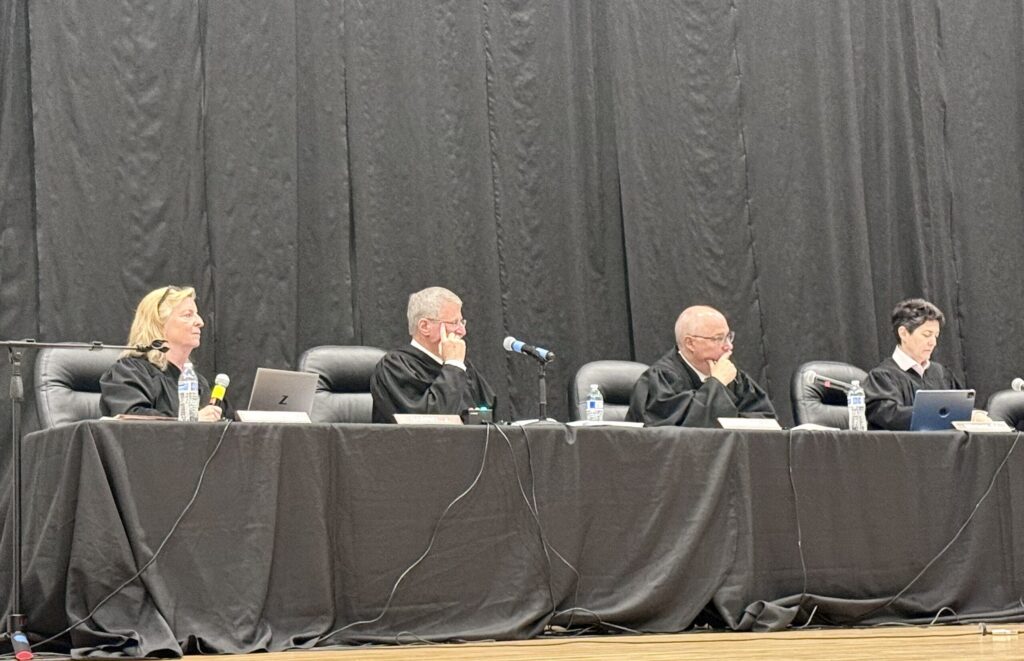
Colorado justices weigh ‘extreme’ proposals for civil jury trial requests
Michael Karlik
michael.karlik@coloradopolitics.com
Updated 21 hours ago
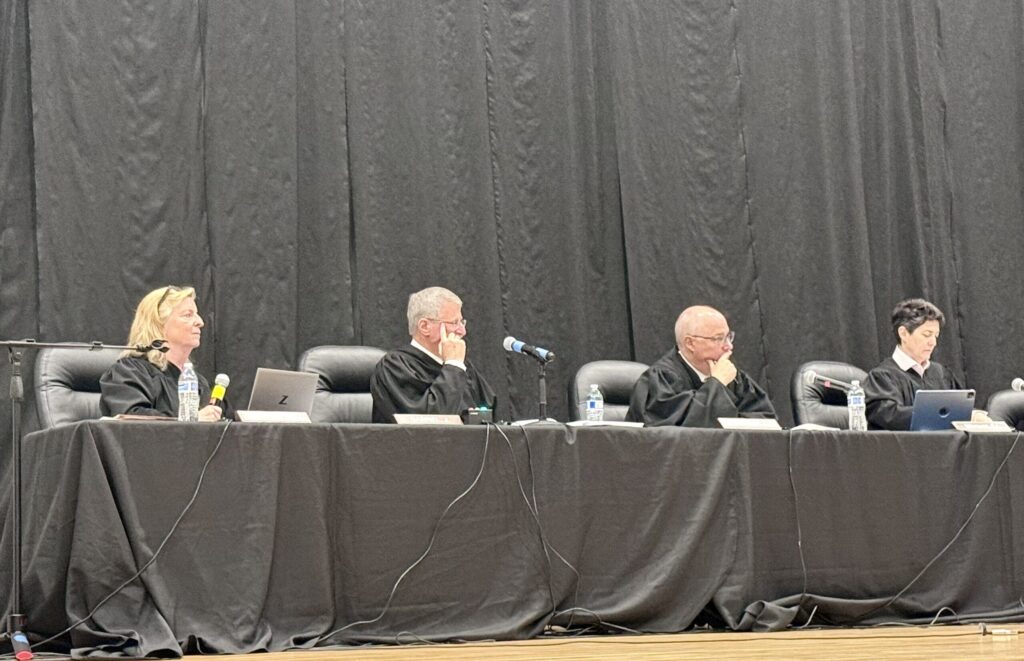
Members of the Colorado Supreme Court grappled last week with two vastly different proposals for evaluating when it is appropriate for a civil litigant to ask for a jury trial, as opposed to a bench trial before a judge. The...
Colorado justices weigh ‘extreme’ proposals for civil jury trial requests
Michael Karlik
michael.karlik@coloradopolitics.com
Updated 1 day ago
Members of the Colorado Supreme Court grappled last week with two vastly different proposals for evaluating when it is appropriate for a civil litigant to ask for a jury trial, as opposed to a bench trial before a judge. The...
PREV
PREVIOUS

Denver leaders host virtual town hall to address community concerns around COVID-19
As the public struggles to keep up with constant developments around COVID-19, many Colorado lawmakers are doing what they can – albeit virtually – to provide accurate information and combat circulating rumors while maintaining social distancing guidelines. House Majority Leader Alec Garnett and Rep. Leslie Herod, both Denver Democrats, hosted a telephonic town hall Sunday afternoon to […]

State Supreme Court to take up question of unanimous jury verdicts
The Colorado Supreme Court announced on Monday that it will hear a case that questions whether a jury, in deciding on self-defense, must conclude unanimously which element of the defense that prosecutors refuted beyond a reasonable doubt. In February 2015, police escorted Clarence Mosely from the Shotgun Willie’s strip club in Glendale for unruly behavior. […]