

Denver Archbishop says priests remain active despite distancing
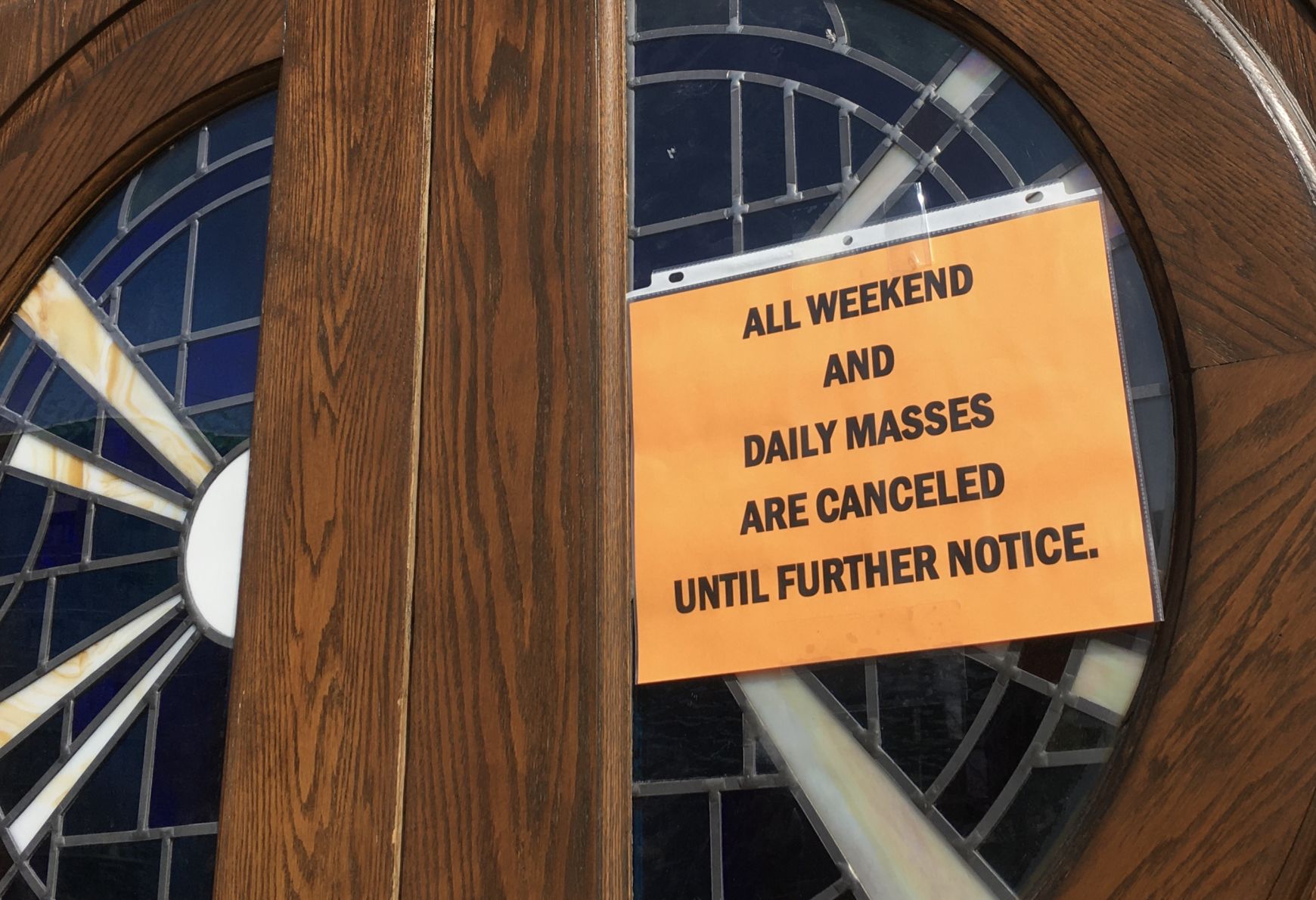
On a call with the faithful, Archbishop of Denver Samuel J. Aquila said on Sunday that priests still have substantial workloads amid the coronavirus pandemic, and that contemporary Catholics are “more blessed” compared to those who suffered through previous crises.
“We are much better off today than the plagues that hit the world throughout the centuries,” said Aquila. Referencing the Spanish Flu of 1918, swine flu and polio, the archbishop explained that “today we are more blessed in terms of being able to shelter in our homes. And we know how to protect ourselves to the extent possible by washing our hands, by distancing, by not going out and not going to other people’s homes and all of that.”
Also on the call was Rob Lanciotti, a church deacon in Fort Collins who spent 29 years working for the Centers for Disease Control and Prevention. Lanciotti, who has a doctoral degree in microbiology, was not speaking on behalf of the health agency.
“The challenge is we’re facing a respiratory virus, a highly transmissible virus, that’s been introduced into a population that has essentially no immunity at all,” said Lanciotti. “That’s the foundation for a pandemic.”
He said that a large percentage of the population will naturally survive the pandemic, which will create immunity. Otherwise, the only recourse is a vaccination, the development of which is still in progress.
Lanciotti described efforts to reduce transmissions as much as possible as measures not designed to prevent infections, but to spread them out over time.
“If you took all of the crimes that occurred in Denver in a year’s period and condensed it into one night, what would happen?” he asked. Hospitals and other first responders would be overwhelmed, the same as in a pandemic.
Sunday also marked the second week of in-person Masses being canceled across all three of Colorado’s Catholic dioceses. Aquila said that during the Spanish Flu, there was a similar shutdown that lasted for approximately one month. Nevertheless, priests were still conducting virtual Masses, telephoning parishioners, taking confessions, going to hospitals in limited cases, and “staying quite active,” he said.
The archbishop clarified that confessions must take place in person, and priests would observe six to nine feet of separation. “The church has always taught that confession must be person to person,” said Aquila. Phones, FaceTime or Skype are not permitted, in part to ensure that no one can record the conversation and partly to preserve “the sanctity of confession.”
Aquila closed the phone call by praying for healthcare providers, scientists, and members of Congress. He said that, as Congress struggled to pass a multi-trillion-dollar economic rescue bill over the weekend, “people on both sides of the aisle are not putting the common good first. It shows the dysfunctionalism of our society at this point in time and of our government that ideologies are coming before the common good.”


Wyoming judge blocks law that bans all but earliest abortions | OUT WEST ROUNDUP
The Associated Press
the-associated-press@coloradopolitics.com
Updated 4 days ago
WYOMING Judge blocks broad abortion ban A Wyoming judge has blocked a new state law that bans abortions beyond the earliest stages of pregnancy while a lawsuit challenging the provision moves ahead. It’s the first court ruling affecting the legal...
Trump order aims to help more people get retirement savings plans in time for new federal match
Collin Binkley
collin.binkley@associatedpress.com
Updated 16 hours ago
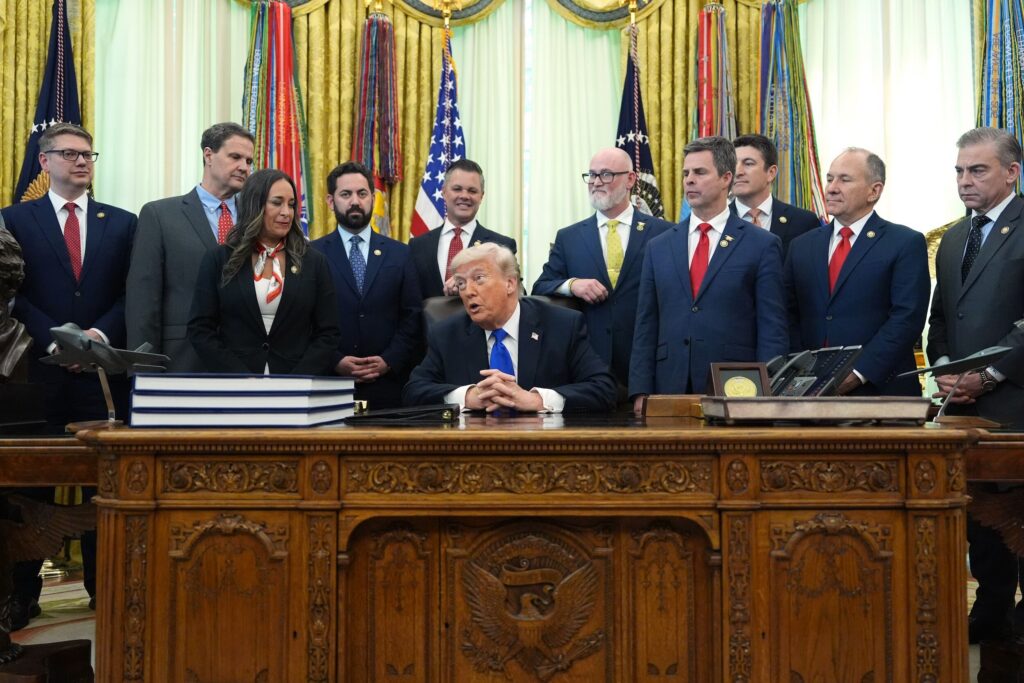
WASHINGTON • President Donald Trump signed an executive order on Thursday calling for a new government website where people in the United States can find and compare private-sector retirement savings accounts, aiming to help millions of workers whose employers do not offer such...
Colorado Politics Calendar May 4-10
Rachael Wright, Special to Colorado Politics
rachael.wright@coloradopolitics.com
Updated 4 days ago
CoPo’s weekly political calendar will help you find political and public-policy events throughout Colorado. It includes candidate and issue campaign events, public policy meetings, court hearings, state and local party conventions, assemblies, debates, rallies, parades, speaking engagements, traveling dignitary appearances,...
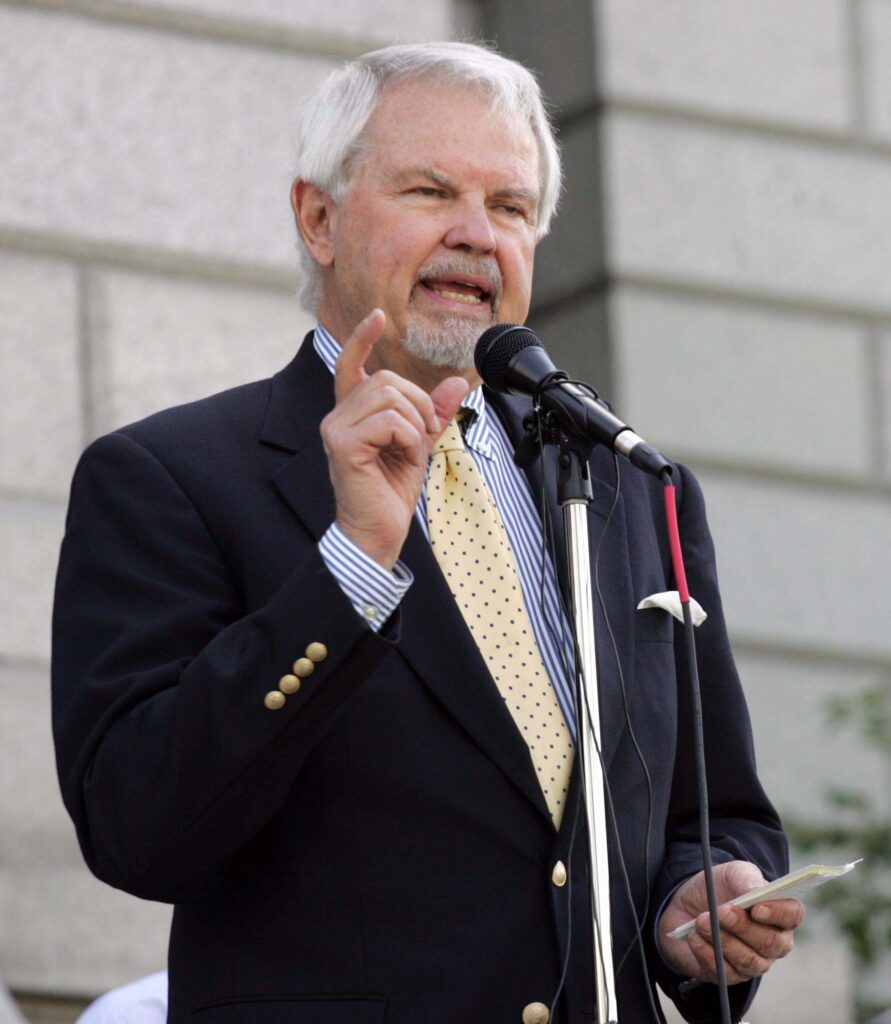
Gov. Lamm scolds own party over losing modernization battle against GOP | A LOOK BACK
Rachael Wright, Special to Colorado Politics
rachael.wright@coloradopolitics.com
Updated 4 days ago
Forty-Five Years Ago This Week: “The Democratic Party lost the battles of ideas and political technology last November,” Gov. Dick Lamm told the Boulder County Democratic Party at the annual Harry S. Truman Memorial Dinner. Lamm argued that the Democratic...
The need for a governor to say “no” to his friends | SONDERMANN
By Eric Sondermann
by-eric-sondermann@coloradopolitics.com
Updated 3 days ago
A wise man once remarked that the real test of a governor is his willingness to turn down and reject the pleadings of political friends and allies. That gentleman knew something of what he spoke. He occupied the corner-office executive...
Dismissal sought in Michael Clark’s second trial
Jenny Deam
jenny-deam@coloradopolitics.com
Updated 24 hours ago
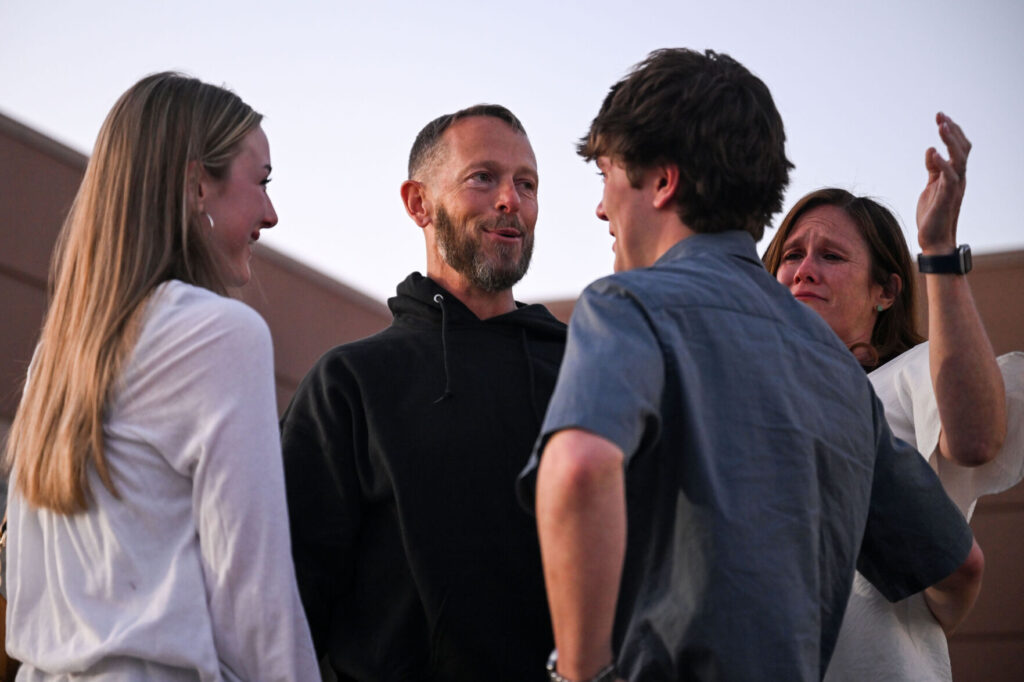
The murder conviction of Michael Clark should be dismissed due to a 32-year delay that led to crucial evidence being lost or destroyed, a bungled police investigation and “outrageous conduct” at the state crime lab, according to defense motion filed...
Colorado to get $75 million from opioid settlement with Purdue Pharma
Marissa Ventrelli
marissa.ventrelli@coloradopolitics.com
Updated 15 hours ago
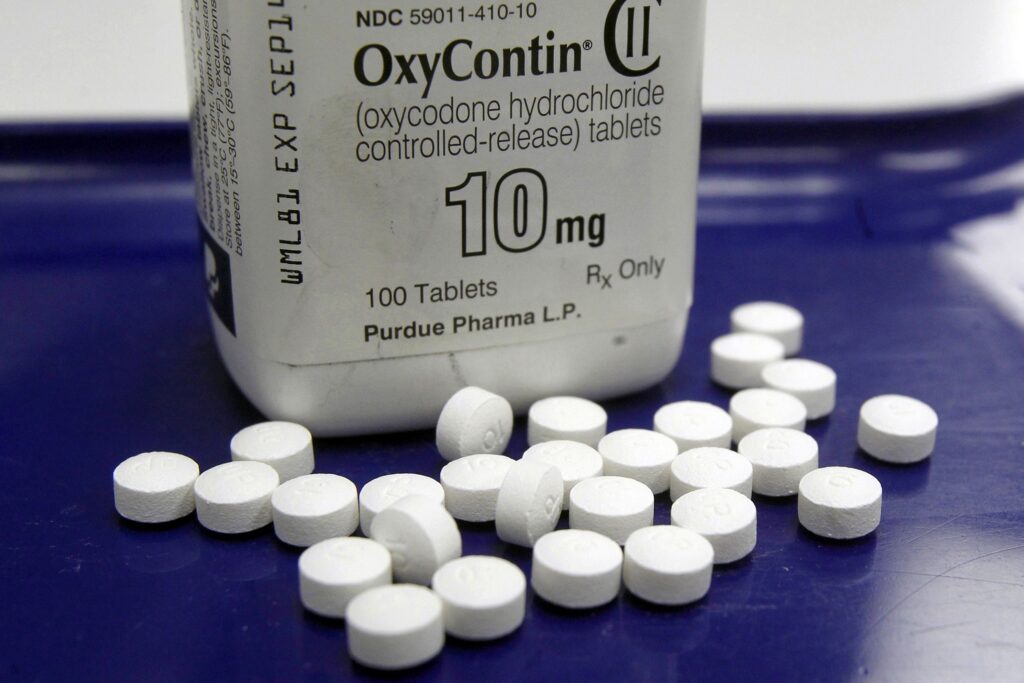
A $7.4 billion settlement reached with the pharmaceutical company Purdue Pharma and the Sackler family — its owners — is now legally effective a decade after attorneys general from multiple states launched an investigation and seven years after Colorado filed...
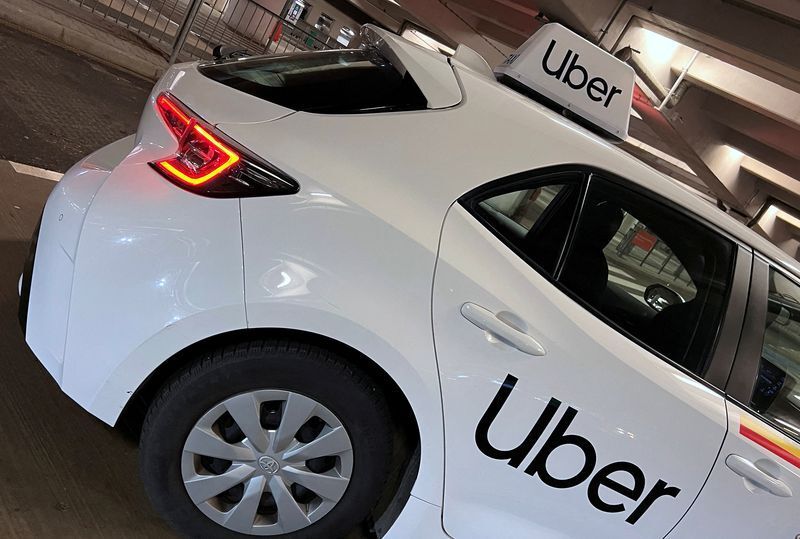
Committee approves reworked version of previously vetoed rideshare bill
Marissa Ventrelli
marissa.ventrelli@coloradopolitics.com
Updated 2 days ago
Members of the Colorado House Business Affairs and Labor Committee voted across party lines to pass a modified version of a bill establishing regulations on rideshare companies. Last year, Reps. Jenny Willford, D-Northglenn, and Meg Froelich, D-Englewood, introduced House Bill...
Fight over credit card ‘swipe fees’ attracts nearly 200 lobbyists in Colorado
Marianne Goodland
marianne.goodland@coloradopolitics.com
Updated 2 days ago
One of the most expensive fights of the 2026 session got a little closer to being over on Friday, when the Colorado Senate took a second final vote on the proposal to eliminate “swipe fees” on sales taxes. It’s not...
Veto likely as union-backed bill heads to Colorado governor’s desk — again
Marissa Ventrelli
marissa.ventrelli@coloradopolitics.com
Updated 2 days ago
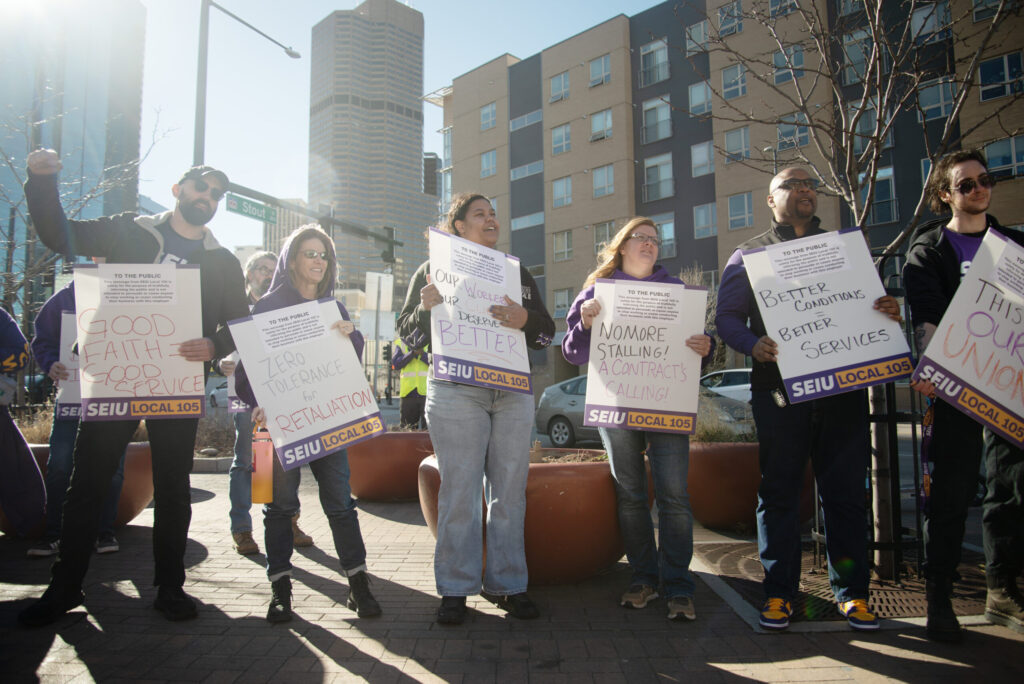
For the second year in a row, a bill that would make it easier for labor organizations to impose fees on all workers, regardless of union membership, is headed for Gov. Jared Polis’ desk. The governor, who vetoed the legislation...
PREV
PREVIOUS
City of Boulder to institute lockdown starting at 5 p.m. Tuesday
Boulder city manager Jane Brautigam has issued an order for residents to shelter in place beginning at 5 p.m. on Tuesday and extending until April 10. “Voluntary measures are not enough,” Brautigam said, “and we must enact a stay at home order for everything but the most essential activities if we are to flatten the […]
Griswold signs letter asking Congress for 'substantial funding' for elections
Secretary of State Jena Griswold joined 40 other local and state elections officials in calling on Congress to provide election funding in excess of the Senate’s proposed $140 million in advance of the November general election. “$140 million is a start but it is simply not enough to give all local election officials the support […]