

CU regents consider tuition increases, faculty raises

At its Feb. 14 meeting, the University of Colorado’s board of regents considered three scenarios that would enact their budgetary priorities of a 3% tuition increase for resident undergraduates and between a 1% and 3% increase in employee compensation.
The Denver and Colorado Springs campuses have planned budget reductions of between $2.1 million and $2.5 million due to lower enrollment, CU Connections reported. The university will in part use money from its reserve to fill the gap.
A 3% increase would mean each resident undergraduate would pay an additional $300 in annual tuition payments approximately.
In scenario A, CU would receive a 4% increase in state funding. In scenario B, there would be a 2.5% increase, which is the governor’s proposal. Scenario C anticipates a 6% increase. All three cases have the planned tuition increase and employee raise.
“We’re going to be having to constantly be more efficient, even with an inflationary adjustment,” said CU President Mark Kennedy. “Without that, it’s going to harm our ability to deliver on the talent and the discovery that the state needs, and that our students need, in order to succeed in their lives.”
Keeping tuition flat at the Denver campus would balloon its shortfall to $12 million. “This would dramatically reduce our ability to meet the needs of the students we serve,” the university noted in its budget presentation.
The same presentation noted that nationally, enrollment at public health schools is down 10% on average, and CU Anschutz Medical Campus is no exception. The pharmacy programs expect an 11% decrease in enrollment, and the Colorado School of Public Health has a larger graduating class than incoming class.
The university pointed to the Equal Pay Act, a state law that takes effect in January 2021 and prohibits unjustified wage differentials based on sex, as requiring compensation changes that a tuition increase must cover. The board will vote on the changes at its April 2-3 meeting.



Wyoming governor sues state board, asks court to enforce property tax cap | OUT WEST ROUNDUP
The Associated Press
the-associated-press@coloradopolitics.com
Updated 5 days ago
WYOMING Governor sues over property tax cap Gov. Mark Gordon filed a lawsuit on June 16 to force the State Board of Equalization to certify residential property tax values after the panel concluded it could not do so due to...
Democratic Colorado rural congressman threatens to caucus with GOP to preserve PILT | A LOOK BACK
Rachael Wright, Special to Colorado Politics
rachael.wright@coloradopolitics.com
Updated 4 days ago
Forty-Five Years Ago This Week: “It’s sometimes like talking to a brick wall,” said Colorado Congressional District 3 U.S. Rep. Ray Kogovsek. Kogovsek was frustrated at the lack of support from congressional representatives from the East Coast and the Midwest...

25 lessons and wishes to celebrate America’s 250th | SONDERMANN
By Eric Sondermann
by-eric-sondermann@coloradopolitics.com
Updated 5 days ago
The 250th celebration of America’s birth is upon us. There is undoubtedly much to salute. Despite plenty of strife and discontent at home, America remains a beacon to much of the world. The wisdom of our founders has largely withstood...

Colorado Politics Calendar July 6-12
Rachael Wright, Special to Colorado Politics
rachael.wright@coloradopolitics.com
Updated 5 days ago
CoPo’s weekly political calendar helps you find political and public policy events throughout Colorado. It includes candidate and issue campaign events, public policy meetings, court hearings, state and local party conventions, assemblies, debates, rallies, parades, speaking engagements, traveling dignitary appearances,...
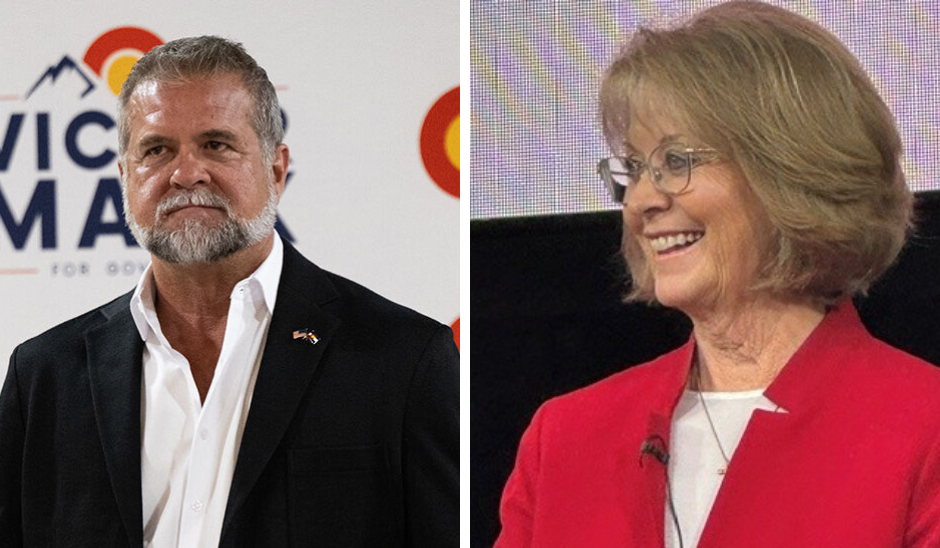
Victor Marx holds a steady lead over Barbara Kirkmeyer in Colorado Republican governor contest
Thelma Grimes
thelma.grimes@coloradopolitics.com
Updated 3 days ago
Victor Marx overtook state Sen. Barbara Kirkmeyer in the Republican primary for governor on Wednesday evening, seizing a narrow lead after trailing her since polls closed. Kirkmeyer, one of three candidates, opened the night with a clear advantage, at one...

Democrats confront shift as socialist-aligned candidates win races in Colorado
Thelma Grimes
thelma.grimes@coloradopolitics.com
Updated 2 days ago
Democratic socialists’ recent electoral gains — punctuated by Melat Kiros’ victory on Tuesday over U.S. Rep. Diana DeGette, the dean of Colorado’s congressional delegation — are the result of a movement that has been taking shape in metro Denver for...
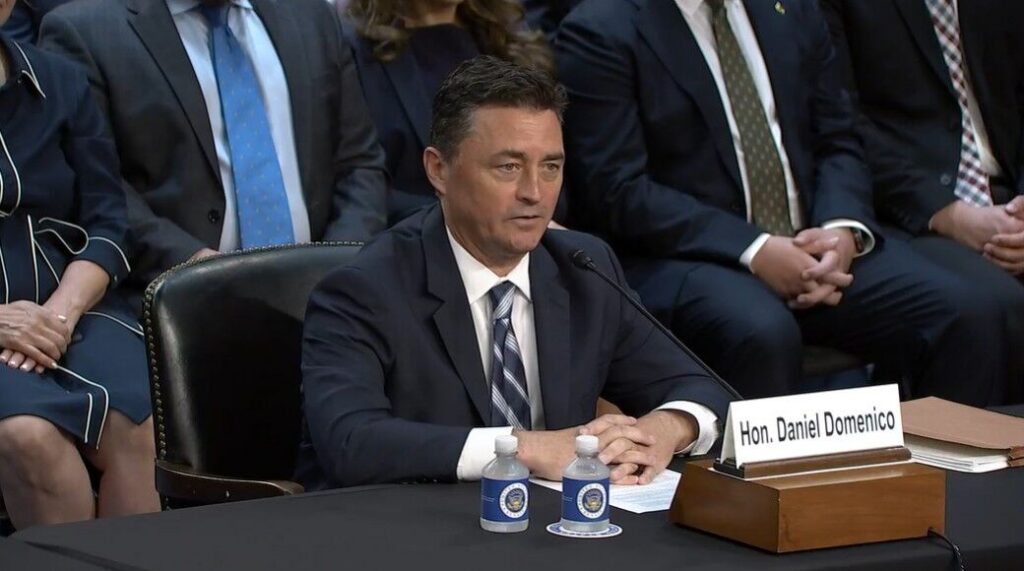
Trump’s judicial nominee orders bond in wave of cases after 10th Circuit rejects government’s position
Michael Karlik
michael.karlik@coloradopolitics.com
Updated 3 days ago
Within 24 hours of the Denver-based federal appeals court rejecting the government’s expansive view of its immigration detention authority, the lone judge in Colorado to embrace that view ordered bond hearings for detainees in at least 20 cases. U.S. District...
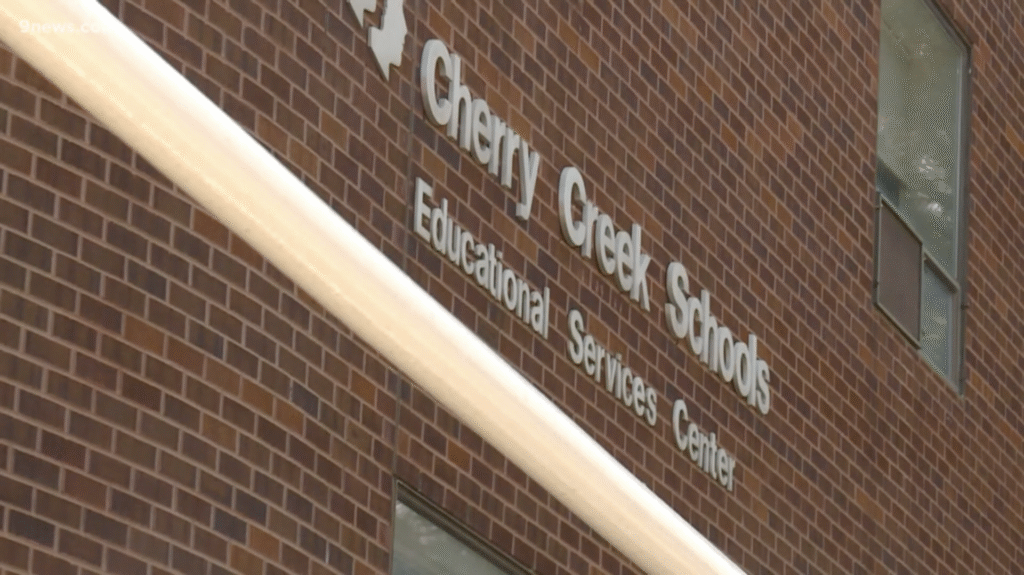
Cherry Creek spent $65K on investigation, but invoices remain secret, records show
Nico Brambila
nico.brambila@denvergazette.com
Updated 3 days ago
After previously refusing to disclose the cost associated with the investigation into the former superintendent and his wife, the former human resources chief, Cherry Creek School District officials partially released records showing the cost to taxpayers: $65,054.85. The Denver Gazette...
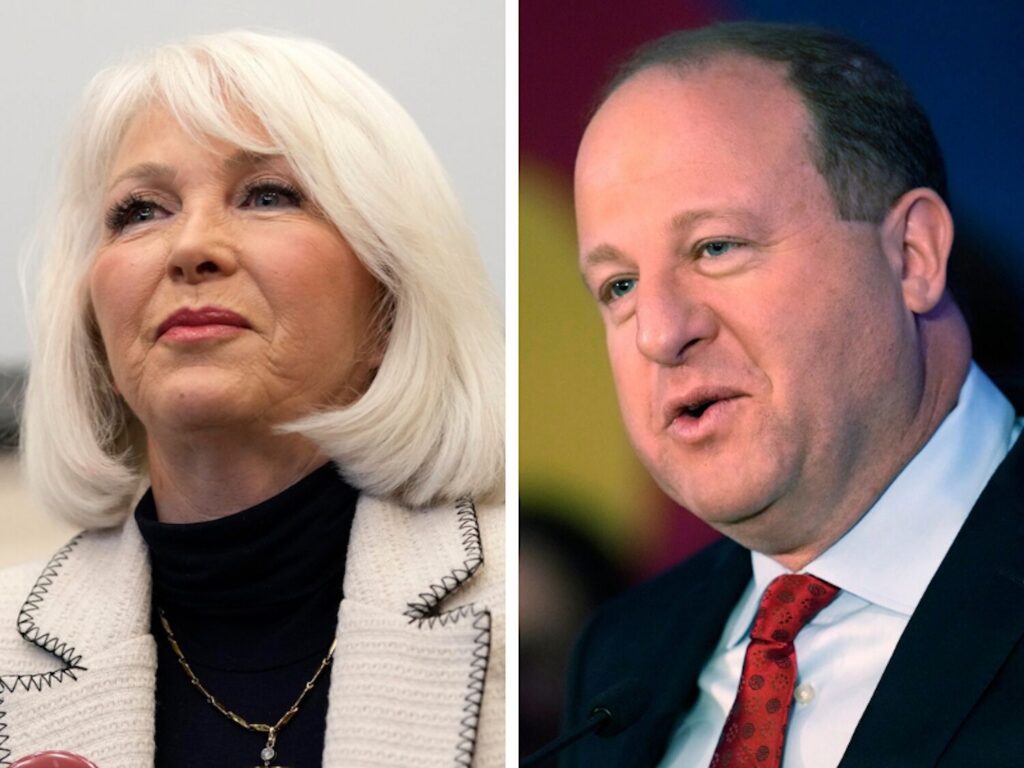
Colorado governor fires clemency board members who opposed Tina Peters commutation
Marissa Ventrelli
marissa.ventrelli@coloradopolitics.com
Updated 3 days ago
Gov. Jared Polis has fired two members of his clemency board who opposed his commutation of Tina Peters’ sentence, according to Colorado Politics news partner 9News. In firing Azra Taslimi and Hannah Seigel Proff, Gov. Jared Polis said they had...

Democrats supercharge court fight after campaign finance ruling
James A. Downs
james.a..downs@washingtonexaminer.com
Updated 4 days ago
Democrats are hoping to dampen the GOP’s midterm cash advantage after Republicans scored a major win allowing unlimited coordination between political parties and candidates. Republican campaign arms say they can access discounted TV ad rates after the Supreme Court lifted...
PREV
PREVIOUS

Turnout at 15% statewide in presidential primary
As of Sunday, 523,938 Colorado voters had returned their ballots for the presidential primary election, the secretary of state’s office announced Monday. That represents 15% of the 3.4 million active voters. There are just over 1 million active registered Democratic voters, and 980,000 registered Republicans. Nearly 1.4 million Coloradans are registered as unaffiliated. Included in […]

Weiser testifies in support of bail reform bill
Attorney General Phil Weiser testified in support on Monday of a bill that would create a pretrial release screening process in each judicial district in a way that minimizes race, ethnicity or gender bias, and lessens dependence on cash bail. “The main purpose of our bail system is both simple and limited – ensuring defendants appear […]