

OUT WEST ROUNDUP | Bill preserves sacred lake’s history; chili farmers see foreign competition
NEW MEXICO
President Nixon and the sacred lake: Bill preserves history
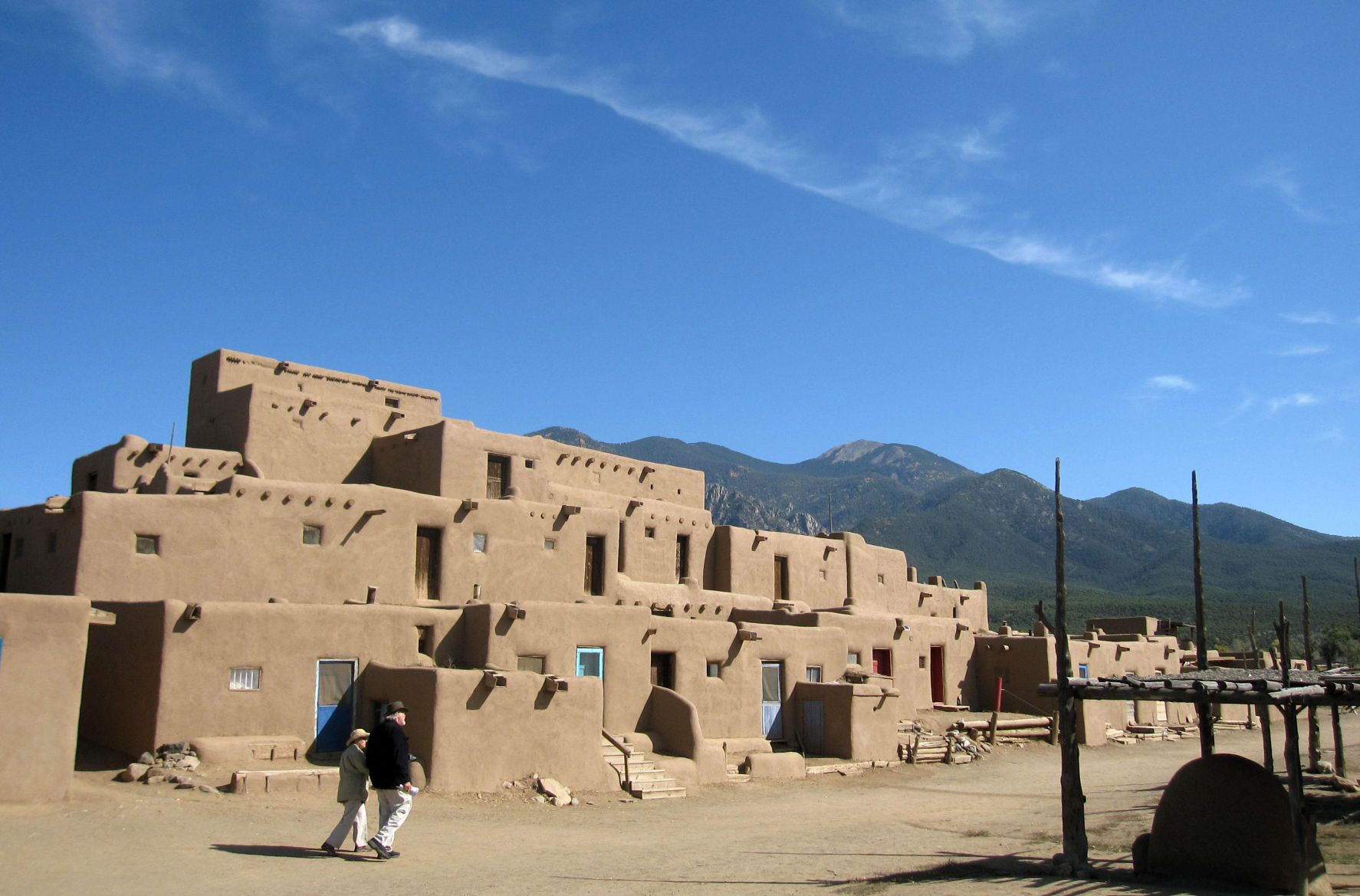
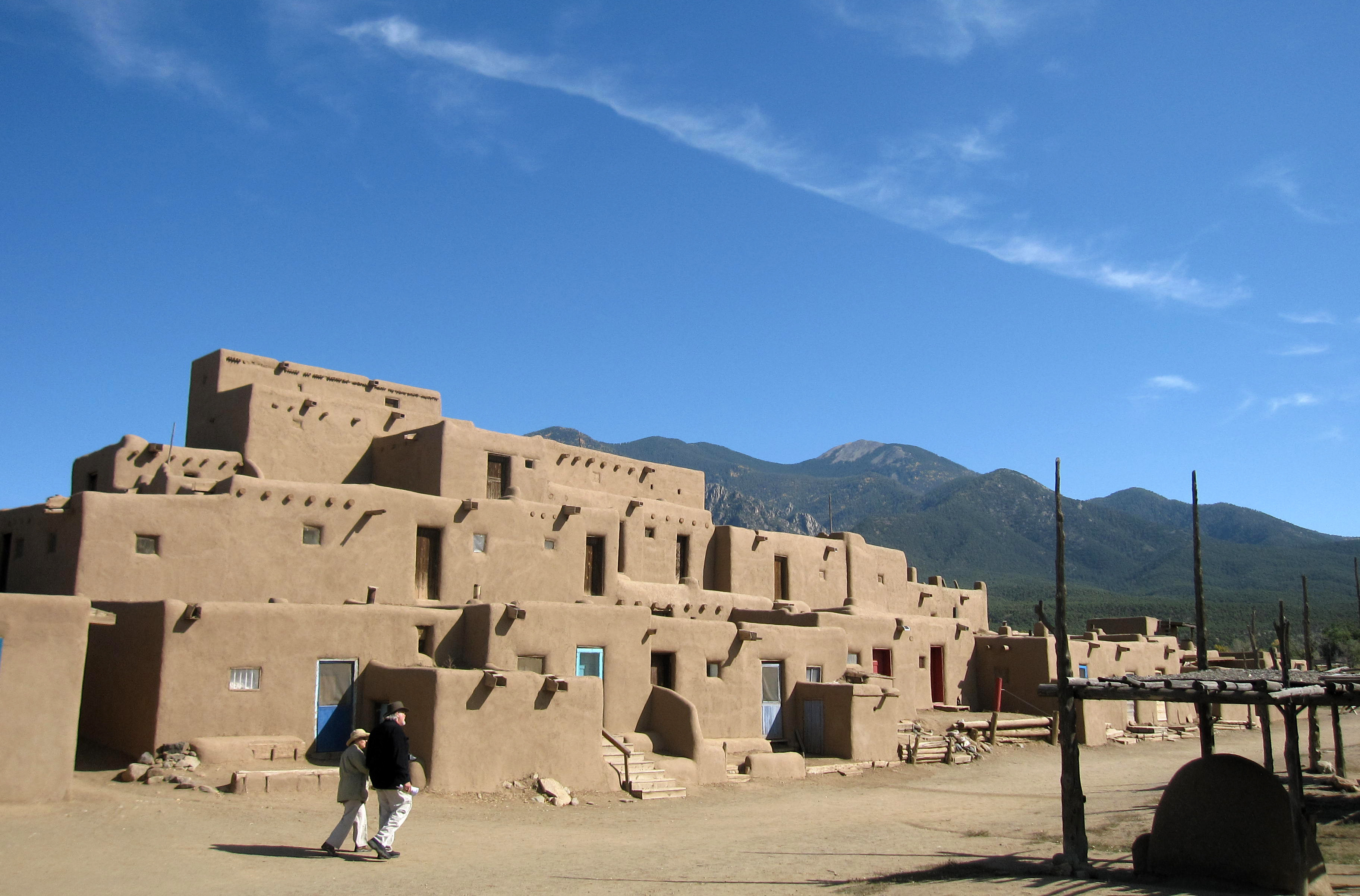
SANTA FE – It was 1970, the U.S. president was Richard Nixon and members of a small Native American community in northern New Mexico traveled to Washington to press their case for reclaiming a sacred alpine lake from federal control.
The story of the return of Blue Lake and 75 square miles of surrounding national forest land to the people of Taos Pueblo – finalized with Nixon’s signature in December 1970 – is being retold 50 years later, as tribal leaders and state legislators look for ways to preserve documentation and memories of the landmark victory for indigenous rights.
A legislative proposal would devote $350,000 from the state general fund to help preserve photographs, transcripts and news articles and develop exhibits and educational lessons about the campaign to reclaim Blue Lake, a site in the perched in the Sangre de Cristo Mountains prized as an integral part of Indian pueblo culture and ceremonial traditions.
Bill sponsor Sen. Bobby Gonzales, a Democrat from the adjacent town of Taos, described the decades-long effort to reclaim the Blue Lake site – culminating in the halls of Congress – as a battle of persuasion and public relations.
In testimony to a state Senate panel, Taos tribal council member Gilbert Suazo, who testified before a congressional committee in the summer of 1970, said the return of Blue Lake was a turning point in his people’s history. He said it’s a milestone in the 20th century Indian rights movement toward greater autonomy in governance and education.
Chili pepper farmers see more foreign competition
LEMITAR – The New Mexico Chile Association wants local chili pepper farmers to become state-certified amid more competition from foreign growers.
Association president Glen Duggins told KOAT-TV in Albuquerque that farmers are seeing more foreign imports from as far as China or India.
He says some of the imported chili peppers are sold under the New Mexico name.
Meanwhile, Duggins says state farmers are moving to other more profitable crops.
State officials are pressuring local farmers to get their peppers the “Certified New Mexico Chile” label by the New Mexico Chile Association.
There are only five large farms who are certified out of about 20 across New Mexico, according to the association.
Farms that make less than $10,000 per year do not have to pay to be certified. Farmers that make more do have to pay and their fee depends on how much they are producing.
ARIZONA
Federal judge OKs religious liberty defense of immigrant rights activists
An Arizona federal judge has reversed the convictions of four faith-based volunteers who were fined and put on probation for aiding migrants at the border, saying that the activists were simply exercising their “sincerely held religious beliefs.”
The ruling in United States v. Hoffman, which was announced on Feb. 3, upended a lower court decision that found the activists guilty of breaking federal law by leaving out water and food for migrants crossing the U.S.-Mexico border in Arizona’s Cabeza Prieta National Wildlife Refuge.
Activists in the case argued they were working with the group No More Deaths/No Más Muertes, an official ministry of the Unitarian Universalist Church of Tucson, and thus were acting on their religious beliefs to save immigrant lives. They contended that prosecuting them violates the 1993 Religious Freedom Restoration Act, which bars the government from placing a “substantial burden” on the free exercise of religion.
The lower court rejected the RFRA argument, but U.S. District Judge Rosemary Márquez ruled that not only are the activists’ beliefs sincerely held – so much so that the “depth, importance and centrality of these beliefs caused Defendants to restructure their lives to engage in this volunteer work” – but also that prosecuting them amounts to a substantial burden on their faith.
Katherine Franke, a law professor at Columbia University who joined other legal scholars in submitting an amicus brief in the case, called the ruling a “stinging rebuke” of both the lower court decision and the U.S. Department of Justice, which she accused of trivializing the religious freedom claims of the activists.
Top state court rules divorced woman can’t use frozen embryos
PHOENIX – A woman can’t use her frozen embryos to have a baby over opposition from her ex-husband under terms of the contract they signed with a fertility clinic, the Arizona Supreme Court ruled Jan. 23.
The high court ruling ends a case that drew support from social conservative groups for the woman, Ruby Torres, who had her eggs fertilized prior to treatment for an aggressive cancer in 2014 that rendered her infertile. After the couple divorced in 2017, her ex-husband didn’t want to have children together and asked the courts to order the fertilized eggs donated under terms of the contract.
A trial court ruled that the contract left it up to the courts to determine the fate of the embryos and then sided with the ex-husband, John Terrell, saying his interest in not having children he would be financially responsible for outweighed Torres’ right to have a biological child.
The state Court of Appeals overturned that ruling last March, agreeing that the contract allowed courts to decide but saying Torres’ rights to have children prevailed over Terrell’s right not to become a father.
The high court, sitting with only five of seven justices, unanimously agreed with Terrell that a contract clause “means that upon divorce or dissolution of the relationship, the parties chose to donate the embryos absent a contemporaneous agreement for use by one of them.”
The eggs will now be donated under terms of the former couple’s contract.
The Arizona Legislature changed the law in 2018 in response to Torres’ case. The law now allows a former spouse to use the embryos against their former partner’s wishes, but relieves the ex-spouse of parental responsibilities like child support. The change is not retroactive and therefore does not apply to Torres’ case.
UTAH
Lawmaker proposes requiring warning label for pornography
SALT LAKE CITY – A Utah lawmaker has unveiled a proposal to require pornography to carry warning labels or be subject to a possible $2,500 penalty, though an adult-entertainment industry group warned the idea would violate the First Amendment.
The label about the potential harm to minors would have to appear on both print and digital material that appears in Utah if the bill proposed by Republican Rep. Brady Brammer passes the Legislature.
If the label doesn’t appear, the producer could be sued for $2,500 per violation, either by the Utah Attorney General’s Office or a private group. The enforcement process would be similar to warning labels about toxic substances that are required in California, Brammer said.
The 15-second digital warnings would allow people to navigate away quickly if something obscene comes up online accidentally, he said.
The bill doesn’t contain a specific definition of pornography. Instead, that would be decided in court if a lawsuit is filed under the law, Brammer said. The law wouldn’t regulate the content itself, so doesn’t violate free-speech rights, he said.
Mike Stabile, a spokesman for the Free Speech Coalition, an adult-industry trade group, said such a warning label would violate the First Amendment because it would require producers to communicate a specific message.
The bill is broad enough that it could cover everything from the TV show “Game of Thrones” to a partially nude selfie on Twitter, he argued.
Brammer said he drew the language of the warning from a resolution passed by Utah in 2016 that declared pornography a public-health crisis, citing its widespread availability online.


Colorado Politics Calendar Apr. 6-12
Rachael Wright, Special to Colorado Politics
rachael.wright@coloradopolitics.com
Updated 3 days ago
CoPo’s weekly political calendar will help you find political and public-policy events throughout Colorado. It includes candidate and issue campaign events, public policy meetings, court hearings, state and local party conventions, assemblies, debates, rallies, parades, speaking engagements, traveling dignitary appearances,...

Democrats rebounding without learning necessary lessons | SONDERMANN
Eric Sondermann
eric-sondermann@coloradopolitics.com
Updated 1 hour ago
“When we fight, we win!” That, reportedly, was the chant heard over and over again at the Colorado Democratic Assembly a week ago. It suggests that pugilism has been the piece missing from the Democratic toolkit. Perhaps it was just...
An April Fool’s Day to remember | Capitol M | Week of April 4, 2026
Marianne Goodland
marianne.goodland@coloradopolitics.com
Updated 2 days ago
The lighter side of the Capitol, and if light were weight, the Capitol would have lifted off better than the Artemis II rocket on April Fool’s Day. There was a plethora of Fools at the Capitol for April Fool’s Day...

Federal judge sides with Mesa County school district in ex-student’s First Amendment claims
Michael Karlik
michael.karlik@coloradopolitics.com
Updated 15 hours ago
A federal judge concluded last week that Mesa County Valley School District 51 and three of its administrators did not violate the First Amendment rights of a former student when they imposed minor discipline in response to disruptive behavior. In...

Colorado Supreme Court intervenes in 4 ongoing cases
Michael Karlik
michael.karlik@coloradopolitics.com
Updated 19 hours ago
The Colorado Supreme Court recently moved to intervene in four ongoing cases, including two criminal prosecutions, a civil lawsuit, and a child welfare proceeding. At least four of the court’s seven members must agree to hear a case outside of...
Colorado ski resorts announce early closures amid historic snowpack lows, high temperatures
Kyla Pearce
kyla.pearce@gazette.com
Updated 19 hours ago
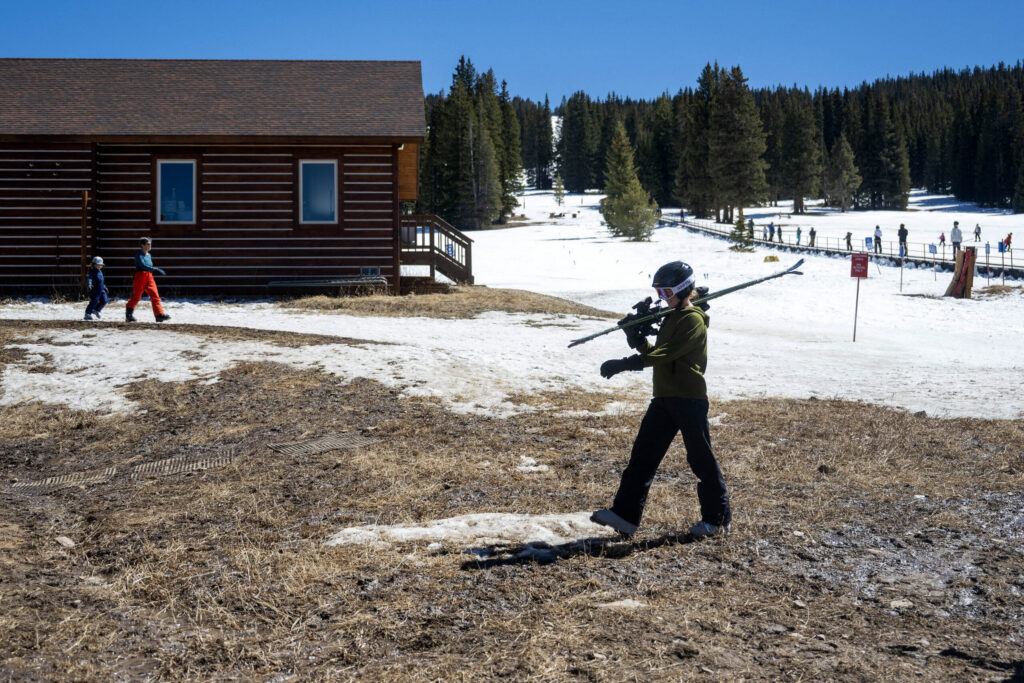
Vail Resorts is the latest area to announce season closure Wednesday As Colorado’s historically low snowpack year comes to a close and spring conditions take over the mountains, the state’s major ski resorts are announcing closing dates — some of...

Kentucky Gov. Andy Beshear set to headline Colorado Democrats’ annual fundraising dinner
Ernest Luning
ernest.luning@coloradopolitics.com
Updated 19 hours ago
Kentucky Gov. Andy Beshear, one of the Democrats’ top 2028 presidential prospects, is scheduled to deliver the keynote address at the Colorado Democratic Party’s annual fundraising dinner in June in Denver, the party said Friday. Serving his second term as...
Gov. Polis names new leaders for Colorado health agencies in wake of Medicaid turmoil
Marianne Goodland
marianne.goodland@coloradopolitics.com
Updated 21 hours ago
Gov. Jared Polis, on Thursday, announced he was appointing Gretchen Hammer to serve as acting executive director of the Colorado Department of Health Care Policy and Financing, and deputy executive director Stephanie Beasley to become the next commissioner of the...
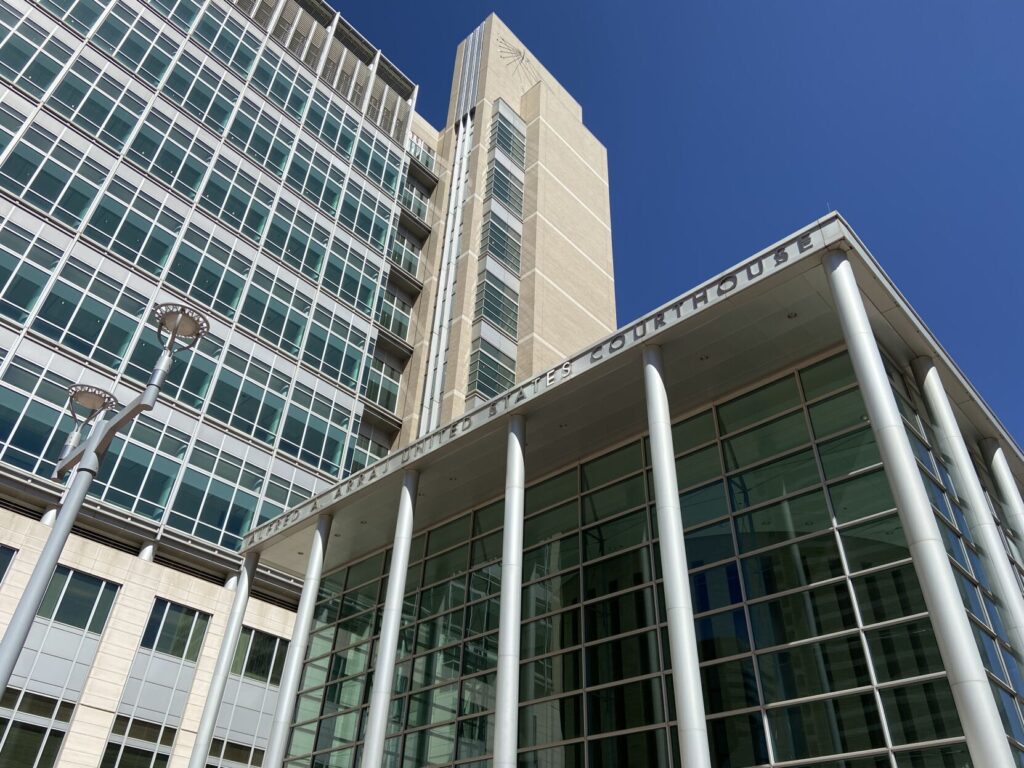
Federal judge releases man immediately as consequence for immigration judge disobeying orders
Michael Karlik
michael.karlik@coloradopolitics.com
Updated 18 hours ago
A federal judge ordered a man’s immediate release from immigration detention on Thursday after finding an immigration judge disregarded his prior orders requiring a bond hearing. For the past year, Colorado’s federal district court has faced a flood of “habeas corpus”...
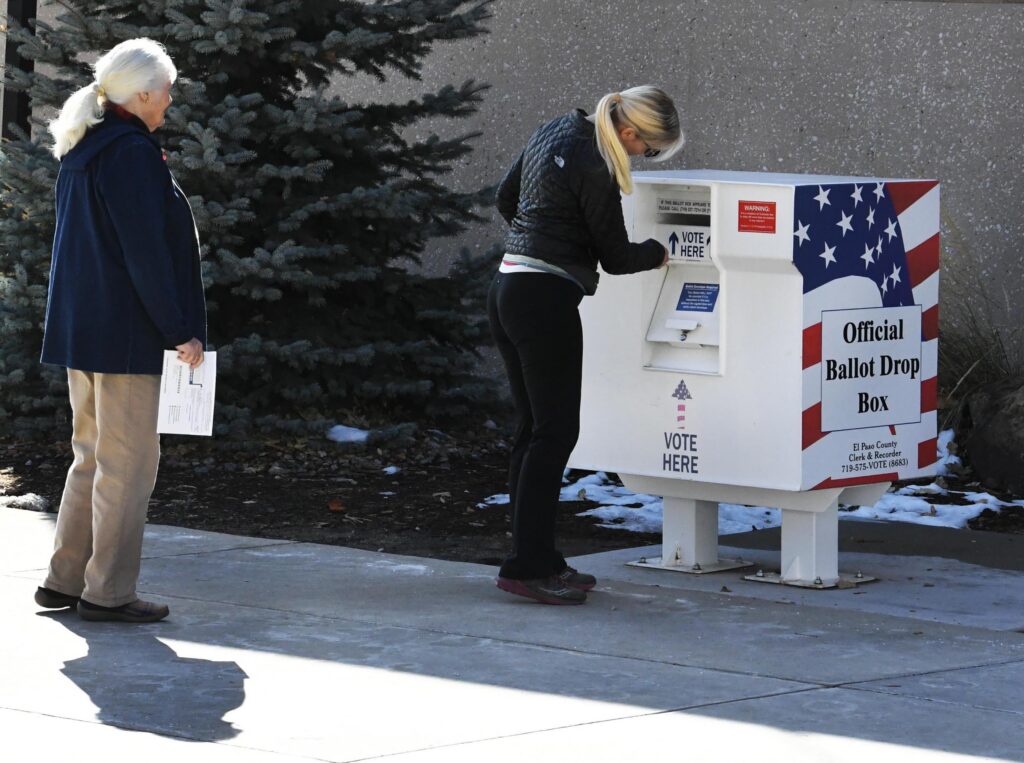
Colorado sues Trump administration, calling new election order ‘unconstitutional’
Marissa Ventrelli
marissa.ventrelli@coloradopolitics.com
Updated 22 hours ago
Colorado Attorney General Phil Weiser has joined a multistate coalition suing President Donald Trump over a new executive order on elections, arguing the directive unlawfully intrudes on states’ authority to run their own voting systems and threatens access to mail...
PREV
PREVIOUS

SONDERMANN | An anointed few pick all too many of our state legislators
Eric Sondermann Being registered to vote in central Denver, I have two new legislators representing me at the Colorado Capitol. Chris Hansen was appointed to serve as my state senator in mid-January. Just a couple of weeks ago, Scott Woodrow was appointed to be my state representative. Did you notice the use of the word […]

'We've got a decision to make': Democrat Pete Buttigieg rallies Denver crowd
Hours after urging Democrats to “take a sober look” at the risks of nominating Sen. Bernie Sanders to run against President Donald Trump, centrist candidate Pete Buttigieg pitched himself Saturday at a late-night rally in Denver as the only Democrat who can mend the country’s divisions rather than deepen them. Speaking to an estimated 8,500 […]