

PUC releases comments on transportation electrification mandate

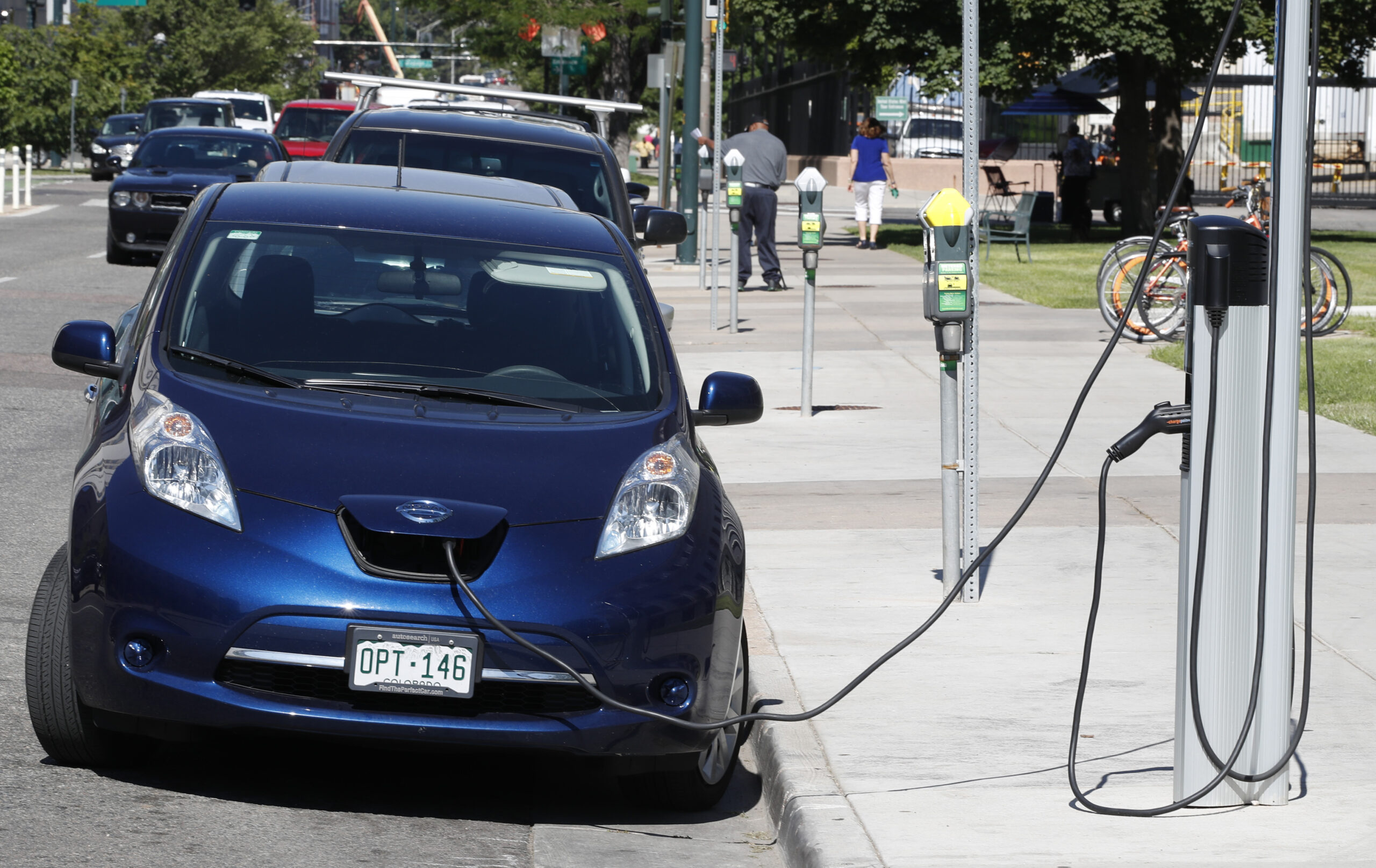
In accordance with a 2019 state law, the Colorado Public Utilities Commission released a summary of comments it received from electric utilities and other relevant organizations as they prepare to file plans to support “widespread” transportation electrification.
Senate Bill 77 directed public utilities to file with the PUC an application detailing how they would support vehicle electrification, which the commission would evaluate against safety, reliability, air quality standards, and the accessibility provided to low-income customers. The legislation set a deadline to file of May 15, 2020.
The commission asked six questions, prompting respondents to identify the states that have implemented cost-effective regulations and the information that utilities believe they should provide to inform the PUC’s evaluation of proposals. Approximately two dozen organizations filed comments, including Black Hills Colorado Electric, the Colorado Energy Office, the city and county of Denver, the Sierra Club, and Tesla.
Multiple entities cautioned against using a cost-benefit analysis for electrification pilot programs, pointing out that Senate Bill 77 did not specifically require that as a criterion. The bill, however, did direct utilities to aim toward maximizing benefits and minimizing costs in their proposals.
There was disagreement about whether utilities should own public charging stations, with Holy Cross Electric Association mentioning the disproportionate use of charging infrastructure depending on the ownership patterns of electric vehicles. Black Hills advocated for the PUC to consider whether utilities included plans for encouraging vehicle charging during cheaper, off-peak hours.
The state’s energy office argued that “at a minimum” utilities should have a strategy for enabling electric charging at airports, electrification of ride-sharing fleets, and electrified public transit. It pointed to Maryland, where that state’s public utilities commission approved a plan to install more than 5,000 public charging stations and a residential rebate program, as a potential model.
There was general agreement among respondents that utilities should estimate the effect of their plans on lowering greenhouse gas emissions from the transportation sector, which the legislation aims to reduce to 80% below 2005 levels by the year 2050.

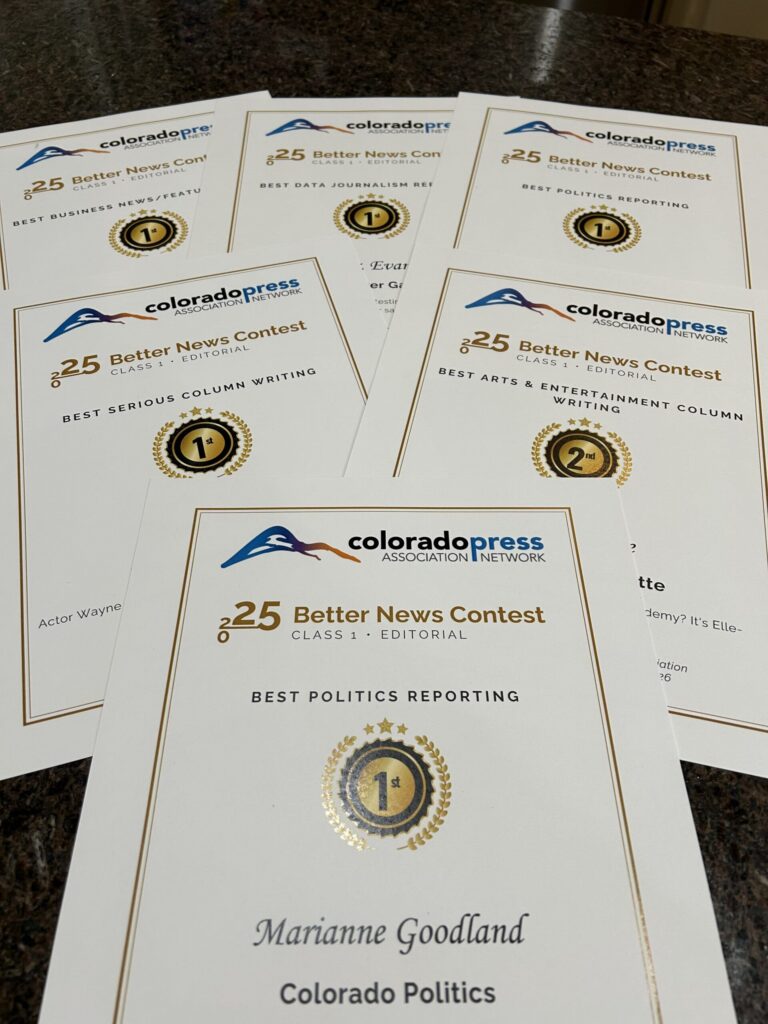
Gazette family of papers rakes in 64 awards at 2025 Colorado Press Association Better News Contest
Elizabeth Pond
elizabeth.pond@denvergazette.com
Updated 8 hours ago
The Gazette family of newspapers won 64 awards in the Colorado Press Association’s annual Better News Contest — a whopping 36 more than the three papers collectively won last year. Colorado Politics raked in 27, The Colorado Springs Gazette took...

What courageous citizenship really looks like | Vince Bzdek
Vince Bzdek
vince.bzdek@gazette.com
Updated 1 day ago
By Vince Bzdek What exactly is courage? Ernest Hemingway famously called it grace under pressure. Mark Twain wrote that “courage is resistance to fear, mastery of fear — not absence of fear.” C.S. Lewis refined that even more: “Courage is...
The coming election and mischief in the making | SONDERMANN
Eric Sondermann
eric-sondermann@coloradopolitics.com
Updated 4 days ago
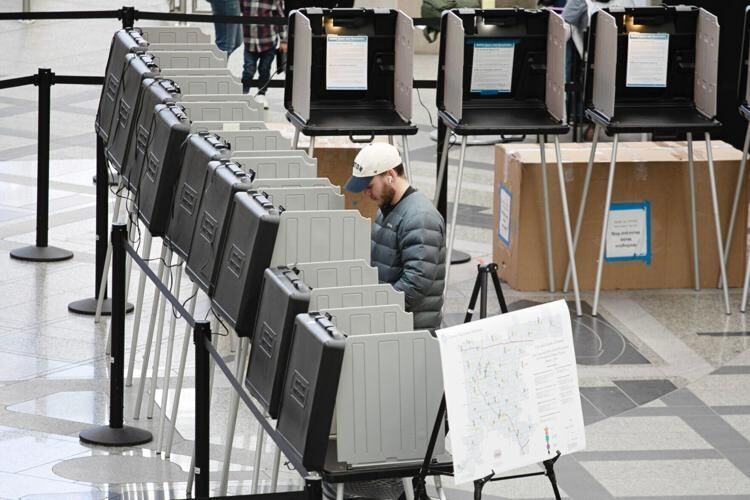
America’s tribalism is such these days that we struggle to even agree on the basic rules. Elections have always been hotly contested. As the saying goes, “Politics ain’t beanbag.” The process has long involved elements of nastiness and underhanded conduct....
Colorado Politics Calendar Aug. 31-Sept. 6
Rachael Wright, Special to Colorado Politics
rachael.wright@coloradopolitics.com
Updated 4 days ago
CoPo’s weekly political calendar will help you find political and public-policy events throughout Colorado. It includes candidate and issue campaign events, public policy meetings, court hearings, state and local party conventions, assemblies, debates, rallies, parades, speaking engagements, traveling dignitary appearances,...

Tancredo in Running for Dept. of Ed. Position | A LOOK BACK
Rachael Wright, Special to Colorado Politics
rachael.wright@coloradopolitics.com
Updated 4 days ago
Forty-five years ago this week: “I know that my name has been placed before the Secretary of Education, and I know that I’m one of three or four being considered for the Department of Education’s Region 8,” said state Rep....
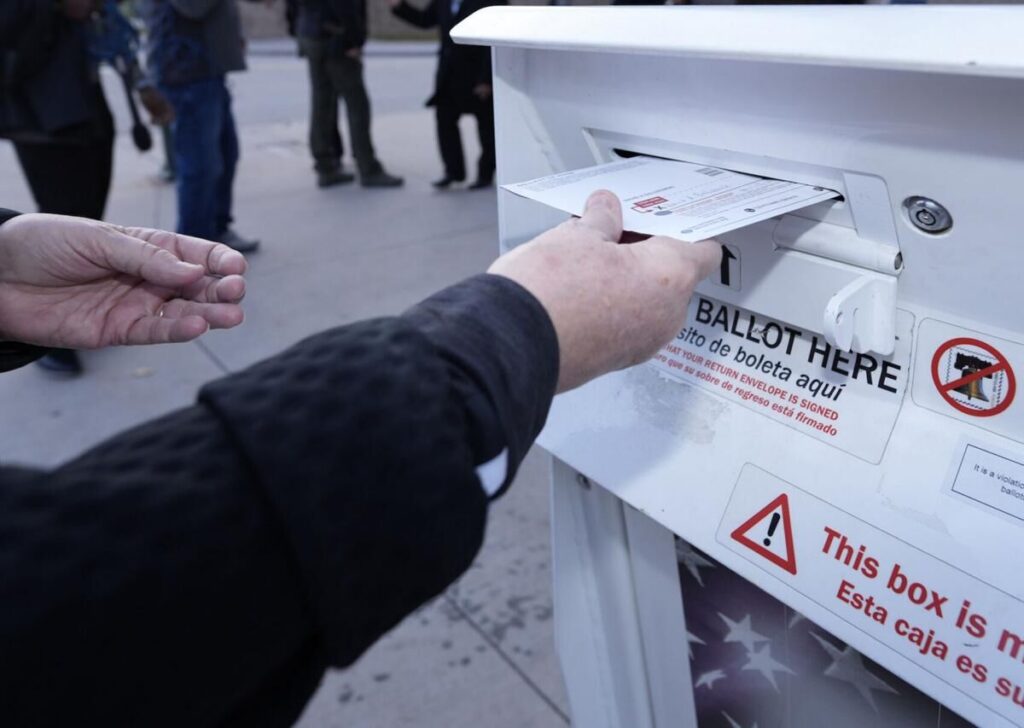
Colorado measure adding ID checks to mail-in voting qualifies for ballot
Marissa Ventrelli
marissa.ventrelli@coloradopolitics.com
Updated 2 days ago
A ballot initiative that would require voters to include additional information on mail-in ballots has qualified for the November election, according to the Secretary of State’s Office. Backed by El Paso County Treasurer Chuck Broerman and former Deputy Secretary of...
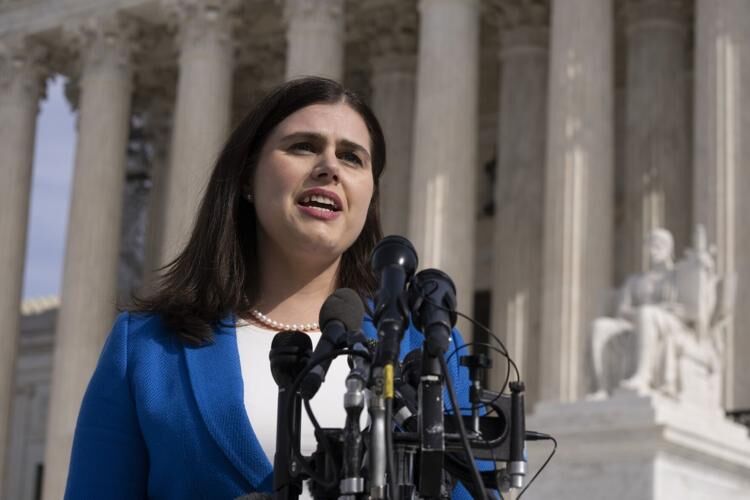
Colorado election website error exposes personal data of confidential voters
Marissa Ventrelli
marissa.ventrelli@coloradopolitics.com
Updated 2 days ago
A system update accidentally lifted protections on confidential records in Colorado, exposing dozens of voters’ personal information, according to the Secretary of State’s Office. The limit that normally blocks access to confidential voter profiles was inadvertently disabled during an update...
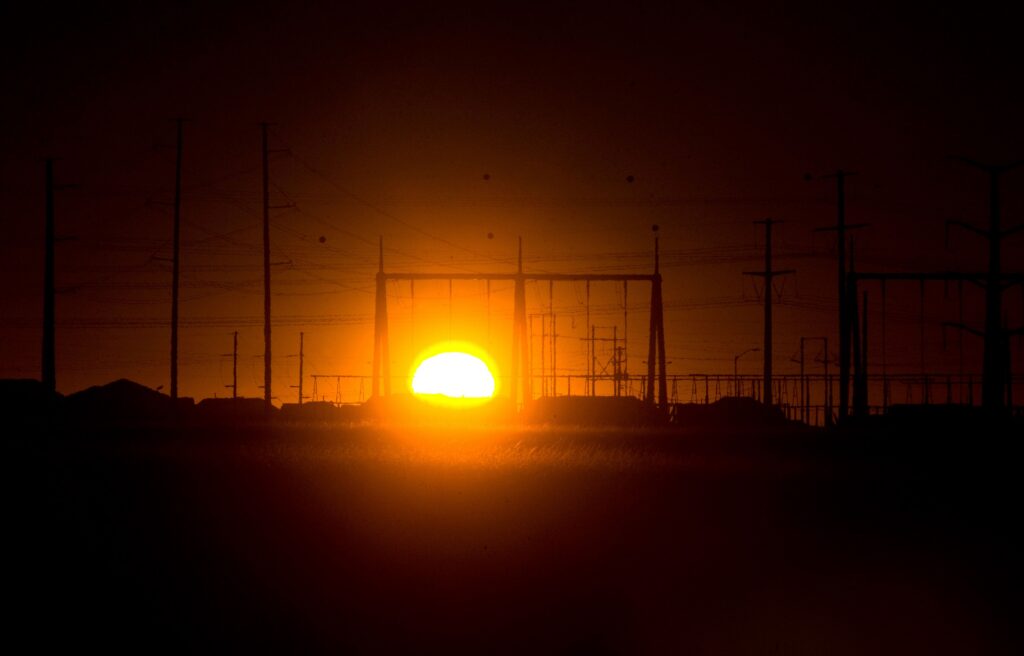
PUC adds weekly comment after killing private talks
Scott Weiser
scott.weiser@gazette.com
Updated 2 days ago
The Colorado Public Utilities Commission will take public comment at the start of every commissioner’s weekly meeting beginning Sept. 9 as part of its new transparency mandate, the commission announced, expanding a slot previously limited to the second Wednesday of...
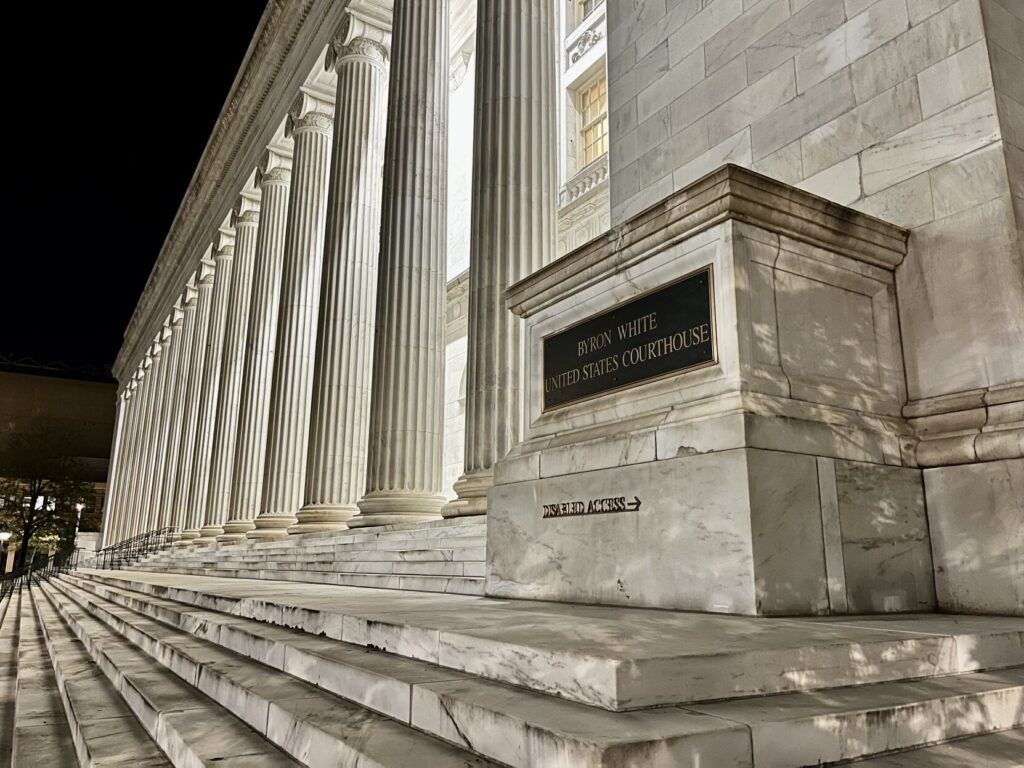
10th Circuit overturns framework for sentencing probation violators by 11-1
Michael Karlik
michael.karlik@coloradopolitics.com
Updated 1 day ago
In a rare decision by all 12 of its full-time judges, the Denver-based federal appeals court ruled in a lopsided vote on Friday that one of its members created a sentencing process for probation violators that was out of step...
Federal judge dismisses excessive force lawsuit against Colorado Springs, officer
Michael Karlik
michael.karlik@coloradopolitics.com
Updated 2 days ago
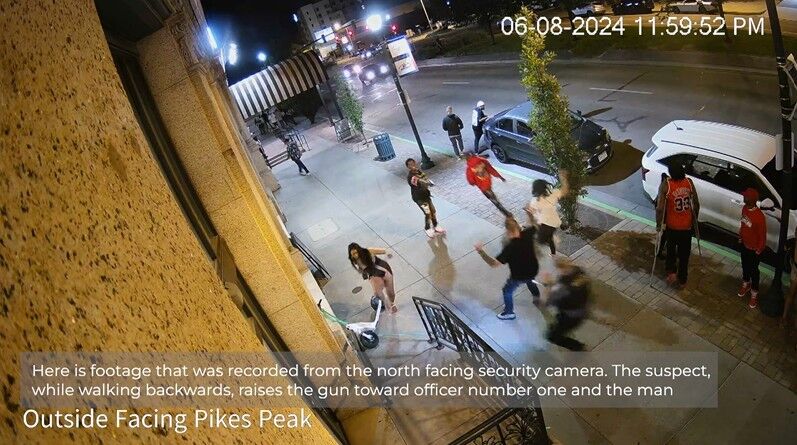
A federal judge concluded last week that a Colorado Springs police officer could not be held liable for shooting a suspect three times after the man menaced two victims with a gun and fled the scene. Al’morion Germany was involved...
PREV
PREVIOUS

Denver schools without air conditioning may delay the start of academic year
Denver Public Schools is weighing a new idea to help keep kids out of hot classrooms. The proposal, led by DPS Board of Education member Scott Baldermann, would adjust the academic year for the roughly 60 schools, or about one-third, that don’t have air conditioning. The first day of school, 9News reported, would be pushed […]

'Age-Friendly Employer' certification to be offered in Colorado
An advocacy campaign against age discrimination has debuted an “Certified Age-Friendly Employer” initiative that recognizes companies in Colorado that support employees aged 50 and older. “As we’ve traveled around the state providing workshops for the last two years, we’ve heard so many stories about older people who want to remain in the workforce but are […]